Quick Answer
When you finish a puzzle, you can preserve it as wall art, take it apart for future solving, or repurpose the pieces for creative projects. The right choice depends on the puzzle's quality, your space, and whether you plan to solve it again.
That satisfying feeling of placing the last piece is hard to beat. But once the puzzle is complete, you might find yourself asking: what now? Many people simply break it apart and box it up, but there are more creative and meaningful ways to enjoy your finished work.
From preserving your puzzle as wall art to transforming pieces into unique crafts, this guide walks you through practical options. We'll also share how certain puzzles are designed with reuse in mind, so you can make the best decision for your next project.
Preserve Your Puzzle as Wall Art
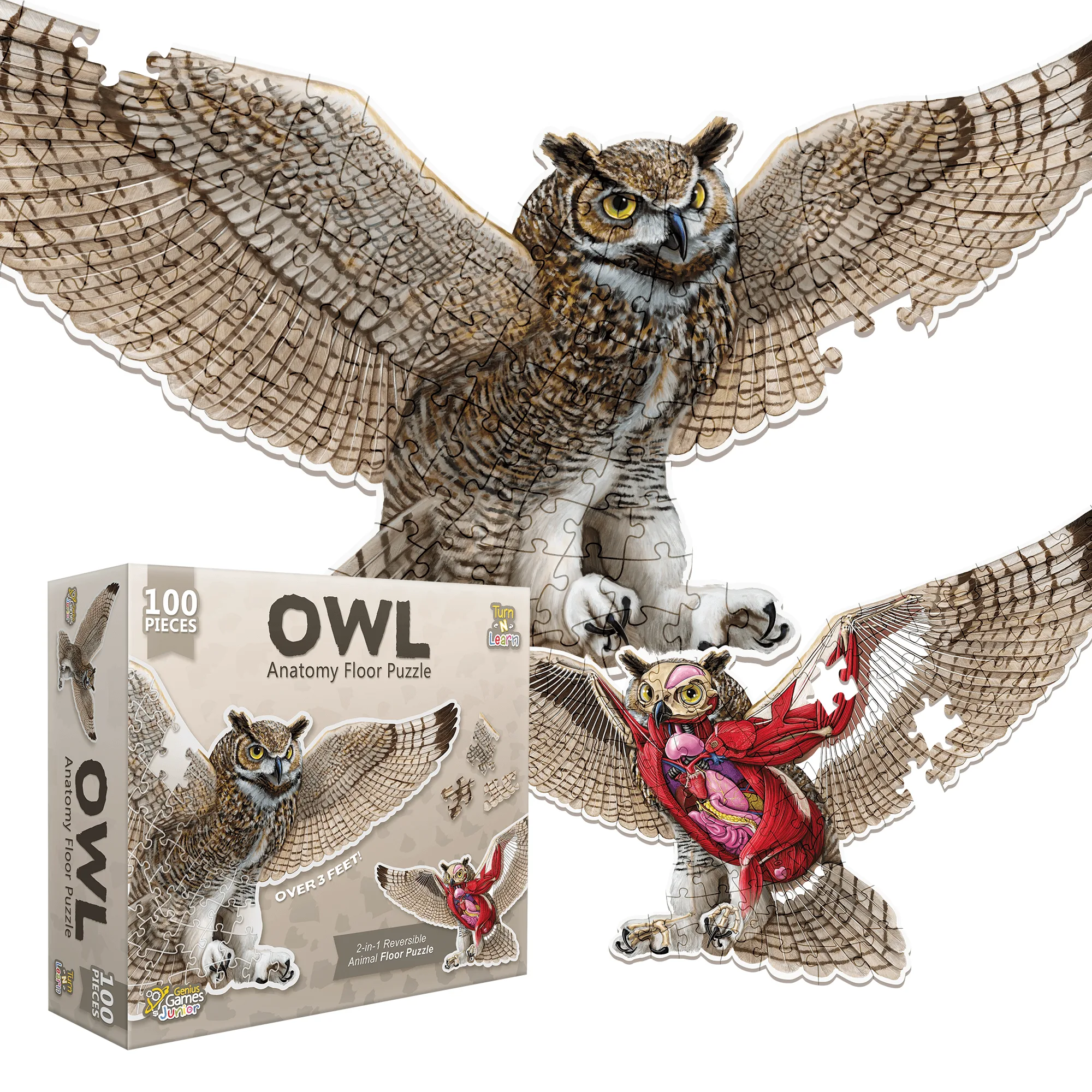
If you're proud of your completed image, turning it into wall art is a popular choice. You can purchase puzzle glue or adhesive sheets to hold the pieces together, then mount it on a foam board or frame it. This works especially well with puzzles that feature vibrant illustrations or educational diagrams, like anatomy puzzles that can spark conversation.
Before gluing, lay the puzzle on a flat, protected surface. Slide wax paper underneath to prevent sticking. Apply the adhesive evenly, following the product's instructions. Once dry, you can trim any excess paper and frame it. Checkpoint: Make sure the puzzle is completely flat and all pieces are firmly connected before you start gluing.
- Use puzzle glue or adhesive sheets for a clean finish.
- Consider a puzzle frame with a backing board for extra support.
Take It Apart and Solve It Again
Not every puzzle needs to be a permanent display. If you enjoy the process more than the result, disassembling the puzzle and storing it for future solving is perfectly valid. This is especially practical for puzzles with educational value, as you can revisit the learning experience.
When taking apart a puzzle, do it in large sections to minimize piece wear. Store pieces in the original box or a resealable bag. Checkpoint: Ensure all pieces are accounted for before storing; a missing piece can be frustrating next time.
- Break down the puzzle in chunks to reduce piece damage.
- Store with a silica gel packet to keep pieces dry.
Repurpose Pieces for Creative Projects
If you don't want to keep the puzzle intact, you can repurpose the pieces for crafts. Use them to make ornaments, jewelry, or mixed-media art. You can also turn them into gift tags or decorations. This is a great way to give a puzzle a second life, especially if the image no longer appeals to you.
For projects like ornaments, you'll need to drill small holes or attach hooks. Use a sealant to protect the pieces. Checkpoint: If you plan to use puzzle pieces for crafts, avoid gluing them together permanently until you're sure of your design.
- Paint or decoupage pieces for custom designs.
- Use a hot glue gun for quick attachment.
Consider Puzzles Designed for Reuse
Some puzzles are specifically designed to be built repeatedly or to offer extra value after completion. For example, double-sided puzzles feature different images on each side, giving you two puzzles in one. Others include educational guides or glow-in-the-dark elements that add a new dimension to the experience.
When choosing a puzzle, think about how you intend to use it. If you want a puzzle that you can enjoy multiple times without getting bored, look for features like double-sided designs or detailed fact sheets. Checkpoint: Read the product description to understand what's included and how the puzzle can be used beyond the initial build.
- Double-sided puzzles offer two images in one.
- Look for puzzles with included guides or educational content.
Step-by-Step: Decide What to Do With Your Finished Puzzle
- Assess the puzzle's condition: Check for missing or damaged pieces. If the puzzle is complete and in good shape, you have more options. If pieces are worn or missing, consider crafts or recycling. A complete puzzle is a candidate for preservation or resale.
- Decide if you want to solve it again: If you love the image and want to display it, choose preservation. If you enjoy the process, plan to disassemble and store. If you're unsure, you can take a photo and then take it apart. Your future enjoyment guides the choice.
- Choose your preservation method: For wall art, apply puzzle glue or adhesive sheets. For a temporary display, use a puzzle board or frame without gluing. For crafts, select pieces and seal them. Glue only if you're certain about permanent display.
- Execute and enjoy: Follow the product instructions for adhesives. For storing, use a resealable bag. For crafts, let your creativity lead. Once done, display or store your work. Take a photo before disassembling to remember your achievement.
Puzzles That Offer More After Completion
- Bundle - Tiger, Shark & Owl Jigsaw Puzzle - 4FT Double Sided Floor Puzzle: Each puzzle is double-sided, featuring stunning animal artwork on one side and scientifically accurate anatomy illustrations on the other. When you finish one side, you can flip it over and solve the other, effectively doubling the puzzle's life and giving you two images to display or learn from.
- Bundle - Tyrannosaurus Rex, Triceratops & Ankylosaurus Jigsaw Puzzle - 4FT Double Sided Glow in the DarkFloor Puzzle: These dinosaur puzzles are double-sided and glow in the dark, with 100-piece puzzles showing artwork on one side and skeletons on the other. The glow-in-the-dark feature adds a fun twist after completion, making it a great choice for kids who want to admire their work in a new way.
Finishing a puzzle doesn't have to mean the end. Whether you preserve it as art, take it apart for another day, or repurpose the pieces, there are plenty of ways to extend the experience. Choose the option that fits your space and style, and enjoy the satisfaction of your completed work.