Quick answer
Look for a bakeware set that includes a 9-inch round pan, a 9x13-inch baking dish, a cookie sheet, and a muffin pan. Choose heavy-gauge aluminum or steel for even heating, and avoid sets with too many odd-sized pieces you won't use.
Start with the essential pans
A beginner bakeware set should cover the recipes you're most likely to try first: cakes, brownies, cookies, and muffins. That means a 9-inch round cake pan, a 9x13-inch rectangular pan, a standard cookie sheet, and a 12-cup muffin pan. These four pieces handle birthday cakes, sheet cakes, chocolate chip cookies, and basic cupcakes. Avoid sets that include springform pans, loaf pans, or mini muffin tins until you know you'll use them regularly.
Material matters more than brand
The material of your bakeware directly affects how your baked goods turn out. Aluminum heats evenly and is affordable, but it can warp if too thin. Steel is more durable and resists warping, but it may heat less evenly unless it has an aluminum core. Nonstick coatings make cleanup easier, but they can scratch and wear out faster than uncoated pans. If you choose nonstick, look for a set with a reinforced coating and avoid metal utensils. For most beginners, a set of heavy-gauge aluminum or aluminized steel with a reliable nonstick coating offers the best balance of performance and ease.
Check the gauge and rim design
Pan thickness is measured in gauge — lower numbers mean thicker metal. Look for a gauge of 18 or lower for durability and even baking. Thin pans (higher gauge) can cause hot spots and burned edges. Also check whether the pans have rolled rims or straight edges. Rolled rims are stronger and less likely to warp, but they can trap food and be harder to clean. Straight edges clean more easily but may bend over time. For a beginner set, rolled rims are a safer bet for longevity.
Decision rules for your first bakeware set
- Rule 1: Start with four pans, not twelve: A 9-inch round pan, 9x13-inch pan, cookie sheet, and muffin pan cover 80% of beginner recipes. Skip sets that add loaf pans, springform pans, or mini pans you won't use. Check: does the set include at least these four core pieces?
- Rule 2: Choose heavy-gauge aluminum or aluminized steel: Thick metal (18 gauge or lower) heats evenly and resists warping. Avoid thin, flimsy pans that cause hot spots and burnt edges. Verdict: heavy-gauge aluminum is the most beginner-friendly material.
- Rule 3: Nonstick is optional, not required: Nonstick coatings make cleanup easier but can scratch and wear out. If you prefer nonstick, look for a reinforced coating and use silicone or wooden utensils. Uncoated aluminum or steel lasts longer and works well with parchment paper. Next step: decide whether you value easy release or long-term durability more.
Related products from Kneads • Bakery • Café • Mill
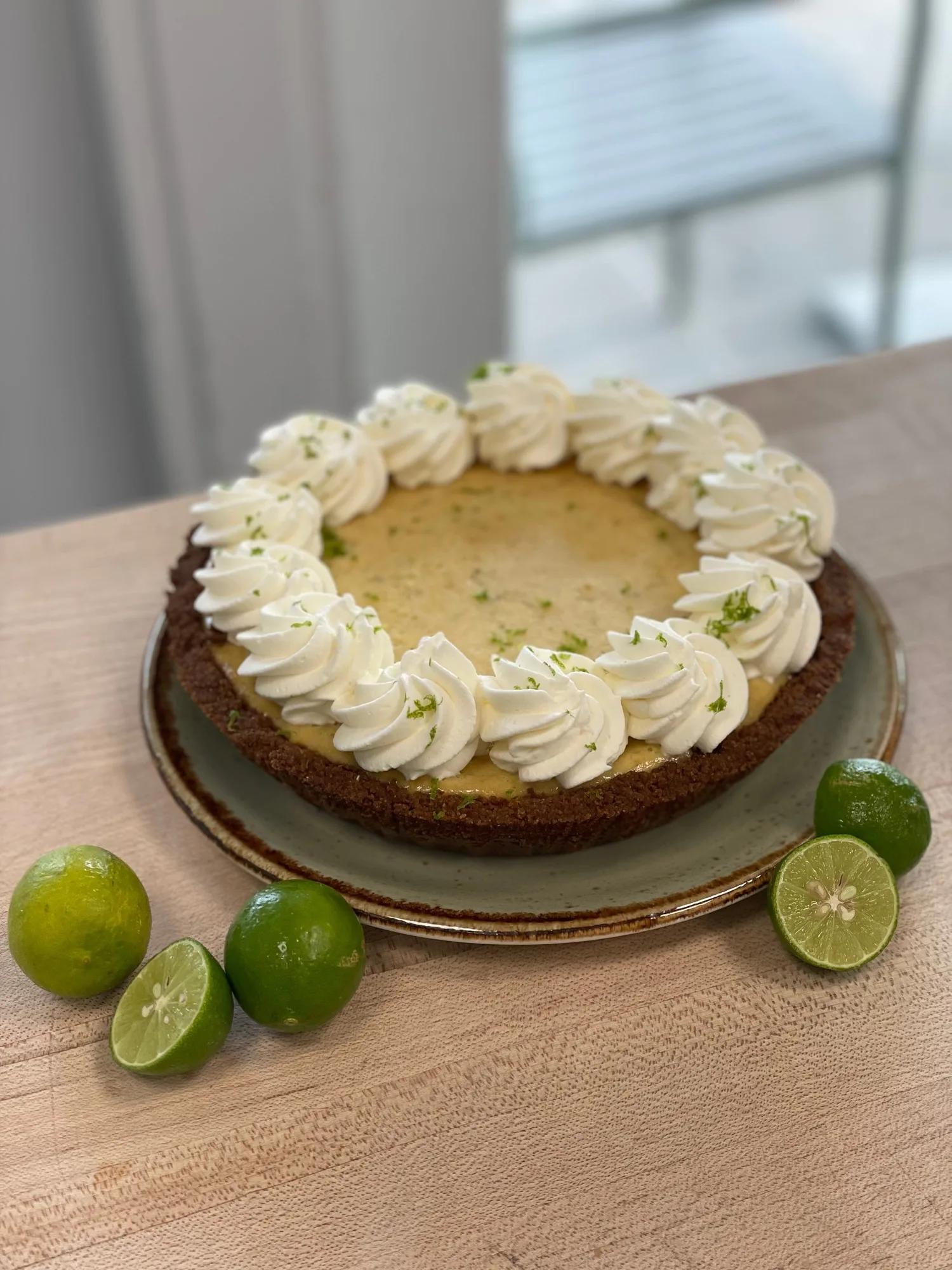
- Key Lime Pie 9”: Key Lime Pie 9” features a key lime custard filling, vanilla chantilly, and a whole grain graham cracker crust. If your bakeware set includes a 9-inch round pan, you can bake a classic pie crust and fill it with a ready-made pie like this one for a quick dessert.
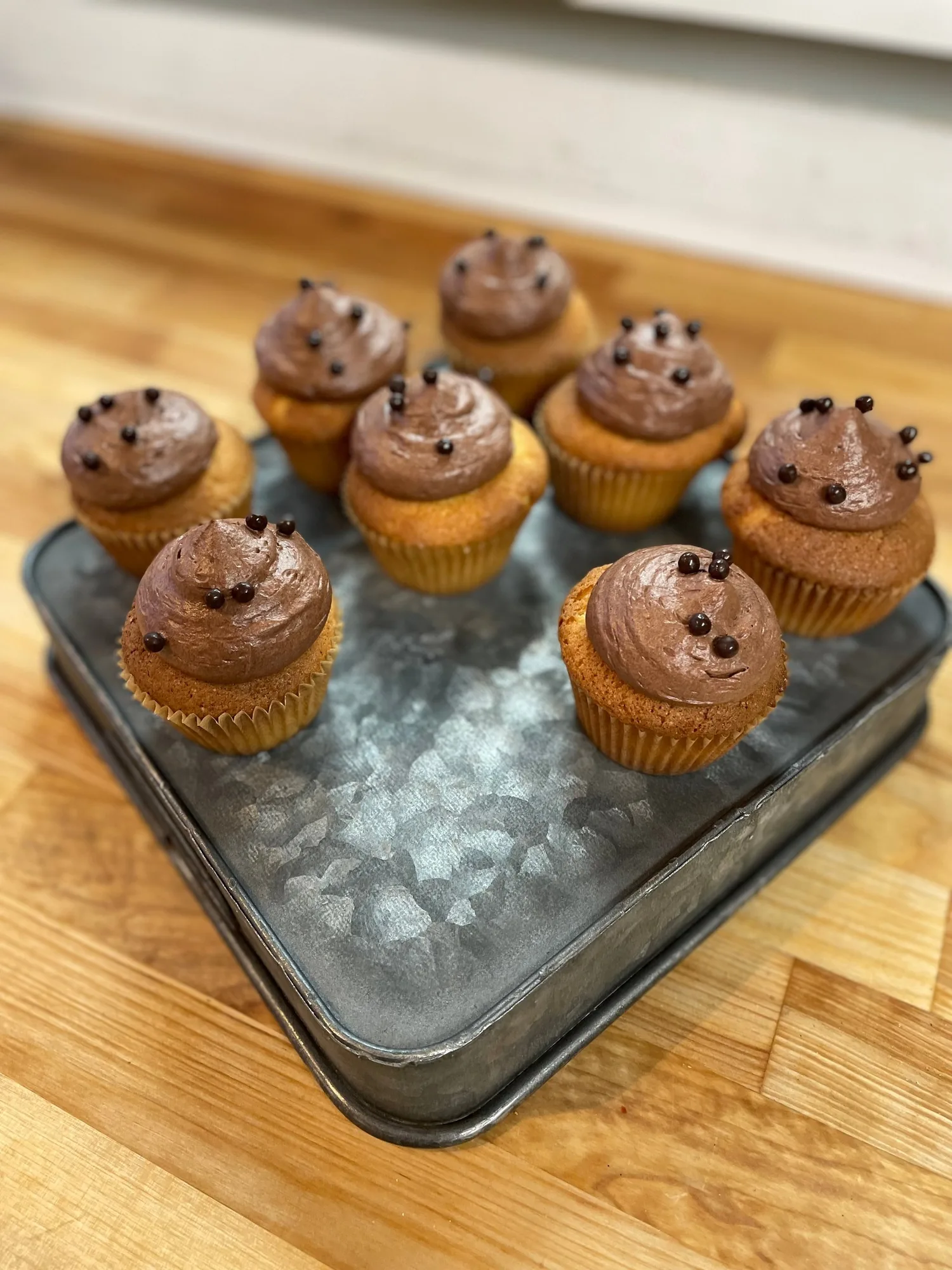
- Vanilla Chocolate Cupcakes (6 pk): Vanilla Chocolate Cupcakes (6 pk) pair a vanilla cupcake base with dark chocolate buttercream and crunchy chocolate pearls. A muffin pan in your starter set lets you bake your own cupcakes from scratch, but having a pre-made option like this is handy when you're short on time.
Is a bakeware set right for you?
Best for
- New bakers who want one purchase to cover most recipes
- Anyone starting from scratch with no existing pans
Not ideal for
- Experienced bakers who already own specific pans and need only replacements
- Bakers who specialize in one type of baking (e.g., only bread or only pies)