Quick answer
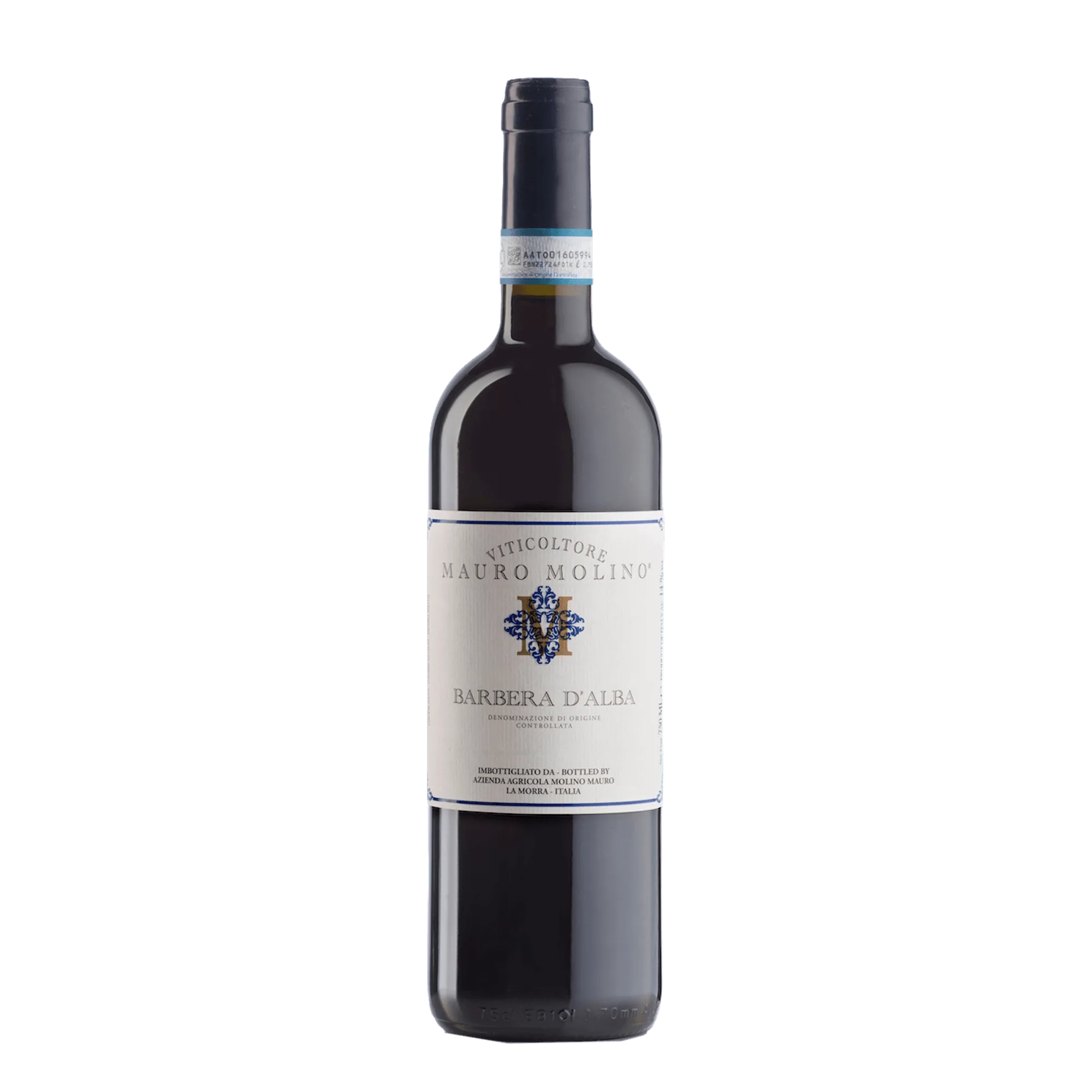
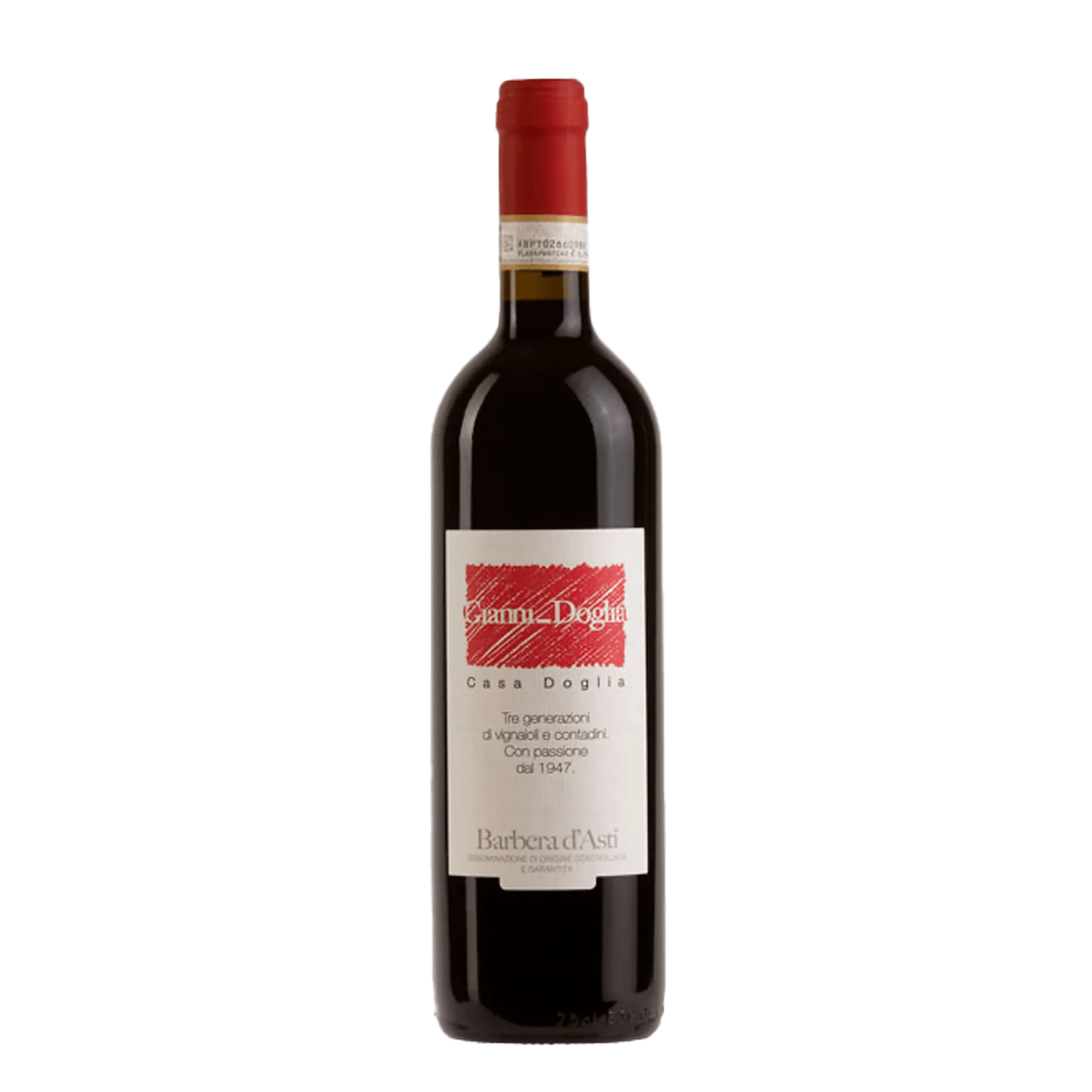
Choose Barbera d'Alba for a lighter, juicier style with bright acidity that pairs with everyday meals. Pick Barbera d'Asti for a fuller body, earthy notes, and dark fruit that stands up to grilled meats. For value, the Mauro Molino Barbera D'Alba offers fresh character at a modest price, while the Gianni Doglia "Casa Doglia" Barbera d'Asti delivers robust depth for hearty dishes.
Barbera d'Alba vs Barbera d'Asti: The Key Difference
Both wines come from Piedmont, Italy, but they express the Barbera grape differently. Barbera d'Alba tends to be more approachable, with bright red fruit and a lively acidity that makes it a flexible table wine. Barbera d'Asti is often fuller, with darker fruit, earth, and a rounder mouthfeel that pairs better with rich, savory dishes.
The DOC regulations for each region also influence style. Alba's warmer microclimate produces riper fruit, while Asti's cooler hills can yield more structure and tannin. Neither is inherently better — your choice depends on the meal and your personal preference for acidity versus body.
How to Match Barbera to Your Meal
Barbera's natural acidity makes it one of the most food-friendly red wines. A lighter Barbera d'Alba works with tomato-based pasta, pizza, roasted chicken, or charcuterie. A richer Barbera d'Asti can handle grilled steak, lamb, or aged cheeses.
If you're planning a casual weeknight dinner, a fresh Barbera d'Alba like the Mauro Molino won't overpower the food. For a weekend barbecue or a braised meat dish, the earthy, dark-fruited Gianni Doglia "Casa Doglia" Barbera d'Asti is a better match.
Value and Volume Considerations
Barbera is generally affordable compared to other Piedmont reds, but prices vary by producer and aging. For everyday drinking, a 1L bottle like the Ercole Barbera offers a light-bodied red blend with red fruit and almond notes — a casual option at a low price per glass.
If you want a more traditional, complex expression for a special dinner, the Pio Cesare Barbera delivers ripe plums, blackberries, spices, and hints of toasted tobacco. It costs more but rewards with layered flavors that evolve in the glass.
Pio Cesare Barbera
How to Decide: Barbera d'Alba or d'Asti
- Check the meal weight: Light pasta or poultry? Go with a Barbera d'Alba (e.g., Mauro Molino). Grilled steak or lamb? Choose a Barbera d'Asti (e.g., Gianni Doglia). Match wine body to dish richness.
- Consider acidity preference: If you enjoy bright, mouthwatering wines, Barbera d'Alba delivers. If you prefer a rounder, less tart mouthfeel, Barbera d'Asti is a better fit. Acidity seekers: d'Alba. Texture seekers: d'Asti.
- Set your budget and occasion: For everyday value, a 1L Ercole Barbera or the Mauro Molino offers low cost per glass. For a special dinner, the Pio Cesare Barbera provides complex, aged character. Everyday: Ercole or Mauro Molino. Special: Pio Cesare.
Barbera Bottles at a Glance
- Mauro Molino Barbera D'Alba: Mauro Molino Barbera D'Alba is a red wine in the Barbera category, offering a pleasant, fresh character with good acidity and juicy fruit. It is described as a wine suitable for every pairing. This is your go-to for versatile, everyday drinking — bright enough for pasta and light meats, yet structured enough for casual entertaining.
- Gianni Doglia "Casa Doglia" Barbara d'Asti: Gianni Doglia "Casa Doglia" Barbera d'Asti is a robust, earthy, and dark-fruited full-bodied wine from Piedmont, Italy, well suited to hearty meals like steaks and marinated meats. Pick this when you need a wine with enough weight and earthy depth to stand up to grilled or braised meats. It's a classic pairing for a steak dinner.
Which Barbera Should You Buy?
Best for
- Home cooks who want a versatile red for weeknight pasta, pizza, or roasted chicken
- Grill enthusiasts who need a full-bodied red to pair with steaks and marinated meats
Not for
- Drinkers seeking a very tannic, age-worthy red (Barbera is naturally lower in tannin)
- Those who prefer sweet or off-dry red wines (Barbera is dry with pronounced acidity)