Quick Answer
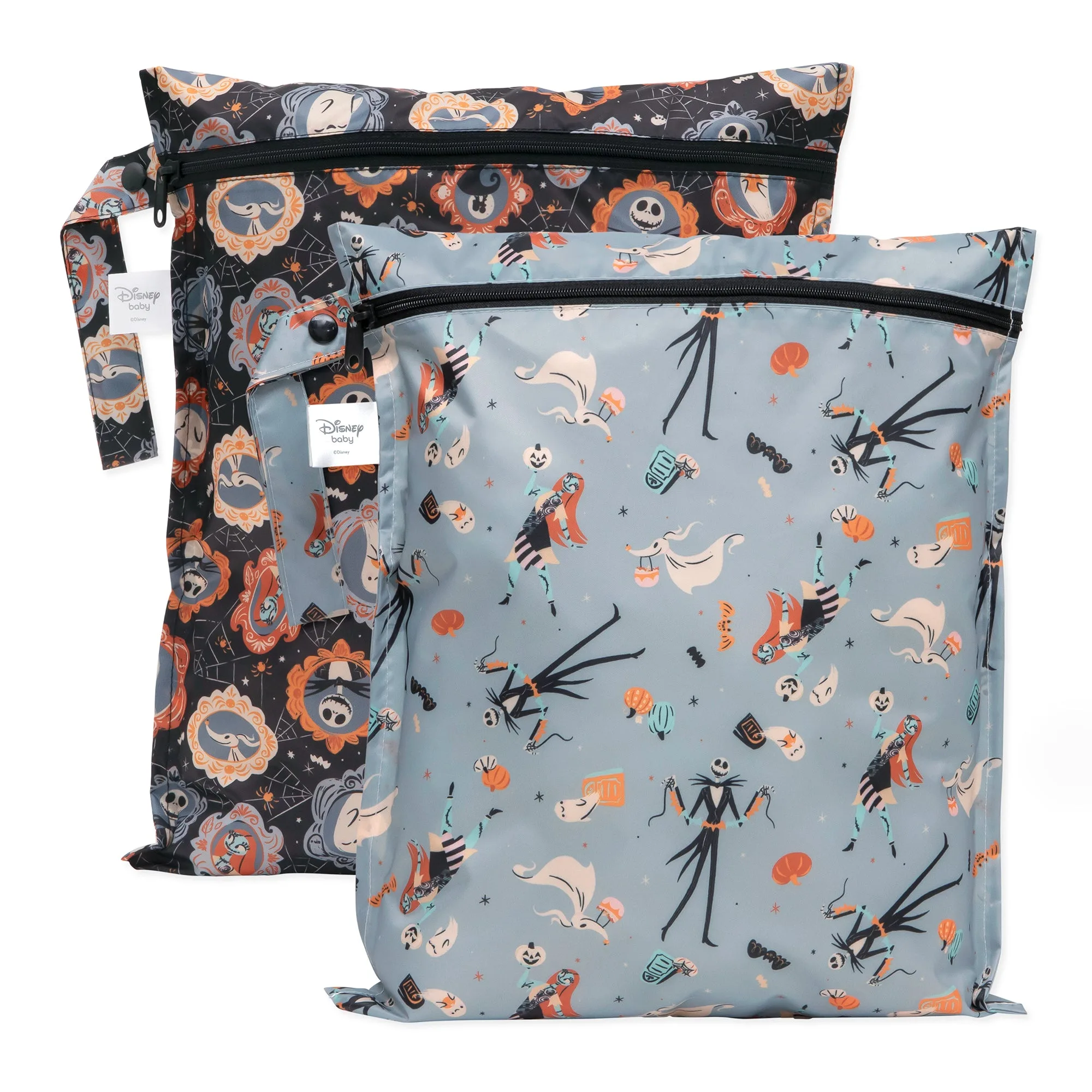
When choosing a cloth diaper wet bag, prioritize waterproof materials like PUL or TPU, a secure closure (zip or snap), a size that fits your needs, and easy care. Look for double-stitched seams and a wipeable interior to prevent leaks and odors.
A cloth diaper wet bag is a simple but essential tool for managing soiled diapers while you're out and about. Whether you're running errands or traveling, the right wet bag keeps wet and messy diapers contained without leaking or spreading odors. But with so many options, how do you pick the best one?
This guide breaks down the key features and materials to consider, so you can choose a wet bag that fits your routine and lasts through many washes.
What Makes a Wet Bag Waterproof?
The most critical feature of a wet bag is its ability to keep moisture inside. Most wet bags use a waterproof lining made of PUL (polyurethane laminate) or TPU (thermoplastic polyurethane). Both are breathable yet waterproof, but TPU is often considered more eco-friendly as it doesn't contain chlorine. Some bags use a double layer of PUL for extra protection, which is great for heavy wetters or long outings.
Check the seams: even the best fabric will leak if the seams aren't sealed. Look for bags with taped or welded seams, which prevent water from seeping through the stitching. Also, consider the outer fabric—many wet bags use cotton or polyester on the outside for durability and style, but the inner lining is what does the heavy lifting.
- Look for PUL or TPU lining as a minimum.
- Prefer bags with welded or taped seams over simple sewn seams.
- Consider a double-layer construction for extra leak protection.
Size and Capacity: What Do You Need?
Wet bags come in various sizes, from small wet bags for a single diaper to large pail liners for home storage. Think about how many diapers you typically go through during an outing. A small bag (around 15x20 inches) may hold 2-3 diapers, while a medium (18x24 inches) can handle a day's worth. If you're using cloth diapers for a newborn, you might need a larger capacity.
Also consider the bag's shape: some are designed to stand upright, making it easier to stuff diapers in, while others fold flat for compact storage in a diaper bag. Check the dimensions before buying to ensure it fits your diaper bag and your needs.
- Estimate how many diapers you need to carry.
- Measure your diaper bag to ensure the wet bag fits.
- Consider a wet bag with a wide opening for easy access.
Closures and Handles: Convenience Matters
The closure type affects how easy it is to secure the bag and keep odors in. Zippers provide a secure seal but can be harder to clean if they get soiled. Snap closures are easier to wipe down and allow for quick access, but they may not be as leak-proof as a zipper. Some wet bags have a fold-over top with a snap, which is a good compromise.
Handles or straps are useful if you plan to hang the bag on a stroller or hook. A sturdy handle makes it easy to carry the wet bag separately when necessary. Also, look for a bag that can be easily rinsed or wiped clean—some have a coated interior that you can simply wipe out.
- Choose a zipper for maximum odor containment.
- Opt for snap closures for easy cleaning and access.
- Look for a handle or strap if you need to hang the bag.
Materials and Care: What to Look For
The outer material of a wet bag can be cotton, polyester, or a blend. Cotton is soft and absorbent, but it may not be as durable as polyester. Polyester is resistant to stains and dries quickly. Some wet bags use a waterproof fabric like TPU on the outside as well, making the entire bag wipeable.
Consider how easy the bag is to wash. Most wet bags can be machine washed and dried, but always check the care label. Some materials may require line drying to prevent damage. A wet bag that can go in the dryer is more convenient, but air drying extends its life.
- Cotton outer is soft but may stain; polyester is more durable.
- Check if the bag is machine washable and dryer-safe.
- Air drying is gentler on the waterproof lining.
Quick Checklist for Buying a Wet Bag
Waterproof lining
Ensure the bag has a PUL or TPU lining and sealed seams. Test by filling with water and checking for leaks.
Size
Match the bag size to your typical outing length and diaper count. A medium bag (18x24) is a versatile choice.
Closure
Decide between zipper (odor control) and snap (easy cleaning). For daycare, a zipper may be more secure.
Care
Check if the bag is machine washable and dryer-safe. Air drying extends the life of the waterproof layer.
Wet Bags from Squishy Lil' Campers
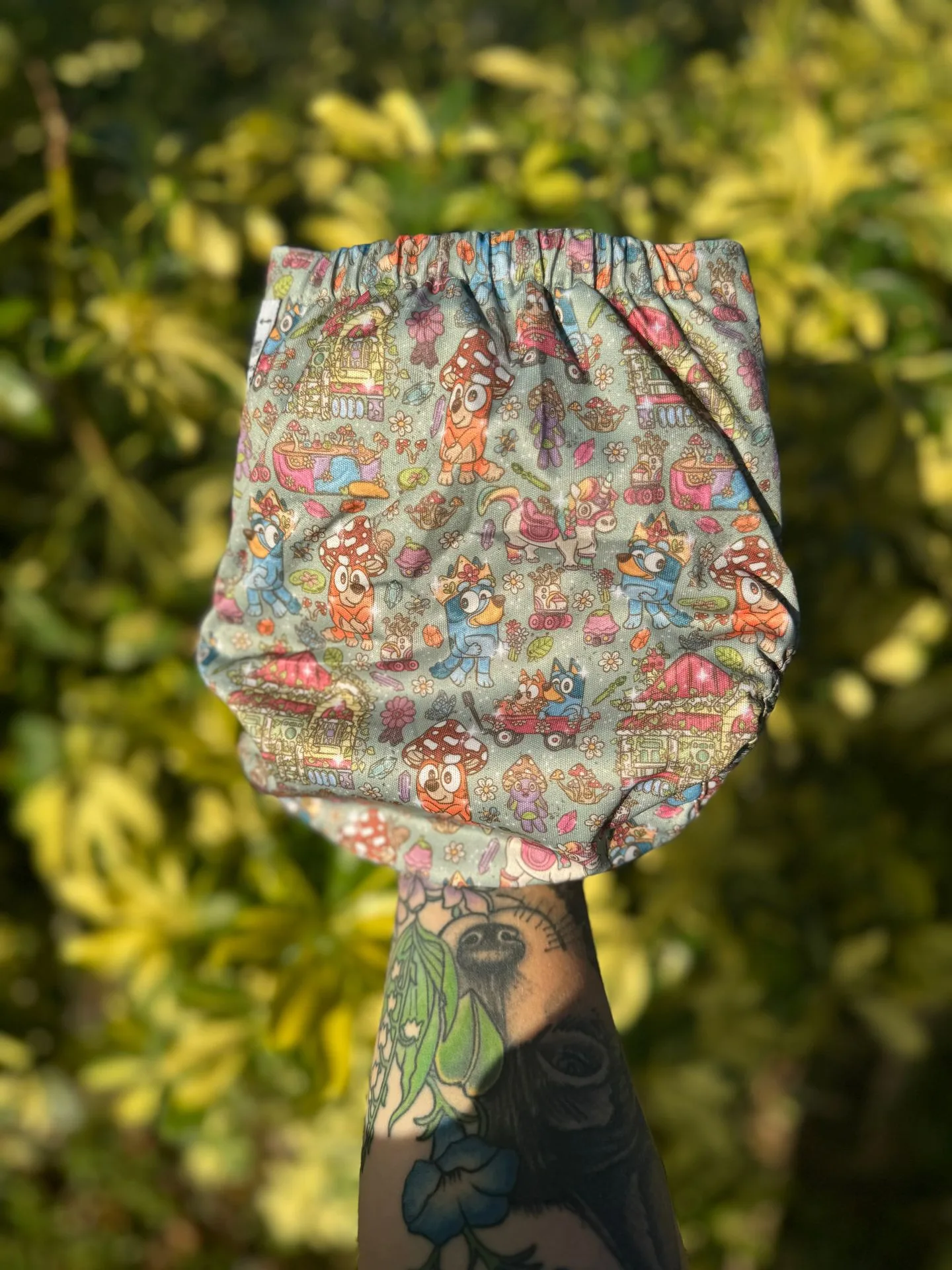
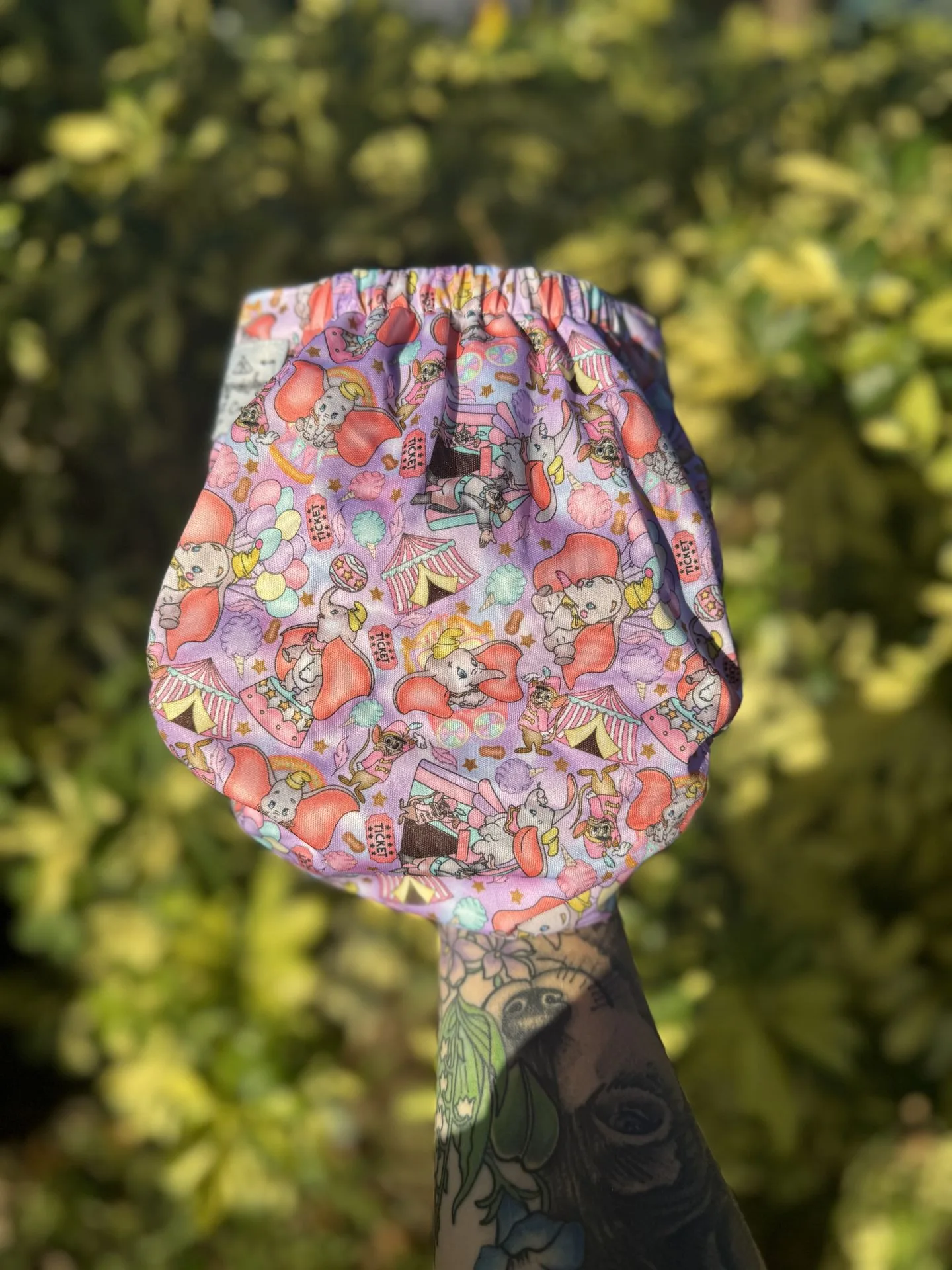
- The Rockies-Cover: Covers fit babies/young children approximately 6-35lbs. Inside Lining -PUL Double Gusset Dirty Closure/Cross Over Snaps Hip Snaps 3x3 Rise Snap Insert Slips On Both Ends Insert Not Included While not a wet bag, this cover shows the brand's attention to waterproof PUL lining and secure closures. If you value these features in a cover, you'll likely appreciate the same quality in a wet bag.
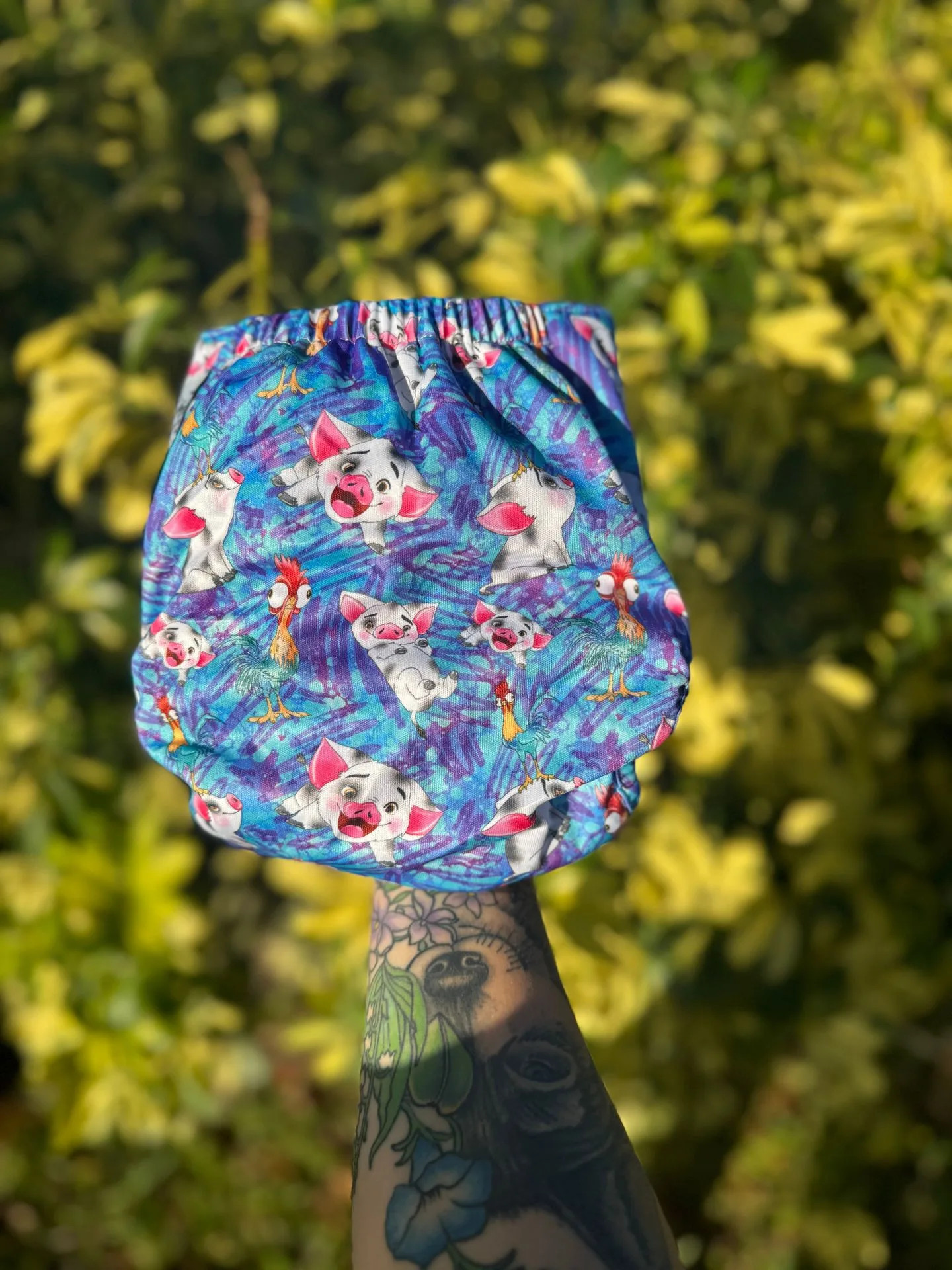
- Mistletoe-XL: XL Size Pocket fit babies/young children approximately 10-70lbs. Inside Lining -Gray AWJ Dirty Closure/Cross Over Snaps Wide Pocket Opening 5cm Tummy Panel Hip Snaps 3x4 Rise Snap Insert Snap In Insert Not Included This pocket diaper uses AWJ (Athletic Wicking Jersey) lining, which is known for its moisture-wicking properties. When choosing a wet bag, look for similar high-performance materials that keep moisture away from the outer fabric.
Choosing the right wet bag comes down to balancing waterproofing, size, closure, and care. By focusing on these features, you'll find a bag that keeps your cloth diapers contained and your diaper bag fresh. Check out Squishy Lil' Campers for quality products that meet these standards.