Quick answer
Start with the Supplement Facts panel, not the front label. Look for clearly named ingredients with clinically studied forms, doses that match research, and third-party testing seals. If a label hides amounts behind a proprietary blend or promises to 'balance hormones' without specifics, treat it as a red flag. A well-labeled perimenopause supplement should tell you exactly what you're getting and why.
Read the Supplement Facts Panel First
The front of a bottle is marketing; the back is information. The Supplement Facts panel lists every active ingredient and its amount per serving. Check that each ingredient has a number, not just a name. For example, 'Magnesium 200 mg' is useful; 'Magnesium blend' is not. If the label says 'proprietary blend' and lists ingredients without individual amounts, you cannot verify whether the dose is meaningful. In perimenopause, where symptoms like hot flushes, sleep disruption, and mood shifts are common, you want to know exactly what you're taking.
Match Ingredient Forms to Your Needs
Two products can list the same ingredient but use different forms with different absorption. Magnesium is a classic example: magnesium oxide is common but poorly absorbed, while magnesium glycinate, malate, and citrate are better utilized. Similarly, ashwagandha root extract standardized to withanolides is not the same as raw ashwagandha powder. For hormone-related support, look for ingredients like myo-inositol paired with folate or chromium, which are studied for specific pathways. The form matters as much as the name.
Check the Dose Against Research
A sprinkle of an ingredient is not the same as a studied dose. For example, if a label lists 50 mg of ashwagandha extract but studies use 300–600 mg, the product may not deliver the expected effect. Look for doses that align with published research for perimenopause symptoms. If the label does not disclose amounts, you cannot compare. This is where many budget supplements cut corners: they include a long list of ingredients at token amounts to look impressive on the front.
Look for Third-Party Testing and Quality Seals
Supplements are loosely regulated in many countries, so third-party testing is your best assurance. Seals from NSF, USP, or Informed Choice mean the product has been tested for purity, potency, and contaminants. For women in perimenopause, who may be taking multiple supplements, avoiding heavy metals and unwanted fillers is especially important. If a brand does not mention testing, you can often find a certificate of analysis on their website. If not, consider it a gap.
Watch for Filler Ingredients and Allergens
Inactive ingredients like magnesium stearate, silicon dioxide, and artificial colors are common but not always necessary. If you have sensitivities, look for gluten-free, GMO-free, and vegan options. Some perimenopause supplements include soy isoflavones, which may not suit everyone. The label should clearly state allergens and whether the product is manufactured in a facility that also processes common allergens. For a daily supplement, a short, clean excipient list is a good sign.
Decision Rules for Choosing a Perimenopause Supplement
- If the label hides amounts behind a proprietary blend: You cannot assess whether the dose is effective. Choose a product that discloses individual ingredient amounts. Skip it unless the brand provides a certificate of analysis with full disclosure.
- If you have specific symptoms (e.g., sleep, hot flushes): Match ingredients to your primary concern. For sleep, magnesium glycinate or ashwagandha may help; for hot flushes, look for ingredients like black cohosh or soy isoflavones (if suitable). One targeted product is better than a kitchen-sink blend.
- If you take multiple supplements: Check for overlapping ingredients to avoid exceeding safe upper limits, especially for fat-soluble vitamins and minerals like zinc and magnesium. Keep a list of all supplements and their doses; review with your healthcare provider.
- If the price seems too low for the ingredient list: Low-cost products often use cheap forms or token amounts. Compare the cost per effective dose, not just per bottle. Calculate cost per serving of the key ingredient to compare fairly.
How These Labels Stack Up
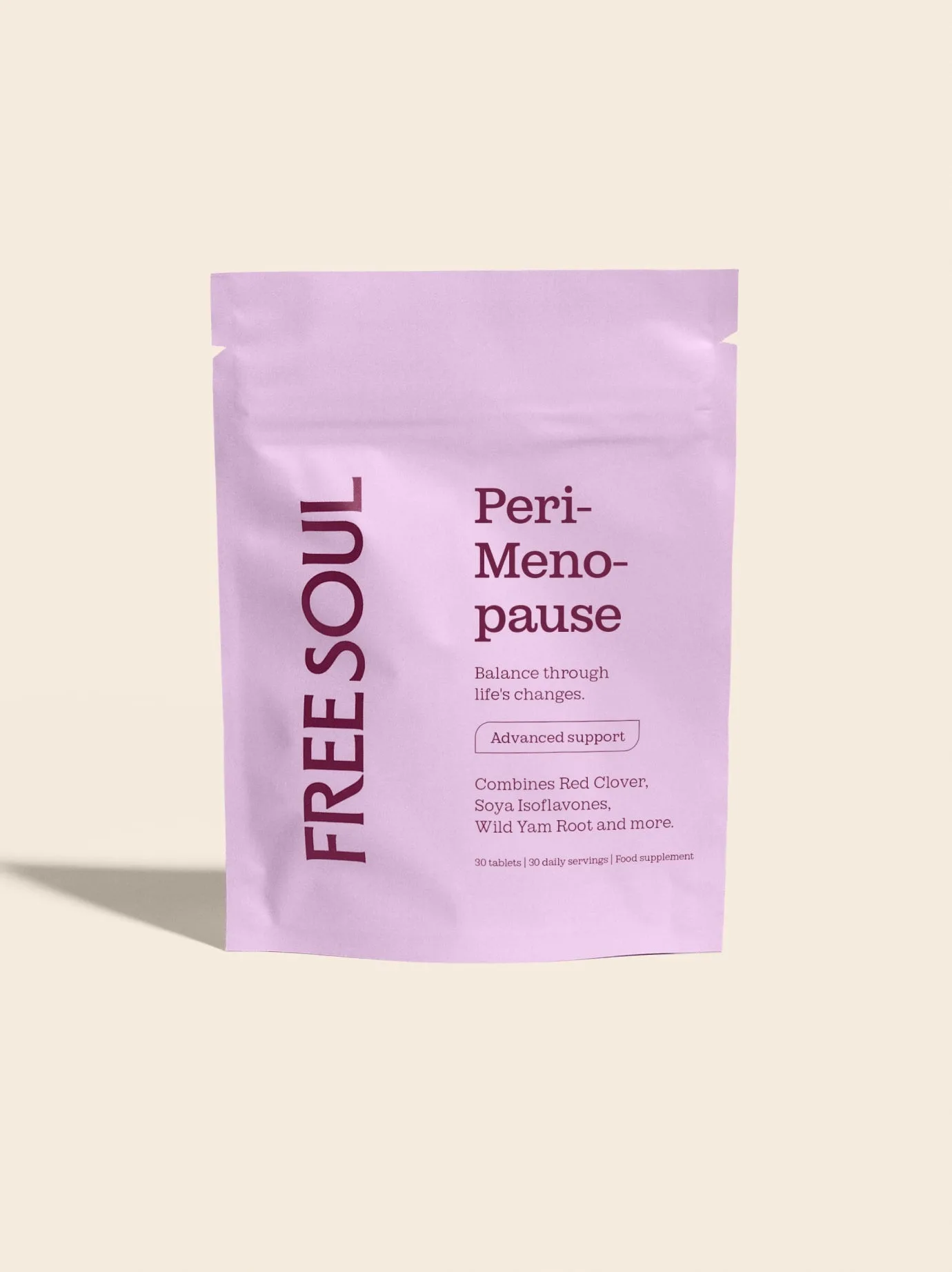
- Perimenopause Supplement: Free Soul’s Perimenopause Supplement is formulated by experts to provide support during the transitionary period before periods stop, commonly associated with hot flushes, difficulty sleeping, night sweats, and body aches. This product is designed specifically for perimenopause, so the label should list ingredients targeting those symptoms. Check the Supplement Facts for doses and forms.
- 4-in-1 Magnesium + Turmeric: Free Soul’s 4-in-1 Magnesium + Turmeric blends three bioavailable forms of Magnesium (Glycinate, Malate, and Citrate) with antioxidant-rich Turmeric to support energy production, hormone balance, nervous system health, and recovery. The label discloses specific magnesium forms, which is a good sign. However, the amount of turmeric and its standardization (e.g., curcuminoids) should be checked on the panel.
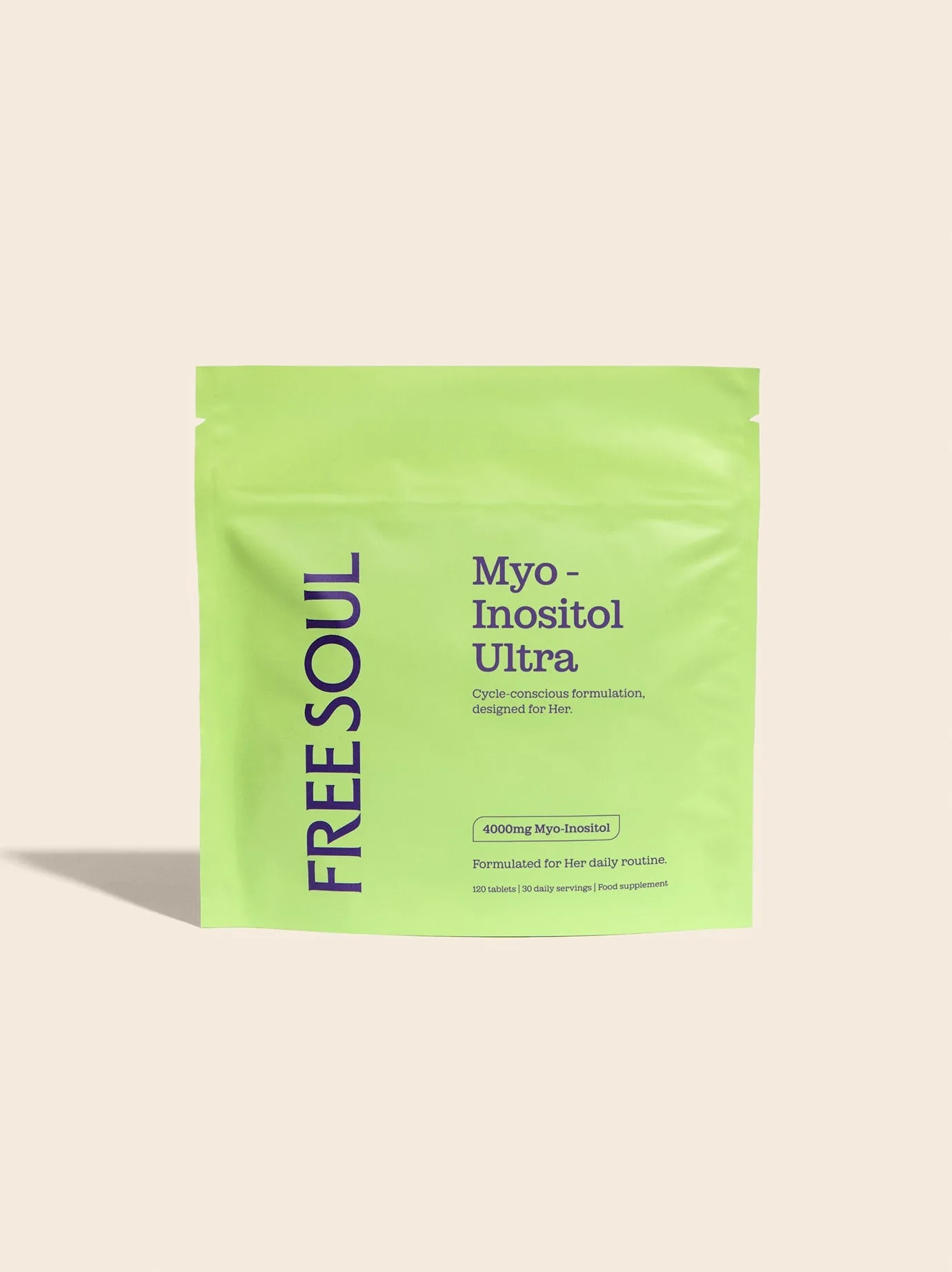
- Myo-Inositol Ultra Supplement: Free Soul’s Myo-Inositol Ultra blends Myo-Inositol with Folate, Chromium, and Maca, and is made in the UK with gluten-free and GMO-free ingredients. This label lists several active ingredients with known roles in hormone balance and vitality. Verify that the myo-inositol dose is in the studied range (often 2–4 grams per day) and that folate is in its active form.
Is This Approach Right for You?
Best for
- Women in perimenopause who want to make informed choices and avoid marketing hype.
- Those willing to read labels and compare ingredient forms and doses.
- Anyone looking for a practical checklist before buying a perimenopause supplement.
Not for
- Women who want a quick fix without checking ingredients or doses.
- Those who prefer to rely solely on a doctor's prescription without self-education.
- Anyone looking for a single 'best' supplement without considering their unique symptom profile.