Quick answer
Choose a play therapy dollhouse that is open-sided or has wide front access, stands at least 20 inches tall, and is made of solid wood or sturdy molded plastic. Prioritize a set that includes a family of figures and a starter set of furniture, then add accessories slowly based on what children actually use. If you need a portable option for multiple rooms, a smaller scale dollhouse with a carry handle works better than a large fixed unit.
Scale and size: match the dollhouse to your space and the child's age
A dollhouse for child therapy needs to fit both the room and the child. For children ages 3 to 6, a larger scale (1:12 or similar) with chunky furniture is easier to manipulate and less frustrating. For ages 7 to 10, a mid-scale set (1:18 to 1:24) offers more detail and fits smaller shelves. Measure your available floor or table space before buying: a dollhouse wider than 30 inches may dominate a small office, while a set under 12 inches tall can feel cramped for two children playing together.
If you run sessions in multiple rooms or visit schools, consider a folding or carrying-case style dollhouse. These trade some realism for portability, but they keep the therapeutic play consistent across settings.
Durability and safety: what survives heavy use
In play therapy, dollhouses get dropped, climbed on, and packed away daily. Look for solid wood construction with rounded edges, or high-density plastic that does not crack. Avoid thin MDF or particleboard with veneer, which chips and can splinter. Check that paint and finishes are water-based and non-toxic, especially for children who mouth objects. Hinges and latches should be recessed or covered so they do not pinch fingers.
If the dollhouse has small parts, verify the age rating. For under-3s, skip any set with removable pieces smaller than a choke tube. For mixed-age groups, store tiny accessories in a locked bin and bring them out only for older children.
Furniture and accessories: less is more for therapeutic play
A play therapy dollhouse furniture set should cover basic rooms: bedroom, bathroom, kitchen, and living area. Beyond that, too many accessories can overwhelm children and make cleanup a battle. Start with one bed, one table with chairs, a sofa, a toilet, and a bathtub. Add a few open-ended items like a small rug, a mirror, or a pet figure. These allow children to project their own stories without being directed by highly specific props.
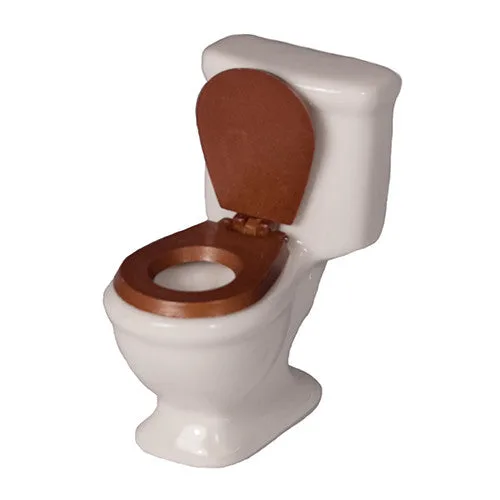
toilet
Rotate accessories every few weeks. When you reintroduce a piece, children often engage with it differently. Keep a small bin of duplicate or worn furniture for children who need to throw or chew items safely.
Open-ended design and cultural fit
Dollhouse therapy sessions rely on projection. A dollhouse that is too stylized or themed (e.g., a specific cartoon castle) can limit a child's ability to tell their own story. Choose neutral colors, simple architecture, and figures that are not pre-labeled as good or bad. If you work with diverse families, look for dollhouse families with varying skin tones and hair textures. Some sets allow you to purchase additional figure packs separately.
Avoid dollhouses with electronic sounds or lights. They distract from verbal and nonverbal expression and often break. Battery-free is better for the therapy room.
Storage and setup: practical rules for busy therapists
A dollhouse that takes 10 minutes to set up will not get used. Choose a model that stays assembled on a low shelf or table, or one that folds flat with furniture stored inside. Label bins with photos of the contents so children can help clean up. If you share a room, use a wheeled base or a lightweight dollhouse you can move to a closet.
For small offices, a wall-mounted dollhouse or a tabletop model with a carrying case is a better fit than a large floor unit. Measure your doorways and storage closet before buying.
Decision rules for choosing a therapy dollhouse
- If you work with children under 6: Choose a large-scale dollhouse (1:12) with chunky furniture and no small parts. It should be open on at least two sides for easy access. Prioritize safety and ease of manipulation over realism.
- If you travel between schools or offices: Pick a folding dollhouse or one with a carrying case. Accept a smaller scale and fewer accessories to gain portability. Portability beats size when you need to set up in different rooms.
- If you have limited storage: Choose a dollhouse that doubles as a storage box, with furniture fitting inside. Avoid open-front models that collect dust and lose pieces. A self-contained set reduces cleanup time and lost accessories.
- If you see children with trauma or anxiety: Select a neutral, open-ended dollhouse with simple furniture and no themed characters. Add soft, bendable figures that can be positioned in many ways. Neutrality supports projection and keeps the play child-led.
Product facts
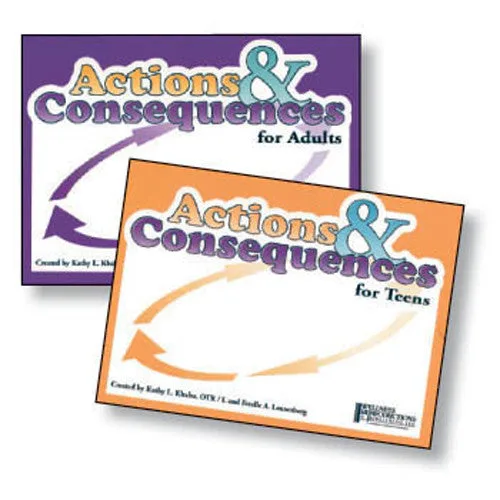
- Actions & Consequences Adult & Teen Version Set: Interactive card game with 75 real-life situation cards that help participants stop, think about options, and consider consequences. Useful for older children and teens in dollhouse therapy sessions to bridge play themes into real-life choices.
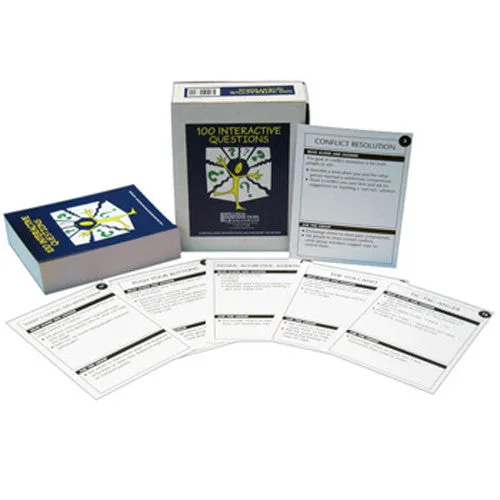
- 100 Interactive Cards for Mental Health, Substance Abuse Recovery, and Survival Skills: 100 interactive cards for mental health, substance abuse recovery, and survival skills, ages 8 to 80, each with a therapeutic concept and question. Can be used alongside dollhouse play to help teens verbalize feelings that emerge during sessions.
Is a therapy dollhouse right for your practice?
Best for
- Therapists working with children ages 3 to 10 in play therapy
- Practitioners who use sand tray or art therapy and want to add a 3D narrative tool
- School counselors who need a portable, durable play option
Not for
- Therapists who only see teens or adults and do not use play-based interventions
- Settings with no secure storage or space for a dollhouse larger than 12 inches
- Clinicians who prefer fully directive, structured activities over open-ended play