Quick answer
For most quilters, the right portable sewing machine is the one that matches your space, your stitch needs, and how often you travel with it. If you mostly piece at a kitchen table or in a small sewing corner, prioritize a machine with a clear stitch selection and a size you can store without dread. If you are a beginner, choose simple controls over a long feature list, then add small pressing and cutting tools that solve the problems a compact machine cannot.
A portable sewing machine sounds like a simple purchase until you compare the options. Some are built for travel, some are built for a permanent spot on a small desk, and some are really beginner machines with a handle. For quilting, the difference matters because you are not just sewing straight seams; you are piecing, pressing, and trimming, often in a space that has to do double duty.
This buying guide walks through the portable sewing machine features that actually affect quilt piecing, then shows where small accessories fill the gaps. The goal is not to find the most powerful machine. It is to find the one you will use often, store easily, and pair with the right tools so your seams stay accurate from the first cut to the final press.
Start with space and storage, not stitch count
The first question is where the machine will live. A quilting machine for small spaces needs to fit your table, leave room for fabric to the left and behind the needle, and still be easy to put away. Measure your table depth and the space behind the machine before you shop. If you have to clear a dining table every time you sew, a lighter machine with a handle and a case will get used more than a heavier one that stays in the closet.
Stitch count comes second. For piecing quilt tops, straight stitch quality and consistent speed matter more than having dozens of decorative stitches. A machine with 12 stitches covers straight seams, zigzag, and basic utility work, which is plenty for most quilt piecing and simple finishing. If you also plan to appliqué or mend, check that the stitch selection is easy to read and change without a manual.
- Measure your table depth and the clearance behind the machine before buying.
- Choose a machine you can lift and store without help if your sewing space is temporary.
- For piecing, prioritize a reliable straight stitch over a long decorative stitch list.
Check the features that affect quilt piecing
A portable sewing machine for beginners should make the basics obvious. Look for a clear guide or markings for seam allowance, a presser foot that lets you see the needle, and a speed you can control. Variable speed matters more than top speed when you are guiding bulky quilt sections. If the machine has a free arm, it can help with cuffs and small curved projects, but it is not essential for flat quilt piecing.
Needle position and lighting are easy to overlook. Being able to see the needle area reduces eye strain and helps you stop exactly where you want. A built-in light is common, but check that it actually illuminates the fabric under the needle, not just the machine bed. If you wear glasses or sew in the evening, this is a real usability feature, not a luxury.
- Test the speed control at slow settings, where most quilt piecing happens.
- Look for a seam allowance guide or the ability to add one.
- Check the light and needle visibility in a dim room if you sew at night.
Decide how portable you really need it to be
Portable can mean two different things: easy to move from room to room, or easy to take to a class or retreat. If you only move it between a closet and a table, weight is less important than a flat bottom and a stable foot. If you travel, weight, handle balance, and whether the machine has a hard case or a sturdy bag become deciding factors. A machine that is awkward to carry will stay home.
Also think about power. A machine that runs on a standard outlet is the simplest choice for home and classroom use. If you plan to sew where power is limited, that is a different category of machine, and you should confirm the power source before buying. Do not assume a portable machine is battery powered; many are not.
- Weigh the machine with its case if you plan to carry it regularly.
- Confirm the power source for classes, retreats, or outdoor sewing.
- A stable foot and flat base matter more than a fancy carry handle for tabletop use.
Pair the machine with tools that solve its limits
No portable machine presses seams or cuts fabric, and those steps decide how flat your quilt lies. A hand-sized mini iron reaches into tight patchwork and appliqué areas where a full iron is clumsy. A slotted cutting ruler helps you cut strips and squares accurately, which matters more on a small machine because you have less room to correct a bad cut. These are not upgrades to the machine; they are the rest of the quilting process.
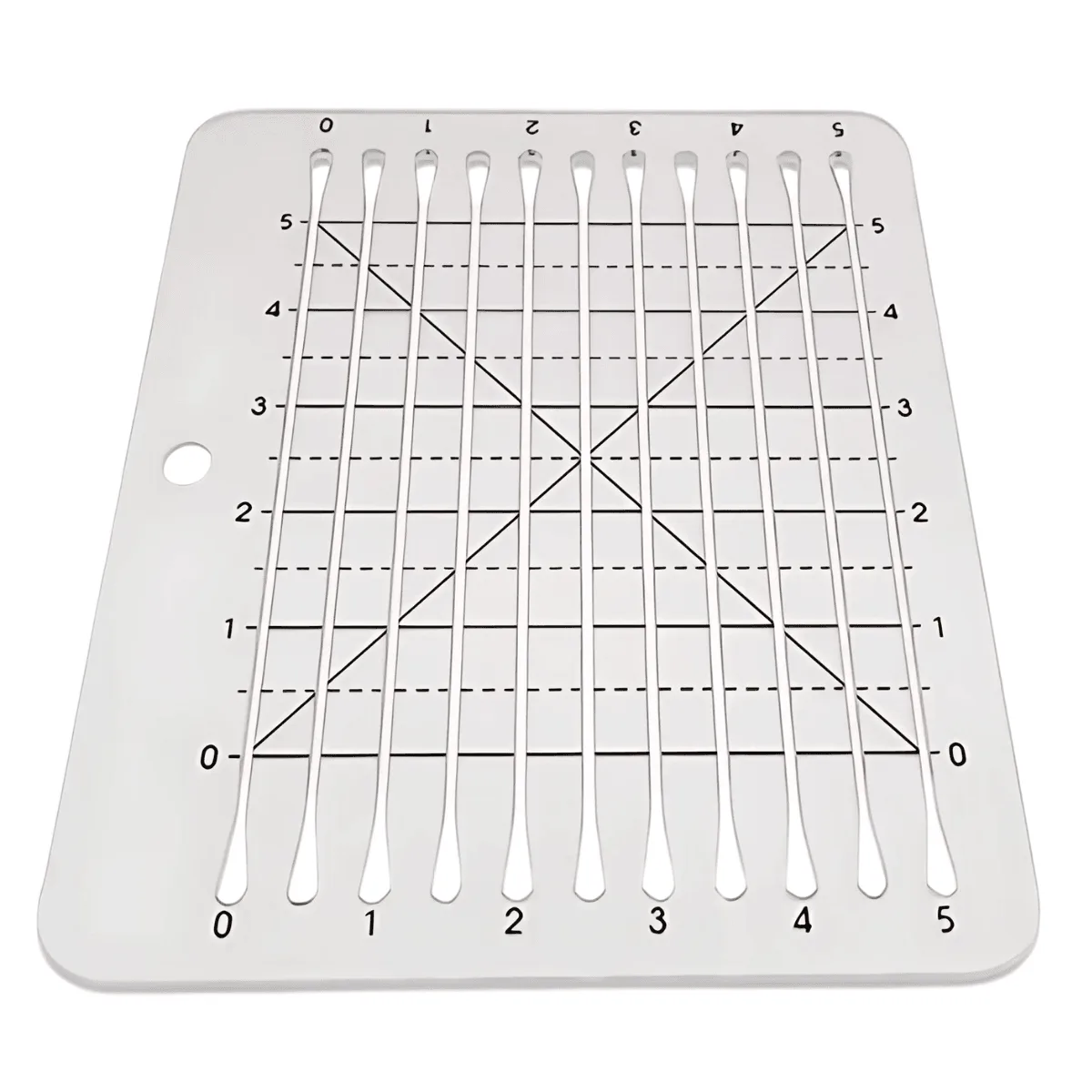
slotted cutting ruler
Batting and pressing protection are the other half of the equation. A mid-loft cotton batting gives a soft, fluffy finish with good drape, and it behaves predictably with a home machine. A protective mesh ironing cloth lets you press delicate fabrics, including polyester and rayon, at full steam without shine or damage. Together, these small items make a modest portable setup feel much more capable.
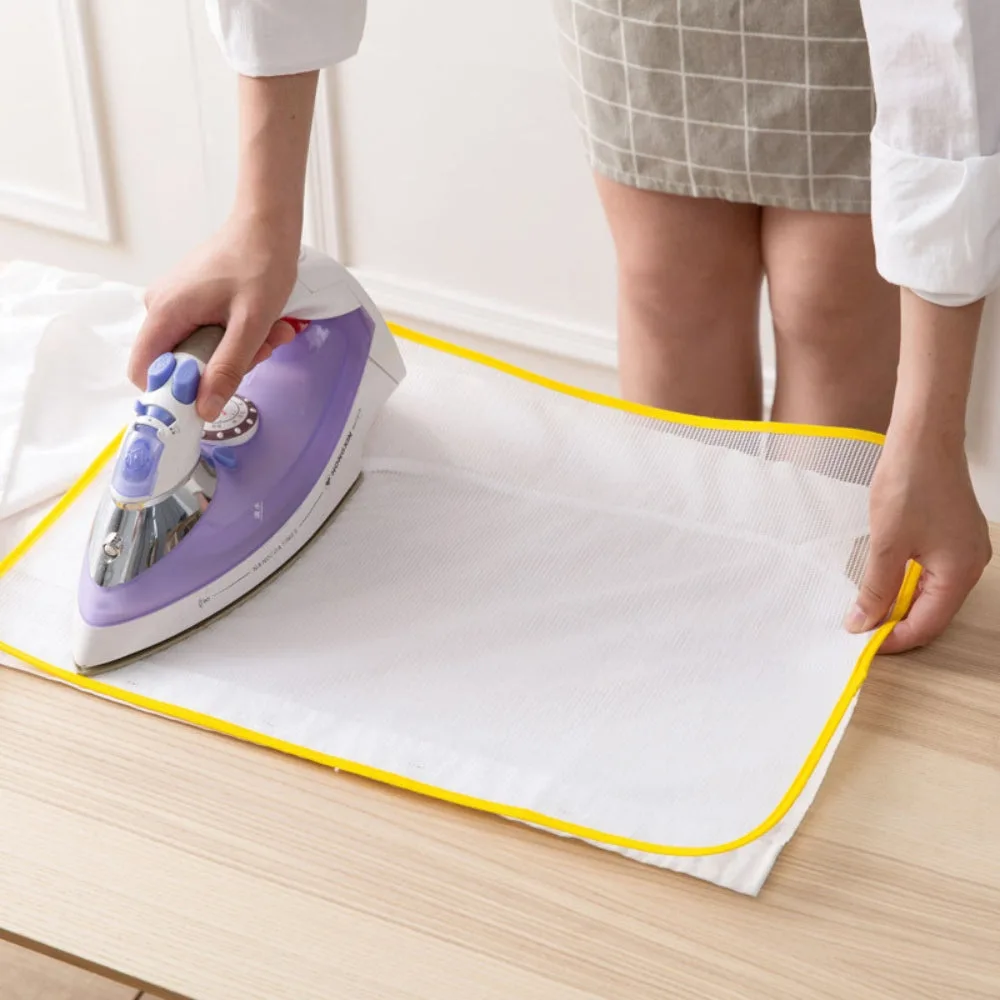
protective mesh ironing cloth
- Keep a mini iron near the machine so you press as you piece.
- Use a slotted ruler for strip cutting to reduce trimming later.
- Match batting loft to the look you want before you quilt.
Decision rules for choosing a portable sewing machine
- If you sew at a kitchen table and put everything away after: Choose the lightest machine with a straight stitch you can rely on, and keep a multi-function kit packed with it so setup takes minutes. Storage speed decides whether the machine gets used weekly or monthly.
- If you are a beginner buying your first quilting machine: Pick a machine with simple, visible stitch selection and a speed you can slow down. Add a slotted ruler and mini iron before you buy a second machine. Accuracy comes from cutting and pressing, not from extra stitches.
- If you travel to classes or retreats: Weigh the machine with its case and confirm it runs on standard power. A 12-stitch machine with a stable base is easier to carry than a heavy multi-feature model. Portability is a carry-weight decision, not a marketing label.
- If your space is genuinely tiny: Measure the table and the clearance behind the needle. Use a mini iron and a mesh pressing cloth to handle finishing steps without a full-size ironing board. Small tools let a small machine finish a full quilt.
Portable sewing machine features and tools worth knowing
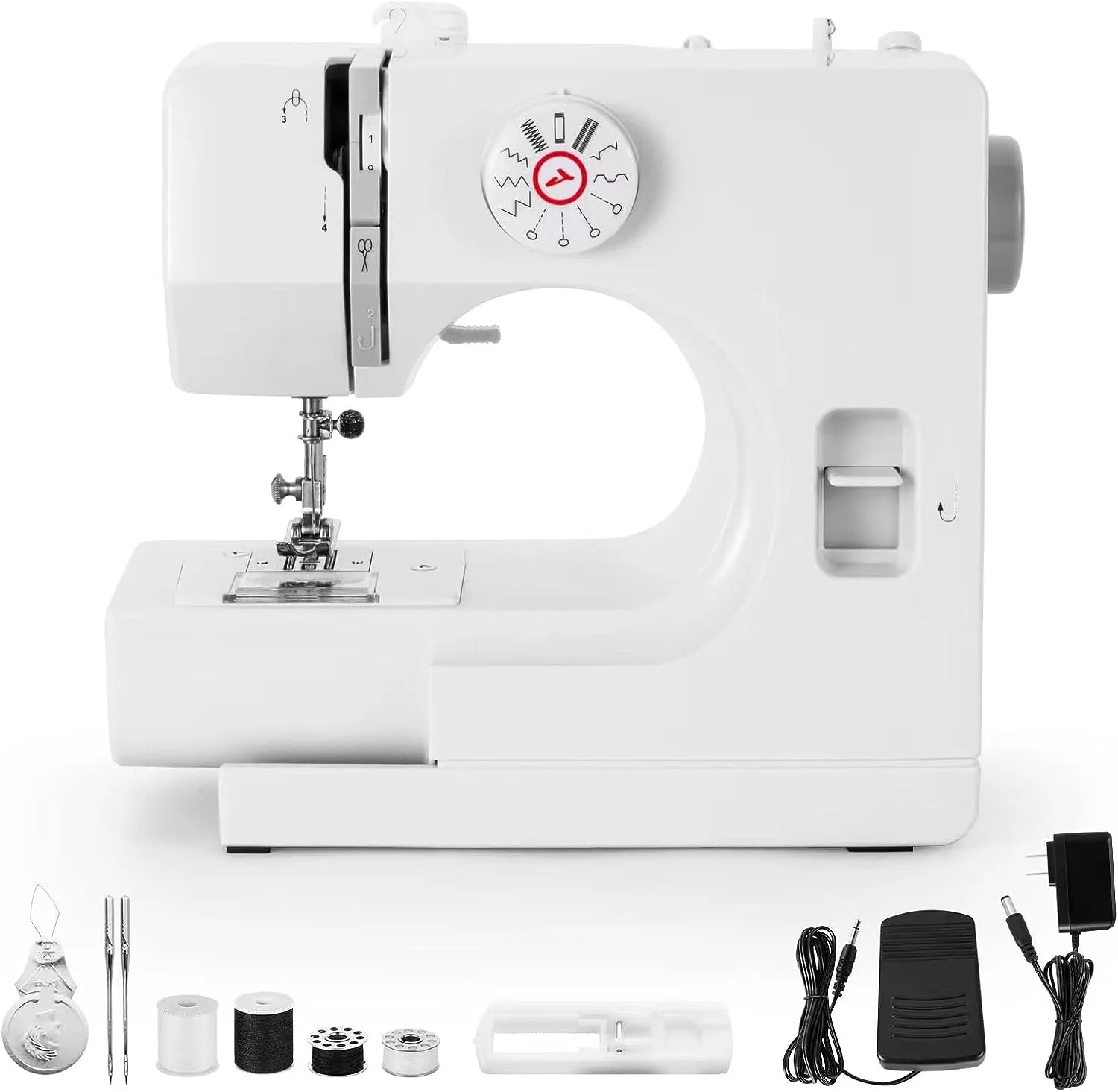
- Portable Electric 12-Stitch Sewing Machine: The Portable Electric 12-Stitch Sewing Machine is designed for quilting and detailed sewing with 12 stitch options. Twelve stitches cover straight piecing, zigzag, and basic utility work, which is enough for most quilt tops without a confusing menu.
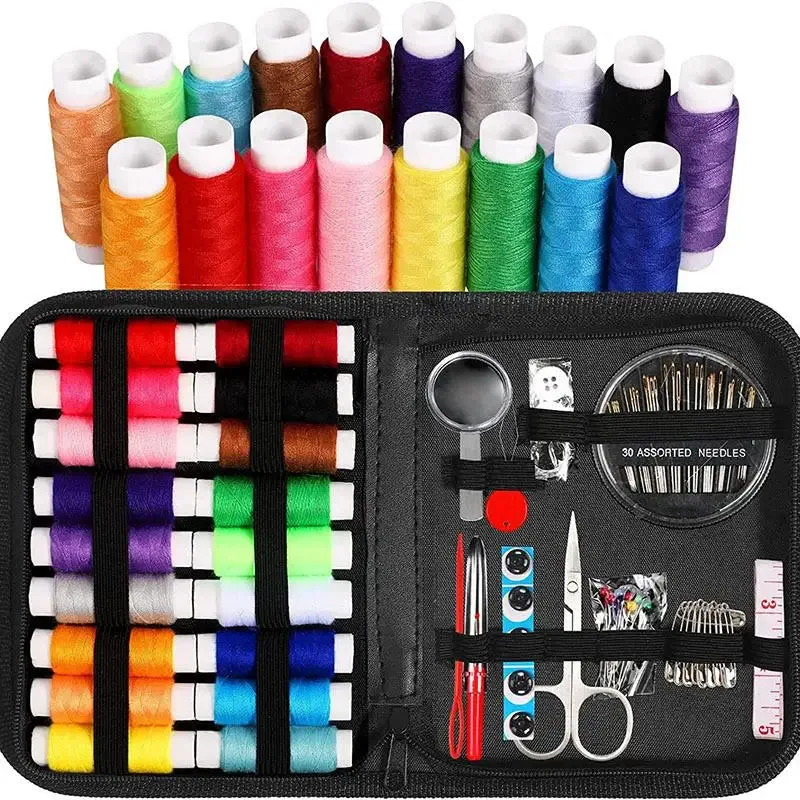
- Multi-Function Sewing Kit: The Multi-Function Sewing Kit organizes 86 essential tools in one kit. A single kit reduces the search for scissors, pins, and needles, which keeps a small sewing space calm and ready.
- Quilter's Mini Iron - Perfect for patchwork & pressing seams: The Quilter's Mini Iron is 7.5 inches long and fits into tight corners and blocks for patchwork and appliqué pressing. A compact iron presses seams as you piece, which improves accuracy more than any machine feature when you are working in a small space.
- Slotted Cutting Ruler: The Slotted Cutting Ruler has clear markings and open slots that guide a pencil or rotary cutter for straight, accurate cuts. Accurate cutting reduces the trimming and fudging you have to do at the machine, which matters when your sewing area is limited.
Who this portable setup fits
Best for
- Quilters who piece at a table and need to store the machine between sessions
- Beginners who want simple controls and a clear path to accurate seams
- Small-space sewists who press and cut near the machine
- Travelers who need a light machine for classes and retreats
Not for
- Quilters who need a long-arm quilting frame or large throat space for full quilt quilting
- Sewists who rely on dozens of decorative stitches or embroidery functions
- Anyone who needs a battery-powered machine without confirming the power source
A portable sewing machine works best when it matches your space and your routine, not when it has the longest feature list. Start with straight-stitch reliability, easy storage, and simple controls, then add a mini iron, a slotted ruler, and a protective pressing cloth to handle the steps a compact machine cannot. That combination keeps your piecing accurate and your setup ready for the next quilt.