Quick answer
Pack in this order: confirm what the venue supplies, then your machine and its accessories, then fabric cut for one or two planned projects, then thread and notions, then personal gear. The single most common retreat mistake is packing three unfinished projects and no backup plan for a machine problem. Decide your project list before you pack anything else.
Confirm the venue before you pack a single item
Retreat centers differ more than most quilters expect. Some provide irons, large cutting tables, design walls, and even machines; others provide only a room and a power strip. Ask directly about three things: whether irons and cutting mats are supplied, whether there is a shared design wall, and how much table space each quilter gets. That answer changes what you carry.
Also ask about lighting and outlet placement. If your station is far from an outlet, a short extension cord and a power strip solve a problem you cannot fix after arrival. Confirm meals and whether the room has a kitchenette, because that determines whether you pack food or not.
Choose your projects before you choose your fabric
A quilting escape weekend usually gives you two full sewing days plus travel time. In practice that is enough for one project with real piecing and one small project as a break. Packing more fabric than that adds weight and decision fatigue, and most quilters never touch the third project.
Cut as much as you can at home. Pre-cutting borders, binding strips, and background pieces means your retreat time goes to sewing rather than rotary cutting in an unfamiliar setup.
Pack thread and notions for the projects you actually brought
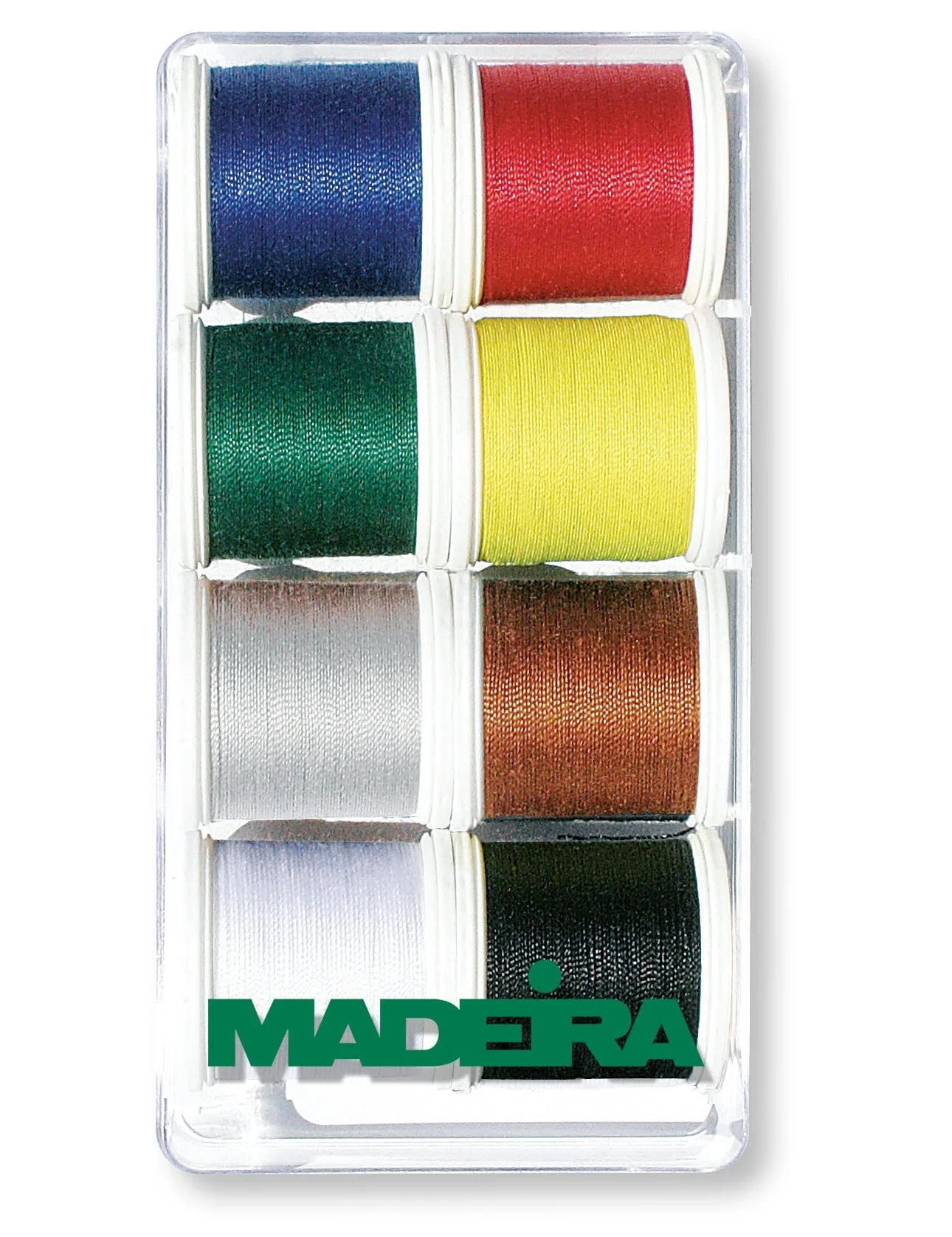
Match thread to the work, not to the shelf. Piecing thread, quilting thread, and any heavy-duty thread for bags or canvas projects are different jobs, and a retreat is a poor time to discover you brought only one weight. If your project includes a tote, a zippered pouch, or a jacket with decorative topstitching, plan for a stronger thread than your standard piecing spool.
Notions travel best in a single pouch you can carry to a shared cutting station: extra bobbins wound in your project colors, a seam ripper, snips, pins or clips, a marking tool, and a small ruler. Label the pouch so it comes home with you.
Handle hand comfort and machine control before you leave
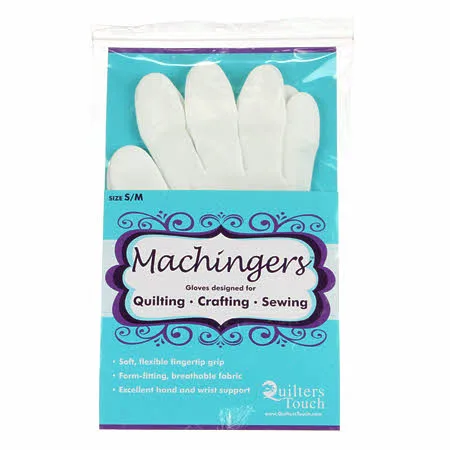
Long sewing days are the point of a retreat, and they are also when hand and shoulder fatigue shows up. Machine quilting gloves are a small item that changes how long you can comfortably work, because the fingertip grip reduces drag on the fabric and you can adjust fabric, change thread, or pull a pin without removing them.
If you have never sewn with quilting gloves, break them in for an hour at home first. A retreat is not the place to test new hand gear on a deadline project.
Plan the backing and finishing work you cannot do at home
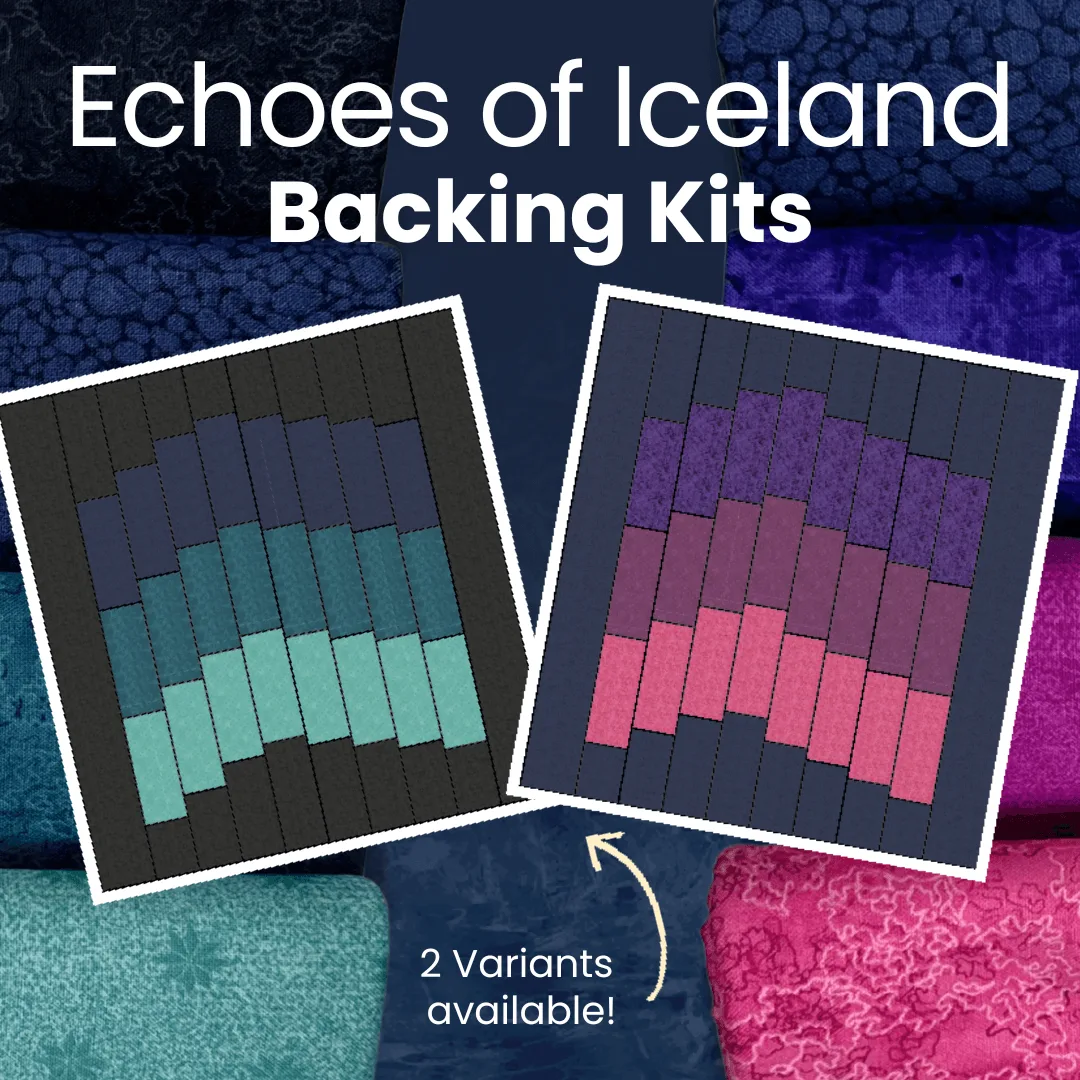
Backing is the item quilters most often leave behind, and it is also the bulkiest. If your retreat project has a designed back, pack the full backing kit rather than improvising yardage on site. Knowing the backing is complete means you can pin-baste or load a frame without a trip to a shop.
Check the venue's rules on floor space and tables before you plan to baste there. Some retreats have dedicated basting areas; others do not.
Your eight-step retreat packing sequence
- Confirm what the venue supplies: Ask about irons, cutting mats, design walls, table space, outlets, and meals before you pack anything. Checkpoint: if the answer is vague, pack your own iron and a power strip.
- Choose one main project and one small project: Two days of sewing realistically covers one substantial project plus a small break project. Leave the third at home. Common mistake: packing four projects and finishing none.
- Pre-cut fabric and binding at home: Cut borders, background pieces, and binding strips before you go so retreat time goes to the machine. Checkpoint: label each project's pieces in its own bag.
- Match thread to each project: Bring piecing thread, quilting thread, and any heavier thread your project needs, plus bobbins wound in your project colors. Common mistake: one spool for everything.
- Pack a single notions pouch: Seam ripper, snips, pins or clips, marking tool, small ruler, and spare needles in one labeled pouch. Checkpoint: it should fit in one hand for shared cutting stations.
- Break in your quilting gloves before the trip: Sew for an hour at home with your machine quilting gloves so the grip feels natural on retreat. Common mistake: testing new hand gear on a deadline project.
- Pack the backing and any finishing kit: Bring the complete backing for designed backs rather than planning to buy yardage on site. Checkpoint: confirm the venue allows floor or table space for basting.
Gear that earns its space in the bag
- Aerofil 35 Extra Strong - Assortment Box, 100 Meter spools, 8 Solid Colors: Aerofil No. 35 is an extra-strong, 25-weight polyester quilting and sewing thread, sold here as an assortment box of eight 100-meter spools in solid colors. One box covers several projects in different colors and handles heavy woven fabrics, leather, and canvas, so you are not packing multiple specialty spools.
- Machingers S/M - Machine quilting gloves 0209G-S: Machingers quilting gloves in small/medium have a soft, flexible fingertip grip designed for machine quilters, and they let you change thread, adjust fabric, or remove pins without taking the gloves off. Fewer stops and less drag means longer comfortable sewing sessions, which is exactly what a retreat weekend is for.
- Echoes of Iceland Quilt Backing Kit: The Echoes of Iceland Quilt Backing Kit includes all the backing fabric needed for the exclusive Aurora design on the back of the quilt, using the Heima Collection by Gudrun for Andover Fabrics, with a choice of two variants. Packing the complete backing kit removes the risk of arriving short on yardage for a designed back.