Quick answer
For cold-weather hunting, wear a moisture-wicking base layer, a breathable insulating mid layer, and a weather-resistant outer layer that you can vent or remove. Add or shed the mid layer as your activity level changes, and choose a vest when your arms need freedom. The goal is to stay warm without overheating before you ever take a shot.
Start with the layer that touches your skin
Your base layer manages sweat, not warmth. Choose a synthetic or merino fabric that pulls moisture away from your body. Cotton holds water and gets cold against your skin, so leave the everyday t-shirt at home. Fit should be close but not restrictive, because gaps and folds create cold spots.
Add insulation you can remove without stopping
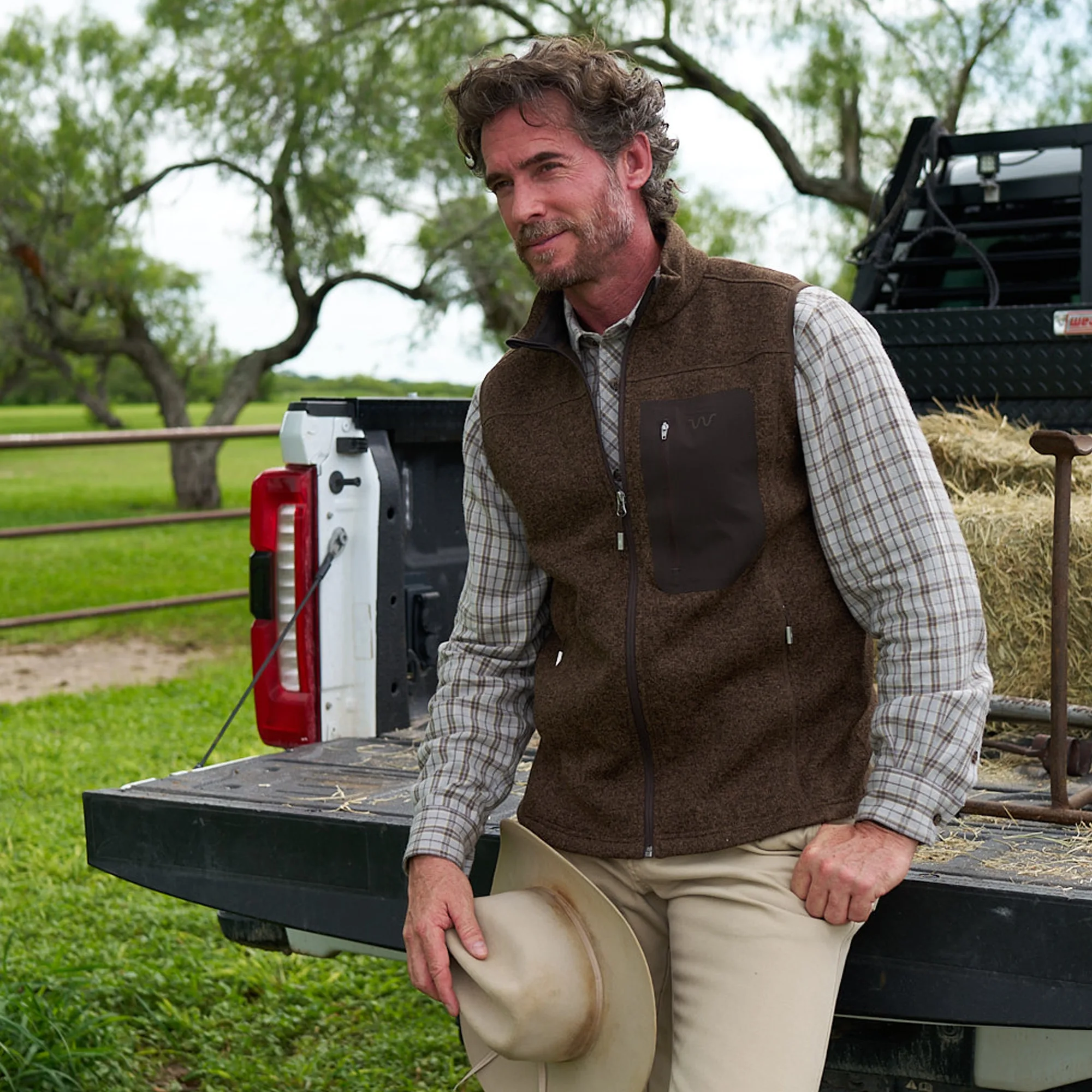
The mid layer traps heat, so pick one that matches your activity. If you walk to your stand, a lighter fleece works better than a heavy puffy jacket that makes you sweat. Look for pieces that open or zip at the neck so you can dump heat quickly. Bonded fleece, like the material in the Men's Calandria Game Fleece Vest, balances warmth with enough breathability for active mornings.
Choose an outer layer for the weather you actually expect
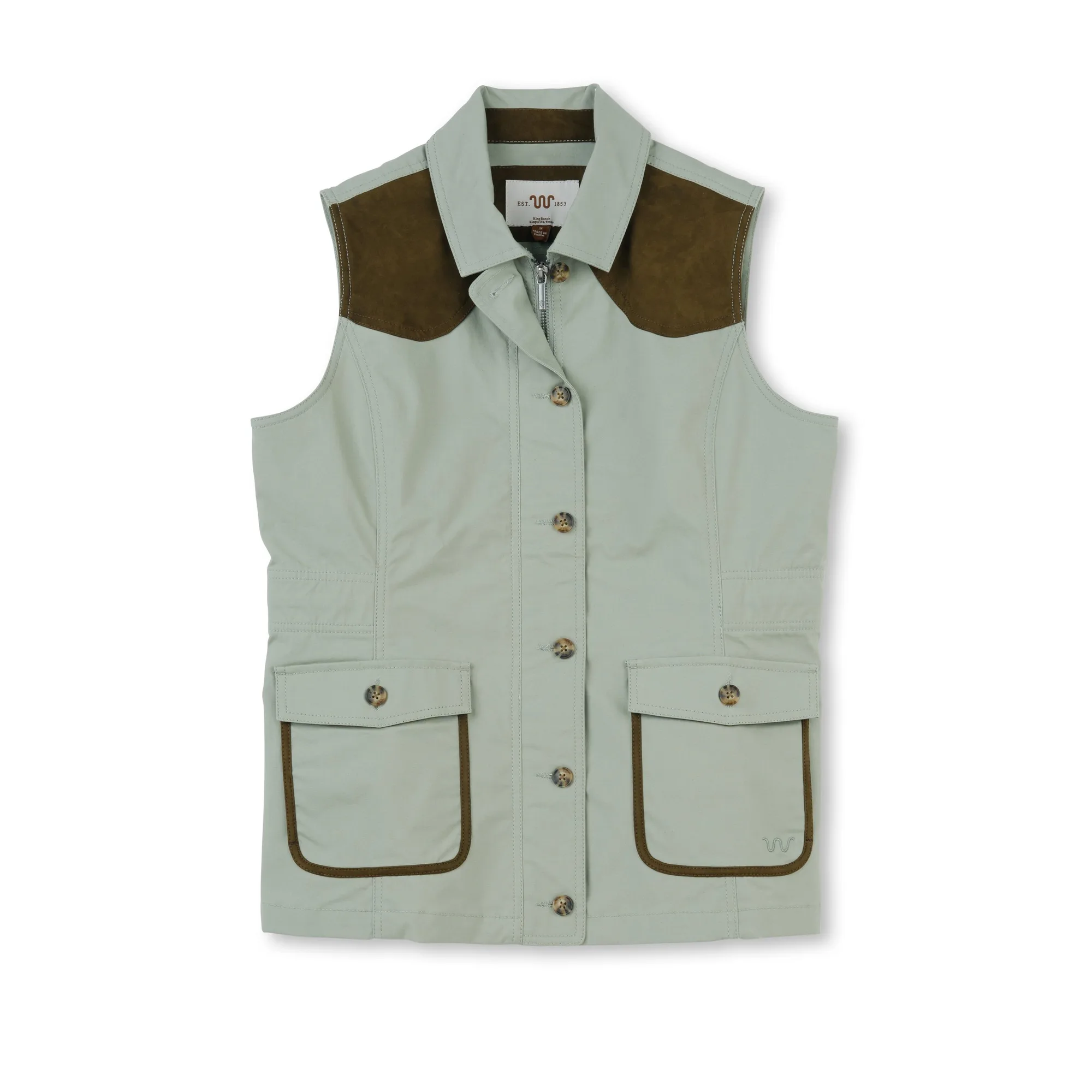
Wind and wet change everything. A water-resistant shell with a durable water repellent finish blocks light rain and cuts wind, while still letting some vapor escape. If you expect heavy rain, a fully waterproof shell is the safer pick. The Women's Waxed Cotton Field Vest uses a water-resistant shell with a microfleece interior and a thermoplastic layer to help prevent leaks, which suits mixed field conditions.
Match your vest to the job
Vests keep your core warm while your arms stay free for shooting, glassing, or working. That makes them a strong choice for active hunting and for days when a full jacket would be too much. If you run cold or sit still for long periods, a vest alone may not be enough, so carry a packable jacket as backup.
Layering steps for a cold hunt
- 1. Check the forecast and your activity level: Match your layers to temperature, wind, and how much you will move. Sitting in a stand needs more insulation than still-hunting. Mistake to avoid: dressing for the walk instead of the sit, or the other way around.
- 2. Put on a moisture-wicking base layer: Choose synthetic or merino next to skin. Keep it fitted so it can move sweat away instead of pooling. Checkpoint: no cotton against your skin.
- 3. Add a breathable insulating mid layer: Pick fleece or light insulation that you can zip open or take off without removing your outer layer. Mistake to avoid: a mid layer so warm you sweat on the way in.
- 4. Add a weather-resistant outer layer: Use a shell or field vest with a DWR finish for wind and light rain. Size it to fit over your mid layer without compressing it. Checkpoint: you can raise your arms and draw a bow or shoulder a rifle without restriction.
- 5. Adjust as you go: Vent or remove the mid layer before you overheat. Add it back when you stop moving and start to cool. Mistake to avoid: waiting until you are soaked with sweat to adjust.
Field-ready pieces that fit the system
- Men's Calandria Game Fleece Vest: Named for a Camp House on Norias, this bonded fleece vest honors the working lands and the cowboy crews who used those remote headquarters. A fleece vest adds core warmth without bulk, so you can layer it under a shell or wear it alone on active hunts.
- Women's Waxed Cotton Field Vest: This women's field vest has a water-resistant shell, microfleece interior, and a thermoplastic layer to help prevent water leaks. It works as a lightweight, water-resistant outer layer for hunting and everyday wear across seasons.