Quick answer
Treat wheat straw modeling dough like a reusable toy: play on a wipeable mat, seal it in an airtight container after every session, and clean tools and surfaces with warm water before the dough dries. The 24-color wheat straw modeling dough set is non-stick and flexible, so most mess lifts off a smooth surface with a damp cloth rather than scrubbing.
Set up a dough station before anyone opens a tub
A silicone mat or a smooth, non-porous table gives dough nothing to grip. Skip fabric tablecloths and unfinished wood, where dough presses into the grain and is hard to lift out. Keep a damp cloth and a small bowl of warm water at the edge of the mat so cleanup starts the moment play ends.
Pull out only the colors in use. A 24-color set invites children to open every tub at once, and dough left uncovered on a mat starts to firm up within a session. A shallow tray or rimmed baking sheet keeps loose pieces contained and makes it easy to tip leftovers back into the right tub.
Choose play ideas that match the child's age and grip
Toddlers get the most from squeezing, rolling snakes, and pressing dough into cookie cutters. Preschoolers can build a whole lunch: flatten a circle for a burger patty, roll small balls for peas, and stack layers. Because this dough is stretchable and resilient, it holds a shape after a press instead of collapsing, which keeps frustration low.
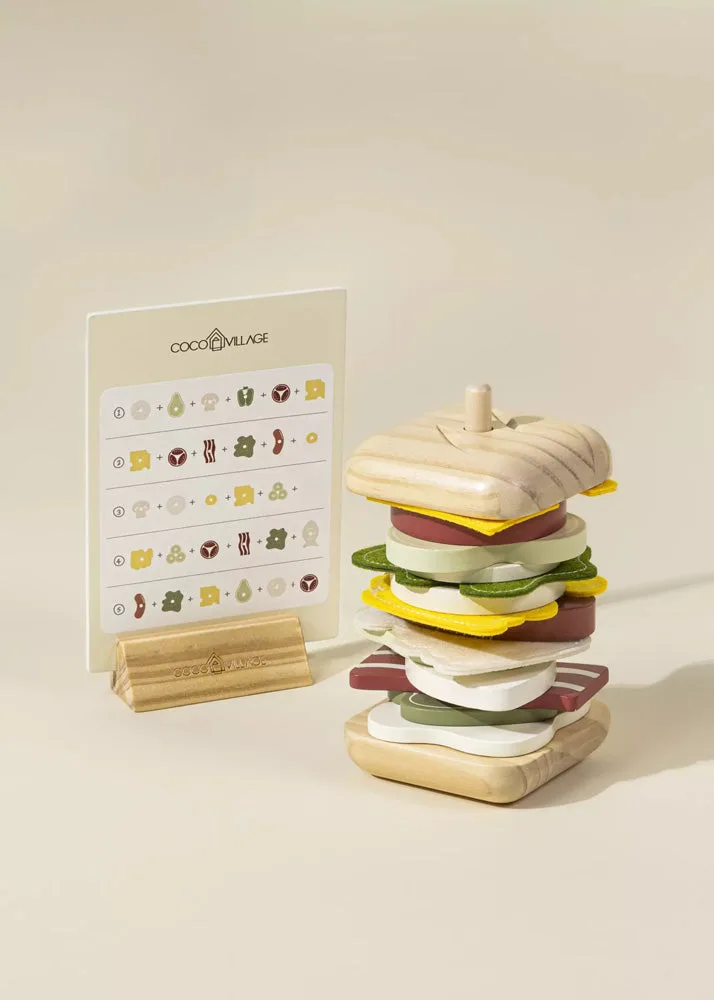
Add one prop at a time. A plastic knife, a fork, and a rolling pin cover most play, and fewer tools mean less to wash. If you want a structured activity, ask the child to make a sandwich and then copy it with a second color combination, which turns sensory dough activities into a matching game.
Keep colors from turning into one gray ball
Sort by color as you play, not at the end. Once two colors are kneaded together, they stay blended, so give each color its own corner of the tray and return pieces to their tub before opening the next one. If a child wants to mix on purpose, hand over two small pinched-off pieces instead of two full tubs.
Wash hands between colors when switching from dark to light. Dark dough leaves a film on warm hands that transfers to pale colors, and a quick rinse is faster than trying to pick specks out later. Keep a dry towel nearby so wet hands do not make the dough sticky.
Store dough so it stays soft between sessions
Seal each color in its own lidded tub and press the lid down until it clicks. Air is what dries dough out, so a half-closed lid overnight is the most common reason a tub turns crumbly. Store tubs at room temperature, away from radiators, sunny windowsills, and the fridge, where condensation makes dough tacky.
If a piece feels dry at the start of the next session, knead in a few drops of water rather than soaking it. Add water a drop at a time and work it through; too much turns the dough sticky and it will need a light dusting of flour or a few minutes of air to recover.
Clean up in the right order
Scrape first, wash second. Lift large pieces off the mat with a plastic scraper or the edge of a spoon, then wipe the surface with a warm damp cloth. Crumbs that go down the drain can clog a sink, so tip them into the trash instead. Wash tools in warm water with a little dish soap and let them air-dry before the next session.
Check the floor and chair legs for dropped pieces before they are walked on. Dough pressed into carpet comes up best when it is still soft: let it dry completely, then loosen it with a stiff brush rather than rubbing it deeper into the fibers.
Five-step dough routine, start to finish
- 1. Lay down a smooth surface: Set out a silicone mat or use a smooth table, plus a damp cloth and a shallow tray for loose pieces. Mistake to avoid: playing on fabric or unfinished wood, where dough presses into the surface and is hard to remove.
- 2. Open only the colors in play: Start with two or three colors and keep the rest sealed. Return pieces to their own tub before opening the next color. Checkpoint: if colors are already blending, pinch off small pieces for mixing instead of sacrificing full tubs.
- 3. Play, then reseal: Roll, press, and build for one session, then press each lid down until it clicks before putting tubs away. Mistake to avoid: leaving tubs open on the mat while children move on to another toy.
- 4. Revive dry dough with drops of water: Knead a few drops of water into a dry piece, adding more only if needed. Store at room temperature, away from heat and sun. Checkpoint: sticky dough needs air or a light dusting, not more water.
- 5. Scrape, wipe, and wash: Lift large pieces into the trash, wipe surfaces with a warm damp cloth, and wash tools in warm soapy water. Next step: check the floor and chair legs for dropped dough before it gets walked into carpet.
What this set brings to the table
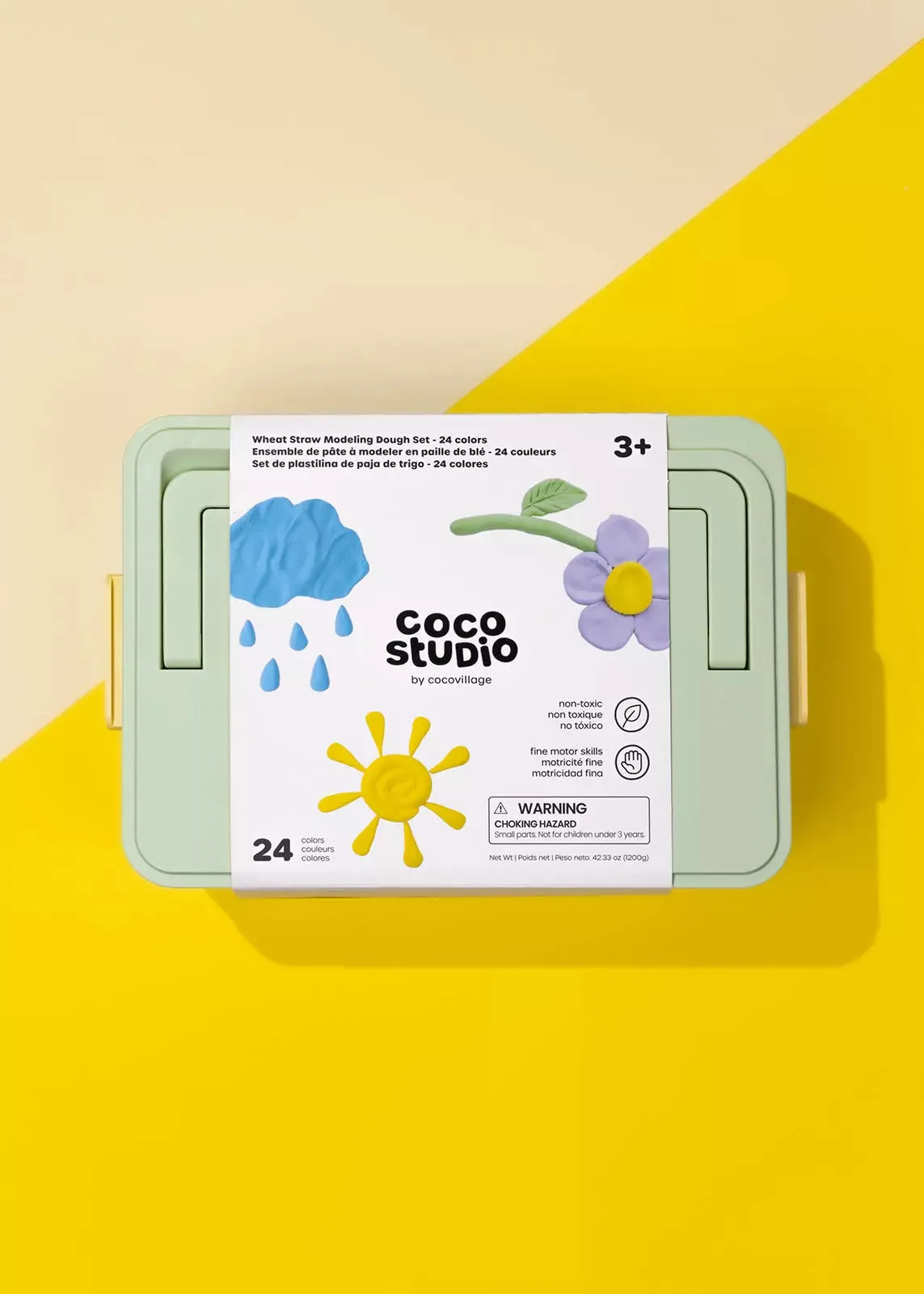
- Wheat Straw Modeling Dough Set - 24 colors: 24-color wheat straw modeling dough set made from eco-friendly materials; the dough is non-stick, flexible, stretchable, soft, and resilient. The non-stick, flexible texture is what makes the wipe-and-store routine above quick, and 24 colors give enough variety for color-sorting play without needing a second kit.
- Wooden Stackable Sandwich: Wooden Stackable Sandwich with an illustrated guide, a wooden base, two ciabatta slices, and toppings including cucumber, tomato, cheese, lettuce, and onion. The illustrated guide turns dough play into a guided build, so children can copy a sandwich design and then recreate it in dough.
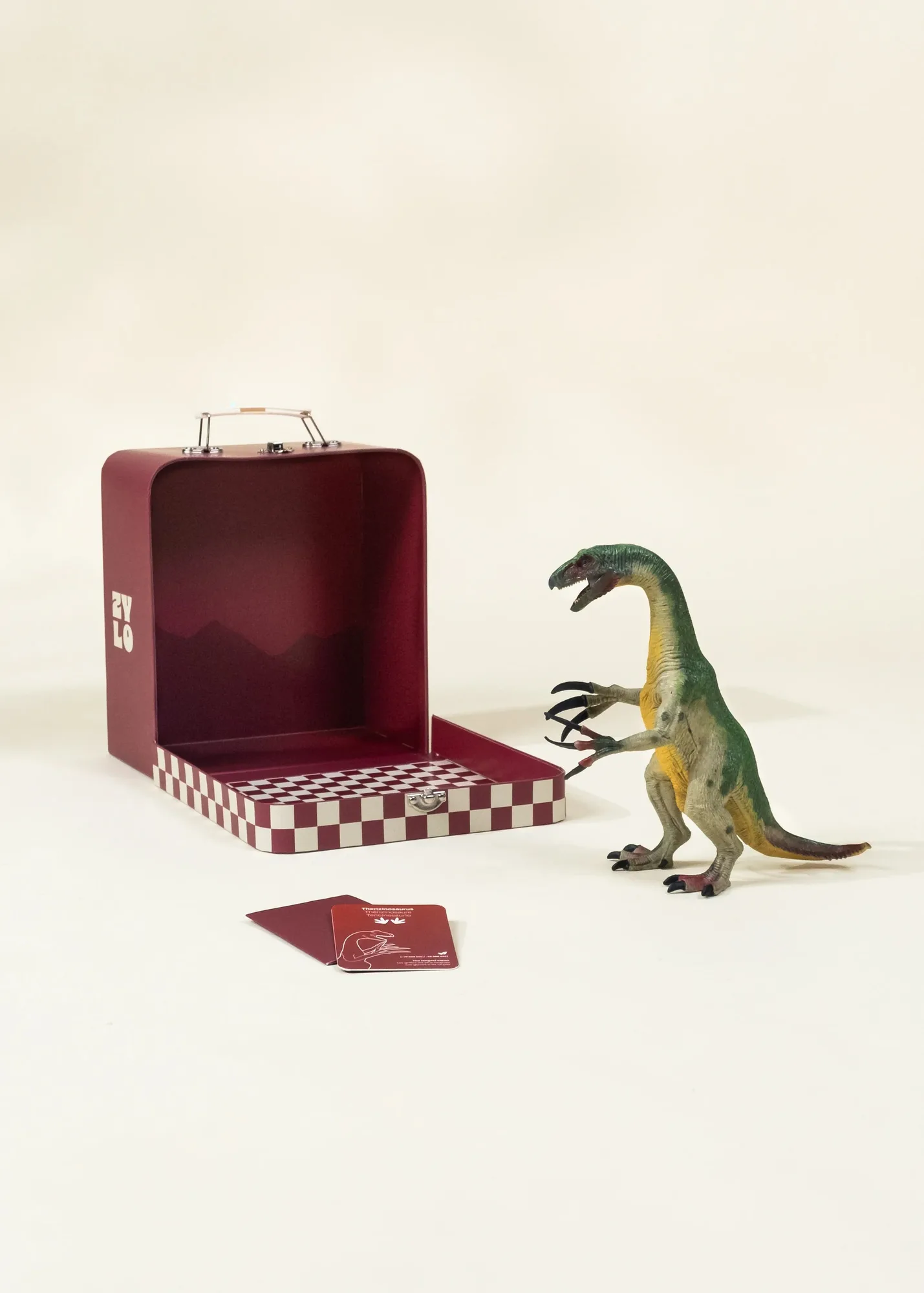
- Therizinosaurus Dinosaur in a Collectible Box: Therizinosaurus dinosaur in a collectible box from the ZYLO series, with a collectible card of fun facts. A small figure gives dough play a story to build around, such as pressing dough into footprints or making a habitat for the dinosaur.