Quick answer
Set up the whelping nest before the dam's due date: choose a quiet, draft-free corner, place a box with low sides and a pig rail, and use a controller to hold the nest floor at 85–90°F for the first week. Keep a thermometer at puppy level and adjust the controller as pups grow. Have breeder whelping supplies ready, including a Puppy spa Station for cleaning and a 12-v DC Solar Circulator Pump if you use floor heating.
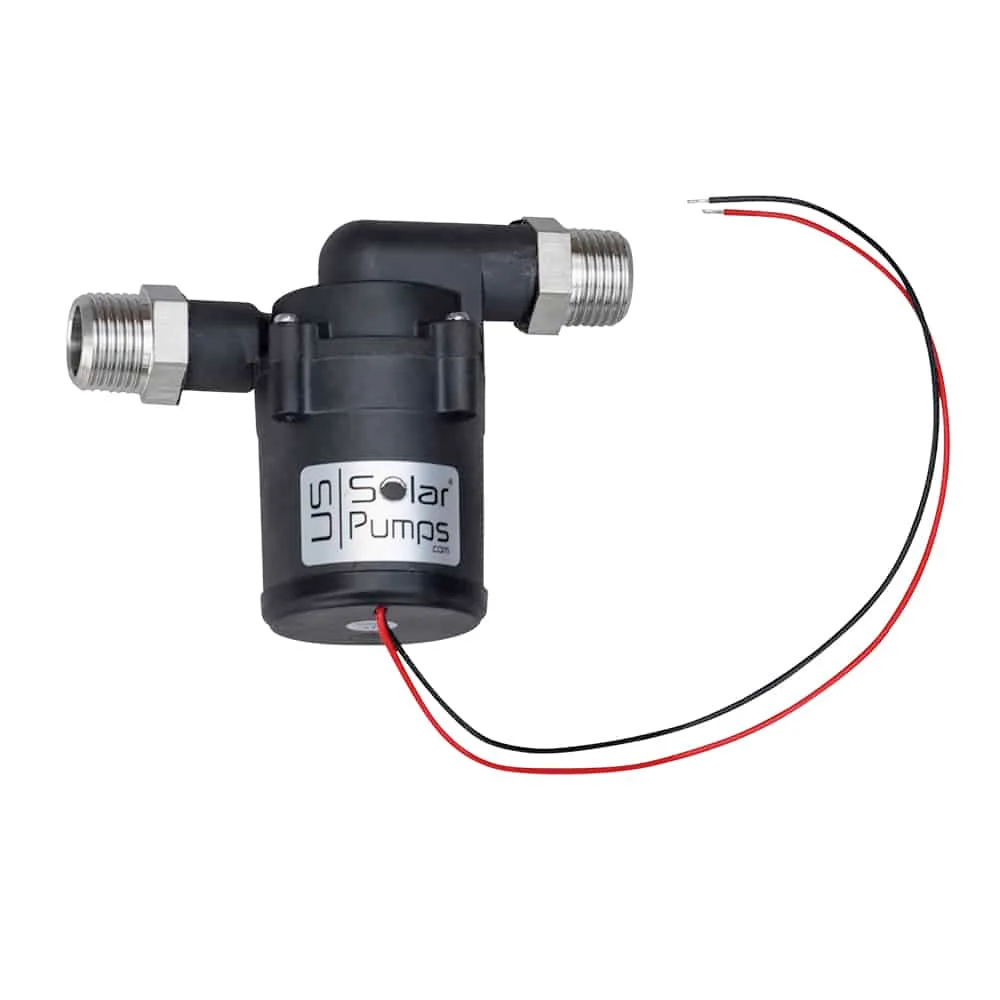
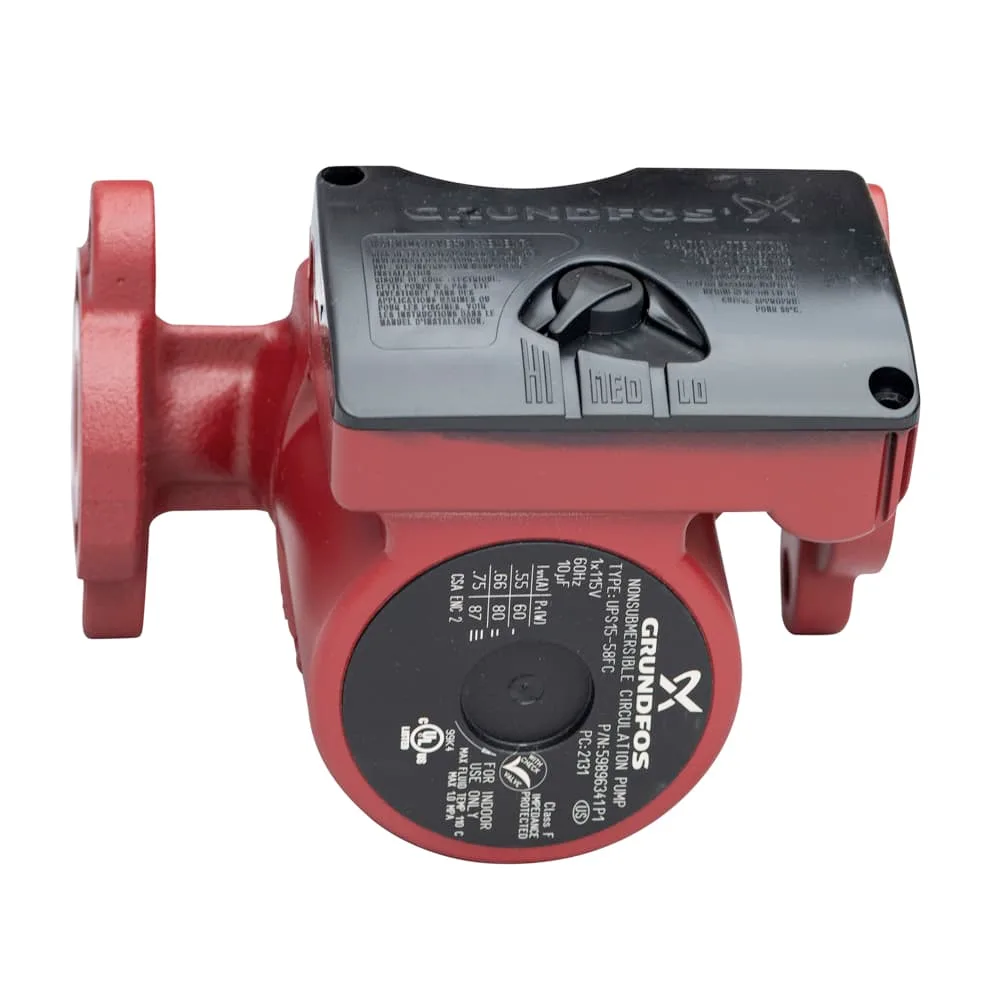
12-v DC Solar Circulator Pump
A whelping nest is more than a box with blankets. It is a controlled microclimate where newborn puppies cannot yet regulate their own body temperature, so every setup decision—placement, bedding, heat source, and cleaning routine—affects survival and comfort in the first critical weeks.
This guide walks through the steps in order, from choosing the spot to dialing in heat and keeping the nest clean. Each step includes a common mistake or checkpoint so you can catch problems before the dam and puppies arrive.
Step 1: Choose and prepare the whelping space
Pick a quiet, draft-free area away from household traffic and other pets. The floor should be easy to disinfect, and you need access to power for heat and lighting. Set up the box at least a week before the due date so the dam can investigate and accept it. A common mistake is placing the nest in a busy room; the dam may refuse to settle or move puppies. Checkpoint: the dam should enter the box voluntarily and lie down without pacing.
- Keep the room temperature stable; sudden drafts are a bigger risk than a slightly cool room.
- Avoid placing the box directly against an exterior wall that gets cold at night.
Step 2: Set up the whelping box and bedding
Use a box with low sides so the dam can step in and out, and add a pig rail—a ledge around the inside—so she cannot accidentally crush a puppy against the wall. Line the floor with absorbent, non-slip bedding. Avoid loose blankets that puppies can burrow under and suffocate. A common mistake is using deep, soft bedding that hides puppies or traps moisture. Checkpoint: press the bedding down; it should stay flat and not bunch up when the dam moves.
- Have at least two sets of bedding so you can swap and wash without leaving the nest bare.
- Keep a laundry bin with a lid near the nest for soiled bedding.
Step 3: Install and test heat control
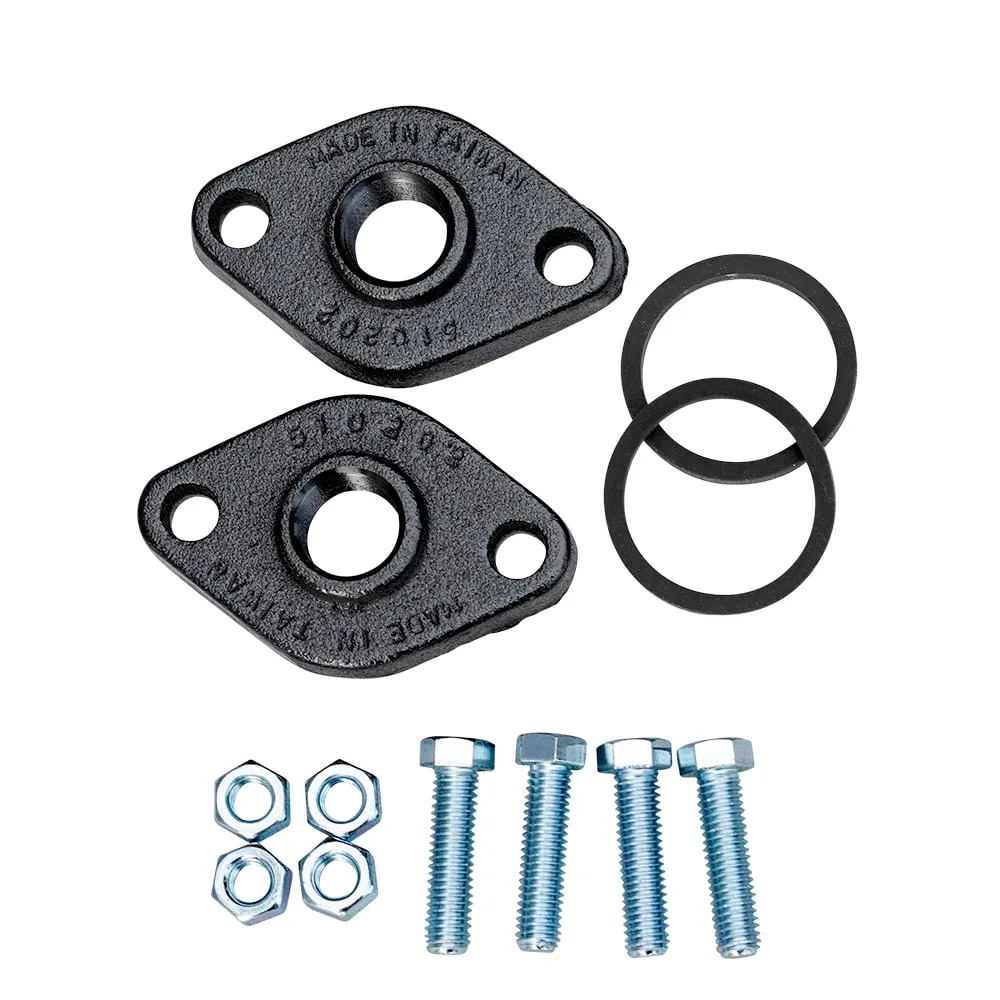
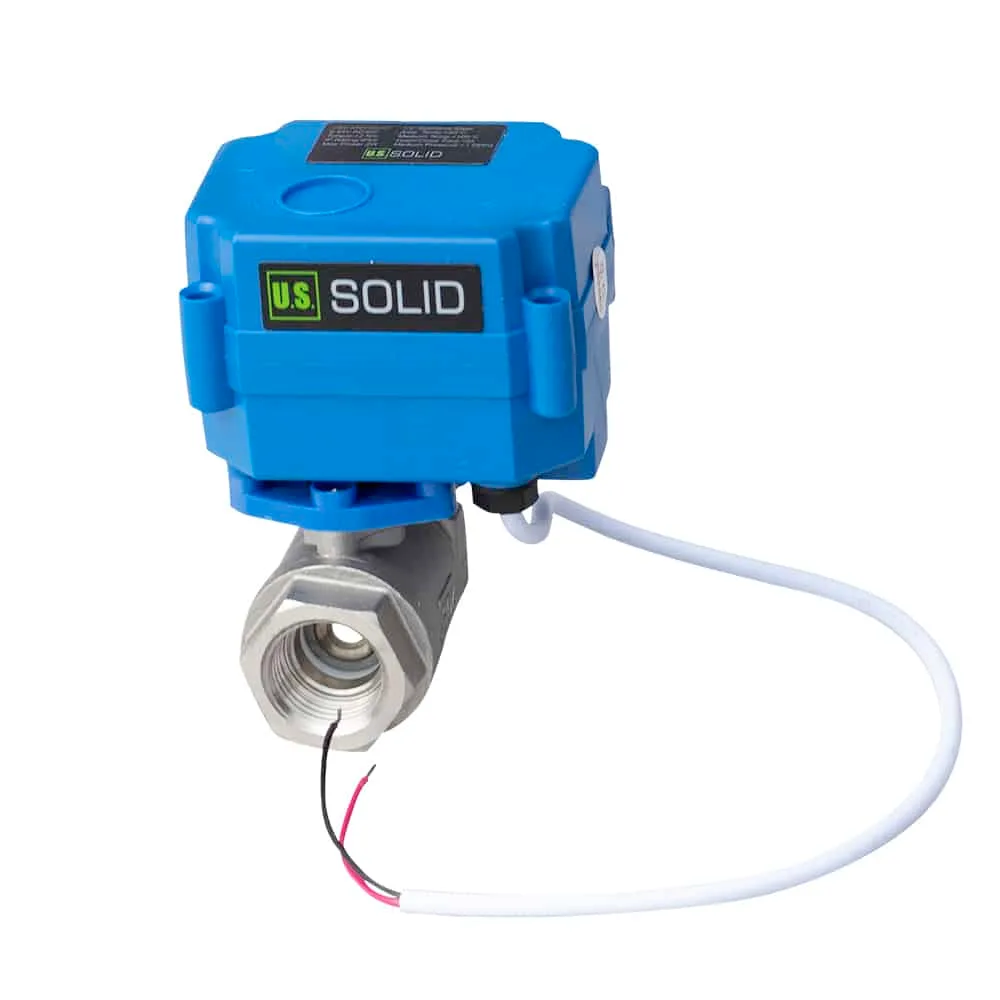
Newborn puppies need a nest floor temperature of about 85–90°F for the first week, then a gradual decrease to about 75°F by week four. Use a heat source with a controller and a separate thermometer at puppy level—never rely on your hand. If you use floor heating, a 12-v DC Solar Circulator Pump can help maintain consistent water flow in off-grid or energy-conscious setups. A common mistake is overheating the whole box; puppies need a cool zone to crawl to if they get too warm. Checkpoint: after one hour, the floor should read within 2°F of your target, and puppies should spread out rather than pile in one corner.
- Place the thermometer where the puppies actually lie, not on the wall.
- If puppies pile tightly and cry, they are too cold; if they spread out and pant, they are too warm.
Step 4: Set up a cleaning and drying station nearby
Whelping is messy. Set up a cleaning station within arm's reach of the nest with warm water, gentle soap, and towels. A Puppy spa Station made with PVC is durable and easy to clean, and its slatted flooring avoids standing water. Its dual dryers with strategic placement for air circulation can dry puppies quickly, and you can pop out the hose to attach a nozzle for spot drying while the tub keeps them contained. A common mistake is leaving puppies wet in a drafty room; dry them immediately and return them to the warm nest. Checkpoint: the station should be ready before labor starts, not assembled during it.
- Keep a separate bin for soiled towels away from clean supplies.
- Test the dryer on low before using it on a puppy.
Step 5: Stock and organize breeder whelping supplies
Keep a supply caddy stocked with gloves, lubricant, scissors, dental floss or hemostats for clamping cords, iodine, a bulb syringe, and a notebook. Store vaccines and dewormers according to label instructions; for example, Neopar Canine Parvovirus Vaccine contains 10 doses per vial, ships cold with an ice pack, and expires September 12, 2028, so check dates before relying on it. A common mistake is waiting until whelping begins to gather supplies. Checkpoint: do a dry run—can you reach everything with one hand while kneeling at the box?
- Write your vet's emergency number on a card and tape it to the wall.
- Keep a scale for daily puppy weights; a kitchen scale works.
Whelping nest setup checklist
- Prepare the space: Choose a quiet, draft-free corner and set up the box at least a week early. Checkpoint: the dam enters and lies down without pacing.
- Build the nest: Use a low-sided box with a pig rail and flat, absorbent bedding. Checkpoint: bedding stays flat when the dam moves.
- Dial in heat: Target 85–90°F at puppy level for week one, with a cool zone available. Checkpoint: puppies spread out, not piled or panting.
- Set up cleaning: Place a washing and drying station within reach before labor starts. Checkpoint: dry puppies go back to a warm, dry nest.
- Stock supplies: Organize gloves, clamps, iodine, scale, and vaccines where you can reach them one-handed. Checkpoint: emergency vet number is visible.
Whelping supplies worth knowing
- Puppy spa Station: Made with PVC to be durable and easy to clean, with a sprayer faucet, slatted flooring to avoid standing water, and dual dryers for air circulation. The hose can be removed to attach a nozzle for spot drying while the tub contains the puppy. Speeds up cleaning and drying during whelping and keeps puppies from chilling in wet bedding.
- Neopar Canine Parvovirus Vaccine: Each vial contains 10 doses, ships cold with an ice pack, has a handling and packaging fee of $15 added at checkout, and expires September 12, 2028. Lets you plan vaccine timing and storage before the litter arrives, and avoid using expired doses.
- 12-v DC Solar Circulator Pump: Runs on 12-volt DC power and is designed for floor heating systems to help maintain consistent water flow, suitable for off-grid or energy-conscious setups. Useful if your whelping room uses floor heating and you need reliable circulation without grid power.
A whelping nest setup is a system, not a single purchase. Get the placement, box, heat control, cleaning, and supplies right before the due date, and you will spend less time troubleshooting and more time watching the litter thrive.