Quick answer
Move from pre-feeding tools to a first foods set when your baby shows consistent head control, sits with minimal support, and actively reaches for food—typically around 6 months, but watch your baby's cues, not the calendar.
Why pre-feeding tools matter first
Pre-feeding tools like the Sensory Tongue Depressor Set help you and your baby build comfort with oral exploration before any food enters the picture. They allow you to check for emerging teeth, leftover food, or signs of illness without turning mealtime into a struggle. This phase is about readiness, not rushing.
Skipping pre-feeding can lead to gagging, refusal, or stress for both of you. Starting with oral development tools gives your baby a low-pressure introduction to having something in their mouth, which makes the leap to a first foods set smoother.
Trade-offs of moving too early or too late
If you transition to a first foods set before your baby is ready, you may face more mess, wasted food, and a frustrated baby who isn't developmentally prepared to self-feed. On the other hand, waiting too long after your baby shows clear readiness signs can delay their exposure to textures and self-feeding skills.
The sweet spot is when your baby can sit upright in a high chair with minimal support, brings objects to their mouth intentionally, and shows curiosity about what you're eating. These cues matter more than a specific age.
Diagnosis: Is your baby ready for a first foods set?
- Symptom: Your baby gags, pushes food out, or turns away when you offer purees or soft solids. This often means oral motor skills aren't ready yet—continue with pre-feeding tools like the sensory tongue depressor to build comfort.
- Likely cause: The tongue thrust reflex is still present, or your baby hasn't had enough oral exploration practice.
- Corrective action: Stick with pre-feeding activities: let your baby mouth the sensory tongue depressor, practice with a clean spoon, and watch for signs of interest in your food. When your baby consistently reaches for food and sits upright, try a small amount from the First Foods Set. If after 2-3 weeks of pre-feeding practice your baby still refuses or gags, consult your pediatrician before moving forward.
- Stop / choose another option: If your baby is under 4 months, cannot hold their head steady, or shows no interest in food, do not start a first foods set. Continue using pre-feeding tools and revisit readiness in a few weeks.
Products that support the transition
-
Sensory Tongue Depressor Set (5-Pack): The Sensory Tongue Depressor helps parents (and medical professionals) to examine children's mouths. With the tongue depressor parents can check for emerging teeth, leftover food in the mouth, or illness. Use this pre-feeding tool to confirm your baby's oral readiness before introducing a first foods set, reducing the chance of gagging or refusal.
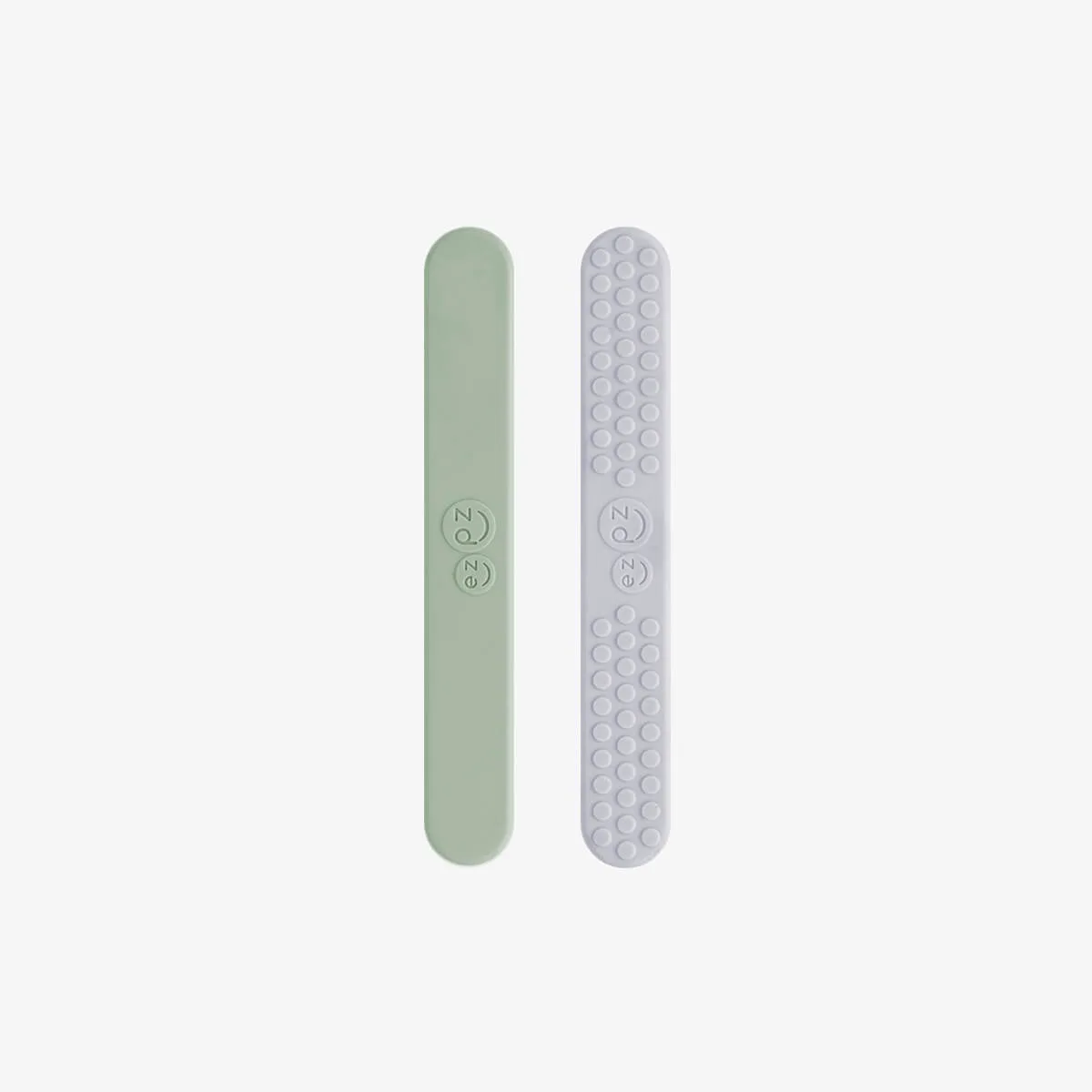
Sensory Tongue Depressor Set (5-Pack)
-
First Foods Set (5-Pack): The First Foods Set (including the Tiny Cup, Tiny Bowl, and Tiny Spoons) provides all of the developmental tools you need to set baby up for mealtime milestones – plus calm and confident parents! Once your baby shows readiness, this set gives you everything needed for baby-led weaning in one kit, so you don't have to piece together separate items.
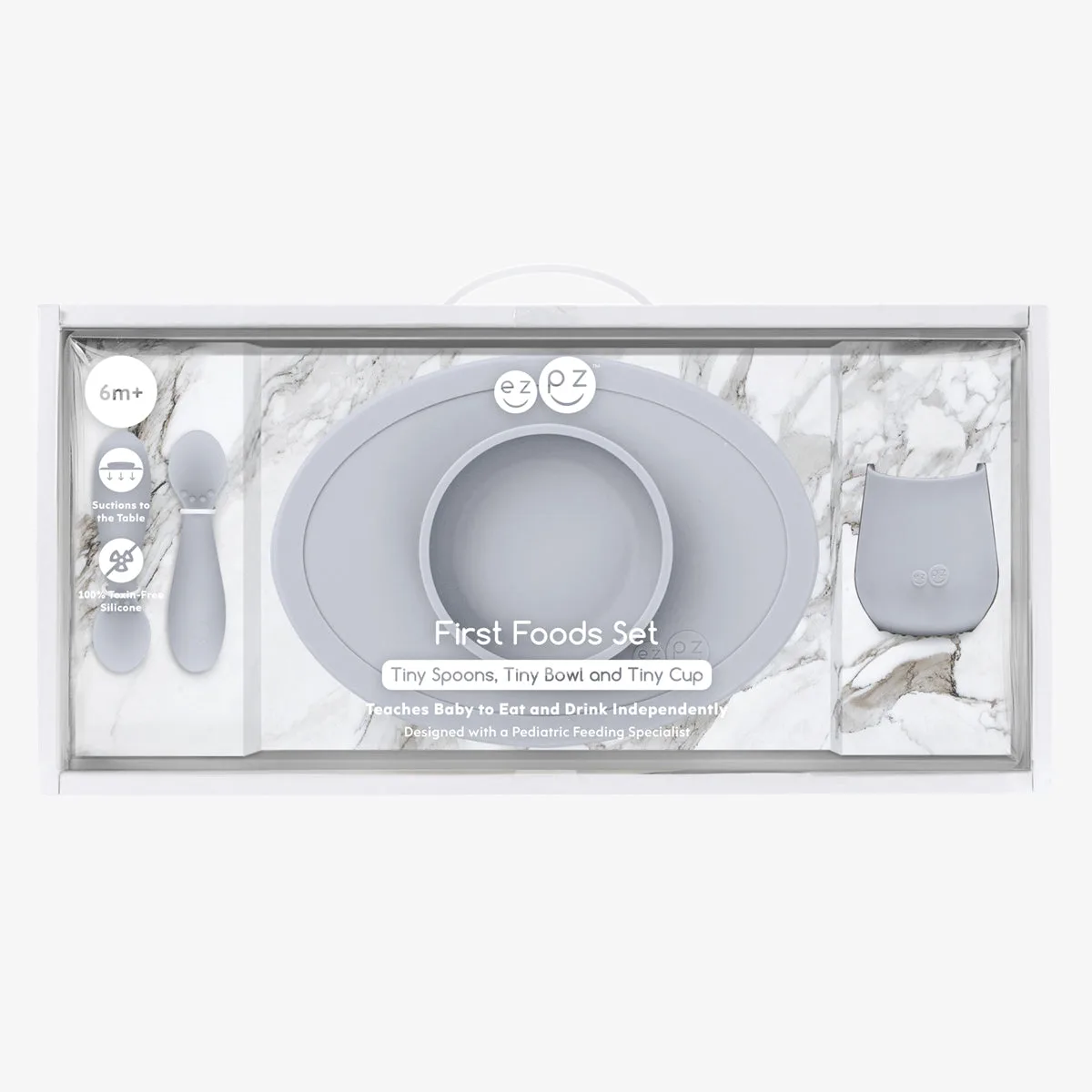
First Foods Set (5-Pack)