Quick Answer
Wear a merino long sleeve base layer for winter cycling when temperatures are between 20°F and 50°F, especially for low- to moderate-intensity rides where moisture management and odor resistance matter.
Why Merino Matters in Cold Weather
Merino wool's natural temperature regulation makes it ideal for winter cycling. It keeps you warm when you're coasting downhill and cool when you're climbing, without the clammy feel of synthetic fabrics after an hour of effort.
When to Choose Synthetic Instead
For high-intensity efforts like racing or fast group rides, a lightweight synthetic base layer wicks sweat faster and dries quicker than merino. Reserve merino for endurance rides, commuting, or days when you'll be stopping frequently.
How to Choose When to Wear a Merino Long Sleeve Base Layer
- Check the temperature range: Use a merino long sleeve base layer for rides from 20°F to 50°F. Below 20°F, add a windproof outer layer. Above 50°F, switch to a short sleeve or lightweight synthetic base layer. Common mistake: Wearing merino above 55°F leads to overheating, even with the fabric's temperature regulation.
- Match base layer to ride intensity: For steady endurance rides, merino's moisture management works well. For high-intensity efforts, choose a synthetic base layer that dries faster. Merino absorbs more moisture before it feels wet, which can feel heavy during hard efforts. Checkpoint: If your ride includes long climbs or intervals, consider a synthetic base layer instead.
- Layer over the base layer correctly: Wear the merino base layer directly against your skin. Add a long sleeve jersey or a softshell jacket over it. Avoid cotton mid-layers, which trap moisture and defeat merino's wicking properties. Common mistake: Wearing a cotton t-shirt under the merino base layer blocks its moisture-wicking ability.
- Plan for multi-day rides: Merino's odor resistance allows you to hang-dry the base layer between sessions and wear it again without washing. This saves packing space on tours or multi-day events. Checkpoint: After a ride, hang the base layer in a well-ventilated area. It will be dry and fresh by morning.
- Consider wind and precipitation: Merino insulates when wet but does not block wind. Pair it with a windproof vest or jacket on windy days. For rain or wet snow, add a waterproof shell over the base layer. Common mistake: Assuming merino alone is enough for wet or windy conditions. Always add a windproof or waterproof outer layer.
Featured Product
-
ARC Merino Long Sleeve Base Layer: Temperature regulating fabric keeps you warm when chilly and cool as intensity rises. This means you can wear it from the start of a cold ride through the final climb without overheating or needing to stop and remove layers.
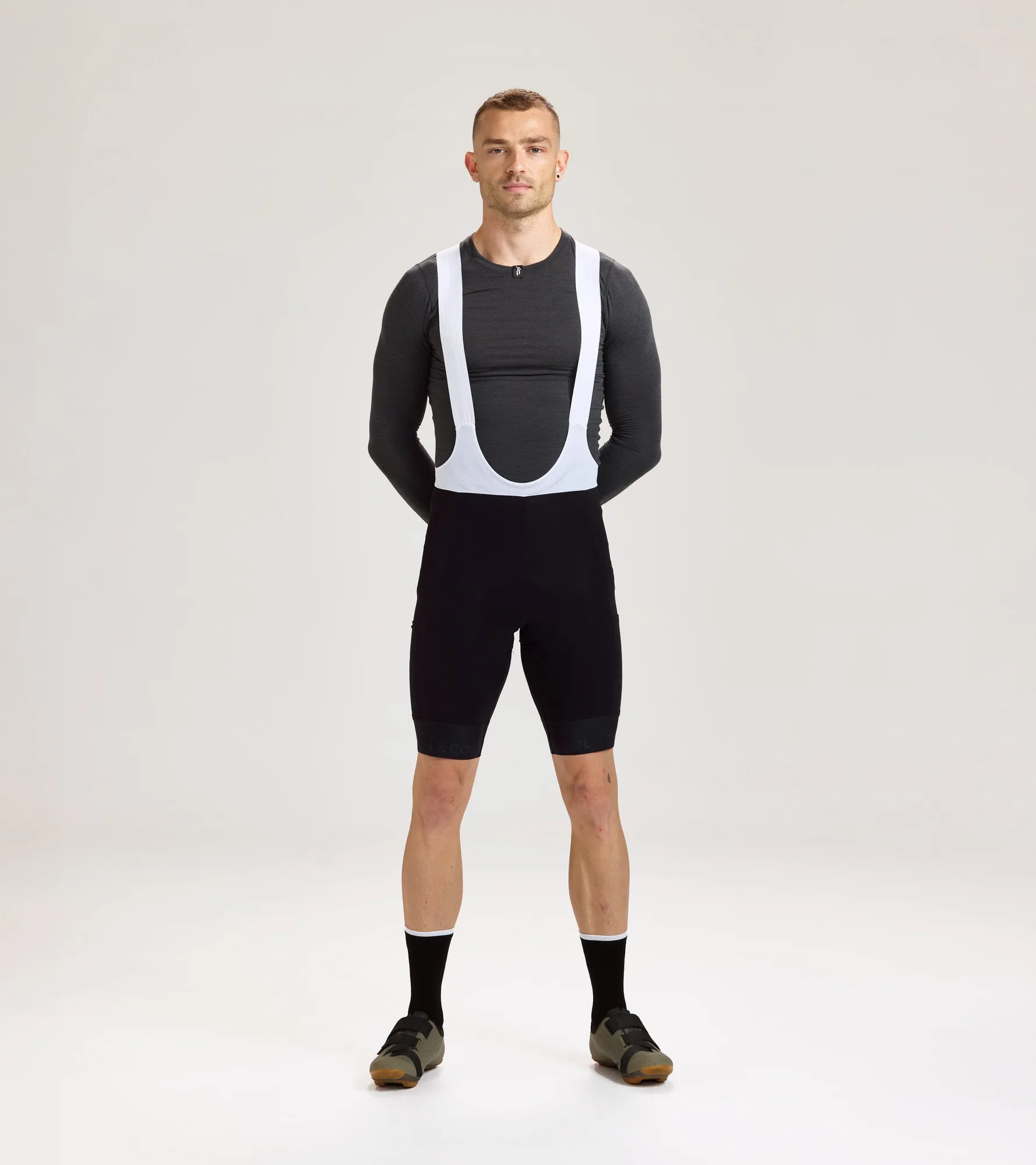
ARC Merino Long Sleeve Base Layer