Quick answer
Start sensation play with a negotiation and a test on your own forearm, then build intensity slowly: begin with light teasers, add a bondage candle only after a drip test, and treat any whip as an advanced tool you practice on a pillow before a partner. Stop instantly at numbness, sharp pain, or a withdrawn yes.
Set the ground rules before anything touches skin
Sensation play works because the nervous system reads contrast: soft then sharp, warm then cool, still then sudden. That contrast only feels good when both people know what is coming and can stop it. Agree on a safeword plus a physical tap-out for when speech is hard, and decide which areas are off-limits before the first toy comes out.
A common beginner mistake is treating a safeword as the only safety tool. Use a three-level check-in instead: green means keep going, yellow means pause or lighten, red means stop now. Say the levels out loud at the start so neither person has to invent language mid-scene.
- Agree on a safeword and a non-verbal tap-out.
- Name off-limits zones, especially the neck, spine, joints, and kidneys for impact.
- Keep water, a blanket, and aftercare items within arm's reach.
Test every tool on yourself first
Your forearm and inner thigh are the calibration zone. A whip, flogger, or candle will feel completely different on you than on your partner, so test the lowest setting on yourself before using it on anyone else. This is also where you learn the tool's reach, so you do not accidentally catch an eye, ear, or bony area.
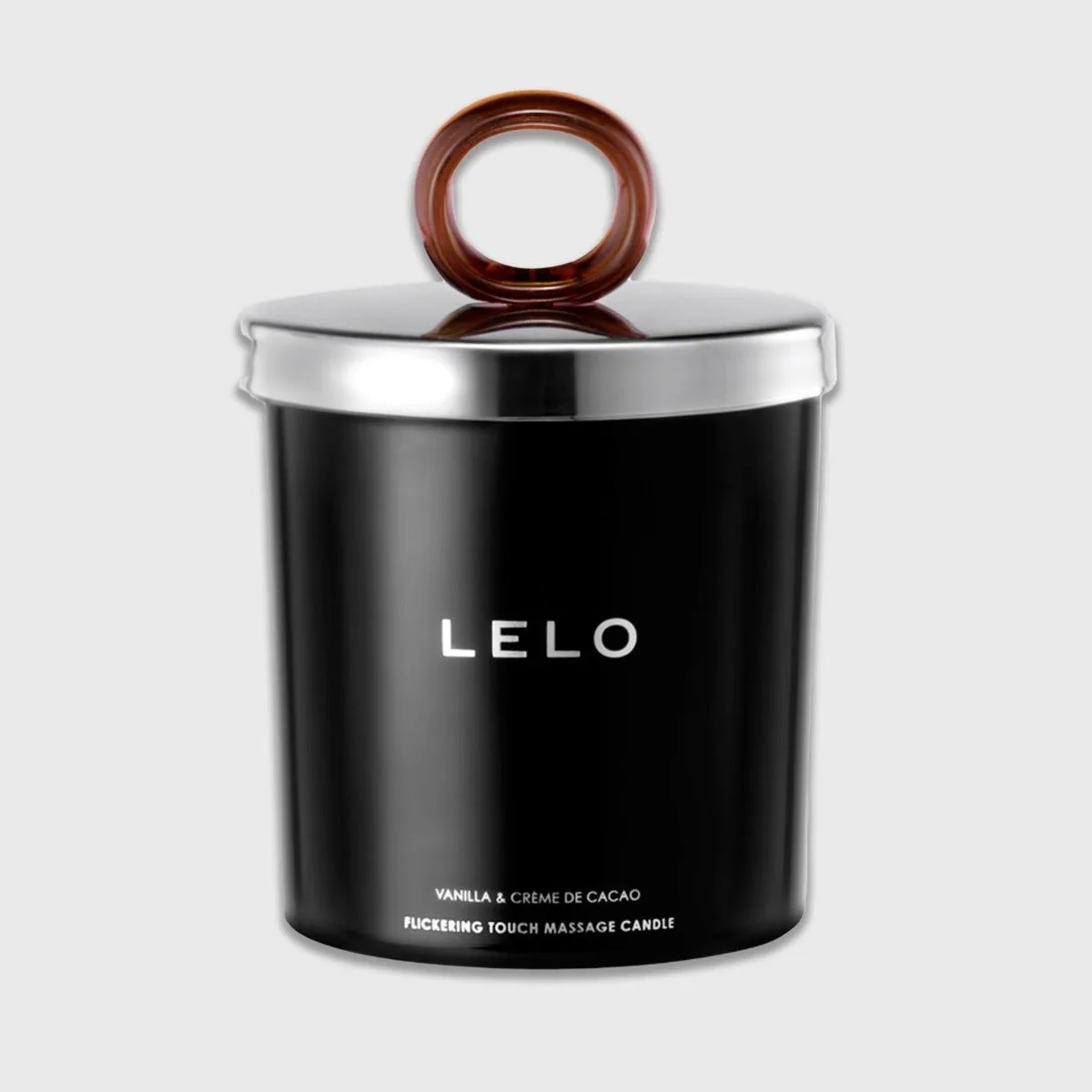
For candles, the test is a drip test: hold the candle well above your forearm, let one drop fall, and note the distance and the heat. If you cannot control a single drop, the candle is not ready for a partner. For whips, aim at a pillow or mattress first and watch where the tip lands; a whip that wraps around a target is a whip that can wrap around a body part you did not intend to hit.
- Test on yourself at the lowest possible intensity.
- Practice whip aim on a pillow before a person.
- Do a single-drop candle test and measure the fall distance.
Build a session from light to intense
Order matters more than force. Start with light, broad sensations such as a soft teaser, a feather, or a warm hand, then move to sharper or warmer tools, and finish with something calming. This arc gives the nervous system time to adjust and makes the stronger sensations feel intentional rather than shocking.
Keep each new sensation short and check in between. A single pass with a whip, one candle drip, or a few seconds of a teaser is enough to read a reaction. If your partner tenses, flinches, or goes quiet, pause and ask rather than pushing through.
- Begin with broad, light contact before sharp or warm tools.
- Keep first exposures short and check in after each one.
- Finish with a calming sensation such as a blanket or gentle massage.
Where bondage furniture fits in
Restraint changes sensation play because your partner cannot flinch away or brace in the same way. That can deepen trust, but it also means you must watch for numbness, tingling, or color changes at any restraint point and release immediately if you see them. Never leave a restrained partner alone, and keep a quick-release option within reach.
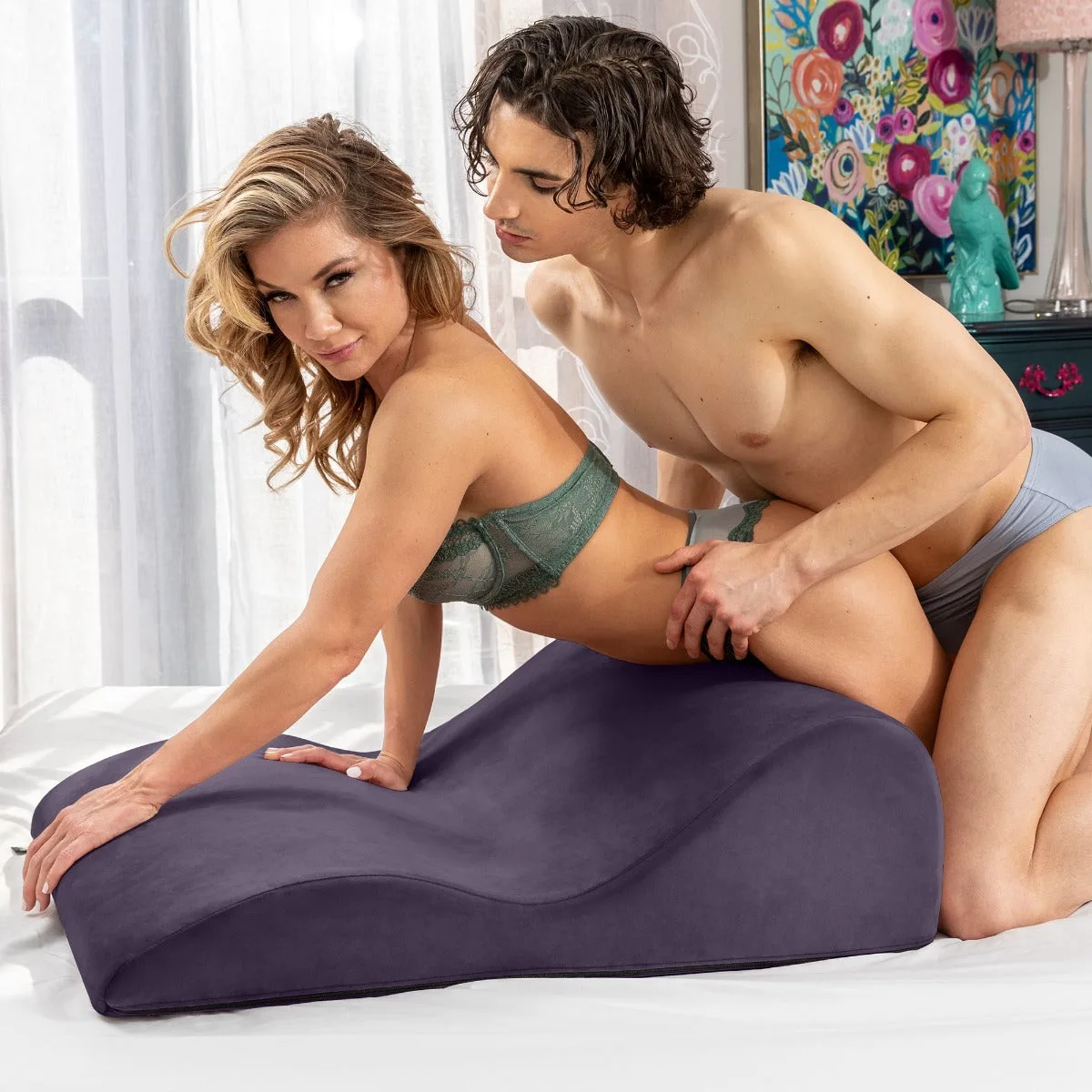
If you want restraint and positioning in one piece, a chaise with detachable loop sides and tethers lets you set up and break down quickly. Removable headrests that double as positioning pillows are useful because you can move support under a hip or knee without adding another piece of gear.
- Check restraint points every few minutes for numbness or color change.
- Keep a quick-release option within reach at all times.
- Never leave a restrained partner alone.
Your first sensation play session, step by step
- Negotiate and set check-in levels: Agree on a safeword, a tap-out, off-limits areas, and what green, yellow, and red mean for both of you. Checkpoint: both people can repeat the safeword and tap-out before anything starts.
- Test each tool on yourself: Run the whip or flogger against your own forearm at the lowest force, and do a single-drop candle test to learn the safe fall distance. Checkpoint: you can land one controlled drop and one aimed strike on a pillow.
- Start with broad, light sensations: Open with a soft teaser, feather, or warm hand to warm up the skin and give your partner time to settle into the scene. Common mistake: starting with the whip or candle because it looks dramatic.
- Add one new sensation at a time: Introduce a candle drip, a light whip flick, or a nipple teaser as a single short pass, then pause and check in before repeating. Checkpoint: your partner can name what they felt and whether they want more.
- Watch restraint points if you use bondage furniture: Check wrists, ankles, and any tether contact every few minutes for numbness, tingling, or color change, and release immediately if you see any. Common mistake: leaving a restrained partner alone or assuming silence means comfort.
- Close with aftercare and a debrief: Offer water, a blanket, and a few minutes of quiet contact, then talk about what worked and what to skip next time. Next step: write down one sensation to repeat and one to leave out.
Products that support this kind of play
- Bondage Esse: The Esse and Esse Slim Bondage chaises are wrapped in black velvet with discreet Velcro-like sides, detachable loop sides and tethers for restraint play, and removable headrests that double as positioning pillows. The 24-inch Esse includes a mini-scoop positioning pillow. A single piece covers restraint and positioning, so you can set up sensation play without juggling separate cuffs, straps, and pillows.
- Rebel: The Rebel Teddy combines wide elastics, gold rings, and a barely-there design with an open cup bra and a V-thong back. An open-cup design keeps the chest accessible for teaser play while still giving the scene a deliberate, costumed feel.