Quick answer
Acrylic keychains scratch mainly from rubbing against keys, coins, and grit in pockets or bags, not from normal display. The fix is separation: keep the acrylic charm in its own pocket or pouch, attach metal keys to a separate ring, and wipe the surface with a soft microfiber cloth instead of abrasive cleaners. If a scratch catches your fingernail, it is cut into the plastic and cannot be polished out at home.
What actually causes the scratches
Acrylic is softer than the metal in keys and zipper pulls, so every jingle in a pocket or bag acts like fine sandpaper. Grit is the bigger hidden cause: dust and sand particles trapped in a bag lining press into the acrylic surface and leave hazy lines even when nothing sharp is nearby. Heat softens the surface further, which is why a keychain left on a sunny car dashboard or near a heater marks more easily.
Not all damage is a scratch. A cloudy, milky area with no visible line is usually surface residue or a light scuff, while a bright line that disappears at certain angles is a shallow surface scratch. A line that stays visible from every angle and feels rough to the touch is a deeper cut.
How to protect acrylic keychains day to day
Separate the acrylic charm from metal. Use a two-ring setup: keys on one ring, the charm on a second ring clipped to the first, so the charm can be detached when you do not need it. If your bag has an inner slip pocket, put the keychain there rather than in the main compartment where it meets coins and zippers.
For storage, keep each acrylic piece in a soft pouch or a small zip bag with the printed side facing away from other charms. Do not stack bare acrylic pieces against each other; even two charms rubbing together will haze over time. Keep stored pieces out of direct sun and away from hot cars, since heat makes the surface more prone to marking.
Safe cleaning and what to avoid
Dust the surface first with a dry microfiber cloth, then breathe on the acrylic and wipe gently. For fingerprints or sticky residue, use a barely damp cloth with a drop of mild dish soap, then dry immediately with a clean cloth. Never use paper towels, tissues, or rough fabric, because the fibers themselves can add fine scratches.
Skip alcohol, acetone, nail polish remover, and abrasive polishes. These can cloud the print or damage the clear acrylic edge. If the print is on the back of the acrylic, clean the front only and avoid soaking the piece, since water can seep between layers on some designs.
Can you remove a scratch from an acrylic charm?
Shallow surface scuffs sometimes fade with a plastic polish made for acrylic, applied with a soft cloth in small circles. This is a real but limited fix: it can reduce haze, but it will not restore a deep cut, and over-polishing can thin the surface or blur the print edge. Test on a small corner first.
If the scratch catches a fingernail, runs across the printed artwork, or the acrylic has a visible crack, stop. Further polishing risks making the damage more obvious. At that point, the practical choice is to retire the piece to a display-only spot or replace it, rather than keep working on it.
Scratch diagnosis: symptom, cause, action, stop point
- Hazy cloudiness across the surface: Usually grit or residue rather than a cut. Wipe with a dry microfiber cloth, then a barely damp cloth with mild soap, and dry immediately. If the haze clears, no polish is needed; if it stays, treat it as a shallow scuff.
- Fine lines visible only at an angle: Shallow surface scratches from rubbing against other acrylic or soft fabric. Try a small amount of acrylic plastic polish on a test corner, working gently in circles. Stop if the line does not improve after one or two light passes; more polishing can blur the print.
- Line that catches a fingernail or crosses the artwork: A deep cut into the acrylic, or damage over the printed layer. Home polishing will not fill it and can make the surrounding area uneven. Stop polishing. Move the piece to display-only use or replace it, and switch to a two-ring setup so the next one lasts longer.
Everyday pieces that suit this care routine
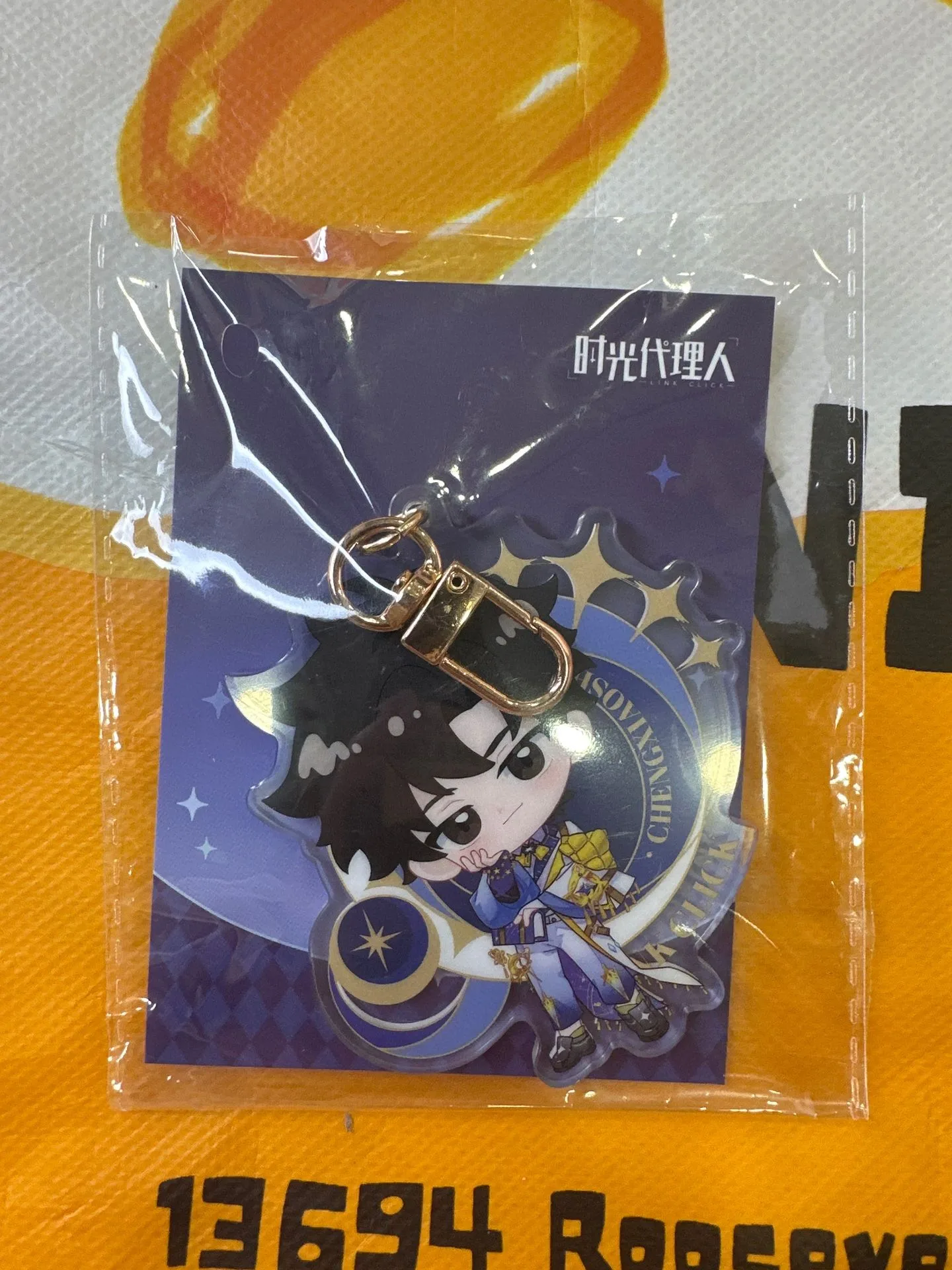
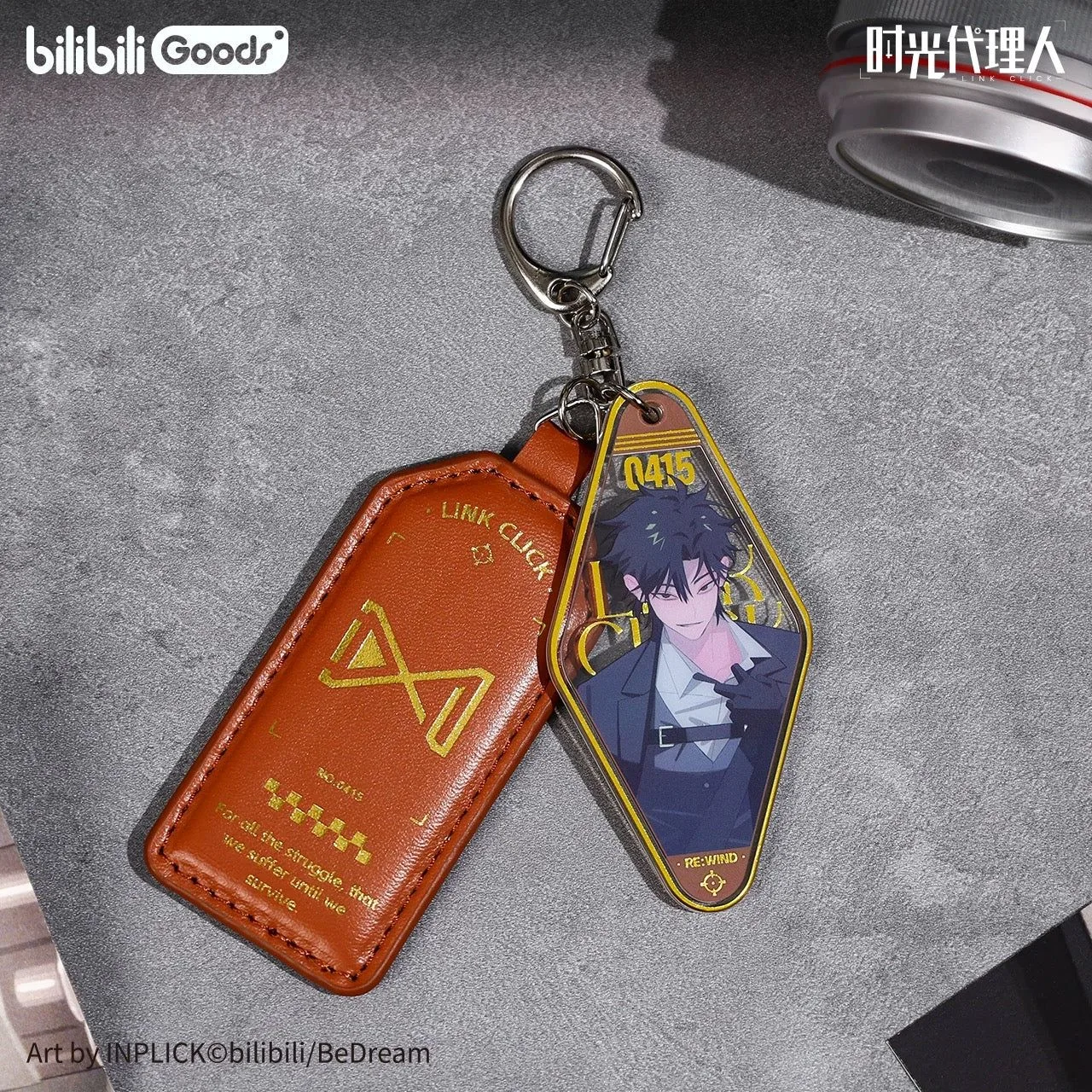
- 66407 LinkClick Acrylic Keychain (Cheng XiaoShi): Acrylic keychain design with a clear, colorful print featuring Cheng XiaoShi from LinkClick, compact size ideal for keys, bags, or backpacks, durable material for daily use. A clear print on a compact acrylic body is exactly the kind of piece that shows haze and fine lines first, so the two-ring separation and pouch storage advice applies directly.
- 71616 Link Click-Cosmic Secret-Chibi Keychain-Cheng Xiao Shi: Chibi-style design of Cheng Xiao Shi from Link Click, part of the Cosmic Secret keychain series, compact size, perfect for keys, bags, or display. Because it is described as suitable for keys, bags, or display, you can rotate it to display-only duty once it picks up wear instead of retiring it completely.
- 66175 LinkClick Acrylic Shikishi: Acrylic shikishi featuring LinkClick artwork, compact size ideal for display, durable acrylic format. A display-first acrylic piece avoids the pocket-and-keys cycle entirely, which is the simplest way to keep acrylic looking clear long term.