Quick Answer
Plug-in string lights usually flicker because of a loose bulb, a faulty socket, or a damaged wire—often after rain or heavy use. Start by unplugging the lights and checking each bulb and socket; if the problem persists, the safest fix is to replace the affected section or the entire set.
Plug-in string lights add a warm glow to patios, bedrooms, and parties, but when they start flickering, it can be both annoying and concerning. Flickering isn't just a nuisance—it can signal a safety hazard, especially if moisture or damaged wiring is involved.
The good news is that most flickering issues are easy to diagnose and fix at home. In this guide, we'll walk you through the most common causes—from loose bulbs to faulty sockets—and give you clear steps to restore steady light, along with when it's time to stop troubleshooting and replace the lights.
Loose Bulbs: The Most Common Culprit
The simplest reason your plug-in string lights flicker is that a bulb isn't seated properly in its socket. Over time, bulbs can work themselves loose due to temperature changes, vibration, or simply from being handled. When the connection is weak, the circuit can intermittently break, causing a flicker.
To fix this, unplug the lights first. Then, gently push each bulb firmly into its socket. If your string lights have removable bulbs, you can also try twisting them slightly to ensure a snug fit. After reseating all bulbs, plug the lights back in and test. If the flicker stops, you've solved it.
- Always unplug the lights before touching bulbs or sockets to avoid electric shock.
Faulty Sockets and Corroded Contacts
If reseating the bulbs doesn't help, the next suspect is a faulty socket. Sockets can wear out from repeated bulb changes, or their metal contacts can corrode, especially in humid or outdoor environments. Corrosion creates resistance, which leads to flickering and can even cause overheating.
Inspect each socket for visible rust, discoloration, or bent contacts. If you see corrosion, you can try cleaning the contacts with a dry cloth or a small brush. However, if the socket is cracked or damaged, it's not worth repairing—replace the entire string or the affected section if your lights are modular.
- Never use water or liquid cleaners on sockets; use a dry cloth or isopropyl alcohol on a cotton swab.
String Lights Flickering After Rain: Moisture and Water Damage
If your outdoor string lights flicker after rain, moisture is the likely culprit. Water can seep into sockets or along the wire, creating short circuits. Even weather-resistant lights can develop issues if seals degrade over time. Flickering after rain is a red flag that should be addressed promptly.
First, unplug the lights and let them dry completely in a dry, ventilated area—this can take 24 to 48 hours. Once dry, inspect the plugs and sockets for any signs of water ingress. If the flickering persists after drying, the internal wiring may be compromised, and the safest course is to replace the lights. Continuing to use water-damaged lights can lead to electrical shorts or fires.
- Consider using a weatherproof outlet cover or elevating connections off the ground to prevent future moisture issues.
Other Causes: Wiring Issues and Power Source Problems
Less common but still possible causes include damaged wiring along the cord, a faulty plug, or an issue with the outlet itself. If you've ruled out loose bulbs and sockets, check the entire length of the cord for cuts, frayed areas, or exposed wires. Also, try plugging the lights into a different outlet to rule out a problem with the original one.
If you find any damage to the cord or plug, do not attempt to repair it with tape—this is a serious safety hazard. Replace the string lights entirely. Similarly, if the lights flicker only when another appliance is running on the same circuit, the circuit may be overloaded; try moving the lights to a dedicated outlet.
- Never use extension cords that are not rated for the wattage of your string lights.
Diagnosis: From Symptom to Safe Fix
- Symptom: Occasional flicker, especially when touched: Likely cause is a loose bulb. Unplug and reseat all bulbs firmly. If flicker stops, you're done. If not, move to the next step.
- Symptom: Flicker persists after reseating bulbs: Check for faulty sockets or corroded contacts. Clean or replace the affected socket. If sockets look damaged, replace the string lights—do not attempt to repair cracked sockets.
- Symptom: Flickering after rain or visible wire damage: Moisture or damaged wiring is the cause. Dry the lights thoroughly and inspect for water ingress or frayed cords. If water damage or cord damage is confirmed, stop troubleshooting and replace the lights immediately for safety.
When to Replace Instead of Repair
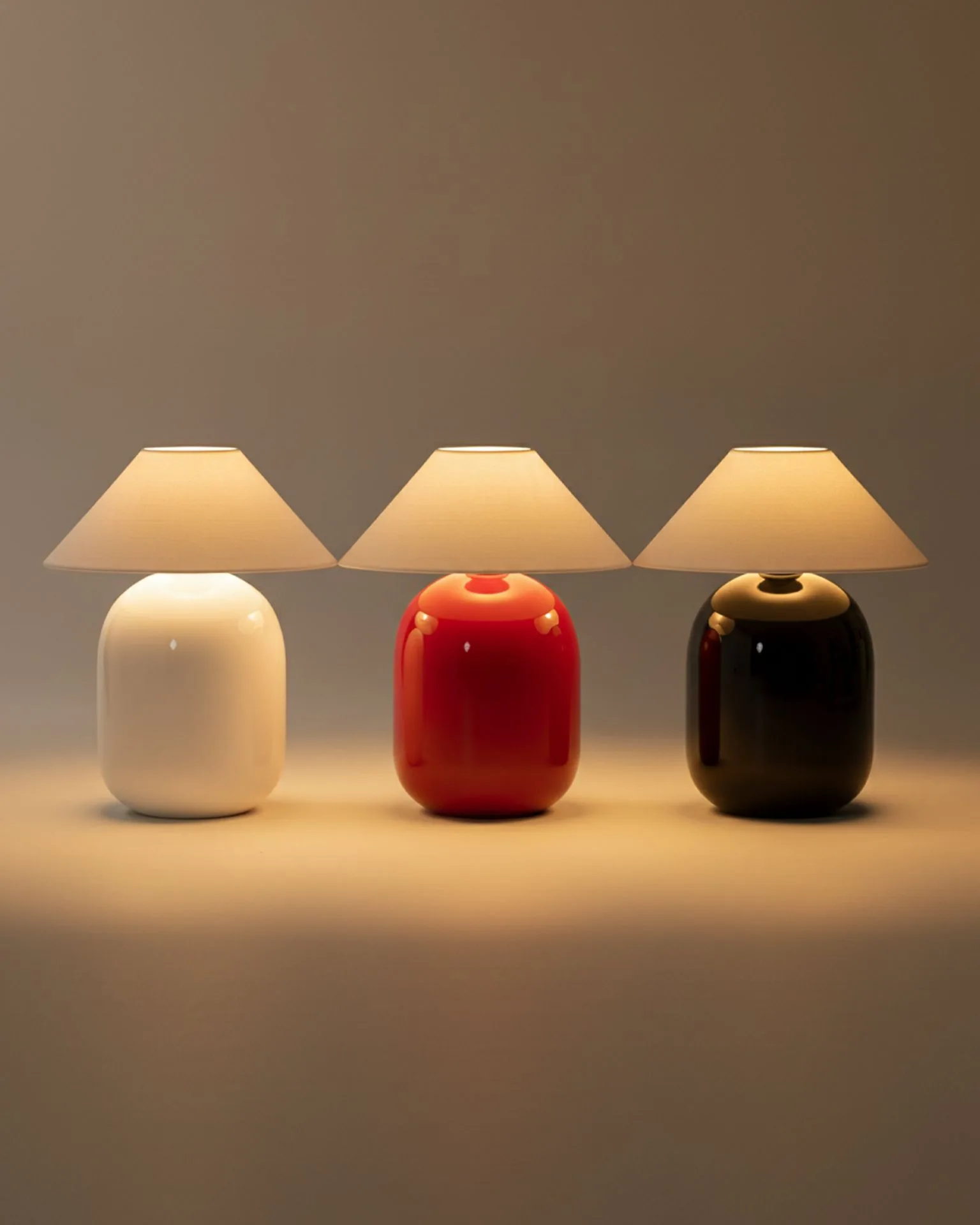
- Duke Table Lamp: With its glossy black base and frosted white unique glass the Duke Table Lamp is sure to turn heads. Its compact size is perfect for adding a sculptural touch to any space. The in-line dimmer allows you to adjust the brightness and set the mood for any occasion. If your string lights are beyond repair, a table lamp like the Duke offers a dependable, dimmable lighting alternative that avoids the hassle of flickering bulbs.
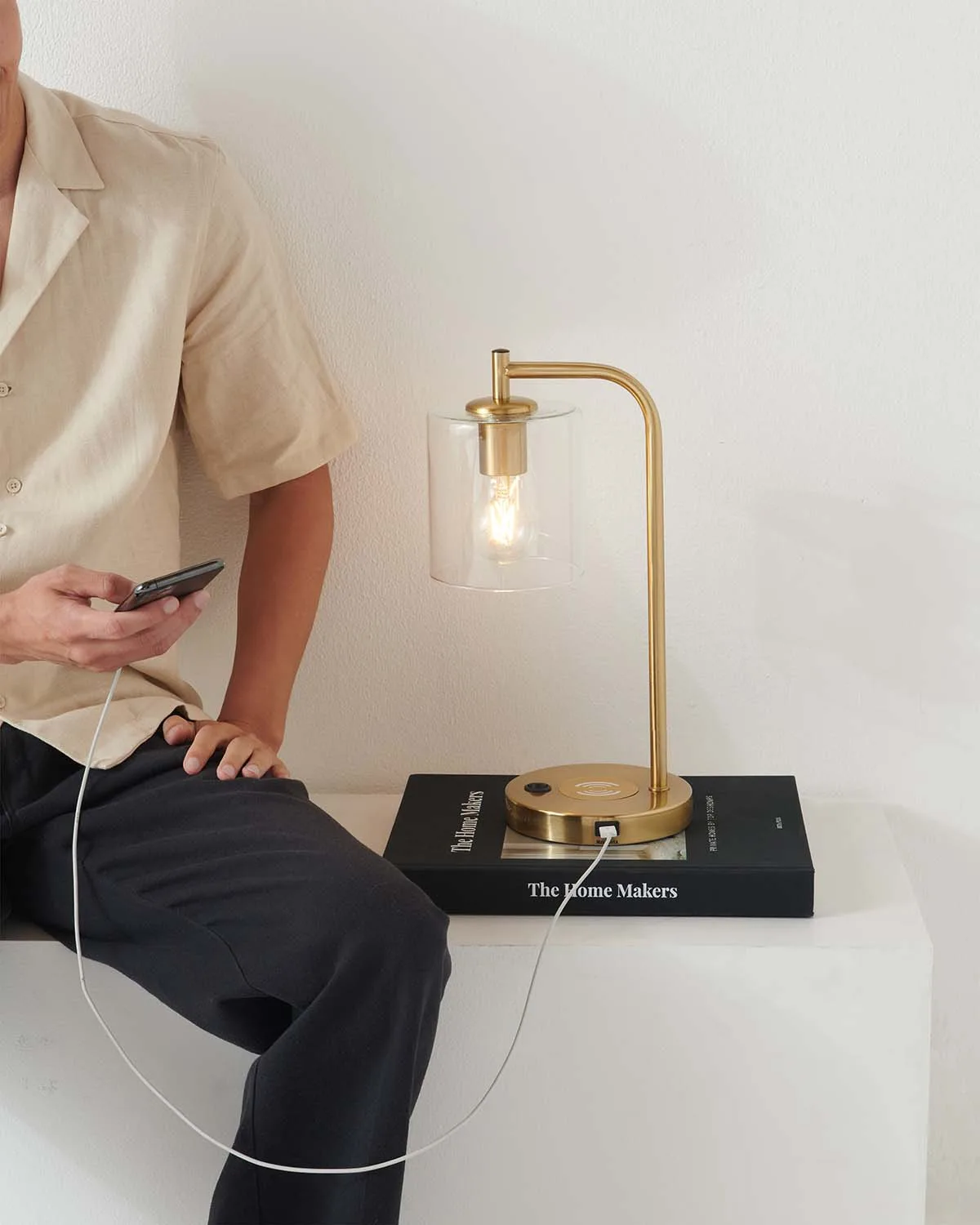
- Elizabeth USB Table Lamp: A minimalistic table lamp that is sure to illuminate your room with style, the Elizabeth Table Lamp has a beautiful brass base and stem with a hanging glass shade. Featuring our touch switch to power on your device and a USB charging port or wireless charging pad to charge your mobile device from your nightstand, bring both function and beauty to your home. For a bedroom or nightstand, the Elizabeth provides steady, flicker-free light and doubles as a charging station—perfect if you're tired of dealing with unreliable string lights.
Flickering plug-in string lights are usually easy to fix, but knowing when to stop is just as important. Start with the simplest solution—reseating bulbs—and work your way through sockets and moisture issues. If the problem persists or you spot damage, replace the lights rather than risking an electrical hazard. For a reliable, flicker-free alternative, consider a quality table lamp from Brightech.