Quick Answer
Baby socks fall off because of improper sizing, low-cut designs, and the natural movement of tiny feet. To keep them on, choose socks with a stay-on fit, ensure the right size, and use layering tricks like pulling socks over pant legs.
Why Sizing Matters More Than You Think
Babies grow quickly, and socks that fit perfectly one week can become loose the next. A sock that is too big will slide off with the slightest kick, while one that is too small can leave marks and be uncomfortable. Check your baby's foot length against the sock size chart regularly, and remember that socks should fit snugly but not tightly.
Because newborns have little to no heel definition, socks can easily slip, especially if the cuff is not elastic enough. Look for socks with a stretchy, stay-on cuff that grips the ankle without leaving red marks.
The Right Sock Style Makes a Difference
Low-cut or ankle socks are more likely to fall off because they don't cover enough of the foot or ankle. Crew socks or socks that come up higher on the calf provide more surface area to stay in place. Also, consider socks with a bit of compression at the top—this helps them stay put without being too tight.
When shopping, look for socks made from soft, breathable materials like organic cotton, which are gentle on sensitive skin and also help regulate temperature, reducing the urge for your baby to kick them off.
Diagnose and Fix Slipping Socks
- Symptom: Socks keep falling off despite adjusting them frequently.
- Likely Cause: Socks are too big, too low-cut, or have a loose cuff that doesn't grip the ankle. Check the fit: if the sock leaves marks, go up a size; if it slides down easily, go down a size.
- Corrective Action: Choose socks with a stay-on fit and a higher cuff. Pull the sock up over the pant leg or use a sock-on-over-tights trick. For newborns, consider using a sock that covers the ankle and has a snug elastic band. If socks still fall off after trying these fixes, consider using a different style like a bootie or a sock with a strap.
- When to Stop or Choose Another Option: If you've sized correctly and tried higher-cut socks but they still slip, it may be time to try a different brand or style. Some babies simply need a sock with a more secure closure, like a snap or a strap. Also, if you notice red marks or discomfort, stop using that sock and switch to a larger size. Always prioritize comfort and safety over keeping socks on.
A Sock Option That Stays On
-
Baby Socks - 6 Pack: These organic cotton baby socks come in a 6-pack, are GOTS certified, and feature a stay-on fit. The stay-on fit helps keep socks on active baby feet, and the 6-pack means you'll always have a clean pair ready.
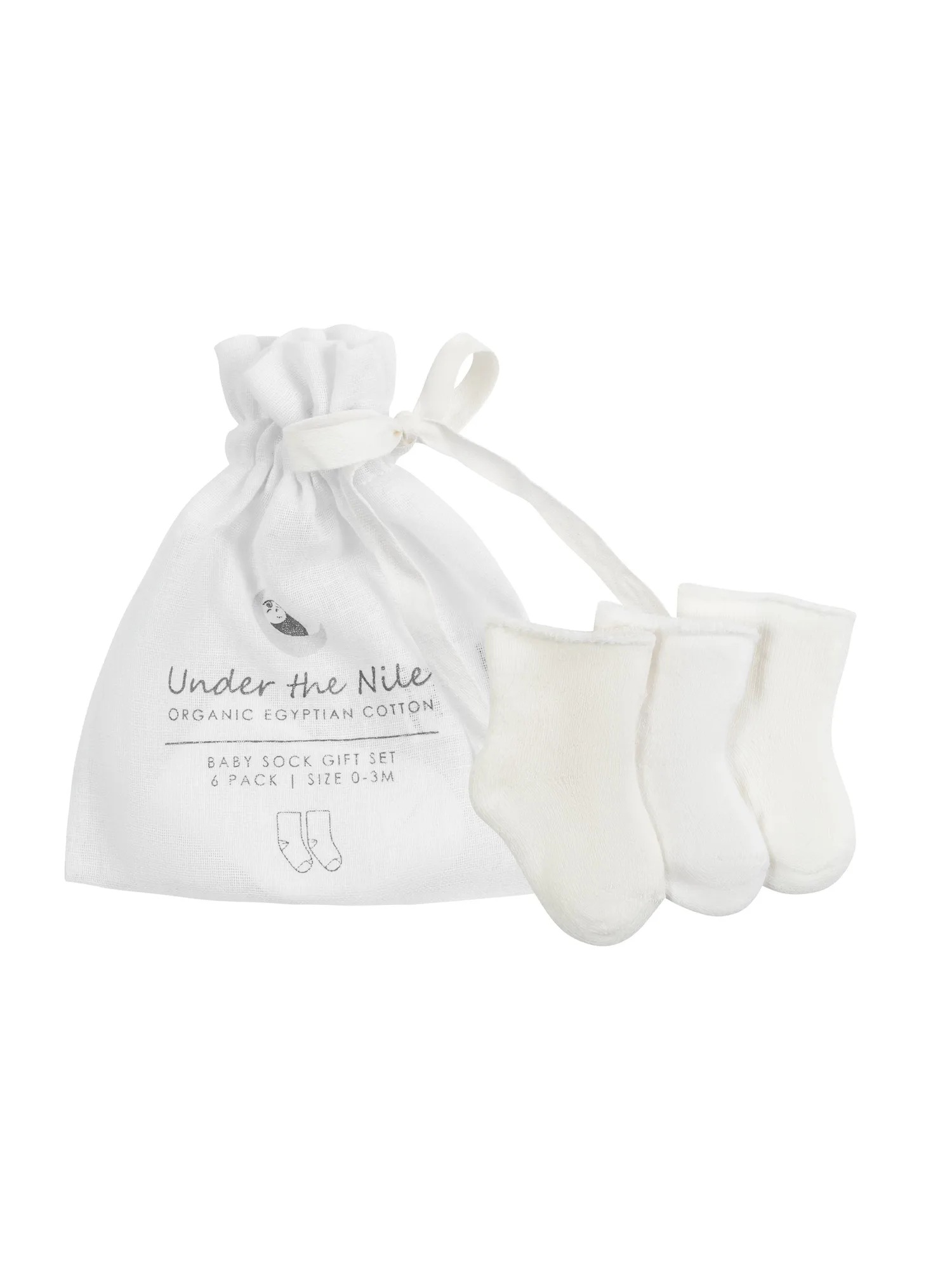
Baby Socks - 6 Pack