Quick answer
Most backpack straps do not break because the bag is badly made. They break because one part of the strap system is overloaded, worn, or rubbing, and the damage is ignored until the fabric or stitching gives way. Check the attachment points, webbing, and padding every few months, reinforce or repair the first sign of fraying, and a strap that is looked after can outlast the rest of the bag.
Myth: A broken strap means the backpack is finished
A snapped or frayed strap is usually a repairable problem, not a death sentence for the bag. The strap is often the most stressed part of a backpack because it carries the full load and flexes every time you put the bag on or take it off. If the main body, zips, and base are still sound, repairing or reinforcing the strap is a sensible first move. Only replace the bag when the fabric around the attachment point has torn through or the strap anchor has pulled out of the seam beyond easy repair.
Myth: Straps break because you carry too much
Weight matters, but how you carry it matters more. A heavy load that sits low and swings puts repeated strain on the strap anchors and stitching. A load that is packed close to your back and tightened so the bag does not bounce spreads the force more evenly. Before blaming the weight, check whether the shoulder straps are adjusted to the same length and whether the bag is sitting high enough that the base is not dragging.
Myth: Fraying is only cosmetic
Fraying is the early warning that webbing is losing its strength. Once the outer weave is broken, the strap can continue to unravel under load, and a frayed section can also catch on zips, buckles, or rough surfaces and tear further. Deal with fraying as soon as you see it. Trimming loose threads and sealing the cut end stops the run, and a reinforcing stitch across the strap adds a physical barrier before the damage reaches the anchor point.
Myth: All strap wear happens in the same place
Strap wear follows the load path. The most common failure points are where the strap meets the bag body, where it passes through an adjuster buckle, and where the padded section meets the webbing. Each point fails for a different reason: anchor points take the pull, buckles create friction, and the padding-to-webbing join flexes constantly. Inspect all three rather than only looking at the part that finally snapped.
How to reinforce backpack straps before they fail
Reinforcement is about adding material where the strap is thinning, not wrapping the whole strap. Use a strong needle and heavy-duty thread to run a tight box or bar stitch across any section that looks worn, and add a second row of stitching at the anchor point if the original seam is intact but the fabric around it is softening. Keep the reinforcement flat so it does not create a new rubbing point against your shoulder or the bag body.
- Check the anchor stitching at the top of the shoulder straps every few months.
- Look for thinning webbing near the adjuster buckles, where friction is highest.
- Reinforce a worn section with tight stitches before it becomes a tear.
- Stop using the bag if the strap anchor has pulled out of the seam.
When to repair frayed backpack straps and when to stop
Repair is worthwhile when the damage is limited to the webbing or stitching and the bag body is still strong. If the strap has snapped cleanly, the two ends can often be joined with a reinforced overlap stitch, or the strap can be shortened and reattached if there is enough length left. Stop repairing when the fabric around the anchor point has torn, when the strap has pulled away from a seam that cannot be safely restitched, or when the same strap has failed more than once in the same spot.
Everyday habits that reduce strap wear
Most strap damage accumulates during the small moments: dropping the bag by one strap, swinging it onto one shoulder, or dragging it by the top handle. Use both shoulder straps when the load is heavy, put the bag down instead of dropping it, and avoid hanging it by a single strap for long periods. If your bag has a padded back and adjustable padded shoulder straps with air mesh, keep the straps adjusted so the padding stays in contact with your shoulders rather than the webbing taking the load.
Strap myths: verdicts
- A broken strap means the bag is done: False. If the body, zips, and base are sound, a strap can often be repaired or reinforced. Repair first; replace only when the anchor has torn out of the seam.
- Heavy loads are the main cause of strap failure: Partly true, but how the load is packed and adjusted matters just as much as the weight. Tighten both straps evenly and keep the bag close to your back.
- Fraying is only a cosmetic issue: False. Fraying means the webbing is losing strength and can unravel under load. Reinforce or trim frayed webbing as soon as you notice it.
- Strap wear always happens in the same spot: False. Anchor points, buckles, and the padding-to-webbing join each wear differently. Inspect all three wear points, not just the one that snapped.
Straps built for daily load
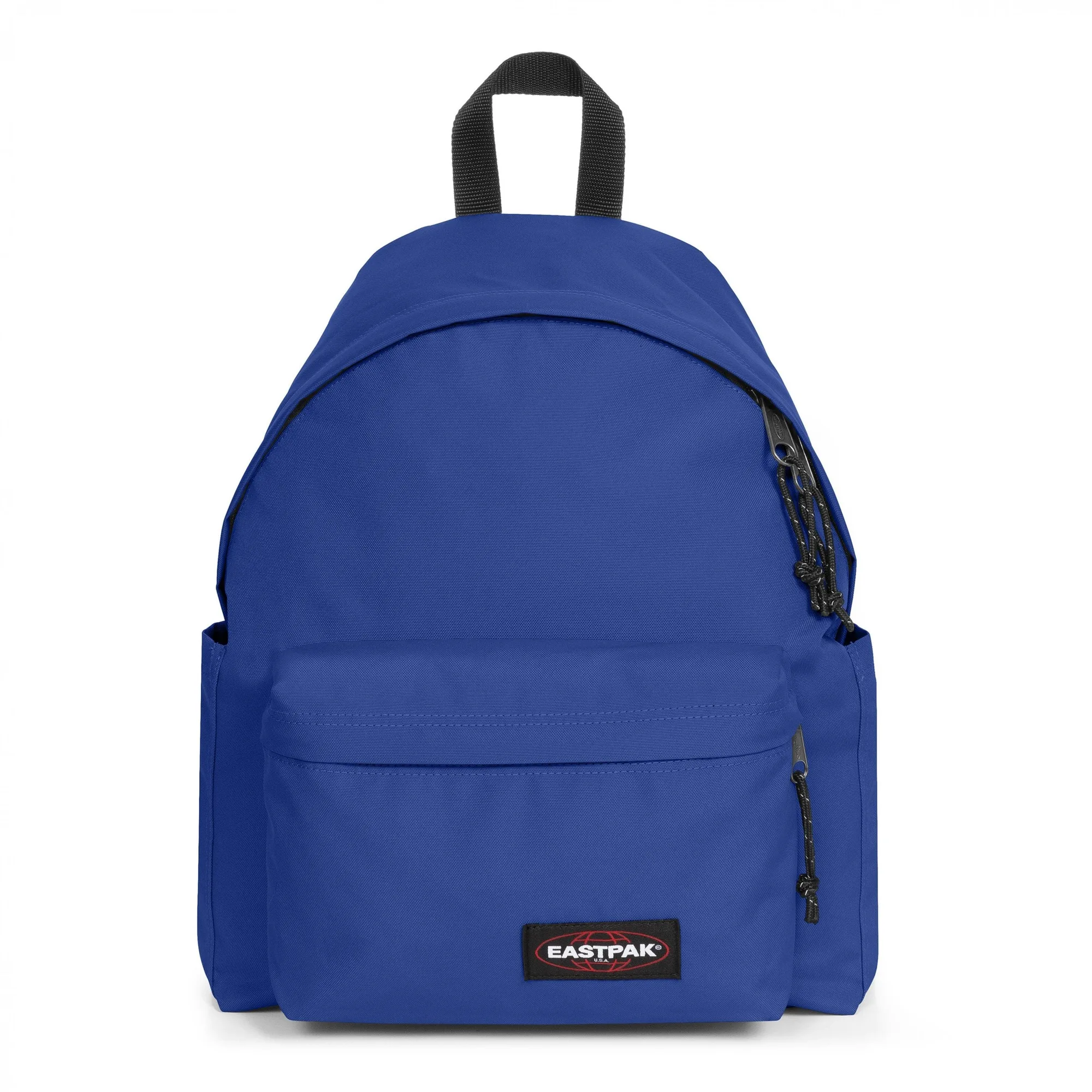
- DAY PAK'R ELECTRIC BLUE: Adjustable padded shoulder straps with air mesh for extra comfort. Padded, mesh-lined straps spread pressure and reduce the rubbing that wears webbing, so the strap is less likely to fray at the shoulder contact point.
- DAY PAK'R SPARKLY GRADIENT: Padded back and a secure back zip pocket. A padded back keeps the bag stable against your body, which limits the swinging and shifting that puts repeated strain on strap anchors.
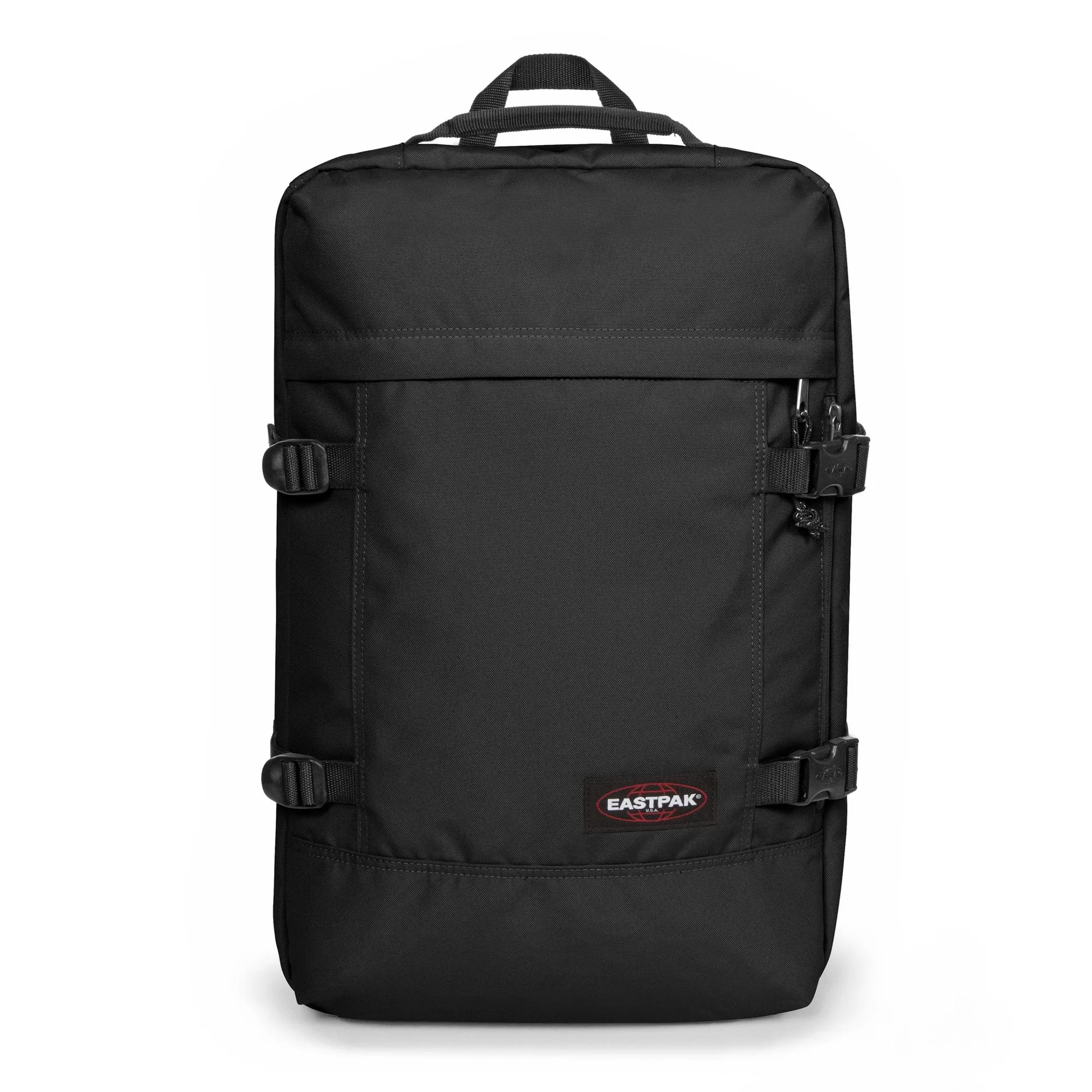
- TRAVELPACK BLACK: Carry handles and adjustable padded shoulder straps. Having both carry handles and shoulder straps lets you switch how you carry a heavy load, so no single strap takes all the stress on every trip.