Quick answer
Your figure isn't necessarily defective. Promotional photos are shot under studio lighting, sometimes using a hand-painted prototype, while your figure is mass-produced and photographed in ordinary room light. Small differences in paint, color, and finish are normal. What matters is whether the figure matches the series design and is free of structural damage. Judge quality on the design and build, not on a pixel-perfect match to the listing image.
The photo was never meant to be a spec sheet
Blind box listings show a representative figure from the series, not the specific one inside your box. Even when the character matches, the photo may be a painted prototype rather than a production unit. Prototypes are often finished by hand, so edges are cleaner and colors are more even than what a factory paint line produces. This gap is the single biggest reason a figure looks different from the photo.
Lighting also does a lot of work. Studio softboxes and color-corrected backgrounds make pastel and metallic paints read brighter and more saturated than they will on your shelf. If you photograph your figure under the same conditions, the difference shrinks considerably.
What counts as a normal variation
On a collectible figure at this scale, minor variation is expected rather than exceptional. The design language stays consistent, but small differences in paint application are part of how these figures are made. Before you decide something is wrong, compare your figure to the series design rather than to the listing photo.
- Slight shifts in paint shade between two copies of the same figure
- A seam line or mold mark in a less visible area
- Small differences in how an accessory sits or is angled
- Minor gloss variation on painted surfaces
What actually signals a problem
Some issues are worth raising with the seller. These are structural or functional failures, not cosmetic variation, and they affect whether the figure can be displayed as intended.
- A broken or missing limb, or a part that will not attach
- Paint applied in the wrong place, such as on the face or a large area of the body
- A figure that does not match the series it was sold under
- Damage that clearly happened before packing, such as a cracked base
How to compare fairly before you complain
Take your photo in daylight near a window, on a neutral background, and from the same angle as the listing image. This removes most of the lighting gap and makes any real defect obvious. If the figure still looks wrong after that, you have a clear case to show the seller.
It also helps to know what the series is supposed to look like. A series with a specific visual concept will have a consistent palette and set of accents across every figure, so you can check whether yours fits the design rather than whether it matches one photo.
Verdicts on common photo-mismatch complaints
- The color is slightly off from the photo: Studio lighting and color-corrected backgrounds make paint read brighter and more saturated than it will in your room. This is a lighting gap, not a defect. Verdict: normal variation. Re-photograph in daylight before deciding.
- There is a small paint flaw or seam line: Mass-produced figures are painted on a line, not by hand. A minor mark in a less visible area is within normal range for this type of collectible. Verdict: usually acceptable. Raise it only if the flaw sits on the face or a large visible area.
- The figure does not look like the listing at all: Check whether it matches the series design and its themed accents. If it does not match the series it was sold under, that is a real problem, not a variation. Verdict: legitimate concern. Contact the seller with daylight photos from the same angle as the listing.
Series where design consistency matters more than photo matching
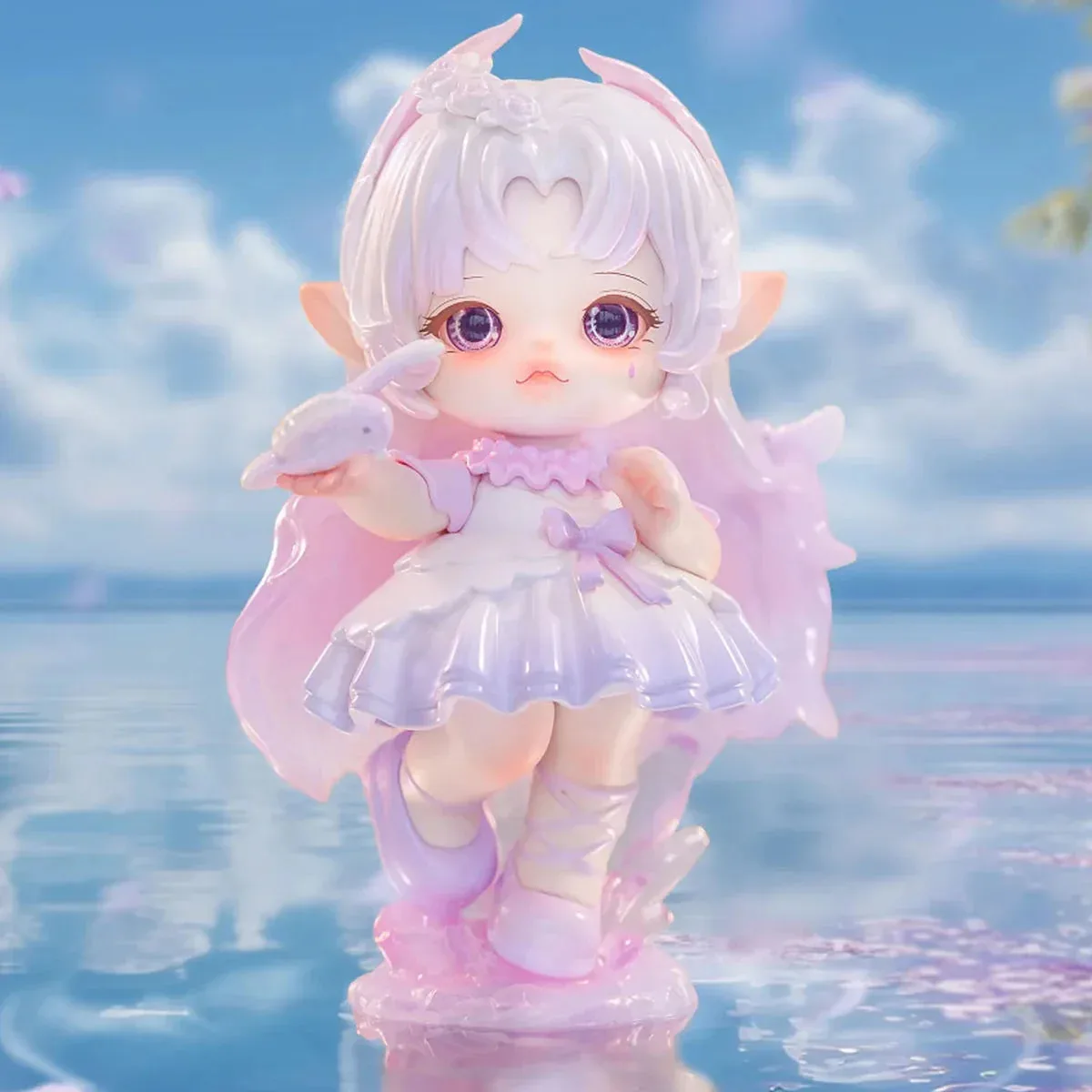
- FLORA Dream Of Journey To The West Figure Series Blind Box: FLORA's Dream Of Journey To The West figure series draws on Wu Cheng'en's classic novel, with each figure featuring FLORA in different Journey-to-the-West dream vignettes with Monkey King, Pigsy, Sandy and Tang Sanzang themed accents. The themed accents are the point of the series. Check that your figure carries the right character accents for its vignette, not that the paint matches the listing photo exactly.
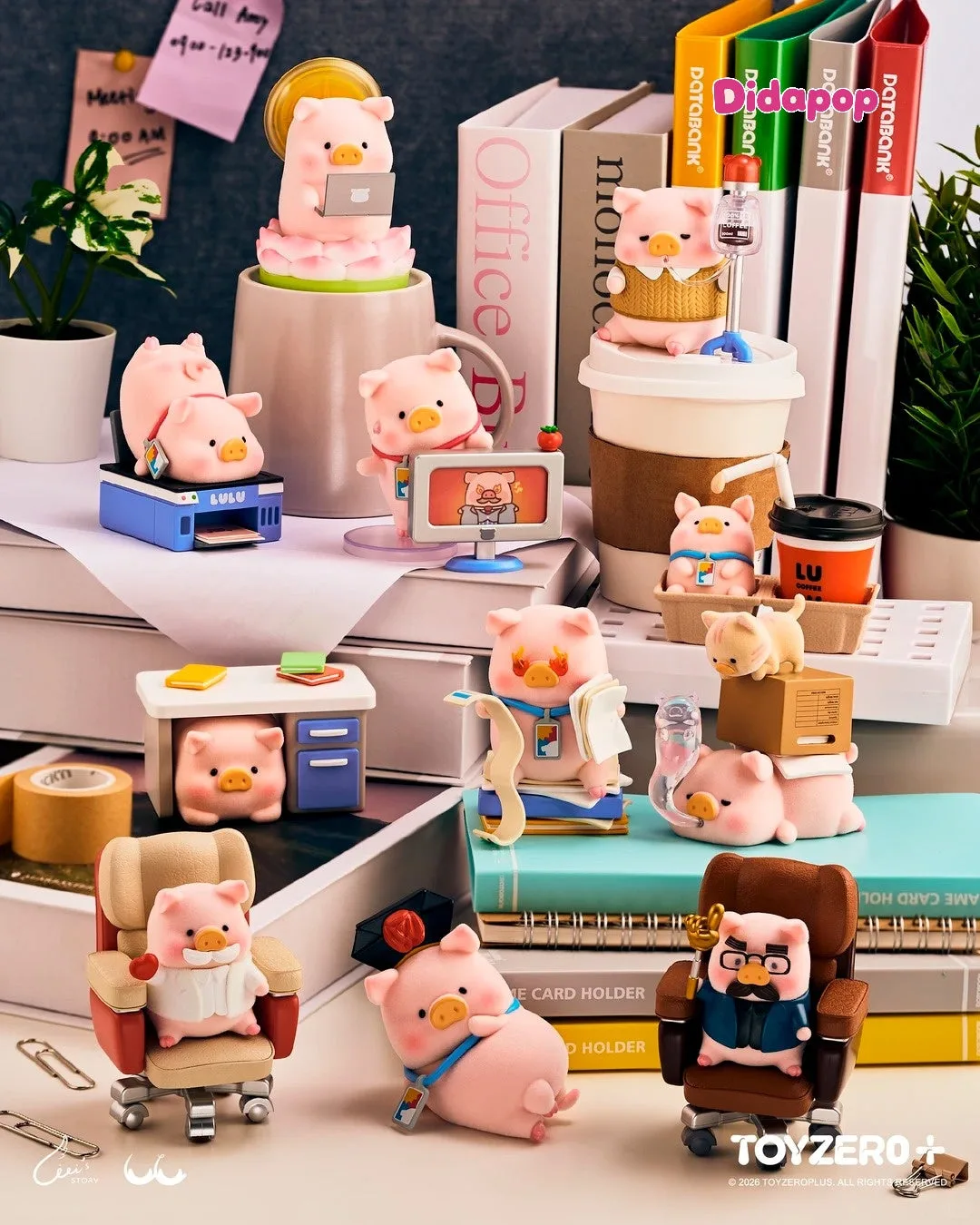
- LULU THE PIGGY Office Series Figure Blind Box: LULU THE PIGGY enters the office in this figure blind-box series, with office desks, meeting moments, and small workplace scenes informing each figure's pose and accessories. Pose and accessories carry the theme here. A slightly different paint finish matters far less than whether the pose and props match the workplace concept.