Quick answer
Elastic waistbands lose stretch mainly from heat exposure, harsh detergents, and repeated mechanical stress. You can slow the decline by washing in cold water, skipping the dryer, and rotating your pairs. Once the elastic has visibly relaxed or the waistband no longer snaps back, replacement is the practical fix.
What actually happens inside an elastic waistband
Elastic waistbands are made from rubber or spandex fibers wrapped in fabric. These fibers stretch and recover thousands of times. Over time, heat, chemicals, and mechanical stress break down the polymer chains, so the waistband stops returning to its original size. The fabric may still look fine while the stretch is gone.
The three main causes of lost elasticity
Heat is the biggest culprit. Hot water and high dryer temperatures accelerate elastic fatigue. Harsh detergents and chlorine bleach damage the fibers chemically. Mechanical stress comes from pulling waistbands over hips, sitting on rough surfaces, and tumble drying, which stretches and shocks the elastic repeatedly.
How to wash boxer briefs to protect the waistband
Turn them inside out and wash in cold water on a gentle cycle with a mild detergent. Skip fabric softener and bleach. If you must machine dry, use the lowest heat setting and remove them while slightly damp. Better yet, hang or lay flat to dry. These habits directly extend underwear life.
What you can fix and what you can't
If the waistband is merely stretched from a recent wear, a cold rinse and air dry can help it recover slightly. If the elastic is cracked, brittle, or permanently relaxed, no home fix will restore it. Sewing a new elastic band inside is possible but usually not worth the effort compared with replacing the pair.
Choosing boxer briefs with better elastic longevity
Look for waistbands described as soft and non-pinching, with a fabric-wrapped elastic rather than exposed rubber. A blend of MicroModal and Lycra with four-way stretch tends to hold up well when cared for properly. Also check for a printed care label, which avoids a scratchy tag that might tempt you to tug at the waistband.
Diagnose your waistband: symptom, cause, action, stop point
- Waistband feels loose but fabric looks new: Likely heat or chemical damage from hot washing or dryer use. Switch to cold water and air drying immediately. If it doesn't recover after two cold washes, the elastic is fatigued.
- Waistband rolls or folds over: Often caused by a stretched elastic that no longer lies flat. Check if the band snaps back when stretched gently. If it stays rolled, replacement is the practical fix.
- Elastic is cracked or brittle: The rubber or spandex fibers have degraded. No washing or drying method will reverse this. Stop trying to fix it and replace the pair.
- Waistband leaves red marks but isn't stretched out: This is a fit issue, not an elasticity problem. A different size or a softer waistband design may help. If marks persist, consider a style with a fabric-wrapped, logo-less waistband.
Product facts that matter for elastic life
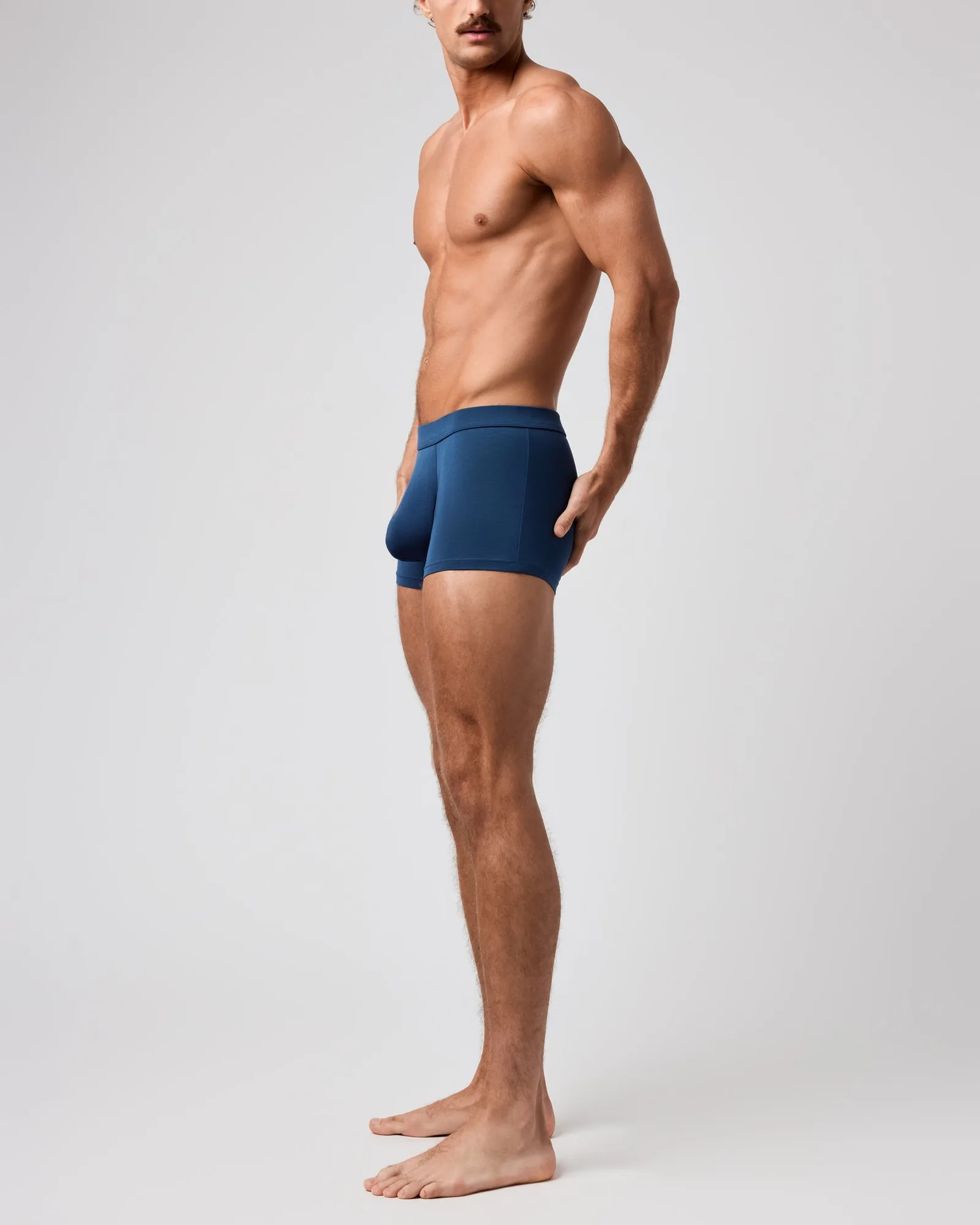
- EliteMan - Boxer Brief 3 inch Leg: Logo-less fabric wrapped waistband – no pinching/marks on skin A wrapped waistband protects the elastic and reduces the urge to pull or adjust, which lowers mechanical stress.
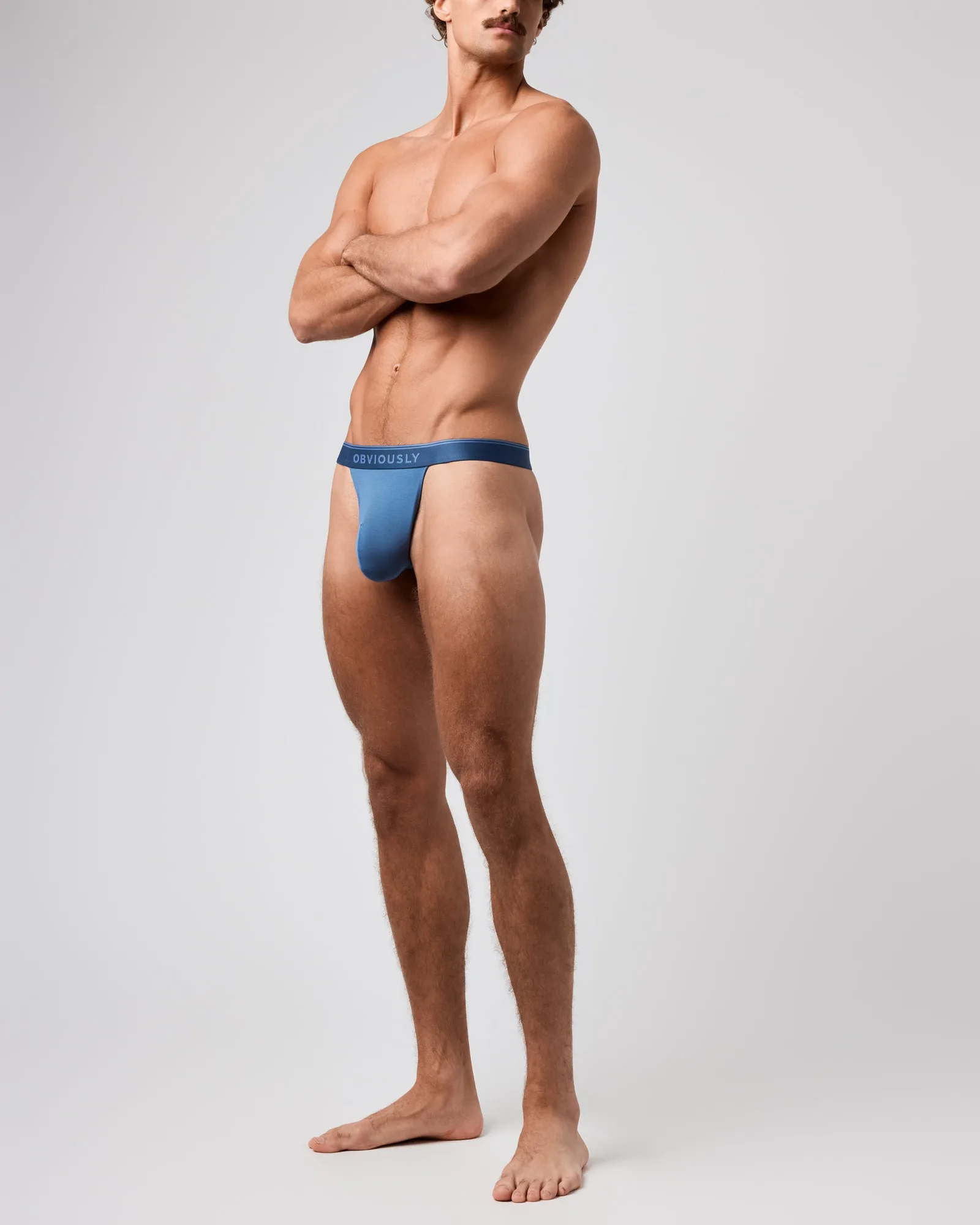
- PrimeMan - Thong: Elastic free thong section No elastic in the thong section means one less area to lose stretch, though the waistband still benefits from careful washing.