Quick answer
A sudden favorite Kin usually means your child has found a reliable source of plush toy emotional security, not that they are regressing or being difficult. Comfort object child development research describes this as a normal, healthy step: the plush becomes a stand-in for your calm when you are not physically there. Let the attachment happen, keep the Kin clean and replaceable, and use it as a bridge rather than a crutch.
What actually changes when a Kin becomes the favorite
Attachment rarely appears out of nowhere. It usually follows a stretch of change or stress: a new sibling, a room move, starting preschool, a illness, or even a growth spurt that makes the world feel less predictable. During those weeks, your child may test several toys before one sticks. The one that sticks is the one that was present during a moment of comfort, so the plush becomes linked to feeling safe.
You may notice the shift as a preference for one specific Kin over all others, distress when it is missing, or a new bedtime ritual that must be followed exactly. That rigidity is normal. The routine is the point: repetition is how a transitional object toddler builds trust that the calm will return.
How to support the attachment without letting it run the household
Keep the favorite Kin available but not exclusively in charge. Let your child bring it to bedtime, doctor visits, and car rides, but practice short separations at home first, such as leaving the Kin in a designated spot during meals. This teaches that the comfort is portable and that you are still there.
Buy a second identical Kin if you can, and rotate them so both get worn in evenly. A backup that looks and smells new is often rejected, while a rotated pair stays interchangeable. If a duplicate is not possible, wash the Kin gently and keep it in a consistent place so it is easy to find. Avoid making the Kin a reward or punishment; using it as leverage can make the attachment feel unsafe.
When a favorite Kin is a sign to check in, not worry
Attachment becomes a concern only when it blocks development: your child refuses all comfort from people, stops playing with peers, or the Kin is the only way to stop a tantrum every time. In those cases, talk with your pediatrician or a child therapist. For most children, the favorite Kin is a phase that loosens on its own as language and self-regulation grow.
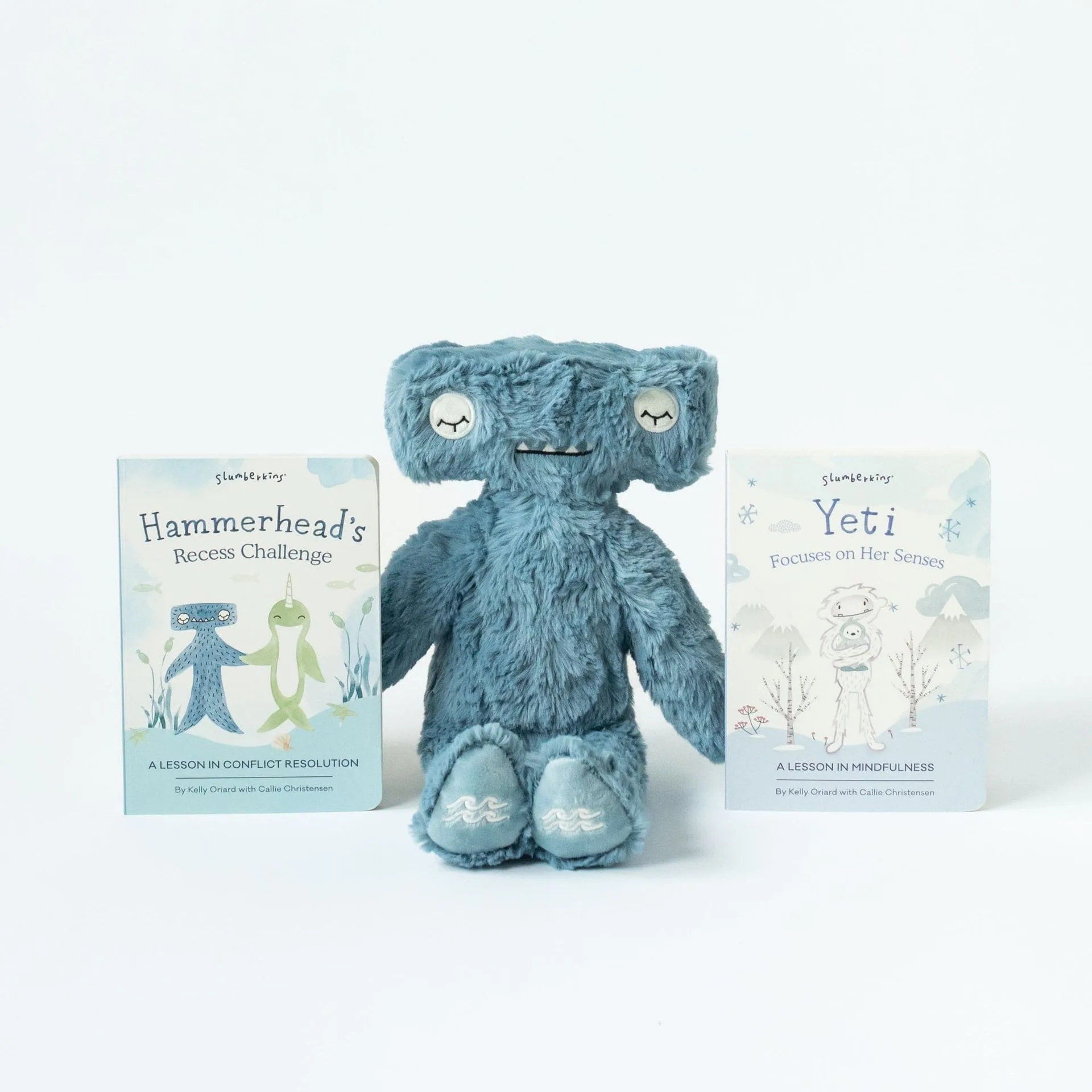
You can also use the Kin as a conversation starter. Ask what the Kin is feeling, or what the Kin would do in a hard moment. This turns the plush into a practice tool for naming emotions rather than a silent security blanket. Slumberkins Kins are built around that idea, pairing a plush with affirmation-based language, so the comfort object carries a script you can repeat together.
Parent questions about sudden Kin attachment
Is it normal for my child to suddenly prefer one Kin over all others?
Yes. A sharp preference often follows a change or stressor, and the Kin becomes linked to the calm your child felt in that moment. The intensity usually fades as language and self-soothing skills grow. Expect the preference to be strong for a few weeks, then loosen.
Should I buy a second identical Kin as a backup?
If the Kin is available, a duplicate is practical because it can be rotated and washed without a crisis. Rotate both from the start so neither stays pristine; a brand-new twin is often rejected. Rotate two Kins evenly rather than keeping one in a drawer.
What if my child will not sleep without the Kin?
That is common and not automatically a problem. Keep the Kin in the bed as part of the routine, but practice short daytime separations so the toy does not become the only path to calm. If sleep is severely disrupted for weeks, check with your pediatrician. Use the Kin as one part of the routine, not the whole routine.
When should I worry about lovey attachment?
Worry less about the toy and more about function. If your child refuses comfort from people, stops playing, or cannot function without the Kin in every setting, seek advice from a pediatrician or child therapist. The toy is not the issue; blocked development is.
Can a Kin help with emotional security during a big change?
A familiar plush can act as a portable reminder of home during moves, travel, or a new classroom. Pairing it with simple affirmation language, which several Slumberkins Kins include, gives your child a phrase to repeat when you are not right there. Pair the plush with one short phrase your child can say.
Products that support this stage
- Sage Repair Bear Single: Sage Repair Bear Single is designed for repair after conflict, with a story that helps families break the habit of sweeping big moments under the rug. If your child's attachment spikes after an argument or a hard day, a Kin with a repair-focused story gives you words for reconnecting instead of pretending nothing happened.
- Let's Grow Summer Series: Ocean Blue Narwhal Kin with Books & Parenting Guide: Let's Grow Summer Series: Ocean Blue Narwhal Kin with Books & Parenting Guide pairs the plush with a Growth Mindset Parenting Guide and story about setbacks. A Kin bundle with a parent guide is useful when the favorite plush arrives alongside a new challenge, because the guide gives you a script for the exact moments your child reaches for the toy.
- Complete Emotional Wellness Bundle – 15 Plush Kins, Affirmations & Parenting Toolkit: Complete Emotional Wellness Bundle includes all 15 core Kins, affirmation-based tools, and the Creatures Full of Feelings Parenting toolkit. If you want to let your child choose their own favorite rather than guessing, a full set gives them options and gives you a shared emotional vocabulary to use with whichever Kin they attach to.