Quick Answer
Organic tea is generally a safer and more environmentally friendly choice, but myths about it being completely pesticide-free or superior in taste need nuance. While organic certification restricts synthetic pesticides, it doesn't guarantee zero pesticide residues. The real benefits lie in supporting sustainable farming and avoiding many synthetic chemicals.
If you've ever stood in the tea aisle wondering whether to pay extra for organic, you're not alone. Organic tea myths are everywhere: some say it's completely pesticide-free, others claim it tastes better or that it's just a marketing gimmick. But what's the real story?
In this myth-busting comparison, we'll separate fact from fiction using only the information on our product labels. You'll learn what organic certification really means, how organic teas compare to non-organic in terms of ingredients and benefits, and whether making the switch is worth it for you.
Myth: Organic Tea Means Zero Pesticides
Many people believe that organic tea is completely free of pesticides. However, organic certification actually means that farmers avoid synthetic pesticides and fertilizers, relying instead on natural methods. But organic farms can still be affected by environmental pollutants or use approved natural pesticides. So, while organic tea significantly reduces your exposure to synthetic chemicals, it's not a guarantee of zero pesticide residues.
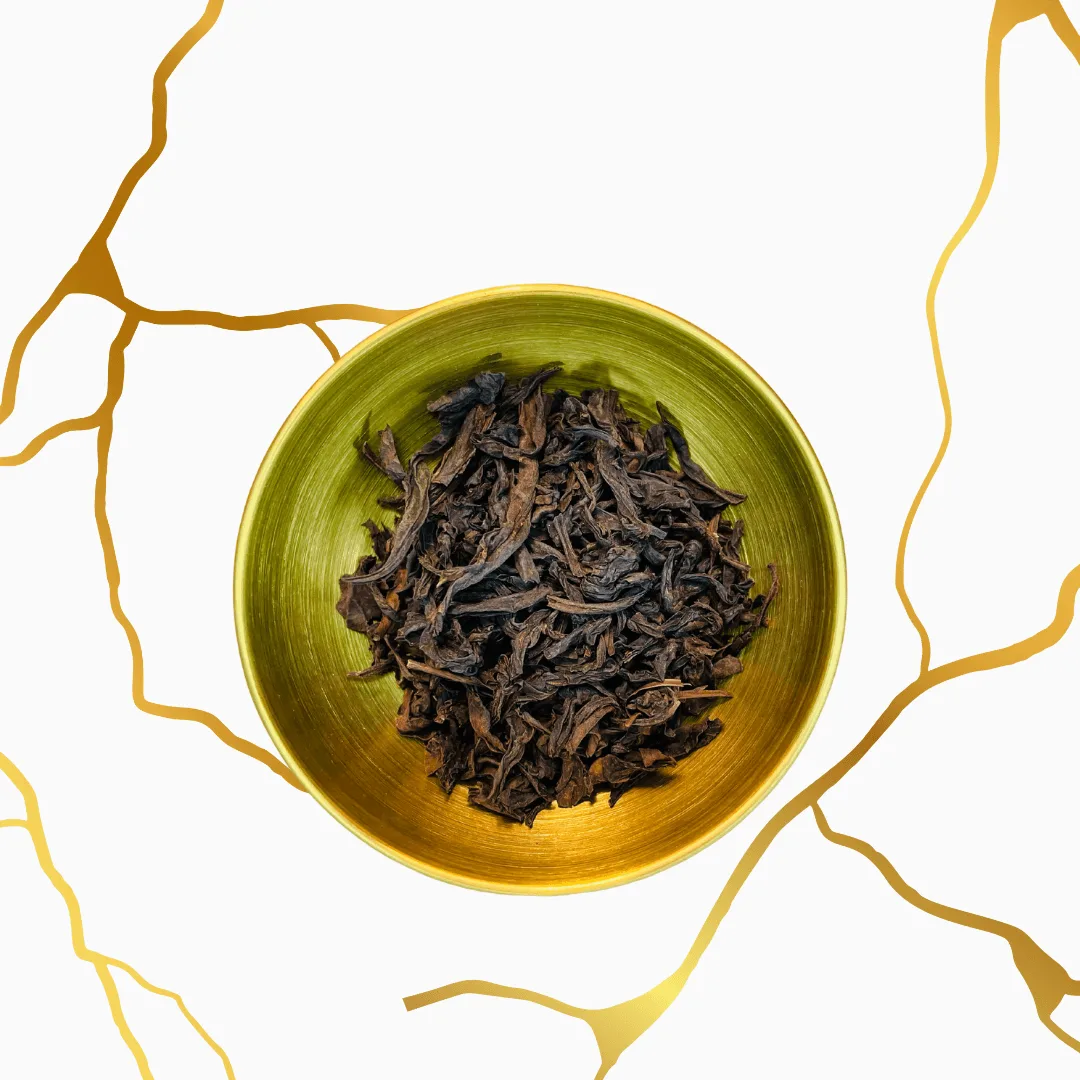
What you can count on is that organic teas like our Da Hong Pao OOLONG O.P. Tea are grown without synthetic inputs, which is better for the soil and waterways. If you're concerned about pesticide exposure, choosing organic is a proactive step, but don't assume it's 100% pesticide-free.
- Check the ingredients list: Organic teas often list 'organic' before each ingredient, as seen in our blends.
- Understand that 'organic' doesn't mean 'untouched by nature'; it means managed with natural methods.
Myth: Organic Tea Always Tastes Better
Taste is subjective, and while some people claim organic tea tastes fresher or more complex, there's no universal rule. Flavor depends on the tea variety, growing conditions, harvesting, and processing. For instance, our Da Hong Pao Oolong has a roasted flavor with a sweetness comparable to baked goods, which comes from its mountainous origin and processing, not just its organic status.
That said, organic farming can lead to healthier plants and soil, which might contribute to a more vibrant flavor in some cases. But don't expect every organic tea to taste superior. The best way to decide is to try different options and see what pleases your palate.
- Sample organic and non-organic versions of similar teas to compare.
- Focus on tasting notes that appeal to you, like the sweet, roasted character of Da Hong Pao.
Myth: Organic Tea Is Not Necessarily Healthier
Some argue that organic tea isn't healthier because the beneficial compounds are the same. While it's true that tea leaves contain antioxidants and other nutrients regardless of farming method, organic tea avoids synthetic pesticide residues that could have health risks. Choosing organic reduces your intake of these chemicals, which is a health benefit in itself.
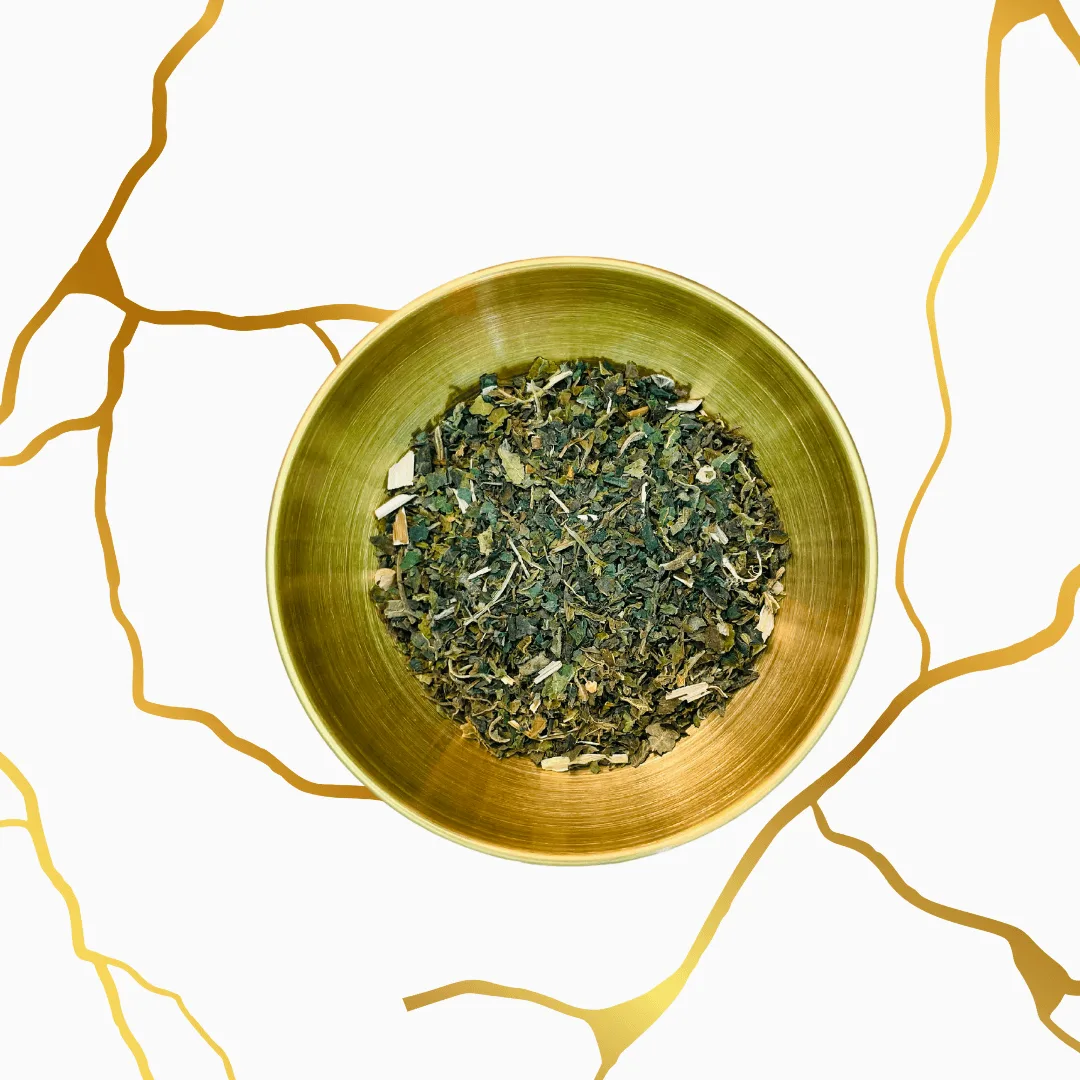
Additionally, many organic teas are less processed and may retain more natural nutrients. For example, our Nettle Leaf Tea is simply dried organic nettle leaves, offering a green flavor with an earthy undertone. The absence of synthetic chemicals means you're getting a cleaner product.
- Look for teas with minimal ingredients, like single-herb options.
- Consider your overall health goals: if you want to avoid synthetic chemicals, organic is a clear choice.
Verdicts on Organic Tea Myths
- Myth: Organic tea is 100% pesticide-free: Organic certification restricts synthetic pesticides, but natural pesticides and environmental residues can still occur. It's not a zero-residue guarantee. Verdict: False. Choose organic to minimize synthetic chemical exposure, but don't assume absolute purity.
- Myth: Organic tea is always tastier: Flavor is influenced by many factors beyond organic status. Some organic teas, like Da Hong Pao, have unique tastes, but this isn't universal. Verdict: Subjective. Taste test to find what you enjoy.
- Myth: Organic tea is healthier: Organic teas avoid synthetic pesticides, which is a health benefit. They also often have simpler ingredient lists, as seen in our organic blends. Verdict: Mostly true. Organic is a healthier choice for reducing chemical intake.
Product Facts: What Organic Means on Our Labels
- Da Hong Pao OOLONG O.P. Tea (Organic): Da Hong Pao O.P Organic is one of the most famous oolong teas in the world. The tea is found in one of the more denser parts of the worlds mountains. Because of its mountainous location, it births a sophisticated taste. The roasted flavor tea has a particular sweetness to it; Which is Comparable to baked goods. This shows that organic oolong can offer a complex, enjoyable flavor without synthetic inputs, making it a great choice for those who want both quality and organic certification.
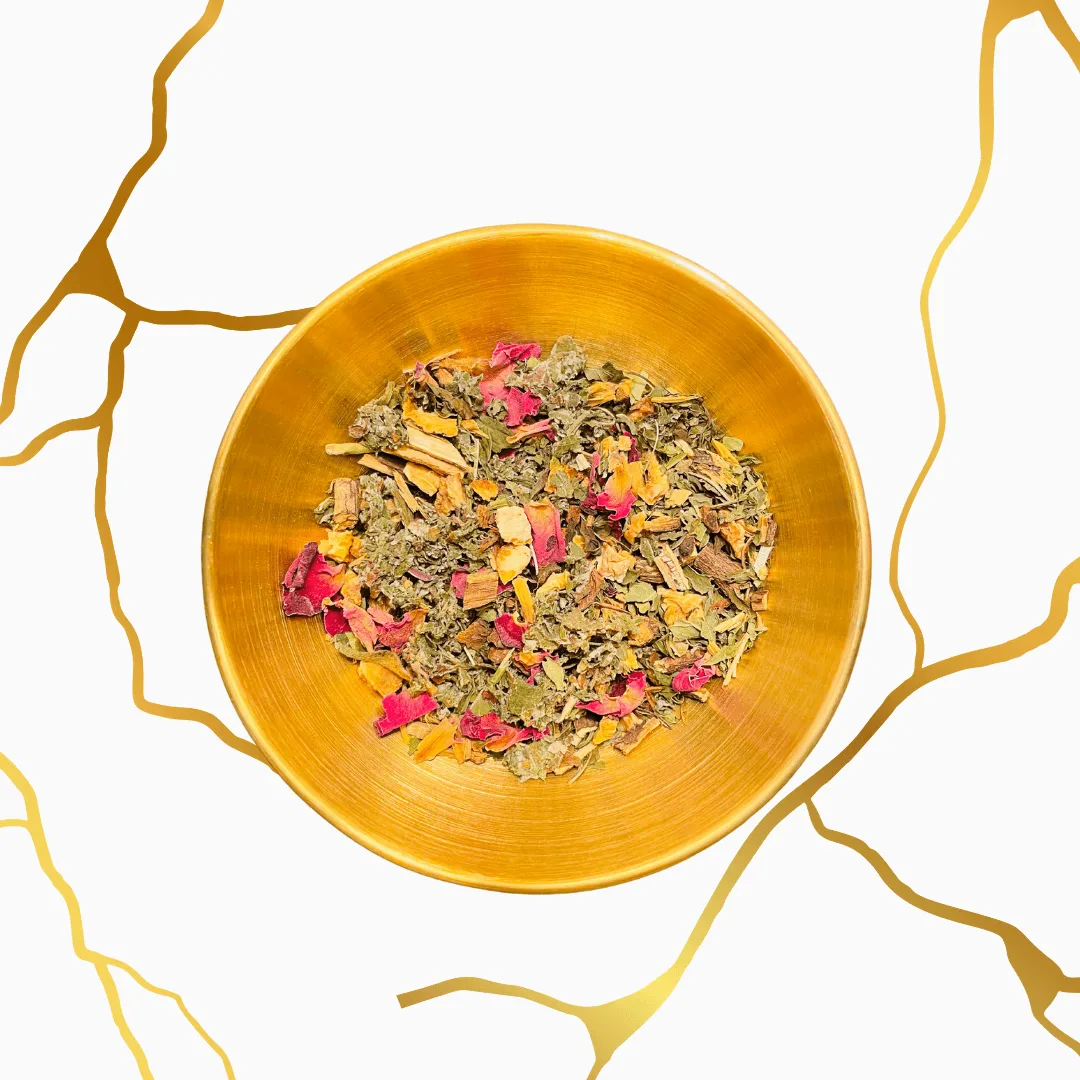
- MEDITATION TEA (Organic): Ingredients: Organic licorice, organic spearmint, organic orange peel, organic cinnamon, organic red rose buds and petals, organic raspberry leaf and organic lemon verbena. The explicit listing of each organic ingredient demonstrates transparency and ensures that every component in the blend is certified organic, reducing the risk of hidden synthetic additives.
- Nettle Leaf Tea (Organic): Nettle Leaf Tea (Organic) Urtica dioica which also know as stinging nettle provides a delicious green tea flavor with an earthy undertone. Ingredients: Organic Nettle Leaf / Urtica Dioica. A single-ingredient organic tea like this is a straightforward way to enjoy the benefits of nettle without worrying about other non-organic components.
Organic tea offers real advantages, especially in reducing synthetic pesticide exposure and supporting eco-friendly farming. But it's not a magic bullet. By understanding the myths and facts, you can make an informed choice that aligns with your values and taste preferences. Explore our organic range to find teas that suit your lifestyle.