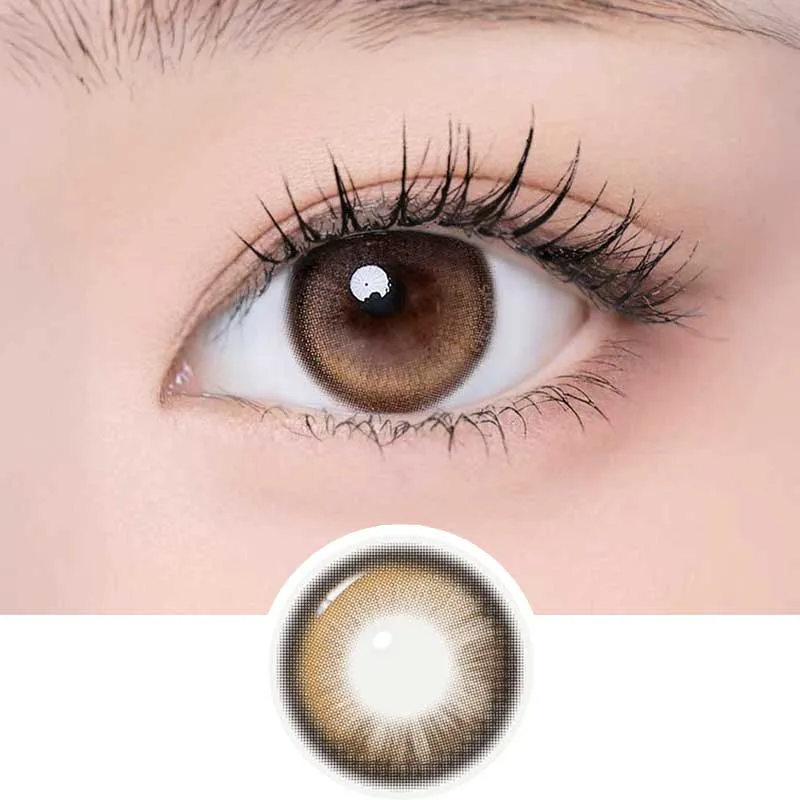
Quick answer
Colored contacts often feel dry because the lens material, pigment layer, or your environment pulls moisture from your eyes. Start by using preservative-free lens drops for dry contacts, limit wear time, and check if your lens water content matches your tear film. If dryness persists after a week of adjustments, switch to a different lens material or consult an eye care professional.
Symptom: When dryness starts and how it feels
Dryness usually shows up as a gritty, stinging, or tired feeling that begins a few hours into wear. You might notice your colored contacts feel dry specifically when you blink, when you stare at a screen, or in air-conditioned rooms. Unlike an allergic reaction, dryness rarely causes redness or discharge at first. It is a comfort problem, not an immediate emergency, but ignoring it can lead to scratched corneas or infections if you rub your eyes or wear lenses too long.
Cause 1: Lens water content works against you
High-water-content lenses (above 50%) feel soft and moist out of the pack, but they lose water to the air and then pull moisture from your eyes to stay hydrated. If your eyes already run dry, a high-water lens can make things worse. Lower-water lenses (around 38–45%) hold onto their moisture better for some people. Check the water content on your lens box. If it is 55% or higher and you still feel dry, try a lower-water alternative. This is one of the most common contact lens discomfort causes that people overlook.
Cause 2: Pigment layer and lens design
Colored contacts have a pigment layer sealed inside the lens. In well-made lenses, this layer is thin and does not block oxygen or moisture. But thicker or poorly sealed pigment can reduce breathability and make the lens feel dry. Also, a lens that does not fit your eye curve (base curve) can slide and cause friction, leading to dryness. If your lenses feel dry only in certain colors or brands, the pigment or fit is likely the issue. Try a different brand with a sandwich construction that keeps pigment away from the eye surface.
Cause 3: Environment and habits
Dry air from heaters, air conditioning, or winter weather pulls moisture from your lenses. Screen time reduces blink rate, so your lenses dry out faster. Smoking, caffeine, and some medications (like antihistamines) also dry your eyes. Even your lens solution can be a culprit: some preservatives cause irritation that feels like dryness. Track when dryness hits. If it is always at your desk or in the car, your environment is the main driver. A humidifier, frequent blinking breaks, and preservative-free rewetting drops can help.
Corrective actions you can try today
Start with preservative-free lens drops for dry contacts. Use them before dryness starts, not after your eyes are already irritated. Limit wear to 8–10 hours, and never sleep in daily lenses. If you wear monthly lenses, replace them on schedule. Clean your lenses with fresh solution every time; do not top off old solution. For screen work, follow the 20-20-20 rule: every 20 minutes, look 20 feet away for 20 seconds. If you wear makeup, choose oil-free formulas and avoid putting eyeliner inside the lash line. These steps reduce tear film disruption and keep lenses hydrated.
When to stop and choose another option
If you have tried drops, shorter wear times, and a different lens brand for a week and your colored contacts still feel dry, stop wearing them. Persistent dryness can mean your tear film is not compatible with that lens material. Switch to daily disposable lenses, which are thinner and fresher, or try a lens with lower water content. If dryness comes with pain, redness, blurred vision, or light sensitivity, remove your lenses and see an eye doctor. Do not push through discomfort; your eyes need moisture to stay healthy.
Diagnose your dryness: symptom, cause, action, stop point
- Symptom: Dryness after 2–3 hours: Likely cause: high water content lens pulling moisture from your eyes. Action: switch to a lower-water lens (38–45%) or use preservative-free rewetting drops every 2 hours. If no improvement in 3 days, try a different brand.
- Symptom: Dryness only in air conditioning or at screens: Likely cause: environmental moisture loss and reduced blinking. Action: use a humidifier, take blink breaks, and apply drops before symptoms start. If your eyes still feel dry at the end of the day, reduce wear time by 2 hours.
- Symptom: Dryness with redness or pain: Likely cause: lens fit issue, solution reaction, or infection. Action: remove lenses immediately and do not reinsert. See an eye doctor if symptoms persist after 24 hours. Do not try to fix this with drops; stop wearing lenses until cleared.
Product facts that matter for dryness
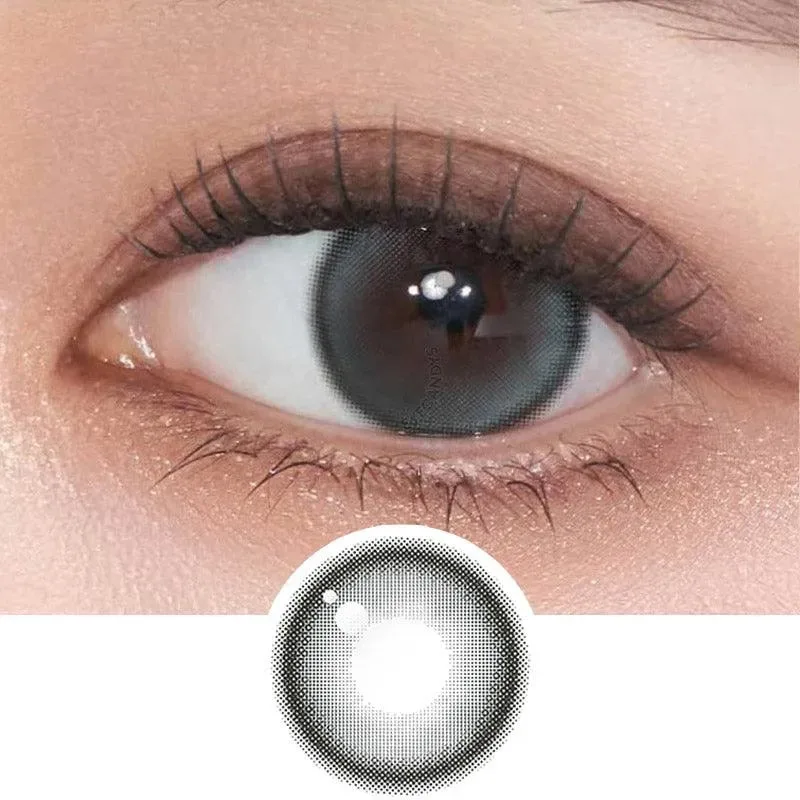
- Molak 1-Day Bubble Blue (10pk): Molak 1-Day Bubble Blue (10pk) has a high 55% water content and sandwich lens construction. High water content feels moist initially but can draw moisture from dry eyes. Sandwich construction keeps pigment sealed, reducing irritation risk.
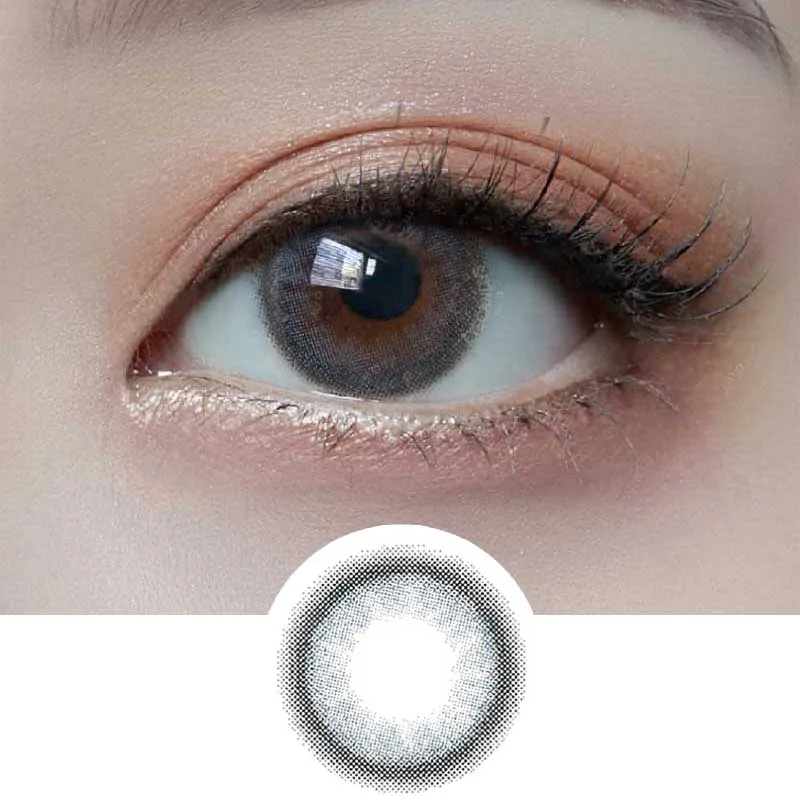
- Gemhour Demeter 1-Day 13.0 Ocean Blue (10pk): Gemhour Demeter 1-Day 13.0 Ocean Blue (10pk) is available in both non-prescription and myopia prescription (power 0.00 to -8.00). If you need vision correction, this lens lets you avoid stacking glasses over contacts, which can worsen dryness from poor fit.