Quick answer
Cream blush usually fades because it is sitting on a slippery or overly damp base, because it was never set, or because it was placed too low on the cheek where movement and oil break it down first. Fix the base, set only where you need it, and place color higher on the cheekbone. If your skin is very oily or you are in high heat, a cream-to-powder finish will outlast a dewy cream.
Start with the base, not the blush
Most cream blush not lasting complaints trace back to what is underneath. If you apply cream blush over a rich moisturizer, a dewy primer, or a still-tacky sunscreen, the color has nothing to grip and it slides off within a couple of hours. Let each layer settle for a minute or two before the next one, and blot away excess oil or cream with a tissue before you tap on color. On normal to dry skin, a light moisturizer plus a thin layer of foundation or tinted base is enough. On oily skin, skip heavy creams in the cheek area entirely and use a mattifying primer only where shine appears first.
Set strategically, not everywhere
Powder does not automatically kill a cream blush, but the wrong powder in the wrong place will. A heavy dusting all over the cheek flattens the finish and can make the color look patchy by mid-day. Instead, press a small amount of micro-fine setting powder only over the areas that break down first, usually the outer cheek and anywhere you tend to touch your face. Keep the center of the cheek free so the cream stays visible. If you want a soft-focus finish without a white cast in photos, choose a flashback-free powder and use a light hand.
Place color higher and build in thin layers
Cream blush placed low on the cheek sits in the zone where facial movement, jawline oil, and phone contact wear it away fastest. Apply it slightly higher, starting on the upper cheekbone and blending upward and outward toward the temple. Build in two or three thin layers rather than one heavy swipe. Thin layers dry down more evenly and leave less product to migrate. Use your fingers or a dense synthetic brush with a light tapping motion; dragging the brush lifts the base underneath and shortens wear time.
Match the formula to your skin and climate
A dewy cream blush is a poor match for very oily skin or a hot, humid day, and no application trick will fully override that. If you have tried base prep, strategic powder, and higher placement and the color still disappears, switch to a formula with a cream-to-powder or matte finish. These set faster and resist oil better. If your skin is dry and the blush is fading in patches rather than disappearing evenly, the issue is more likely dehydration than oil, so add a hydrating layer before makeup rather than more powder.
Diagnose your fading blush
- Color gone within two hours, skin feels slick: Oil is breaking down the cream before it can set. Blot, apply a mattifying primer only on the cheek, and set the outer cheek with a micro-fine powder. If shine returns within an hour after this, move to a cream-to-powder blush.
- Color looks patchy and uneven, not fully gone: The base underneath was too damp or too rich, so the cream separated. Let each skincare and base layer settle, then blot before applying blush in thin layers. If patchiness continues on dry skin, add hydration before makeup instead of more powder.
- Color fades only on the lower cheek and jaw: Placement is the problem. Move the blush higher onto the cheekbone and blend upward and outward, away from the areas that move and touch most. If the higher placement still fades by afternoon, your formula is the limiting factor, not your technique.
Cheeks products that help with fading
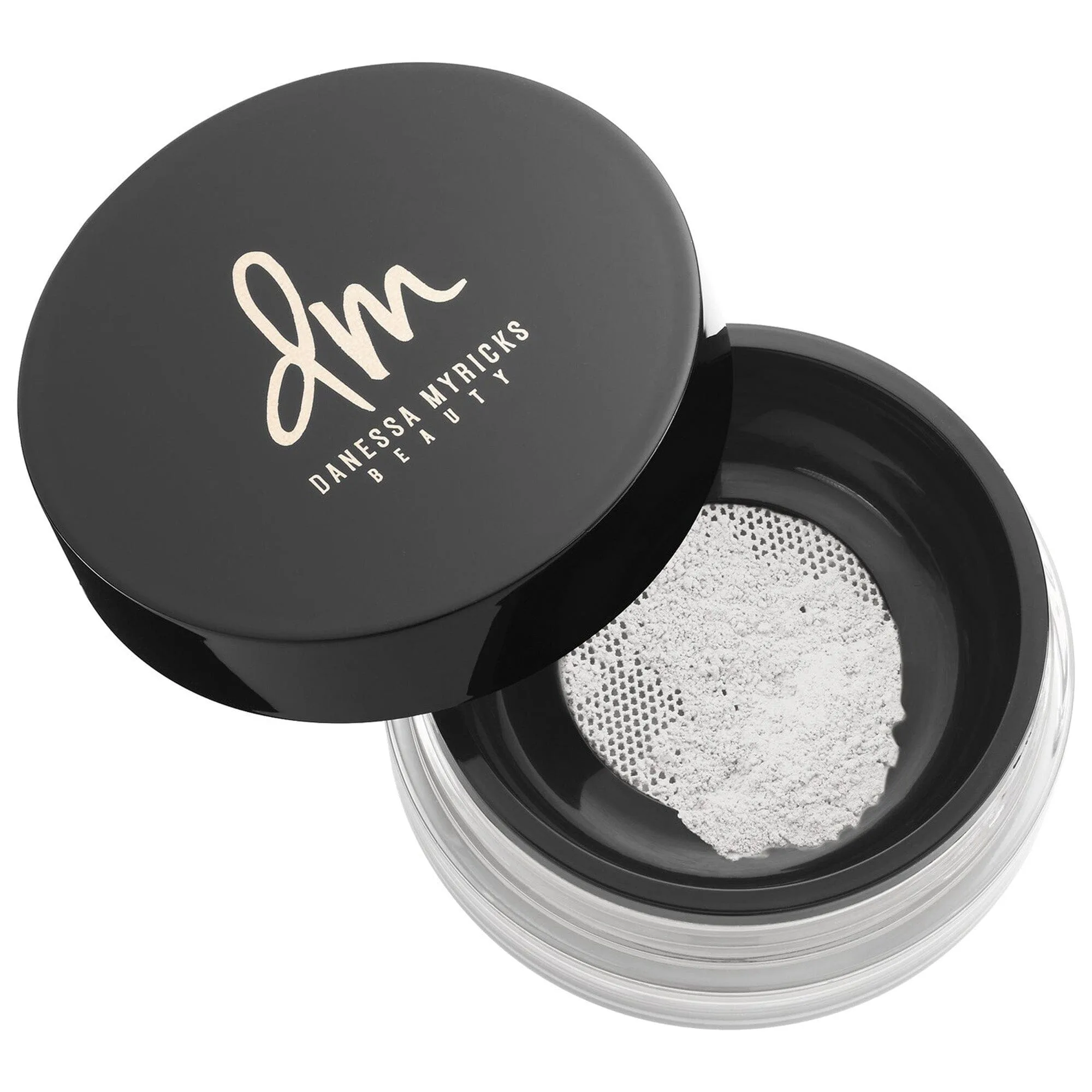
- Evolution Powder: Evolution Powder is a micro-fine, flashback-free powder designed to mattify, blur, set, and correct makeup, available in a Pink shade to help correct. Use it to set only the outer cheek and oily zones without a white cast in photos, which keeps the cream blush visible while controlling the shine that breaks it down.