Quick answer
If your kit smells after washing, the cause is almost always trapped residue or biofilm, not a lack of soap. Stop using fabric softener and over-dosing detergent, wash synthetics in a small load with a sport-specific or residue-free detergent, and run an occasional deep clean. If odor returns within one ride, the garment's fibers have likely held onto bacteria and it may be time to replace that piece.
Symptom check: clean out of the wash, sour by kilometer ten
The telltale pattern is a garment that smells neutral when damp but turns sour as soon as you sweat. That points to residue or biofilm inside the fabric rather than surface dirt. If the smell is musty and stays even when dry, you're likely dealing with mildew from damp storage. If it's a sharp ammonia or vinegar note, it's bacterial breakdown of sweat. Write down which one you smell — it changes the fix.
Cause one: detergent and softener buildup
Liquid detergents, especially those with optical brighteners and fabric softeners, leave a waxy film on synthetic fibers. That film traps odor molecules and stops the fabric from releasing them in the wash. It also reduces breathability. The fix is not more detergent — it's less, plus a periodic strip wash. Use the minimum dose for a small load, skip softener entirely, and choose a detergent designed for technical fabrics. If you use a pod, check that it fully dissolves in a cold, short cycle; undissolved pod residue is a common culprit.
Cause two: biofilm in the fabric
Synthetics hold onto oils and bacteria more than cotton does. Over time, a biofilm forms in the fiber structure and standard washing only removes the top layer. A deep clean — sometimes called a strip wash — breaks that film down. Use a dedicated sports wash or a residue-free detergent and follow the label. Hot water can help, but check the care label first: some jerseys and bibs are cold-wash only. If you're unsure, start with a warm wash and a longer soak rather than risking shrinkage or print damage.
Corrective action: the reset wash
Wash synthetics separately from cotton towels and casual clothes — lint and cotton fibers cling to jersey fabric. Use a small load with room to move, cold or warm water per the care label, and a sport-specific detergent at the low end of the dose range. Add an extra rinse cycle. Skip the dryer; heat sets odor and can damage elastic. Hang to dry in moving air, ideally outdoors or in a ventilated room, and make sure the piece is bone dry before it goes in the drawer. Damp storage is how a clean kit starts smelling again.
Prevention habits that actually work
Don't leave sweaty kit in a bag or hamper for more than a few hours. Rinse or wash soon after the ride. Turn bibs and jerseys inside out before washing to expose the skin-contact side. Use the minimum detergent, never softener, and clean your washing machine monthly — residue in the drum transfers to the next load. Rotate at least two sets of kit so each piece has time to dry fully between rides. If you ride daily, a second jersey and bib short is not a luxury; it's the simplest way to keep odor from taking hold.
When to stop treating and replace
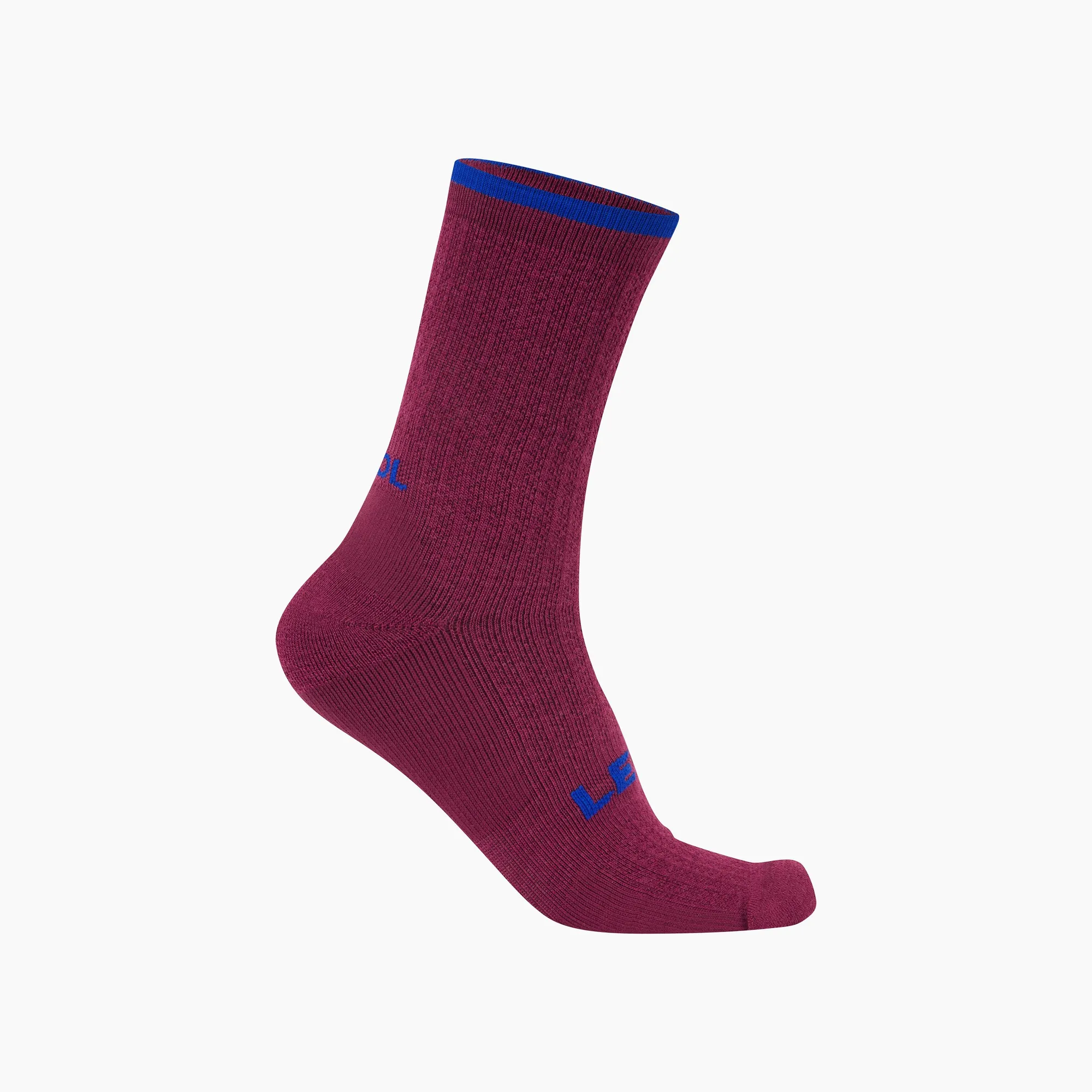
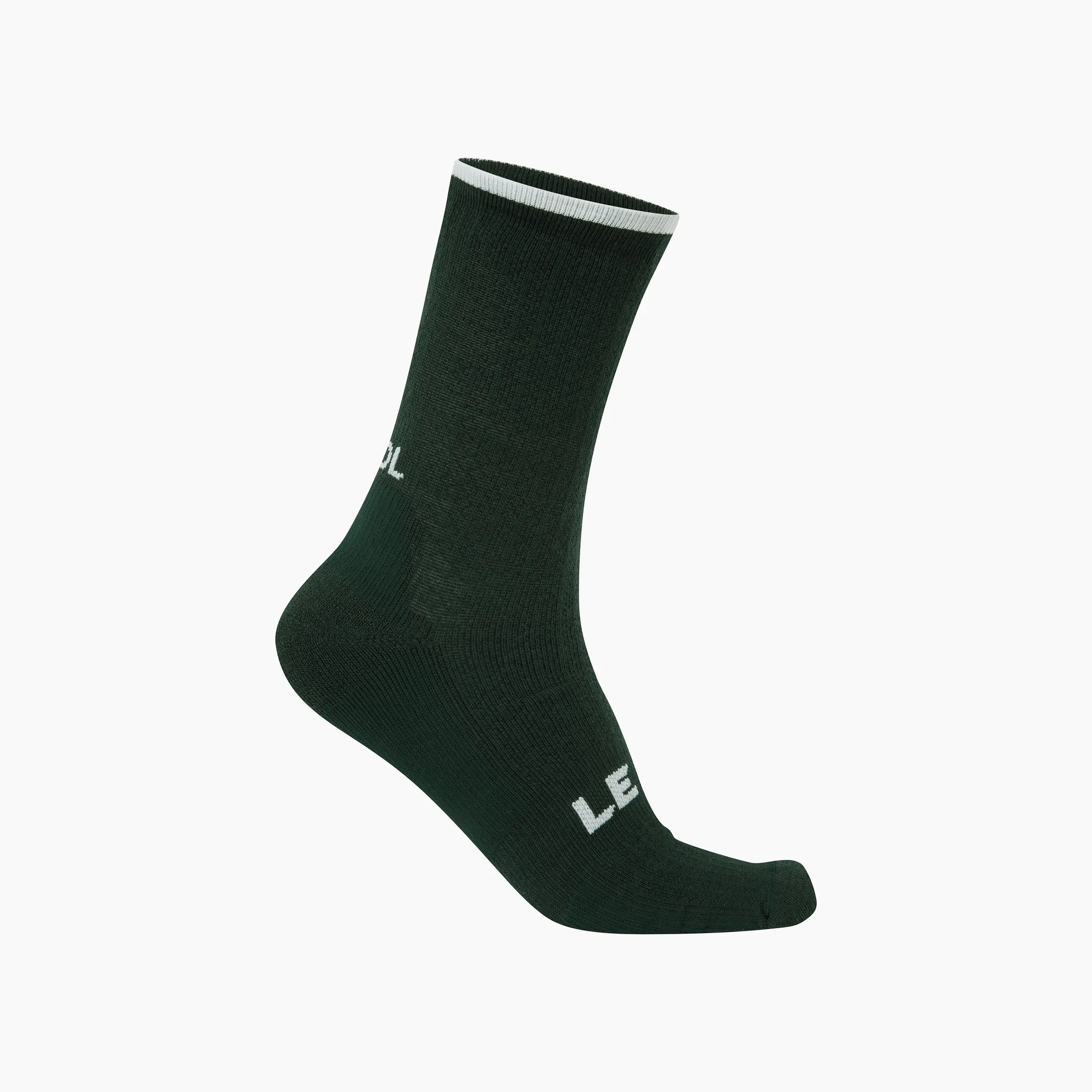
If a garment still smells within 20 minutes of putting it on after a proper reset wash, the fibers have likely reached the end of their useful life. This is common in older bib shorts where the chamois and elastic have absorbed years of sweat. Replacement is the honest answer. When you replace, choose pieces with durable construction and reinforced seams — they tend to hold up better to frequent washing. For example, the Sport Cargo Bib Shorts use durable performance fabrics and updated leg pockets designed to stay secure, which matters if you're washing them several times a week. The Long Tech Wool Cycling Socks blend wool's warmth-to-weight ratio with synthetic durability, and wool naturally resists odor better than pure synthetics — a useful option if socks are the piece that turns first.
Diagnose your kit odor
- Sour smell that appears only when you sweat: Residue or biofilm is trapping odor in the fabric. Do a reset wash with a sport-specific detergent and an extra rinse. If the smell returns on the next ride, repeat once. If it still returns, replace the piece.
- Musty smell even when dry: Mildew from damp storage. Wash with a detergent that targets odor, dry thoroughly in moving air, and store only when bone dry. Check your hamper and washing machine drum for hidden damp spots.
- Sharp ammonia or vinegar note: Bacterial breakdown of sweat. Wash sooner after rides, use a small load, and consider a deep clean for the whole kit rotation. If it persists after two deep cleans, the garment's fibers have likely reached the end of their life.
Products built for frequent washing
- Long Tech Wool Cycling Socks: Tech Wool Socks deliver a high warmth-to-weight ratio, with synthetic fibres and reinforced seams for durability. Wool resists odor naturally, so socks stay fresher between washes — useful if your socks are the first piece to smell.
- Sport Cargo Bib Shorts: Sport Cargo Bib Shorts combine durable performance fabrics with leg pockets updated for secure storage. Reinforced construction holds up to frequent washing, and secure pockets mean you're less likely to lose essentials mid-ride.
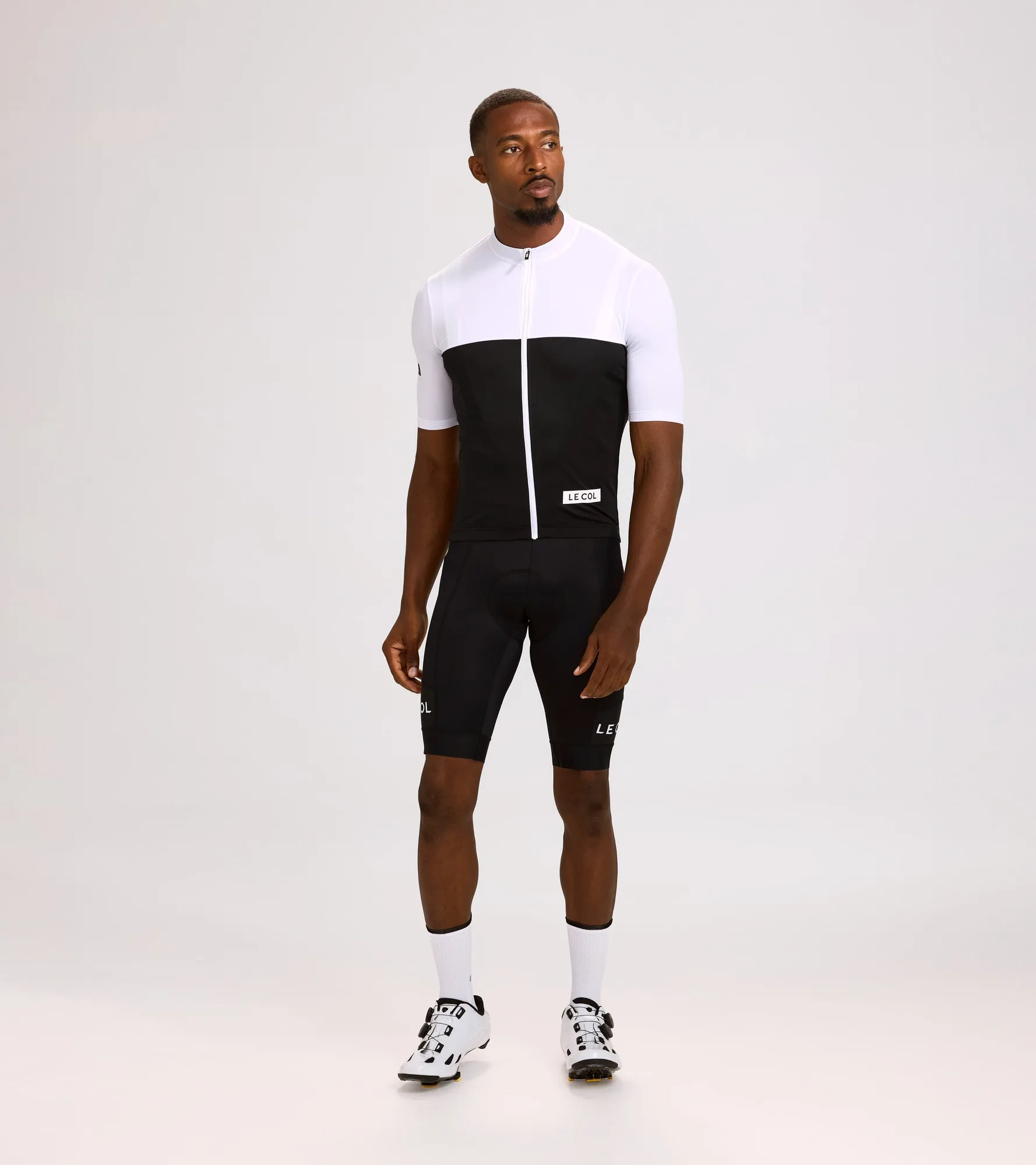
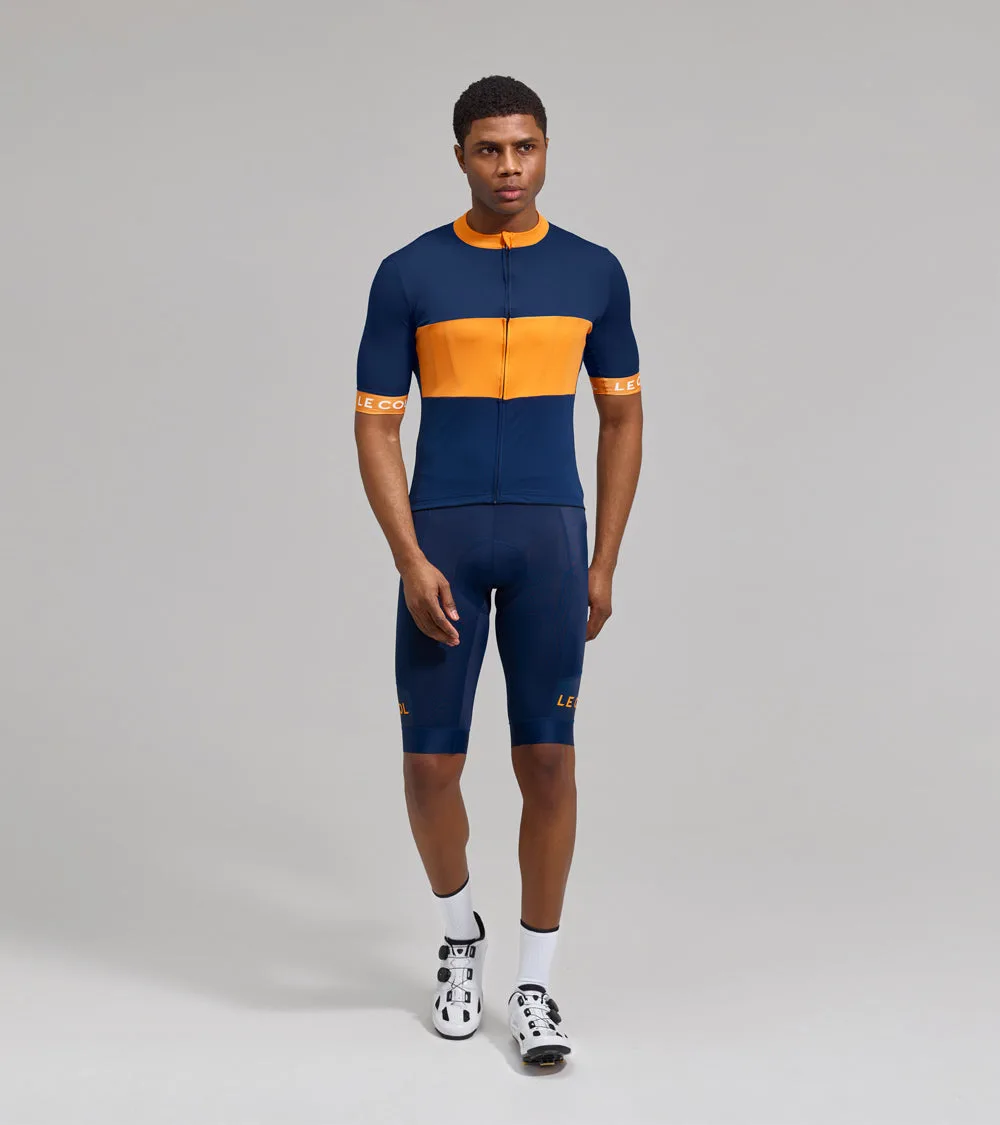
- Sport Jersey: Sport Jersey uses mechanical stretch knit polyester, less compressive than a race jersey, suited to club rides and everyday training. A less compressive fit and breathable knit make it a practical training jersey that can handle a regular wash cycle.