Quick Answer
Your noodles likely turn mushy because you're overcooking them, using too little water, or not rinsing them after cooking. Check your cooking time, use plenty of water, and taste-test a minute before the package suggests.
There's nothing more disappointing than pulling perfectly good noodles out of the pot only to have them turn into a soft, sticky mess. If you've ever wondered, 'Why do my noodles turn mushy?' you're not alone. The good news is that mushy noodles are almost always the result of a few common, easily fixable mistakes.
In this guide, we'll walk through the typical culprits behind mushy noodles—from water ratios to cooking times—and show you how to get firm, springy noodles every time. Whether you're cooking thin Tainan noodles or wide cheddar noodles, these tips will help you nail the texture.
Mistake 1: Overcooking the Noodles
The most common reason noodles turn mushy is simply cooking them too long. Every noodle has an ideal cooking time, but that time can vary based on thickness and ingredients. If you leave noodles in boiling water even a minute too long, they absorb excess water and lose their chew.
The fix is to set a timer and start taste-testing about a minute before the package's suggested time. The noodles should be tender but still have a slight bite in the center. Remember, they'll continue to cook slightly from residual heat even after you drain them.
Mistake 2: Not Using Enough Water
When you cook noodles in a small pot with not enough water, the starch concentration becomes too high. This makes the noodles sticky and can lead to a gummy, mushy texture as they cook.
Always use a large pot with plenty of water—at least 4 to 6 quarts per pound of noodles. The water should be at a rolling boil before you add the noodles. This gives them room to move and prevents them from clumping together.
- Use a pot large enough that the noodles can swim freely.
- Bring the water to a full boil before adding noodles.
Mistake 3: Skipping the Rinse (or Rinsing Too Much)
For many Asian noodle dishes, rinsing cooked noodles under cold water stops the cooking process and washes away excess starch. If you skip this step, the noodles can continue to soften and become mushy, especially if you're not serving them immediately.
On the other hand, rinsing too much can cool the noodles down and wash away flavor. The right approach depends on how you're using them. For cold salads or stir-fries, a quick rinse is beneficial. For hot soups, you might skip the rinse and instead undercook slightly.
Mistake 4: Ignoring the Type of Noodle
Different noodles have different personalities. Thin noodles cook faster than thick ones, and fresh noodles cook faster than dried. If you treat all noodles the same, you'll end up with some that are mushy and others that are undercooked.
Always read the package instructions and adjust for the specific noodle you're using. For example, A-Sha's Tainan Thin Noodles are delicate and cook quickly, while their wide cheddar noodles need a bit more time. When in doubt, trust your taste buds over the clock.
Diagnosis: Is It Mushy or Is It Supposed to Be Soft?
- Symptom: Noodles stick together in a clump: This usually means you didn't use enough water or didn't stir soon after adding them to the pot. The starch has glued them together. Next time, use a larger pot and stir immediately after adding noodles.
- Symptom: Noodles break apart easily when lifted: They're overcooked. The structure has broken down from too much water absorption. Reduce cooking time by 30 seconds to a minute and test frequently.
- Symptom: Noodles are soft but still hold their shape: This might be the intended texture for your dish, especially for certain soups or softer noodle styles. If you prefer more bite, undercook slightly. If you're making a dish that calls for soft noodles, you're on track.
- Symptom: Noodles are mushy even after following the package time: The package time might be too long for your altitude or pot type. Also, check if you're cooking at too high a temperature, causing violent boiling. Use a gentle boil and start checking earlier. If they're still mushy, consider a different noodle shape or brand.
Noodles That Reward Good Technique
- A-Sha Tainan Thin Noodles Original Flavor: Made with wholesome wheat and natural flavor for quality you can taste. Free of added MSG, and other unhealthy preservatives. Air dried to seal in freshness, flavor, and nutrients. Because these noodles are air-dried rather than fried, they cook more evenly and are less likely to turn mushy if you follow the recommended time. The clean ingredient list means you're not fighting excess oil or additives that can affect texture.
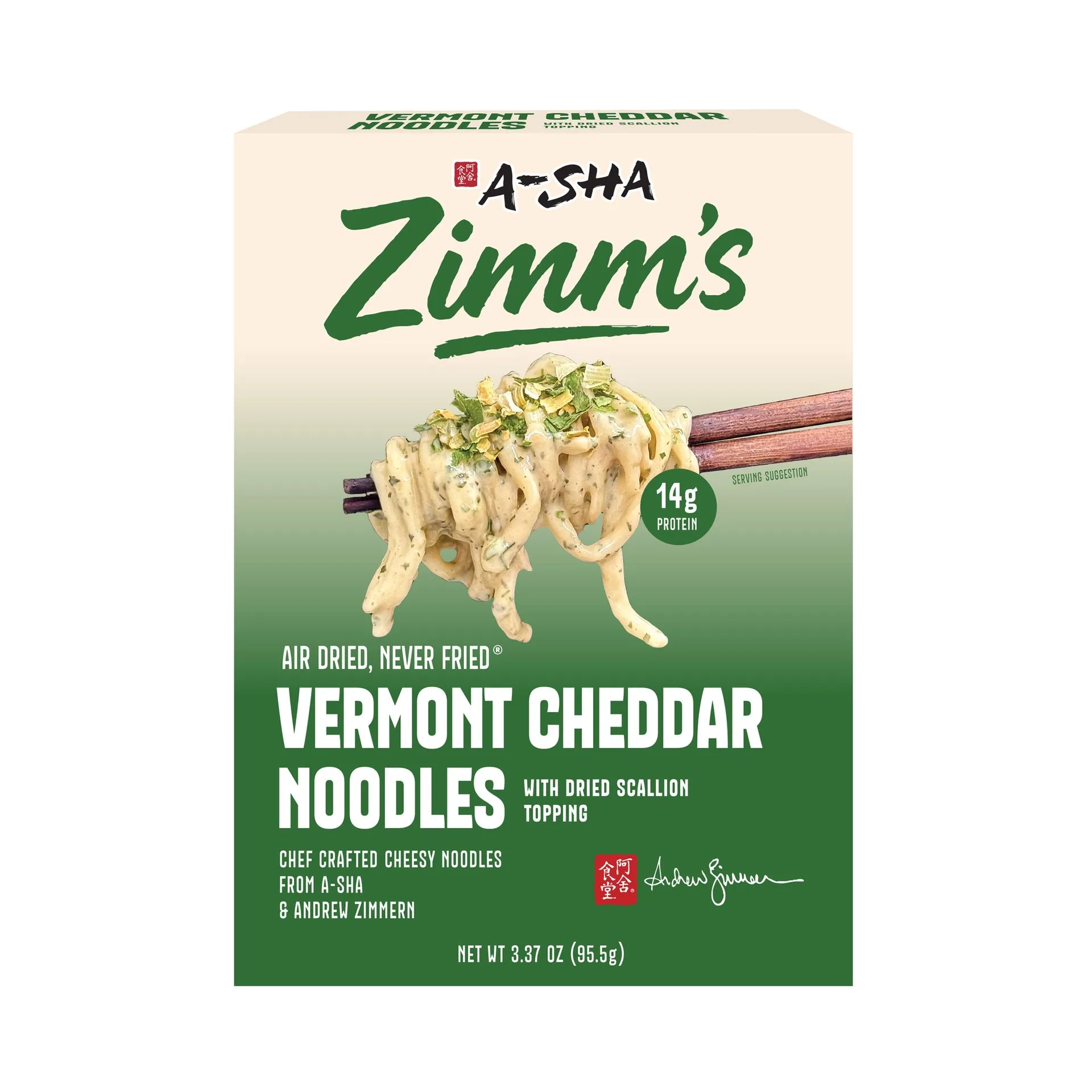
- A-Sha Zimm’s Vermont Cheddar Noodles: A-Sha Zimm's Vermont Cheddar Noodles offer a savory, non-spicy ramen experience with wide noodles and a vegetarian-friendly recipe. Wide noodle shape for a hearty, satisfying texture. Wide noodles have more surface area and can become mushy faster if overcooked. This product is a good test for your technique because the wide shape rewards a careful eye on cooking time.
Mushy noodles aren't inevitable. By adjusting your water volume, cooking time, and rinsing habits, you can get the perfect texture every time. Remember to adapt your technique to the specific noodle you're using, and don't be afraid to taste as you go.