Quick answer
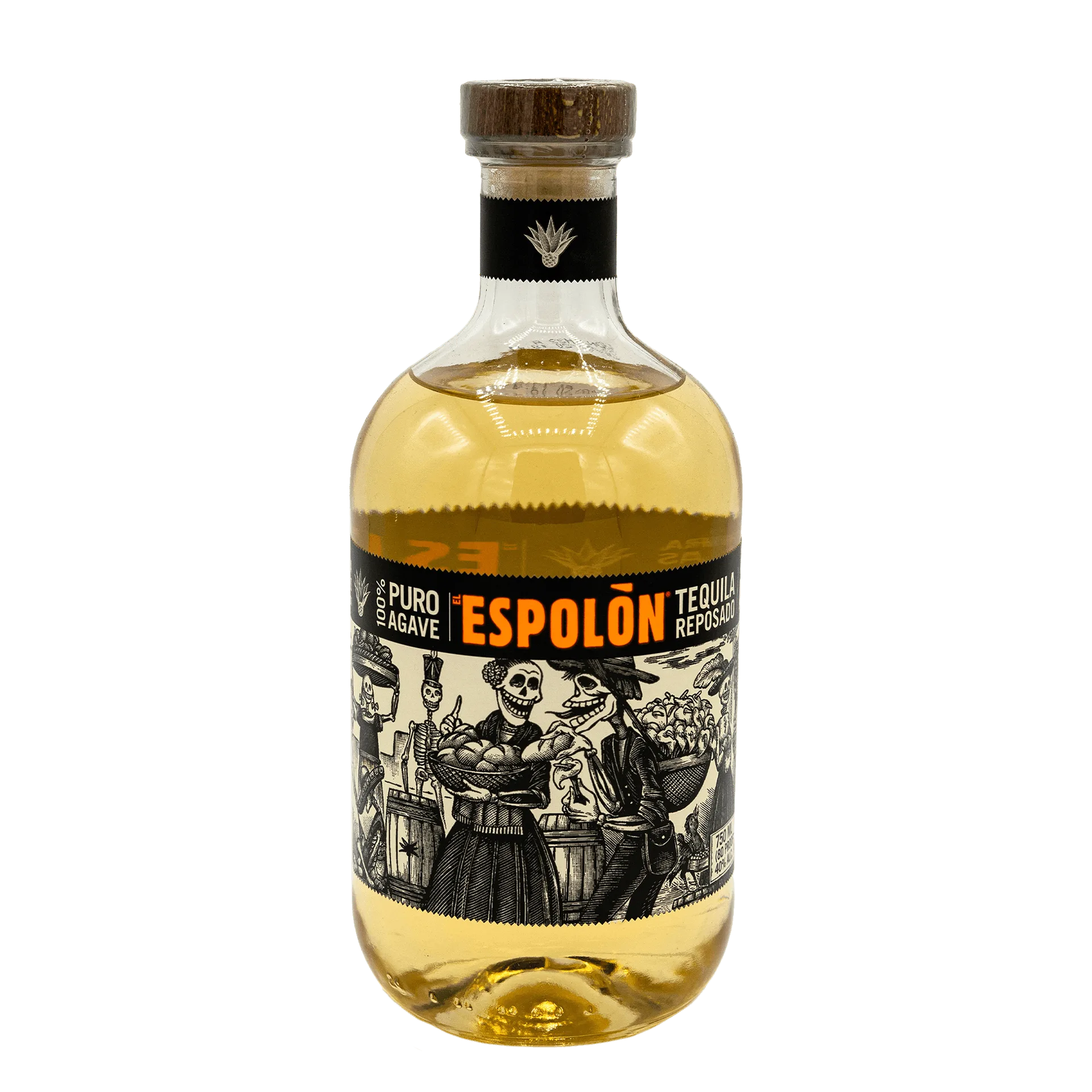
A peppery taste in agave spirits usually comes from the natural character of the agave plant and the distillation style, not from a flaw. Young or lightly aged tequilas like Espolon Reposado keep more of that peppery kick because brief barrel aging softens but does not erase it. If you enjoy a little heat, serve it neat or in a simple highball; if you want less pepper, choose a longer-aged spirit or mix it with something sweet.
What peppery actually means in agave spirits
Peppery is a tasting descriptor, not a defect. In agave spirits, it often shows up as a tingling, spicy sensation on the mid-palate and finish, sometimes compared to white pepper or fresh green chile. This character comes from compounds in the agave plant itself and can be amplified by distillation choices. Reposado tequila, which is rested in wood for a relatively short time, retains much of that bright, peppery edge while picking up a touch of vanilla or caramel from the barrel. Espolon Reposado is a classic example: its brief rest rounds out the spirit without burying the agave's natural spice.
Why reposado tequila keeps its pepper
Reposado means 'rested,' and the law requires aging between two months and one year. That short window is enough to soften harsh alcohols and add a hint of sweetness, but it leaves the agave's peppery and herbal notes largely intact. By contrast, a blanco is unaged and often sharper, while an añejo spends at least a year in wood and tastes more like vanilla, caramel, and baking spice. If you want a peppery agave spirit, a reposado is a sweet spot: smoother than a blanco but still lively. Espolon Reposado fits that profile and is widely available at a friendly price.
How to serve reposado tequila to match your taste
If you like the pepper, serve Espolon Reposado neat at room temperature or slightly chilled. A small pour in a copita or a rocks glass lets the aromas open up. For a longer drink, try it in a highball with tonic and a lime wedge, or in a classic margarita where the pepper cuts through the sweetness. If you want to dial the pepper down, mix it with fruit juice or a sweet liqueur, or use it in a cocktail that includes agave syrup or fresh citrus. Avoid serving it ice-cold, which mutes both the pepper and the agave flavor.
Diagnosis: Why your agave spirit tastes peppery
- Symptom: A spicy, tingling sensation on the tongue and a warm, peppery finish that lingers. This is a natural trait of agave spirits, especially young or lightly aged ones.
- Likely cause: The spirit is a blanco or reposado, which retains more of the agave's natural pepper compounds. Longer aging in wood rounds off those edges. If you want less pepper, look for an añejo or extra añejo.
- Corrective action: Serve it neat to enjoy the pepper, or mix it in a cocktail with citrus or a sweetener to balance the heat. Try Espolon Reposado in a margarita or a highball with tonic. Adjust the serving style to control how much pepper you taste.
- When to stop or choose another option: If the peppery taste feels harsh or burns, the spirit may be too young for your palate. Consider a longer-aged tequila or a different agave spirit like a mezcal that has been aged, or switch to a nut liqueur if you prefer sweeter flavors. No need to force it—there are plenty of smoother options.
Product facts
- Espolon Reposado 750ml: Espolon Reposado is a reposado tequila in a 750ml bottle, rested before release. The brief resting period tames some of the harshness while leaving the peppery agave character intact, making it a good choice if you want a spirit with both smoothness and spice.