Quick answer
Most baby carrier shoulder pain comes from straps that are too loose or too tight, a waist buckle sitting too low or too high, or missing lumbar support. Start by adjusting the waist buckle to hip-bone height, tightening shoulder straps until your baby is snug against your chest, and adding a lumbar support pad if lower back pressure persists. If pain continues after these fixes, switch to a carrier with better weight distribution or consult a healthcare professional.
Check your waist buckle height first
The waist buckle should sit at or slightly above your hip bones, not on your stomach or lower back. If it slides down, the shoulder straps take the weight and cause pain. Tighten the waist belt until you can fit two fingers underneath, then lift the buckle slightly before fastening. This simple carrier waist buckle fit adjustment often relieves both shoulder and back pain immediately.
Adjust shoulder straps for a snug, high carry
Your baby should be high enough to kiss the top of their head without bending your neck. Loosen the shoulder straps, lift your baby, then tighten the straps evenly on both sides. Avoid over-tightening, which pulls your shoulders forward. If one strap digs in, check that the back panel is centered and the straps aren’t twisted. Proper adjust baby carrier straps distribute weight across your whole back, not just your shoulders.
Add lumbar support for lower back pain
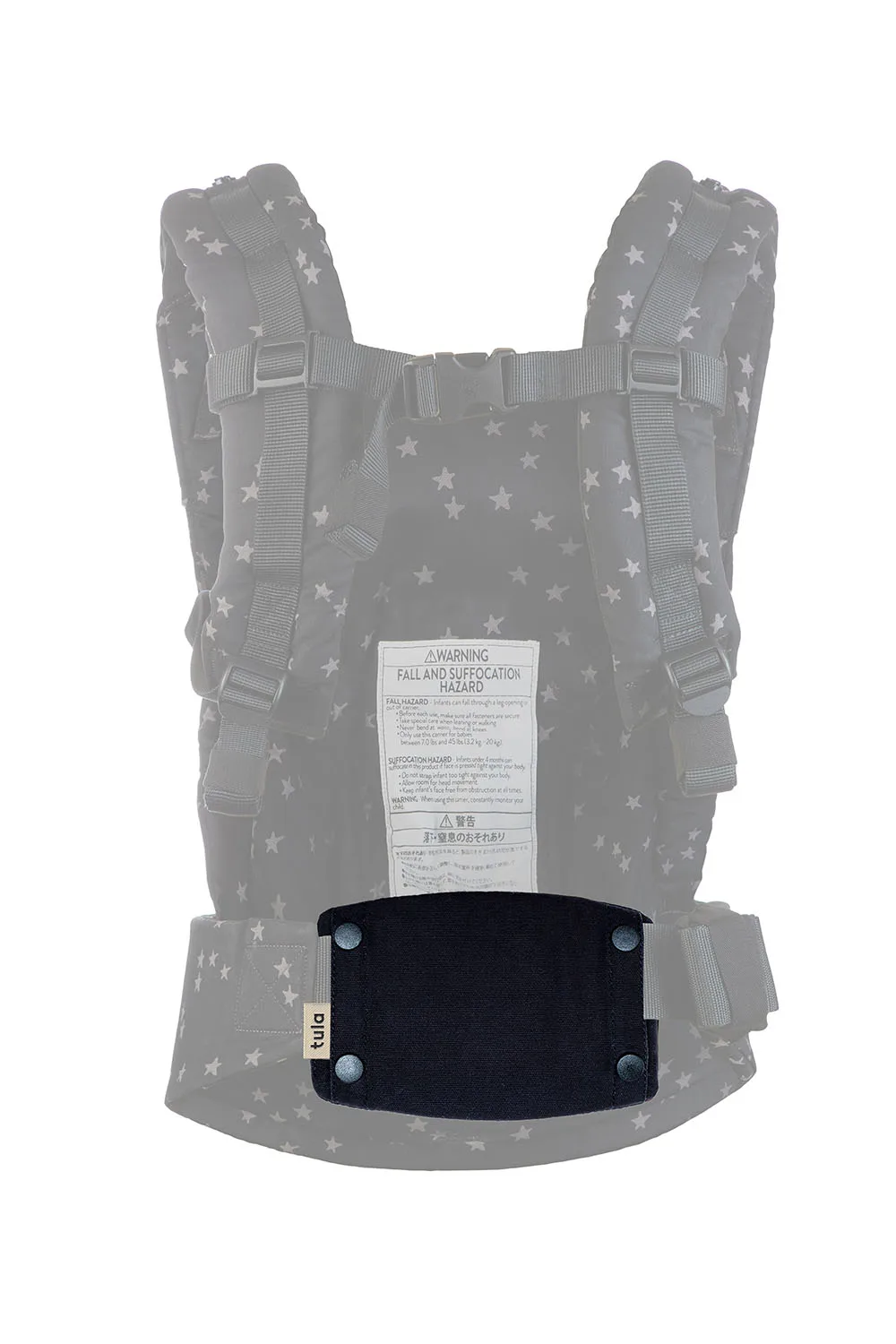
If your lower back aches after carrying, a lumbar support pad can fill the gap between your waist belt and your spine. Look for a pad that attaches to your carrier’s waist belt and is thick enough to maintain your back’s natural curve. This is especially helpful during long walks or everyday errands when fatigue sets in.
Practice babywearing posture tips
Keep your shoulders back and your chest open. Avoid leaning forward or arching your back to compensate for a heavy baby. Engage your core and take breaks every 30–45 minutes. If you feel pain, stop and readjust rather than pushing through. These babywearing posture tips reduce strain on your shoulders and back over time.
Symptom-to-solution diagnosis
- Shoulder straps dig in or leave red marks: Straps are likely too tight or uneven. Loosen both straps, lift your baby higher, and retighten evenly. Check that the back panel is centered. If marks persist after adjusting, your carrier may lack padded straps—consider a different model.
- Lower back pain after 20 minutes: Your waist belt may be too loose or sitting too low. Tighten the belt and raise it to hip-bone height. Add a lumbar support pad if the gap remains. If pain continues with a properly fitted belt and lumbar pad, stop carrying and consult a healthcare provider.
- One shoulder aches more than the other: The carrier may be sitting crooked. Stand in front of a mirror, center the back panel, and adjust each strap to the same length. Persistent one-sided pain can indicate an underlying issue—see a professional if it doesn’t resolve.
Products that can help
- Tula Lumbar Support for Baby Carrier: Add extra comfort to your baby carrier with lumbar support, designed to ease lower back pressure during long walks or everyday errands. If your lower back aches after carrying, this pad targets the pressure point directly and attaches to most carriers.
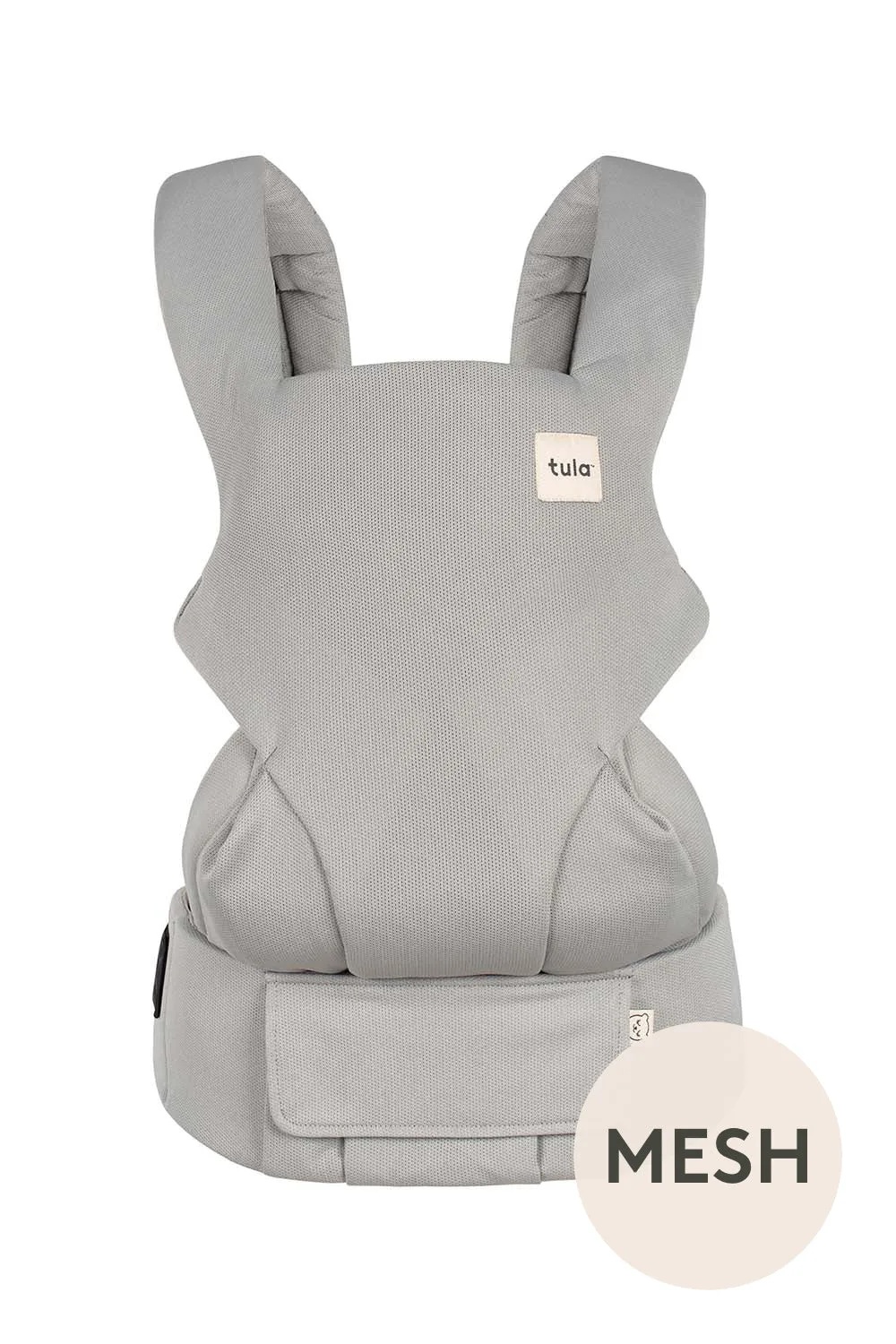
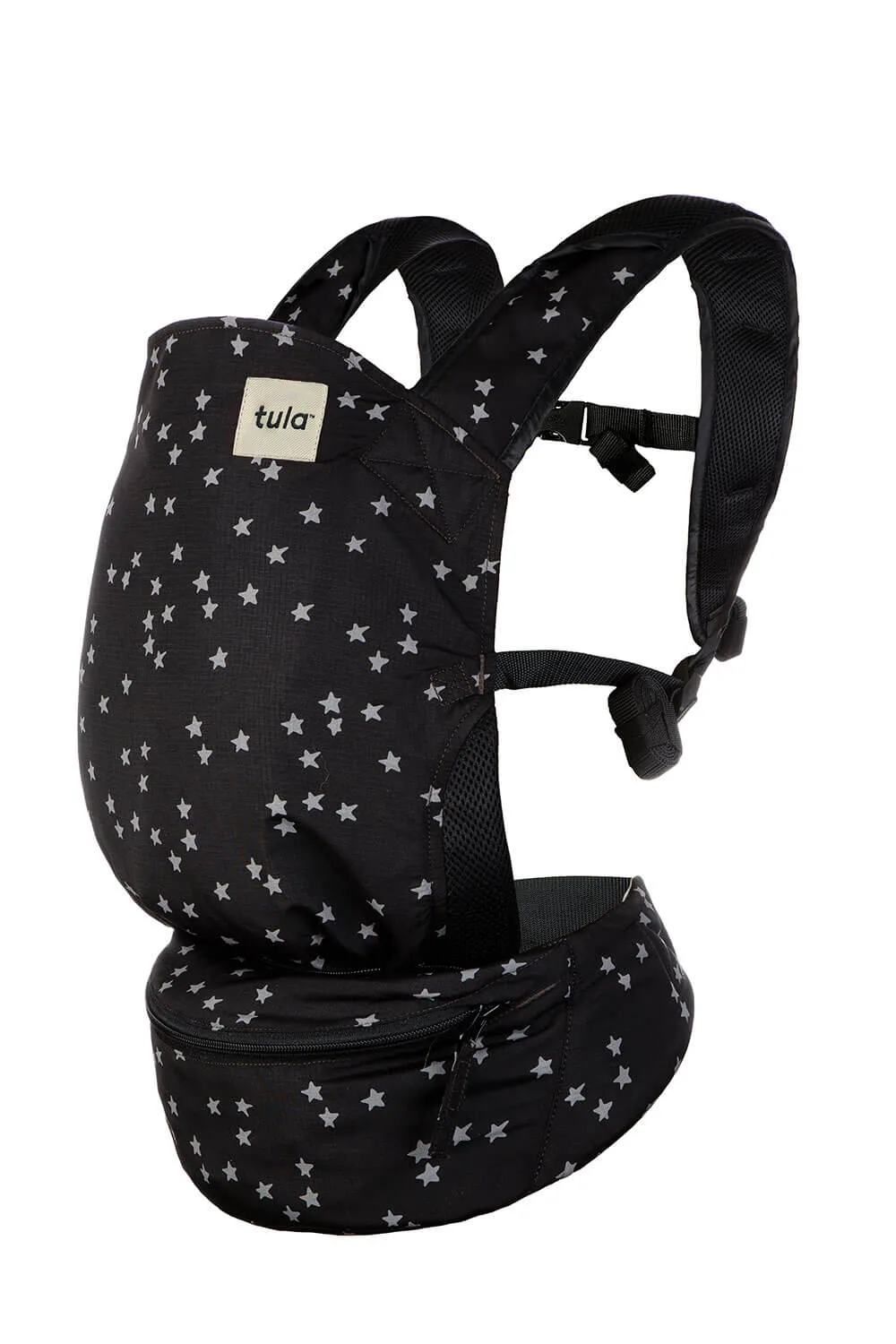
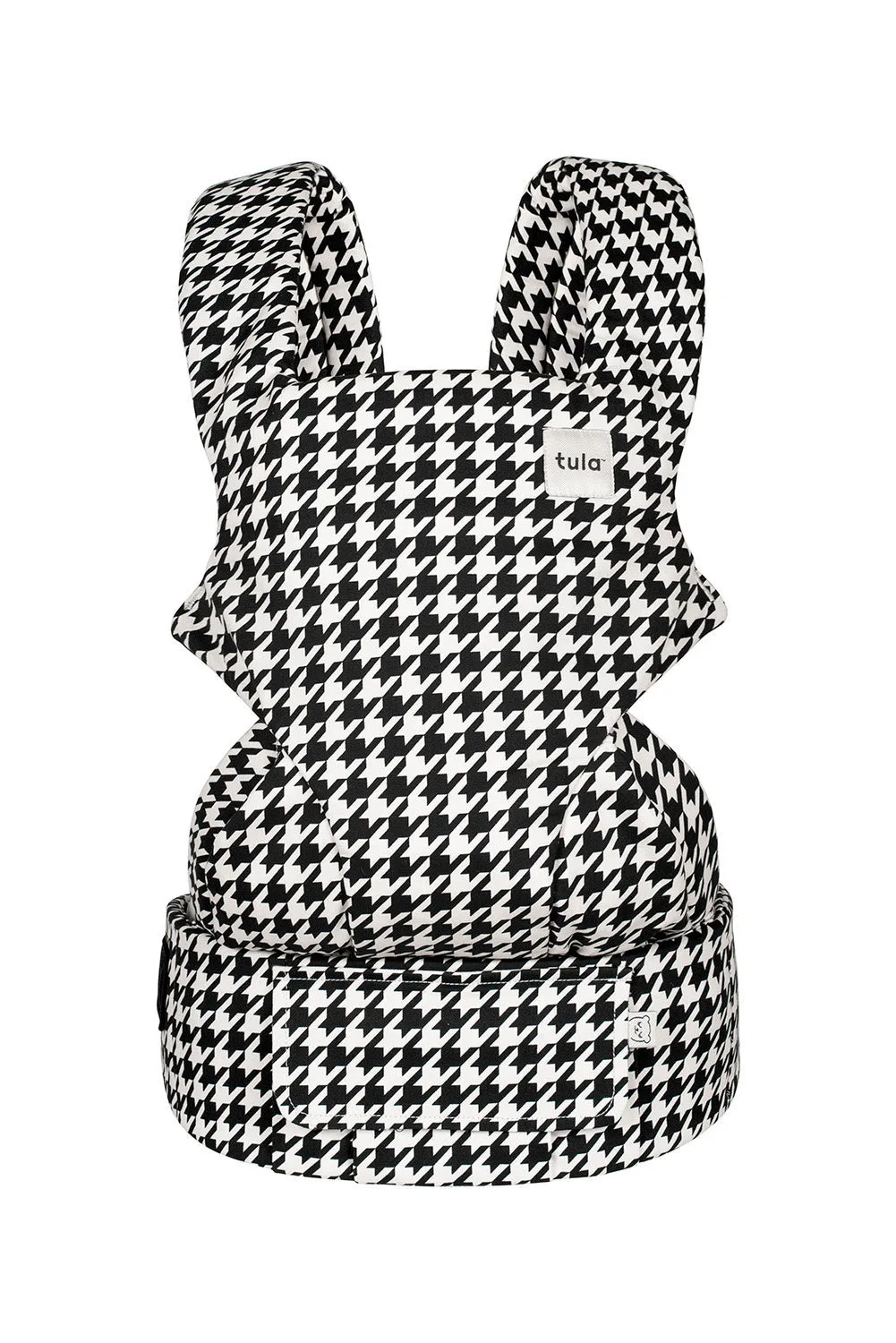
- Houndstooth - Cotton Explore Baby Carrier: The Houndstooth Cotton Explore Baby Carrier offers a classic, patterned look for everyday carrying, part of the Explore Carrier line. A structured carrier with adjustable straps can improve weight distribution if your current carrier lacks proper support.