Quick answer
Babies drop teethers because their grip is still developing or the teether is too heavy or slippery. A lightweight silicone teether with textured ridges or a clip that attaches to clothing can solve both problems.
Why babies drop teethers (and why it's normal)
Between 3 and 6 months, babies explore everything with their mouths, but their hand muscles are still learning to coordinate. A teether that's too heavy, too smooth, or too large for a tiny fist will slip out easily. This isn't a sign that something is wrong — it's a sign that the teether's design isn't matching your baby's current abilities.
The fix isn't to keep picking it up off the floor. It's to choose a teether that works with your baby's grip, not against it.
What to look for in a teether that stays put
Not all teethers are created equal. The best ones for a dropping problem share a few traits: they're lightweight, have textured surfaces for grip, and are sized so a baby can hold them in one hand. Some also include a clip that keeps the teether attached to a collar or stroller, so even if it's dropped, it doesn't hit the ground.
Silicone is a good material choice because it's soft enough for sore gums but firm enough to provide resistance, and it doesn't get slippery when wet.
Diagnosis: Why your baby drops the teether and what to do
- Symptom: Your baby grabs the teether but it slips out within seconds, often landing on the floor or getting lost in the car seat.
- Likely cause: The teether is either too heavy for your baby's developing hand muscles, too smooth to grip, or lacks a textured surface that gives the gums something to press against. Alternatively, your baby may be teething on both sides and needs a different shape to reach the sore spots.
- Corrective action: Switch to a lightweight silicone teether with textured ridges, like the Avocado teether, which fits a small fist. If dropping is still a problem, use a clip-on teether set like the OneC™ Silicone Clip Teether Set so the teether stays attached to your baby's clothing or stroller. If the teether is still dropped after trying a lighter, textured option, the issue may be that your baby needs a different shape or size — try a teether with a longer handle or a ring shape.
- When to stop or choose another option: If your baby consistently refuses the teether or seems frustrated by it, consider a different soothing method such as a chilled washcloth or a silicone finger brush. Also stop using any teether that shows signs of wear, cracks, or sticky residue. A teether that causes more frustration than relief isn't helping — trust your baby's cues and switch to a different texture or shape.
Teethers that help with grip and drop prevention
-
OneC™ Silicone Clip Teether Set - Lemon: The OneC™ Silicone Clip Teether Set in Lemon pairs a one-piece silicone clip with a matching silicone teether. The clip keeps the pacifier or teether off the ground, and the teether handles the gums. Because the clip anchors to a collar or stroller, you don't have to retrieve the teether every time your baby drops it — it stays within reach and off the floor.
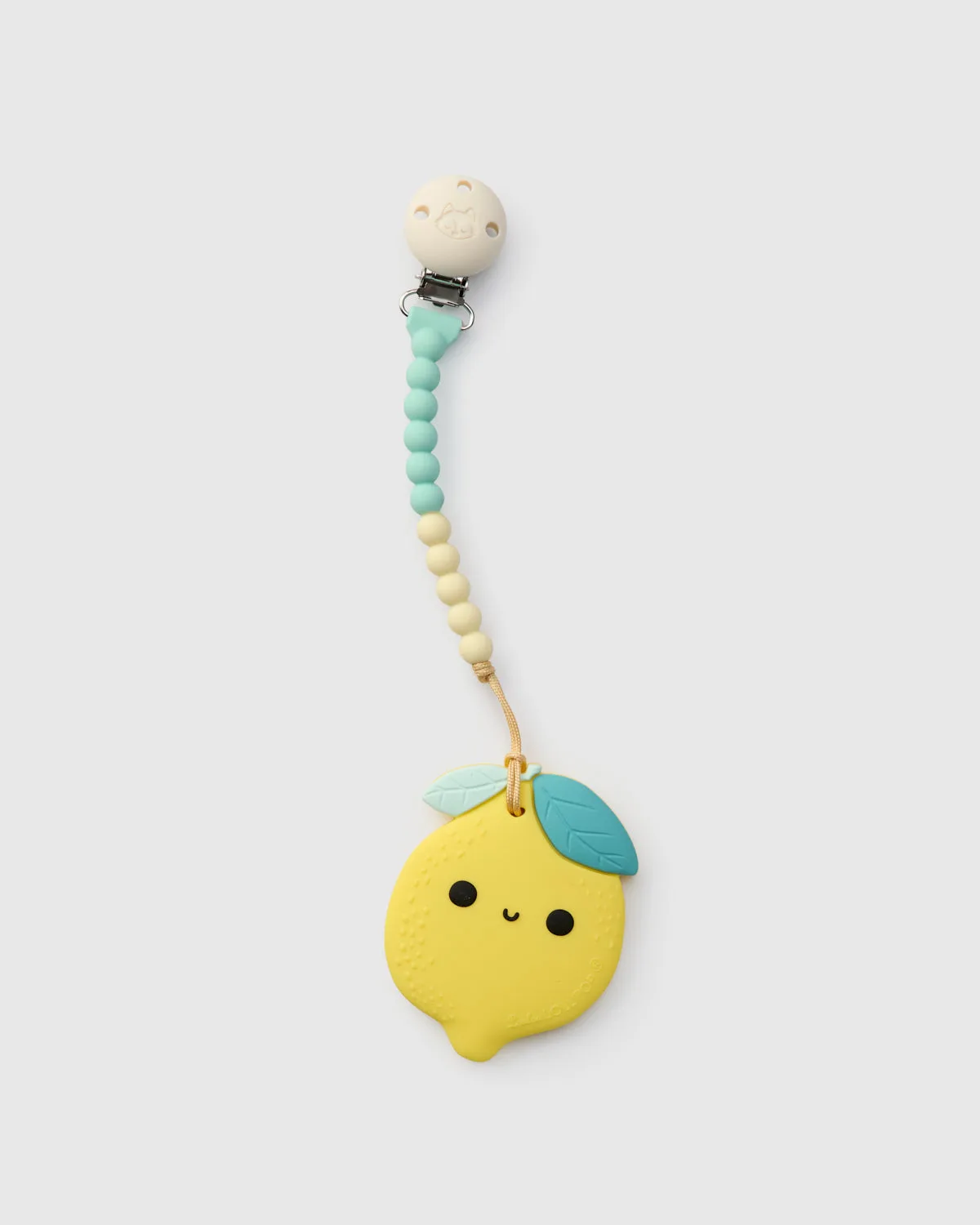
OneC™ Silicone Clip Teether Set - Lemon
-
Teether Single - Avocado: The Avocado teether is sized to fit inside a clenched fist, with textured ridges that give the gums a firm surface to work against. Its one-handed design and textured surface help babies with developing grip hold onto it longer, reducing the frustration of constant drops.
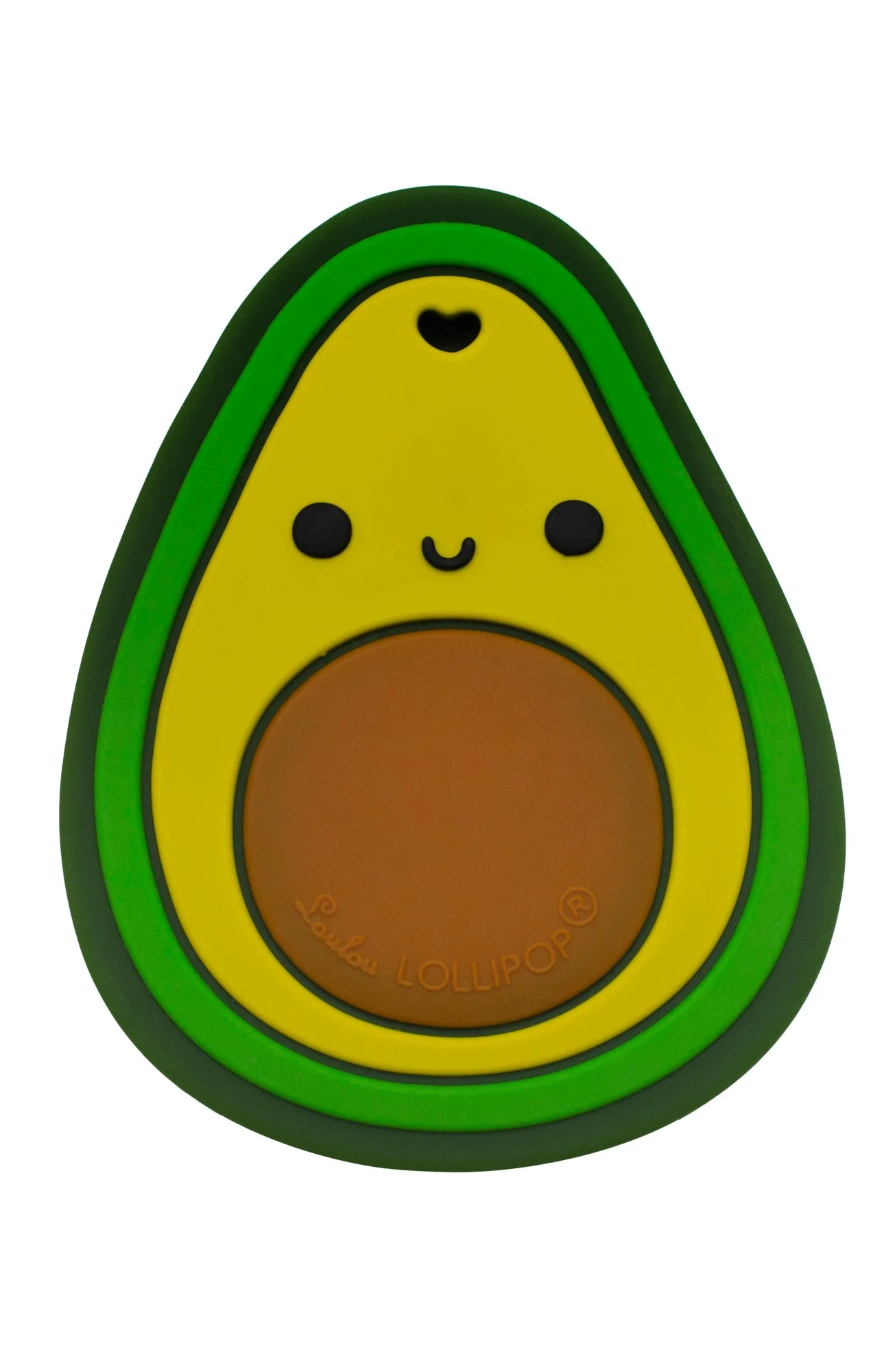
Teether Single - Avocado
-
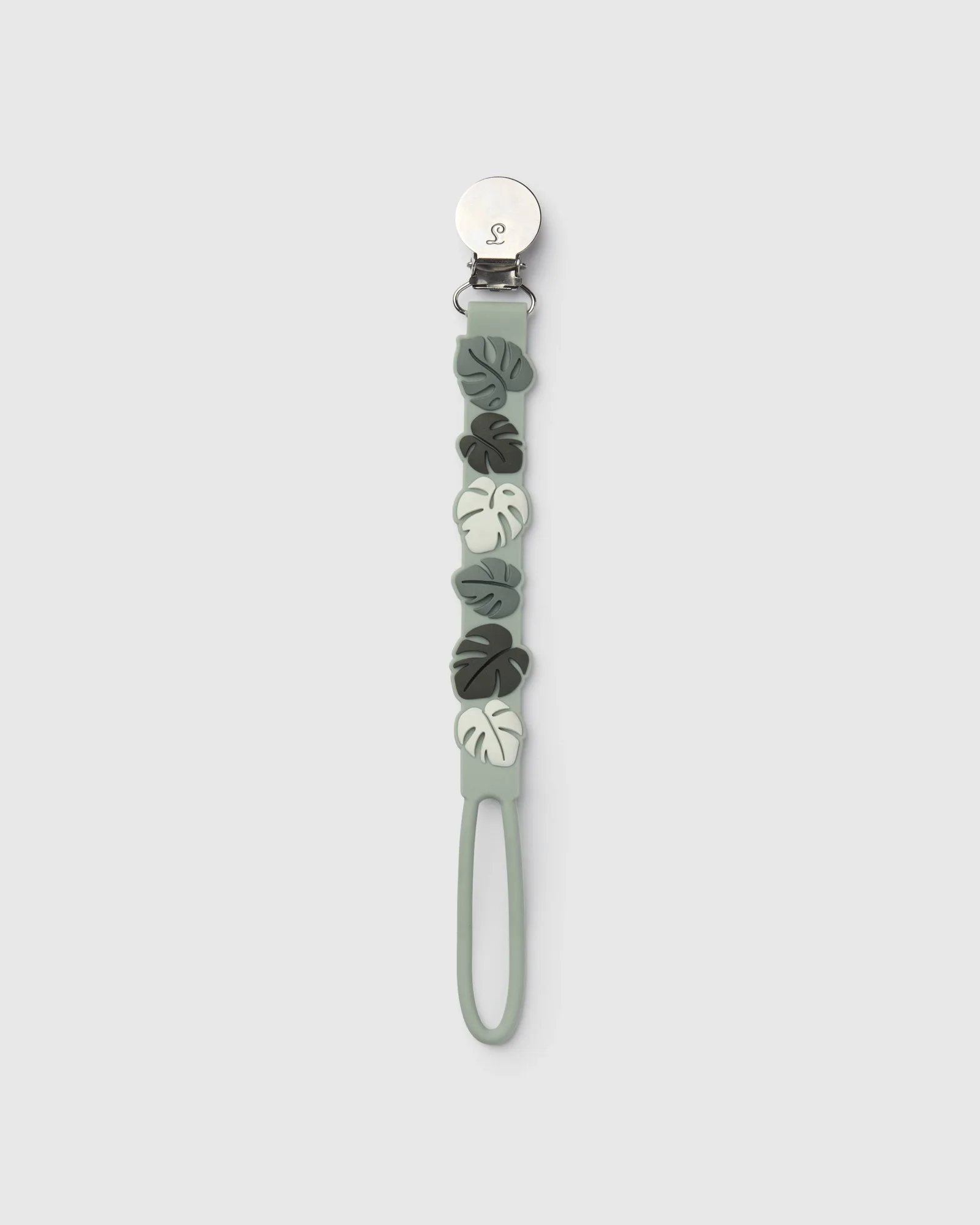
Pacifier Clip - Beadless - Monstera: The Beadless Pacifier Clip in Monstera is a one-piece silicone leash with no beads and no knots — fewer parts and nothing small enough to detach. If your baby drops the pacifier, this clip keeps it attached to clothing, so you avoid the cycle of pick-up-and-wash. The simple design also eliminates places where mold can hide.