Quick Answer
Sour coffee is almost always a sign of under-extraction—the water didn't pull enough flavor from the grounds. Fix it by grinding finer, using hotter water, or brewing longer, and taste as you adjust.
What Under-Extraction Actually Means
Sour coffee is almost always a sign of under-extraction: the water pulled too few flavor compounds from the grounds, so the cup tastes sharp, tangy, or acidic instead of balanced. This happens when the brew finishes before the coffee has given up its soluble flavors, and it is different from bitterness, which usually comes from over-extraction.
Common Causes of Sour Coffee
The most common culprits are a grind that is too coarse, water that is too cool, or a brew time that is too short. Each of these leaves the coffee under-extracted, meaning the water never pulled enough sweetness and balance from the grounds.
Another frequent cause is using too little coffee. When the ratio is off, the water rushes through and extracts unevenly, leaving a thin, sour cup. Adjusting one variable at a time is the fastest way to isolate the problem.
How Bean Quality Affects Sourness
The coffee itself also matters. Beans that are under-roasted or of lower grade can taste naturally sharp or acidic even when extraction is correct. Specialty-grade organic beans, like those in Purity Coffee's FLOW: Original Medium Roast Ground Coffee, are lab-tested for purity and designed for a balanced cup, which can make troubleshooting easier because the starting point is consistent.
Diagnose and Fix Your Sour Coffee
- Symptom: Your coffee tastes sharp, tart, or like lemon juice, especially on the first sip. The flavor may be thin or watery, with no sweetness or body. Sourness is an extraction problem, not a sign of bad beans.
- Likely cause: The coffee is under-extracted: the grind is too coarse, the water is too cool, or the brew time is too short. This leaves acids and sugars locked in the grounds.
- Corrective action: Grind finer, use hotter water (195-205°F / 90-96°C), or extend the brew time. Adjust one variable at a time and taste between changes. Change only one variable per brew so you can identify what actually fixed the sourness.
- When to stop or choose another option: If the coffee still tastes sour after grinding finer and extending brew time, stop adjusting and check your beans or roast. Choose a medium roast like FLOW: Original Medium Roast Ground Coffee, which has balanced sweetness and acidity, before you keep chasing extraction.
Coffee that makes balance easier
-
FLOW: Original Medium Roast Ground Coffee: FLOW: Original Medium Roast Ground Coffee uses 100% specialty-grade organic Arabica beans with a roasted nut, dark chocolate, and juicy apple-like high note profile. A medium roast with bright but balanced notes gives you a forgiving brew window, so small grind or timing mistakes are less likely to tip into sourness.
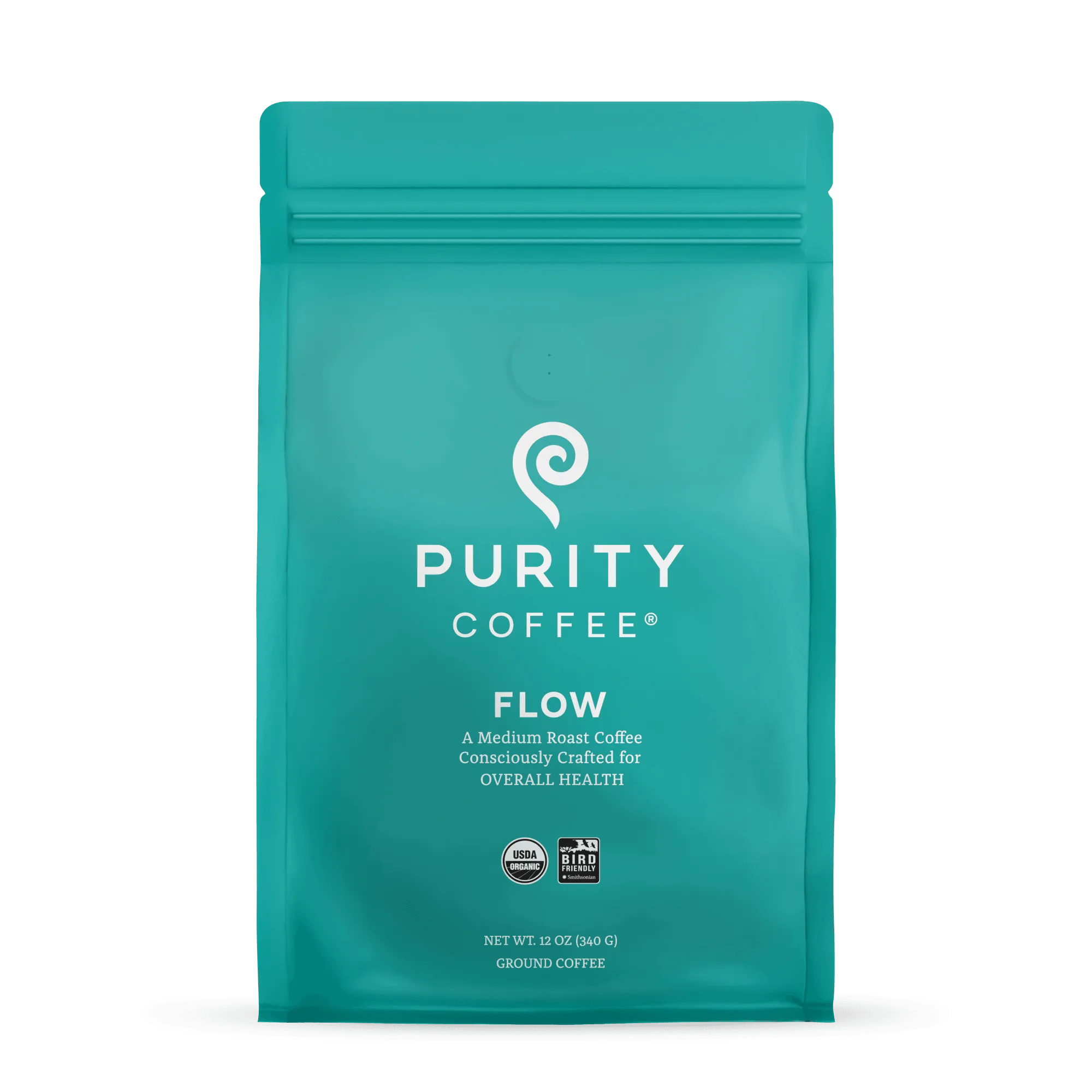
FLOW: Original Medium Roast Ground Coffee