Quick Answer
Sour espresso is usually under-extracted, meaning your brew is too fast, too cool, or the grind is too coarse. Bitter espresso is usually over-extracted, meaning your brew is too slow, too hot, or the grind is too fine. Start by adjusting your grind size and aim for a shot time of 25–30 seconds, then taste and adjust from there.
There’s nothing more frustrating than pulling a shot of espresso that tastes sour or bitter instead of balanced. The good news is that these two common flavor problems are usually easy to fix once you understand what’s happening during extraction. Sour and bitter are not random—they are signals that your espresso is either under-extracted or over-extracted.
balanced
In this guide, we’ll walk through the most common causes of sour and bitter espresso, give you clear steps to correct each issue, and help you know when to stop adjusting and try a different approach. With a little practice, you’ll be able to pull a balanced shot that highlights the best of your coffee.
Why Does My Espresso Taste Sour?
Sour espresso is a sign of under-extraction. This means the water didn’t pull enough flavor compounds out of the coffee grounds, leaving you with sharp, acidic, or tart notes. The most common causes are a grind that’s too coarse, a dose that’s too small, water that’s too cool, or a shot that runs too fast.
If your shot pulls in under 25 seconds, it’s likely under-extracted. The water is flowing through the coffee too quickly, so it doesn’t have enough time to dissolve the sugars and oils that create sweetness and body. The result is a thin, sour shot that lacks balance.
- Try a finer grind to slow down the shot and increase extraction time.
- Check your water temperature—aim for around 195–205°F (90–96°C).
- Increase your dose slightly to add more coffee solids to the brew.
Why Does My Espresso Taste Bitter?
Bitter espresso is a sign of over-extraction. This happens when the water pulls too many compounds from the coffee, including harsh, bitter flavors. Common causes include a grind that’s too fine, a dose that’s too large, water that’s too hot, or a shot that runs too slowly.
If your shot takes longer than 30 seconds, it’s likely over-extracted. The water is in contact with the coffee for too long, extracting unpleasant bitter compounds. The result is a harsh, dry, or ashy taste that masks the coffee’s natural sweetness.
- Try a coarser grind to speed up the shot and reduce extraction time.
- Lower your water temperature if it’s above 205°F (96°C).
- Reduce your dose slightly to avoid overloading the basket.
How to Troubleshoot Your Espresso Extraction
The best way to fix sour or bitter espresso is to change one variable at a time. Start with your grind size, as it has the biggest impact on extraction time. If your shot is sour, grind finer. If it’s bitter, grind coarser. Then pull another shot and taste again.
Keep a log of your dose, yield, and shot time. This will help you identify patterns and make consistent adjustments. Aim for a dose of 18–20 grams and a yield of 36–40 grams of liquid espresso in 25–30 seconds. Adjust based on your taste preferences and the specific coffee you’re using.
- Change only one variable at a time to see what actually works.
- Use a scale to measure your dose and yield for consistency.
- Taste your espresso immediately after pulling—flavors change as it cools.
Diagnosis: Sour or Bitter Espresso
- Symptom: Sour, sharp, or acidic taste with a thin body. Likely under-extraction.
- Likely Cause: Grind too coarse, water too cool, or shot too fast. Adjust grind finer or increase water temperature.
- Corrective Action: Grind finer, increase dose slightly, or raise water temperature. Aim for 25–30 seconds shot time. Pull another shot and taste. If still sour, continue adjusting.
- When to Stop or Choose Another Option: If you've tried multiple adjustments and the shot is still unbalanced, consider a different coffee roast or blend that's more forgiving. Try a blend like Smiley 1972 or Delta Spirit Espresso Blend.
Coffee That Helps You Dial In
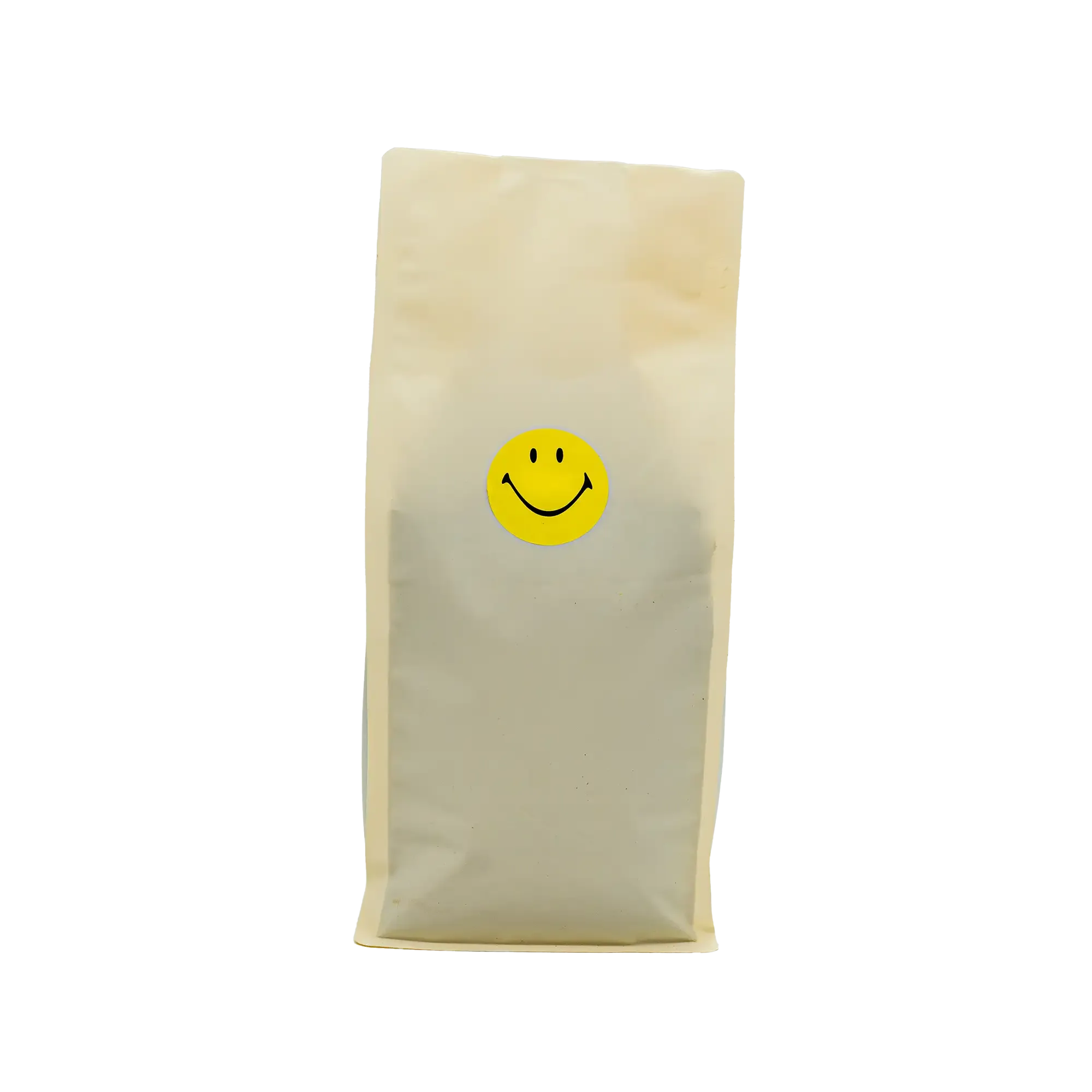
- Smiley 1972 Blend: Smiley 1972 Blend is a modern coffee collaboration from Onyx Coffee Lab, crafted as a blend of washed coffees from Colombia and Ethiopia. Designed to perform well as both espresso and filter coffee, this blend offers a versatile cup for home brewers and cafés alike. If you're troubleshooting sour or bitter shots, a versatile blend like this gives you a forgiving base to practice your extraction skills without fighting the coffee itself.
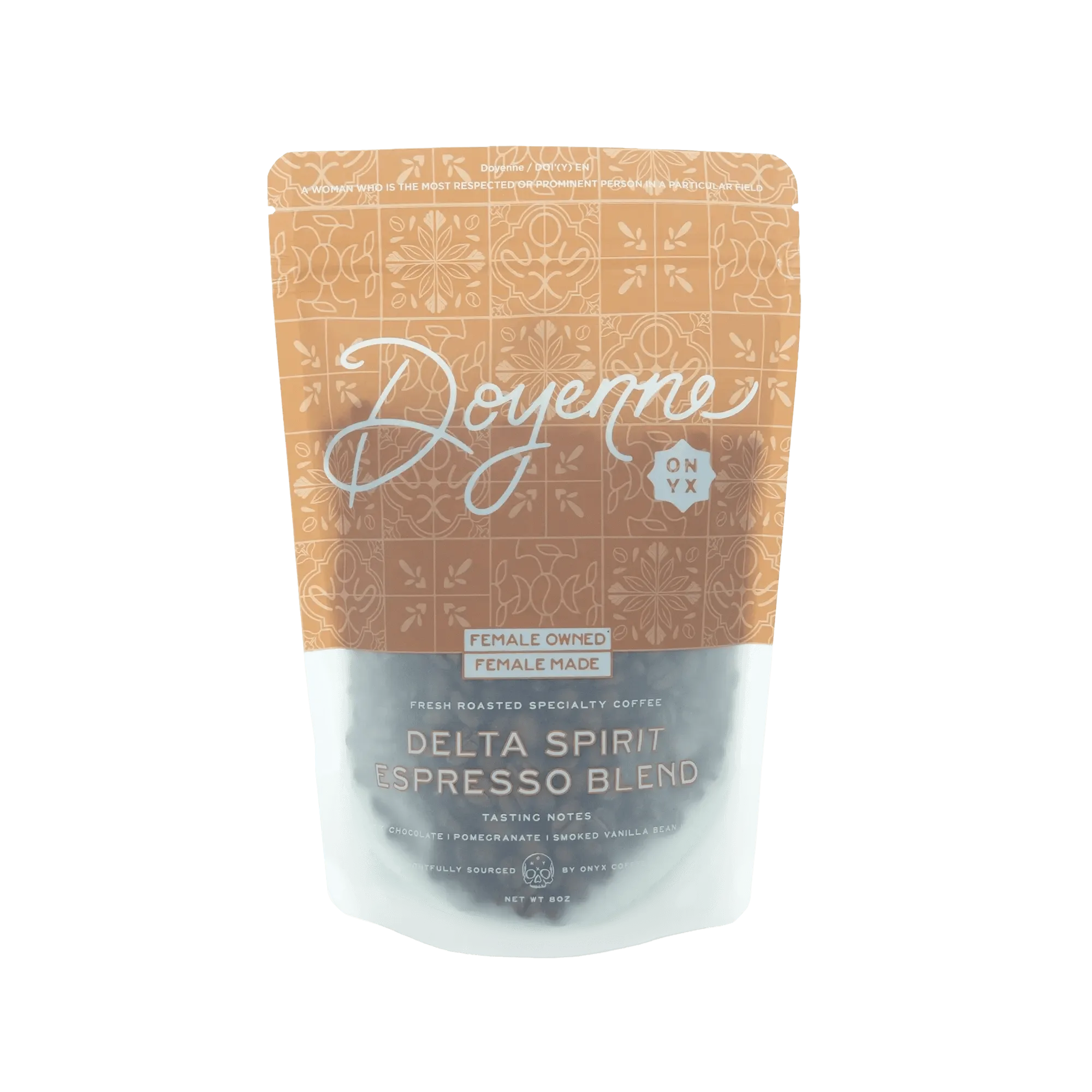
- Delta Spirit Espresso Blend: Delta Spirit is a highly developed roast that conveys a flavor profile that we intentionally designed to work well with milk. Cream and plant based beverages mix with ease, creating a rich, decadent flavor. It involves a natural, sugar-dense coffee that binds to the fats and creates multiple complex caramelized notes during the roasting process. When you're chasing a balanced espresso, a roast that's built for milk drinks can help mask minor extraction errors while still teaching you what a well-pulled shot tastes like.
Sour and bitter espresso are common problems, but they’re also the easiest to fix once you know what to look for. Start with your grind size, keep your other variables consistent, and taste as you go. With a little patience, you’ll be pulling balanced shots that highlight the best of your coffee.