Quick Answer
If your kegel ball feels uncomfortable, it's usually due to incorrect size, excessive weight, improper insertion, or lack of lubrication. Start with a lighter, smaller ball and use plenty of water-based lube. If pain persists, stop and consult a healthcare professional.
Kegel balls are excellent for strengthening your pelvic floor, but if they cause discomfort, you're not alone. Many users experience issues like a feeling of pressure, pain, or difficulty keeping the balls in place. The good news: most problems are easily fixable with the right technique and product choice.
In this guide, we'll walk through the most common reasons for kegel ball discomfort and provide practical solutions. Whether you're a beginner or experienced, understanding your body's signals is key to a comfortable and effective workout.
Common Causes of Kegel Ball Discomfort
Kegel ball discomfort often stems from choosing the wrong size or weight. If the ball is too big, it can cause stretching or a feeling of pressure. If it's too heavy, gravity pulls it down, leading to a dragging sensation or even pain. Both scenarios are common, especially for beginners who may overestimate their pelvic floor strength.
Another frequent culprit is insertion technique. Inserting the ball too shallowly or without enough lubrication can cause friction and irritation. Additionally, if you're tense or anxious, your pelvic floor muscles may be tight, making insertion more difficult and uncomfortable.
It's also possible that you have an underlying condition like a vaginal infection or pelvic floor dysfunction. If discomfort persists despite corrective measures, it's important to see a healthcare provider to rule out other issues.
- Start with the smallest and lightest ball in a set to gauge comfort.
- Use generous amounts of water-based lubricant to ease insertion.
- Relax your muscles and breathe deeply before and during insertion.
Is Your Kegel Ball Too Big?
Kegel balls come in various sizes, and what works for one person may not work for another. If you feel a persistent sense of stretching, pressure, or pain during wear, the ball may be too large for your anatomy. This is especially true for beginners or those who have never given birth.
Solution: Switch to a smaller-sized ball. Many sets, like the Mix & Match Kegel Set, include multiple balls of different sizes and weights, allowing you to find the perfect fit. Start with the smallest ball and gradually work your way up as your pelvic floor muscles strengthen.
Remember, comfort is paramount. A ball that's too big can cause muscle fatigue or even injury. Listen to your body—if it hurts, it's not the right size.
- Look for a set with graduated sizes to progress comfortably.
- If you're between sizes, choose the smaller one initially.
Is Your Kegel Ball Too Heavy?
Weight is another critical factor. Heavier balls provide more resistance, but they can also cause discomfort if your pelvic floor isn't strong enough to hold them. Symptoms of a too-heavy ball include a bearing-down sensation, lower abdominal cramping, or the ball feeling like it's going to fall out.
Solution: Start with the lightest weight available. The Mix & Match Kegel Set offers balls from 15g to 74g, so you can begin at the lightest and progress as your muscles strengthen. The 3-Piece Silicone Kegel Training Set includes weights from 37g to 65g, which may be better suited for those with some experience.
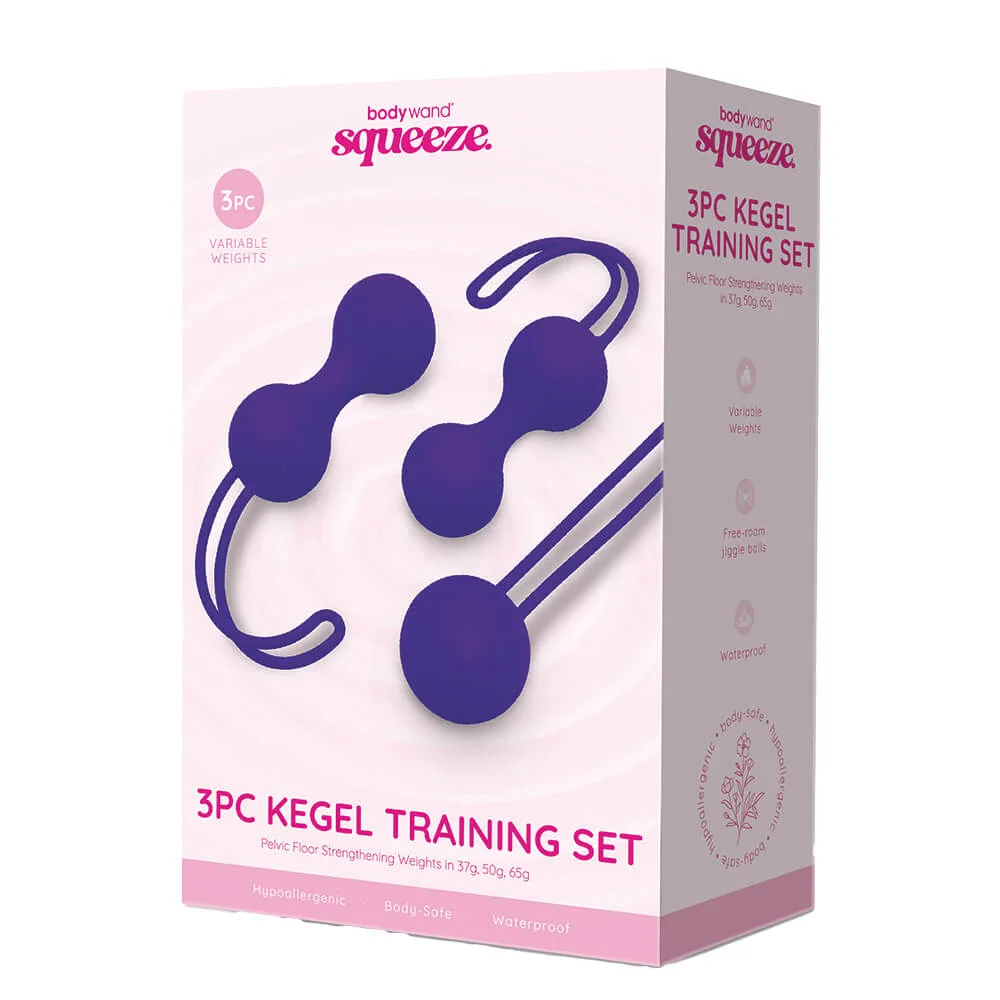
3-Piece Silicone Kegel Training Set
A good rule of thumb: you should be able to walk around comfortably with the ball inside without feeling constant strain. If you can't, go lighter.
- Begin with the lightest ball and only increase weight when it feels easy.
- If you experience cramping, remove the ball and rest.
Insertion Problems and How to Solve Them
Difficulty inserting a kegel ball is often due to inadequate lubrication or incorrect positioning. The vaginal canal is not straight; it angles toward the lower back. Inserting the ball at the wrong angle can cause discomfort or pain.
Solution: Apply a generous amount of water-based lubricant to both the ball and your vaginal opening. Find a comfortable position—lying down or squatting often works best. Gently insert the ball about one to two inches, or until it feels secure. If you meet resistance, adjust the angle slightly.
If you're still having trouble, consider using a kegel trainer with a smoother surface or a more tapered shape. Silicone balls, like those in the 3-Piece Silicone Kegel Training Set, are body-safe and designed for comfortable insertion.
- Never insert a dry ball—always use lube.
- Try different positions to find what works for you.
- If insertion is painful, stop and consult a professional.
Other Factors That Can Cause Discomfort
Beyond size and weight, other factors can contribute to discomfort. For example, your menstrual cycle can affect sensitivity and vaginal elasticity. Some women find that kegel balls are more comfortable at certain times of the month. Additionally, stress and anxiety can cause you to unconsciously clench your pelvic floor, making insertion and wear uncomfortable.
Solution: Pay attention to your body's signals. If you're stressed, practice relaxation techniques before your workout. If you're on your period, you may want to wait until it's lighter or skip the workout altogether.
Also, ensure your kegel balls are clean and made from body-safe materials. Silicone is non-porous and hypoallergenic, making it a great choice for sensitive skin.
- Clean your kegel balls before and after use with mild soap and water.
- If you have sensitive skin, opt for silicone over other materials.
Diagnosis: Symptom, Cause, Fix, and When to Stop
- Symptom: Feeling of pressure or stretching: Likely cause: the kegel ball is too big for your anatomy. Switch to a smaller size. If pain persists, stop and consider a different product or consult a professional.
- Symptom: Bearing-down sensation or cramping: Likely cause: the kegel ball is too heavy for your current pelvic floor strength. Use a lighter ball. If cramping continues, remove the ball and rest. If pain is severe, stop and seek medical advice.
- Symptom: Pain during insertion: Likely cause: insufficient lubrication or incorrect angle. Add more water-based lube and adjust your position. If insertion remains painful, stop and consult a healthcare provider.
- Symptom: Persistent discomfort despite adjustments: Could indicate an underlying condition like infection or pelvic floor dysfunction. Stop using kegel balls and consult a gynecologist or pelvic floor therapist.
Products That Can Help
- Mix & Match Kegel Set: Personalize your pelvic floor workout with this versatile 5-piece Mix & Match Kegel set, featuring a variety of weighted balls ranging from 15g to 74g. Whether you're just starting out or progressing in your training, these free-roaming jiggle balls offer discreet, pleasurable movement while helping to tone and strengthen your muscles. Crafted from soft, body-safe materials and designed for comfort, this set is... With sizes from 15g to 74g, this set lets you start light and small, then gradually increase weight and size as your pelvic floor strengthens, reducing discomfort.
- 3-Piece Silicone Kegel Training Set: Strengthen and tone your pelvic floor with this 3-piece Kegel training set designed for beginners and advanced users alike. Made from smooth, body-safe silicone, each of the three weighted balls ranges from 37g to 65g, allowing for progressive training as your muscles grow stronger. These discreet, quiet kegel balls are ideal for daily internal workouts, helping enhance bladder control, intimacy, and overall pelvic... Silicone's smooth, body-safe surface is gentle on sensitive skin, and the progressive weights (37g to 65g) let you advance at your own pace without jumping to a heavy ball.
Kegel ball discomfort is common but usually fixable. Start with a smaller, lighter ball, use plenty of lubricant, and listen to your body. If pain persists, don't hesitate to seek professional advice. With the right approach, kegel training can become a comfortable and rewarding part of your wellness routine.