Quick Answer
A dry mouth after mouthwash usually comes from alcohol or other astringent ingredients that reduce saliva. Switch to an alcohol-free or natural mouthwash, like a mouthwash tablet, and rinse with water if needed. If dryness persists, stop using that product and consult your dentist.
You rinse, spit, and then your mouth feels like the desert. That dry, tight sensation after mouthwash is common, but it's not something you have to live with. Understanding why it happens—and what to do about it—can make your oral care routine much more comfortable.
Many traditional mouthwashes contain alcohol or other ingredients that can temporarily reduce saliva flow. The good news is that there are effective alternatives, including alcohol-free and tablet forms, that keep your breath fresh without the dryness.
What Causes Dry Mouth After Mouthwash?
The most common culprit is alcohol. Many mouthwashes use alcohol as a carrier for active ingredients and to provide a strong antiseptic effect. However, alcohol is a drying agent—it can strip moisture from your oral tissues and reduce saliva production, leaving your mouth feeling parched.
Other ingredients can also contribute. Sodium lauryl sulfate (SLS), a foaming agent found in many toothpastes and mouthwashes, can irritate and dry out the mouth for some people. Strong astringents or high concentrations of essential oils can have a similar effect. If you're prone to dry mouth, even a mouthwash without alcohol might still cause discomfort if it contains these ingredients.
- Check the label for alcohol (often listed as ethanol or SD alcohol).
- If you have sensitive mouth tissues, consider a mouthwash without SLS.
- If you're prone to dry mouth, choose a natural mouthwash with soothing ingredients.
How to Prevent Dry Mouth from Mouthwash
The simplest fix is to switch to an alcohol-free mouthwash. Look for products that use natural antibacterial ingredients like tea tree oil or peppermint oil instead of alcohol. These can still freshen breath and support oral health without the drying effect.
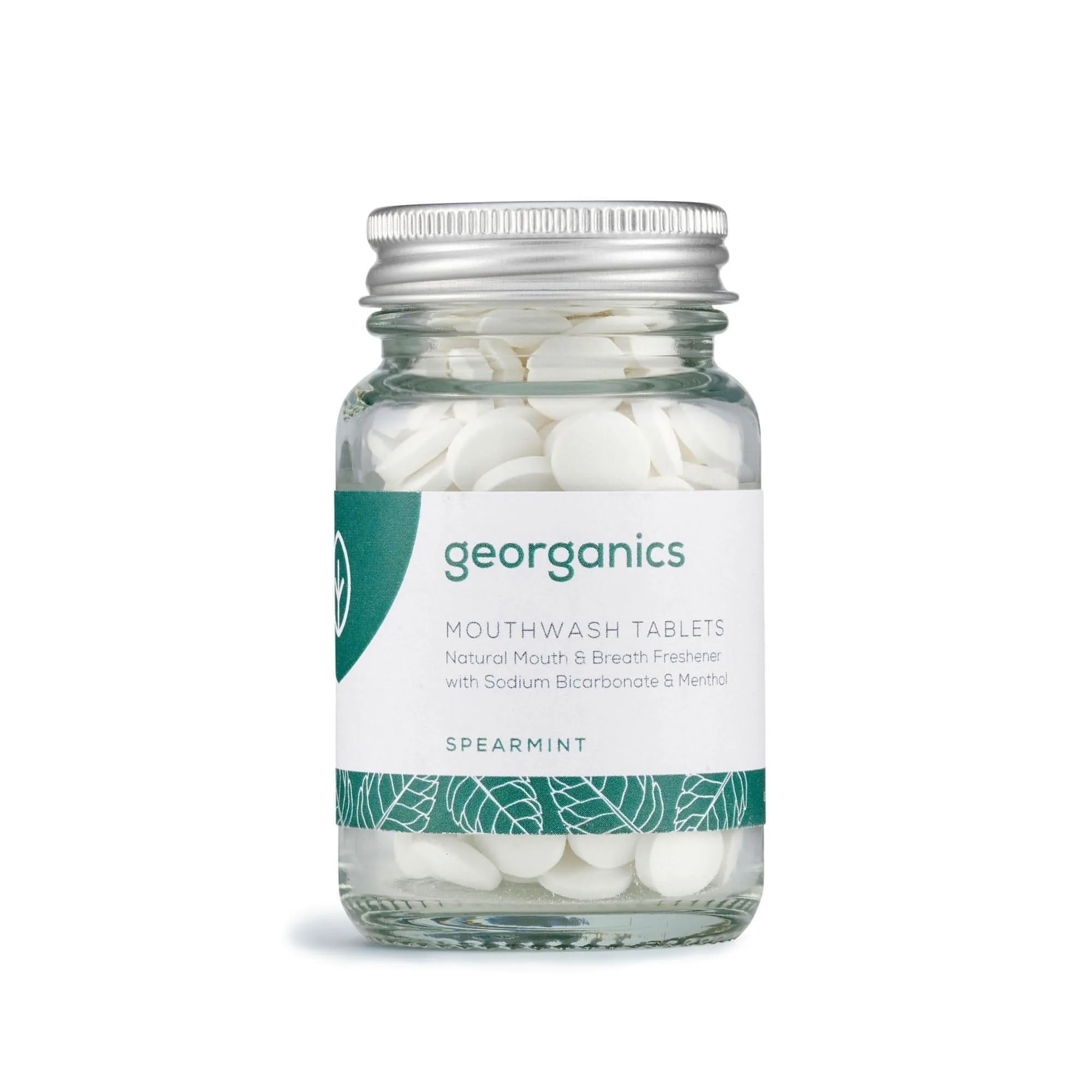
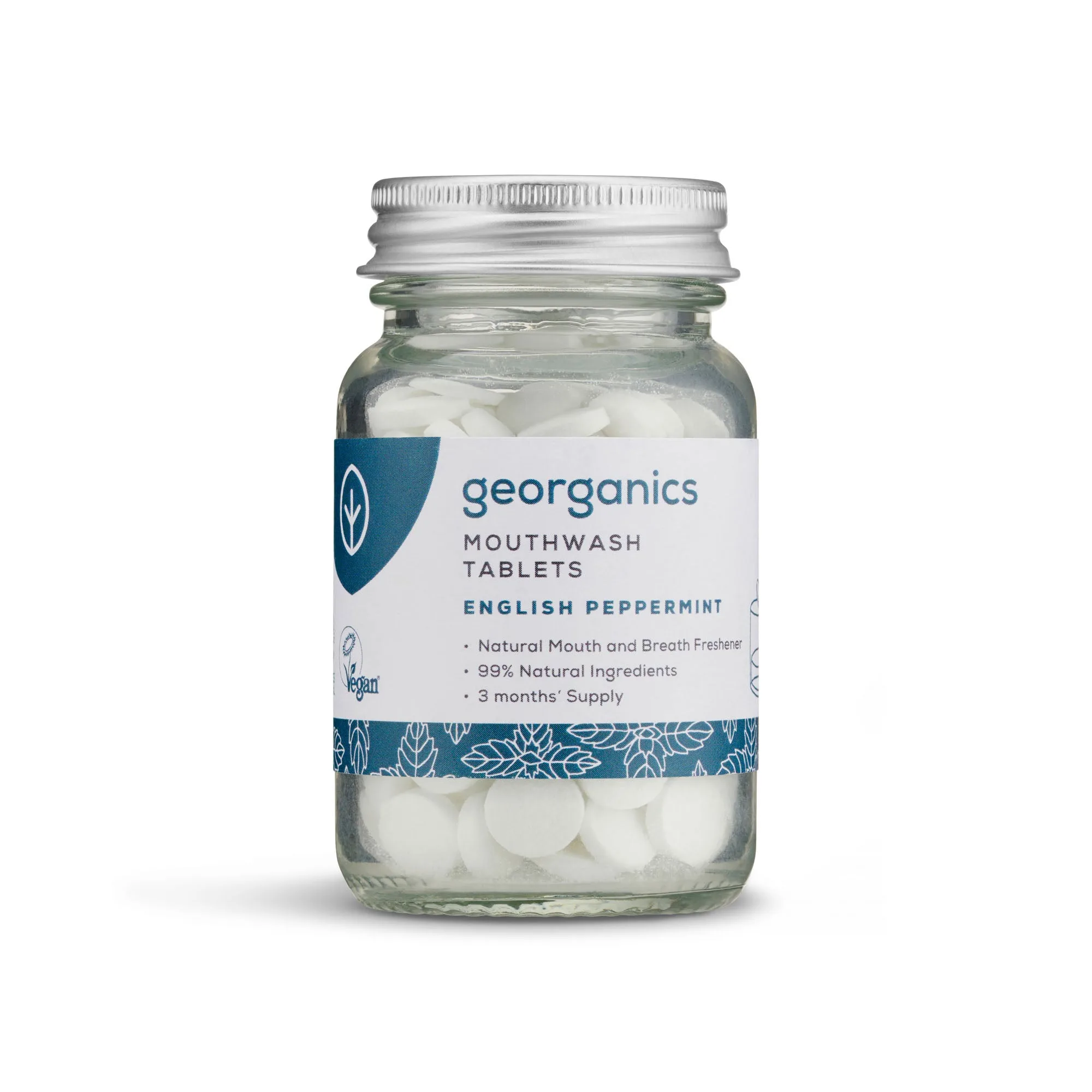
Another option is to try mouthwash tablets. These are solid, concentrated formulas that you chew or dissolve in water to create a fresh rinse. Because they're often made with natural ingredients and no alcohol, they can be a great choice for people who experience dryness with traditional liquid mouthwashes. Plus, they're travel-friendly and produce less plastic waste.
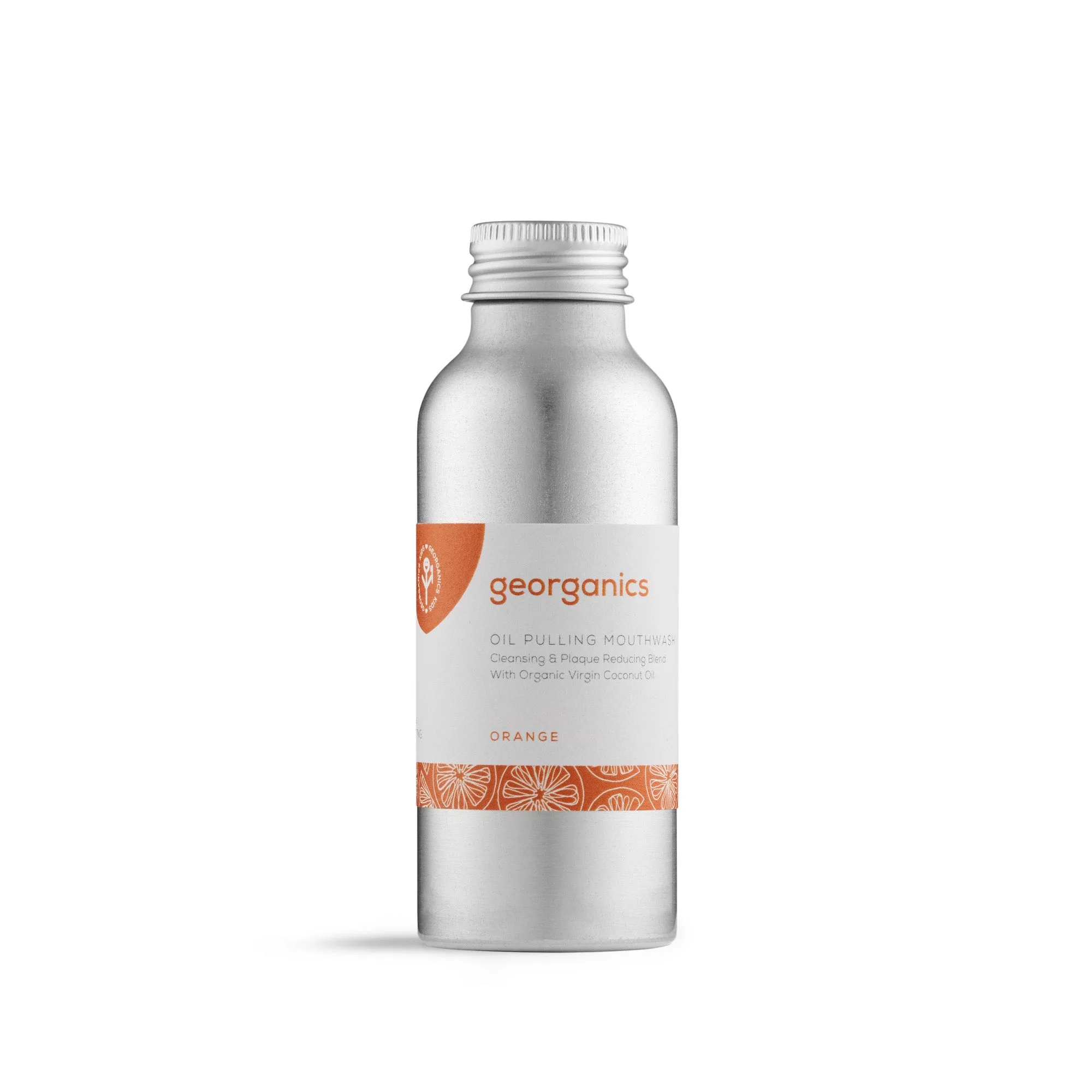
If you prefer a liquid, consider an oil pulling mouthwash. Oil pulling is an ancient Ayurvedic practice where you swish oil through your teeth and gums to remove bacteria. These products are typically alcohol-free and can actually help moisturize the mouth.
- Always follow the instructions on the product—don't use more than directed.
- If your mouth still feels dry, try rinsing with plain water afterward or use a smaller amount.
- Consider using a humidifier at night if dry mouth is a recurring issue.
When to Stop and See a Dentist
Occasional dryness after mouthwash is usually harmless and resolves quickly. However, if you consistently experience dry mouth—even after switching to an alcohol-free or natural product—it could be a sign of an underlying issue.
Persistent dry mouth can increase your risk of tooth decay and gum disease because saliva helps neutralize acids and wash away food particles. If the problem continues, or if you notice other symptoms like difficulty swallowing or a constant sore throat, it's time to talk to your dentist or doctor.
- If dryness lasts more than a few minutes after rinsing, consider a different product.
- If dry mouth is constant and not related to mouthwash, seek professional advice.
- Stay hydrated throughout the day—drinking water can help alleviate mild dryness.
Diagnosis: Is Your Mouthwash the Problem?
- Symptom: You feel a dry, sticky, or tight sensation in your mouth immediately after rinsing with mouthwash. This is often a temporary reaction to certain ingredients.
- Likely Cause: Alcohol, SLS, or strong astringents in the mouthwash are reducing saliva flow or irritating oral tissues. Check the ingredient list for these common culprits.
- Corrective Action: Switch to an alcohol-free or natural mouthwash, such as a mouthwash tablet or oil pulling rinse. Rinse with water if dryness persists. Choose a product that fits your sensitivity needs.
- Stop or Seek Help: If dryness continues even after switching products, or if you experience persistent dry mouth unrelated to mouthwash, stop using the product and consult your dentist or doctor. Persistent dry mouth can affect your oral health—get professional advice.
Natural Mouthwash Options to Try
- Mouthwash Tablets - Peppermint: Designed to maintain optimal oral health and keep your breath fresh, these tablets are a sustainable and convenient alternative to traditional liquid mouthwashes. Flavoured with Peppermint oil, known for its cooling aroma and antibacterial properties. Because they're alcohol-free and made with natural peppermint oil, these tablets can freshen breath without the drying effect of alcohol-based rinses, making them a good choice if you're prone to dry mouth.
- Oil Pulling Mouthwash - Tea Tree: Follows the ancient Ayurvedic practice of swishing oil through your teeth and gums to remove bacteria and debris, promoting a cleaner, healthier mouth. Infused with Tea Tree oil, known for its herbal aroma and antiviral properties. Oil pulling mouthwashes are typically alcohol-free and can help moisturize the mouth while still providing antibacterial benefits, offering a gentle alternative for those who experience dryness with traditional mouthwashes.
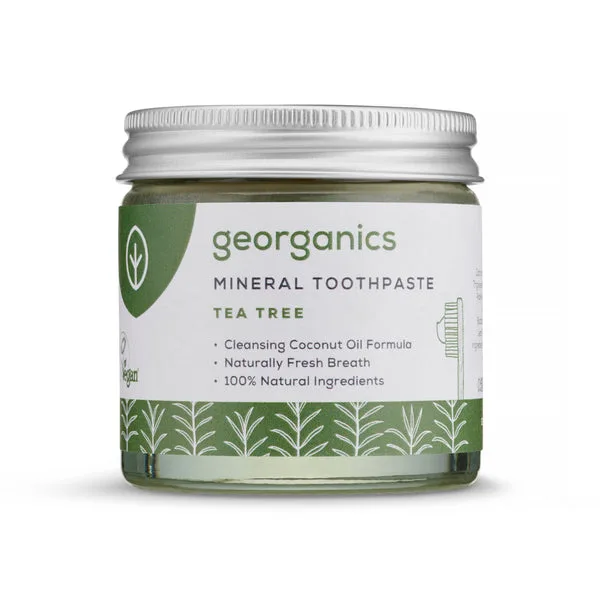
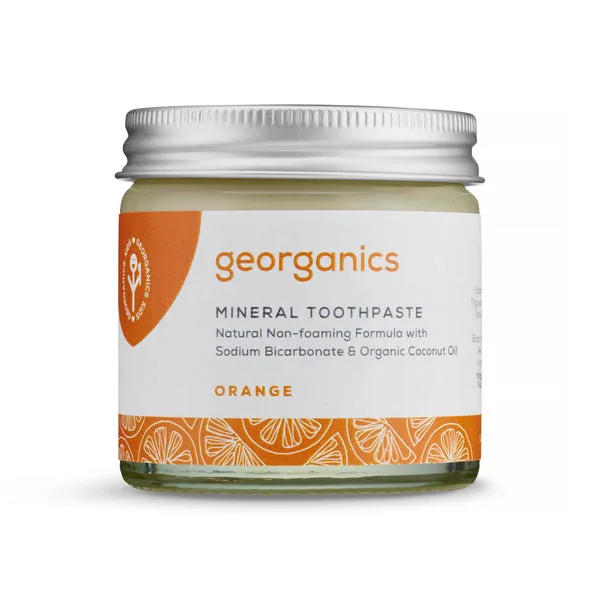
- Fluoride Free Toothpaste - Charcoal: Designed to absorb impurities, remove surface stains, and leave your mouth feeling fresh and purified. Infused with Peppermint essential oil, it provides a cooling sensation while offering natural antibacterial protection. Pairing a natural, alcohol-free mouthwash with a fluoride-free toothpaste that avoids harsh detergents can help minimize overall mouth dryness and irritation.
A dry mouth after mouthwash doesn't have to be part of your routine. By identifying the cause and choosing the right product—whether it's a tablet, an oil pulling rinse, or another alcohol-free option—you can keep your breath fresh and your mouth comfortable. If the problem persists, don't hesitate to see a professional.