Quick Answer
Your anal plug likely slips out because it lacks a pronounced neck or proper taper, or because the bulb is too small for your anatomy. Choose a plug with a defined neck and a bulb that matches your experience level, and consider using a harness or snug underwear for extra security.
Few things ruin a good session faster than a plug that decides to make a break for it. If you've ever wondered why your plug keeps slipping out, you're not alone. It's a common complaint, but the good news is that it's usually fixable with the right approach.
This guide breaks down the typical reasons plugs slide out and offers practical solutions, so you can enjoy worry-free wear. We'll also point out when a different toy might be a better fit for your goals.
Common Reasons Your Plug Slips Out
The most common reason a plug slips out is a poor fit. If the bulb of the plug is too small relative to your sphincter muscles, there's not enough to grip onto. Think of it like a cork in a bottle – if the cork is too small, it pops out easily. Your muscles need something substantial to hold onto, and that requires a plug with the right girth.
Another culprit is the design of the plug itself. Plugs with a straight shaft and no distinct neck (the narrow area just above the bulb) give your muscles nothing to contract around. A well-designed plug has a pronounced neck that allows the sphincter to close behind the bulb, keeping it in place. If your plug lacks this feature, it's more likely to migrate outward.
- Check if your plug has a defined neck – this is key for retention.
- Consider your experience level: beginners often need a smaller plug, but too small can be the problem.
How to Choose a Plug That Stays Put
When selecting a plug for staying power, look for a shape that includes a bulb, a neck, and a flared base. The bulb should be wide enough to provide a stretch, but not so wide that it's uncomfortable. The neck should be noticeably narrower than the bulb, creating a 'waist' that your muscles can grip.
Material matters too. Silicone plugs offer a bit of give, which can be more comfortable for longer wear, while harder materials like glass or metal provide less friction and might slide out more easily if not shaped well. If you're between sizes, it's often better to go up slightly, as a plug that's too small won't stay put.
- Measure the circumference of your current plug – if the neck is more than 1 inch smaller than the bulb, it's likely too narrow to hold.
- If you're new to plugs, start with a smaller size but understand that you may need to size up as you get comfortable.
Practical Tips for Keeping Your Plug In
Sometimes the issue isn't the plug itself but how you're using it. Ensure you're fully relaxed before insertion – tension can cause your muscles to push the plug out. Use plenty of high-quality lubricant, but be aware that too much lube can reduce friction and make slipping more likely. A moderate amount is key.
Your body position matters. If you're active or moving around, your muscles naturally contract and relax, which can work a plug loose. Wearing snug underwear or a jockstrap can provide gentle external pressure that helps hold the plug in place. Some people find that a harness designed for toys adds an extra layer of security.
- Try a harness or tight underwear for active wear.
- Practice pelvic floor exercises to improve muscle control and grip.
Diagnosing Your Plug Problem
- Symptom: Your plug slips out during normal activities or even when you're lying still. This suggests a fit or design issue rather than a technique problem.
- Likely Cause: The plug lacks a pronounced neck, or the bulb is too small for your anatomy. Check the measurements: the bulb should be noticeably wider than the neck, and the bulb circumference should match your experience level.
- Corrective Action: Try a plug with a more pronounced neck and a slightly larger bulb. Use moderate lube and consider wearing a jockstrap or harness for extra security. If sizing up and adjusting lube doesn't help, the plug may simply be the wrong shape for your body.
- Stop or Choose Another Option: If you've tried multiple plugs with proper design and they still slip, or if you experience pain or discomfort, stop using that toy. Consider a different style, such as a longer or curved plug that reaches deeper, or consult a professional. Your comfort and safety come first. There's no shame in moving on to a different toy that works better for you.
Products That Help with Plug Retention
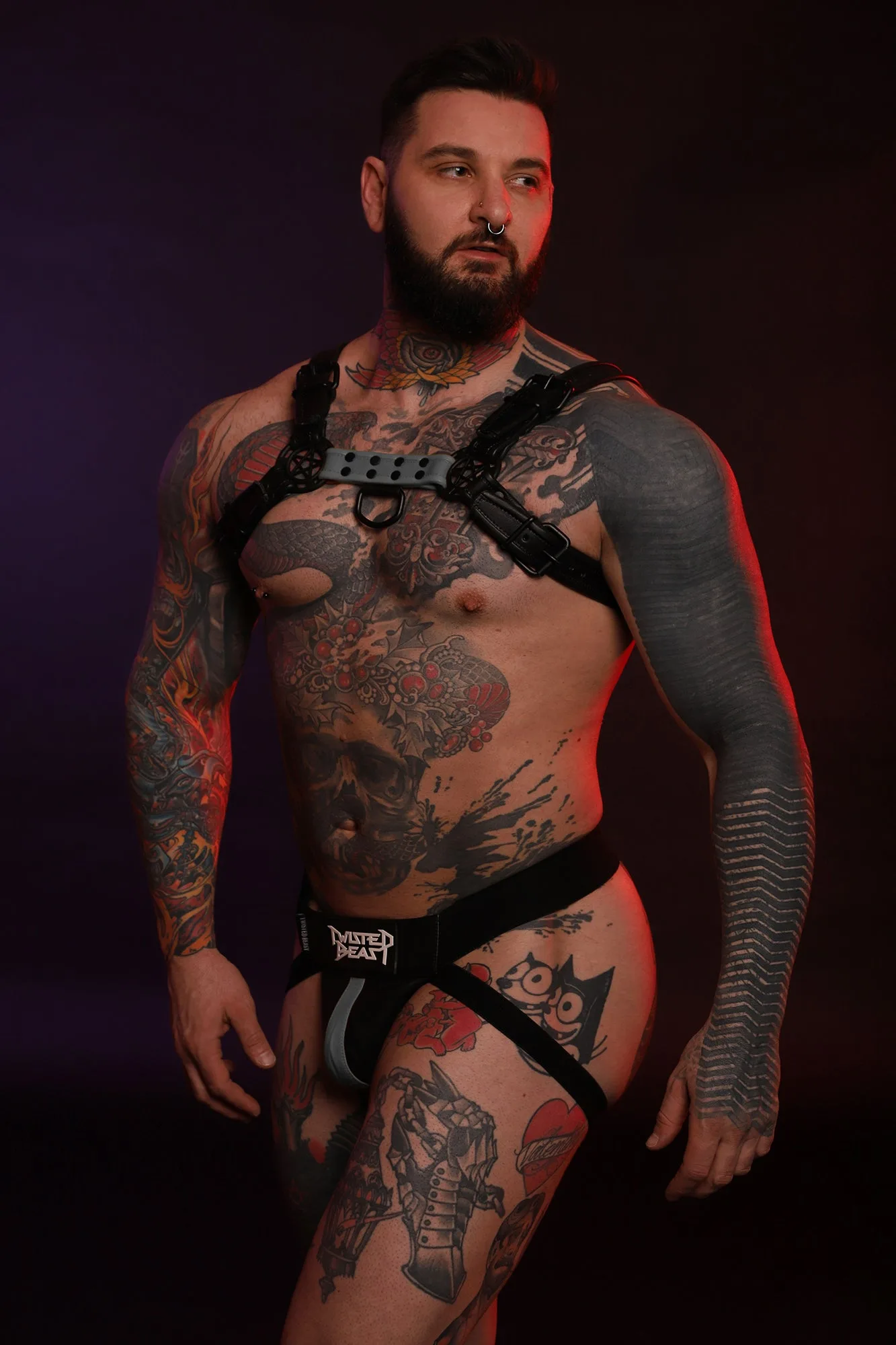
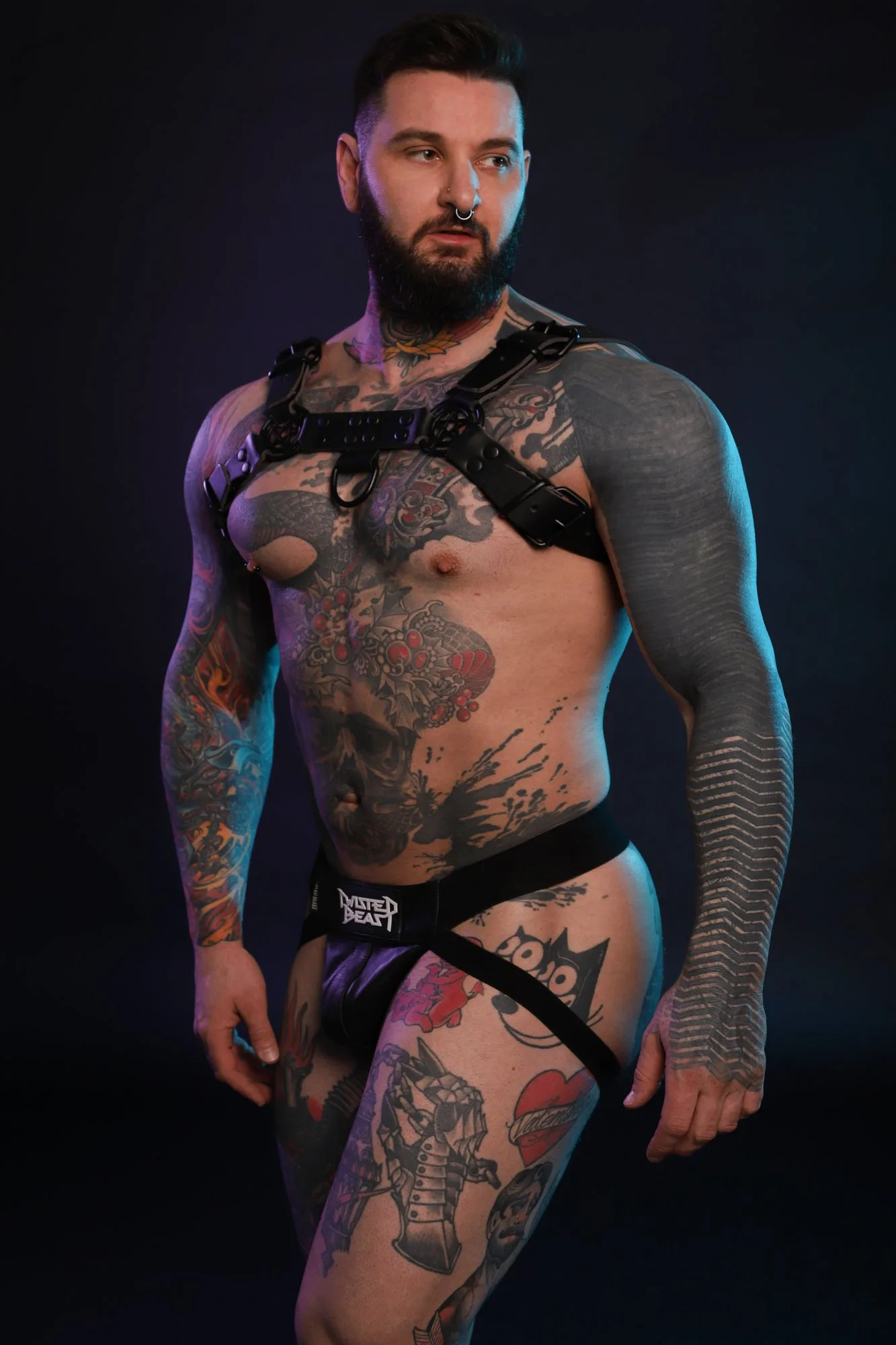
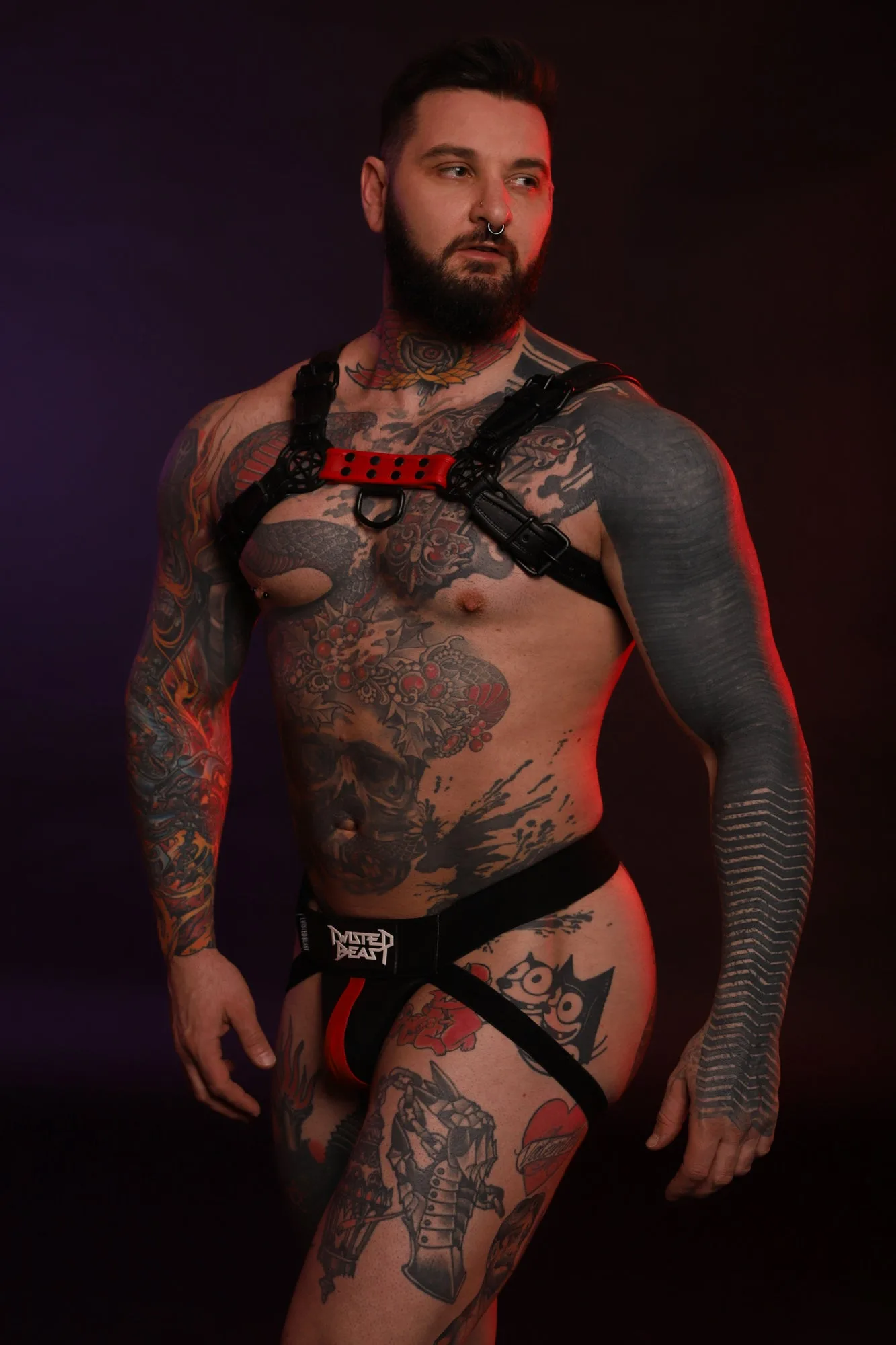
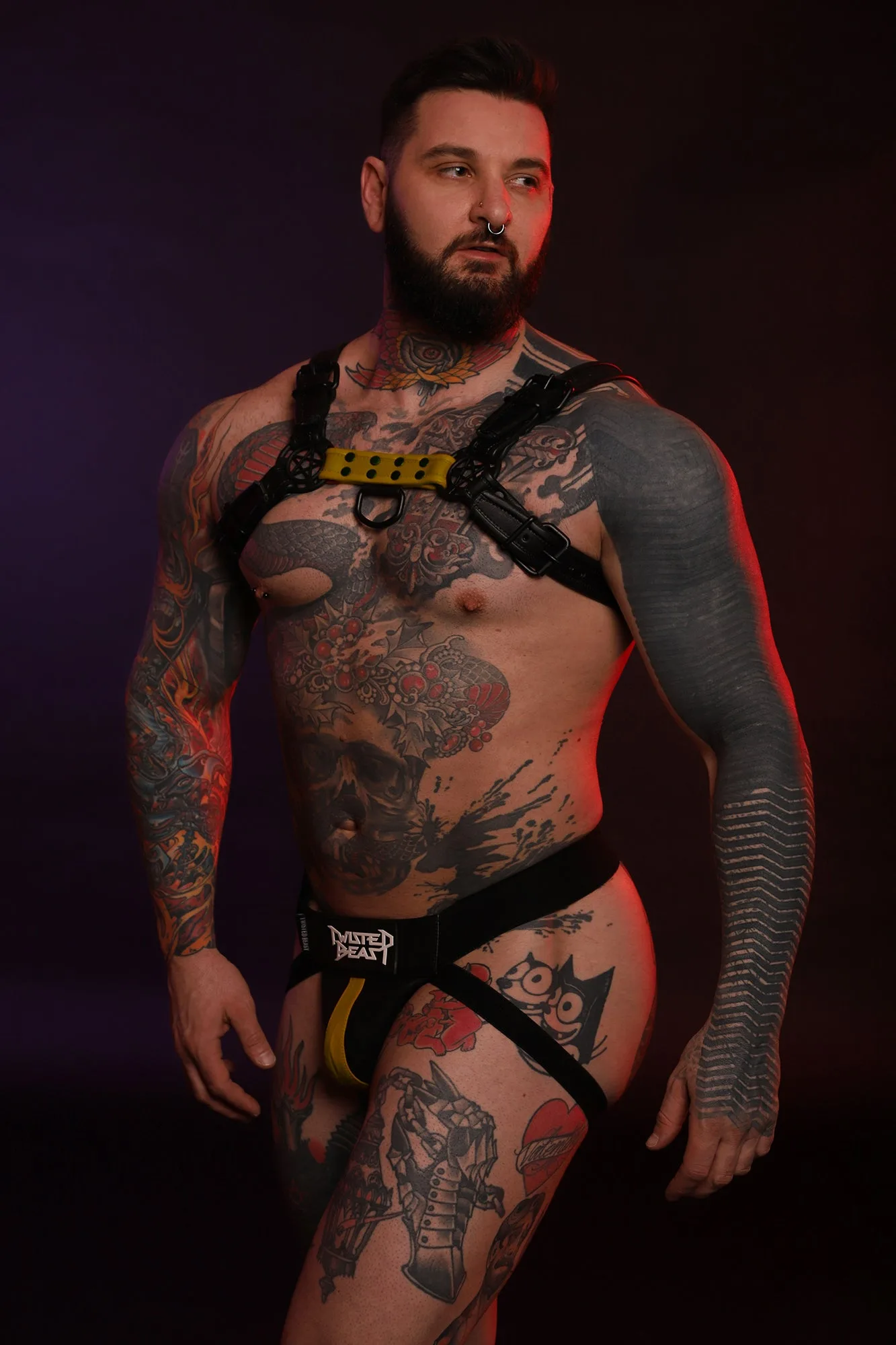
- https://twistedbeaststoreyht.com/products/tbl006-f316efcda6c107e7064c9ab9-641749https://twistedbeaststoreyht.com/products/beast-jock-2-f7ecb821c6918a63ebca9d46-641750https://twistedbeaststoreyht.com/products/tbl005-44040e012adc714c9f3830a7-641751https://twistedbeaststoreyht.com/products/beast-jock-1-3164ba62d4b99c4a8384a9c8-641752Beast Jock: The Beast Jock is a premium leather jockstrap with a thick waistband and luxury silicone branded tag. The pouch features a red contrast stripe for an extra touch of style. This jockstrap is crafted from the highest quality leather that is both comfortable and durable. Wearing a jockstrap over your plug provides gentle external support, helping to keep it in place during movement or extended wear.
- Beast Jock & Harness Combo Black/Yellow: This Beast combo pack contains a top-of-the-line Beast Harness and a Beast jock made of premium leather. Machined with custom pentagram o-rings, this black & yellow harness is both comfortable and reliable. The Beast Jock comes with a thick waistband and luxury silicone branded tag. The pouch is super soft and moulded to your body. Combining a harness with a jock gives you the option to secure toys more firmly, making it ideal for those who struggle with plugs slipping out during play.
A plug that slips out is frustrating, but it's usually a solvable problem. Focus on finding a plug with a defined neck and the right size for your body, and don't underestimate the power of a supportive jockstrap or harness. If you've tried everything and still face issues, it's okay to explore other options – the right toy is out there for you.