Quick Answer
Most plush shedding is loose fiber from manufacturing, packing, or a recent wash, and it stops after two or three gentle shakes and a light brush. If fur keeps coming out in tufts, or you see bald patches or exposed backing, the fabric is damaged and no cleaning method will restore it. Fix the easy causes first, then replace the plush if the pile is worn through.
Match the Symptom to the Cause
Shedding is not one problem. A fine dust of fuzz on your hands right out of the box is leftover fiber from cutting and sewing. Shedding that starts after a wash is usually fiber that was loosened by heat and agitation. Shedding that continues for weeks on a plush you have owned for years is wear: the pile fibers have broken or the backing has weakened. Each of these needs a different response, so identify which one you have before you do anything.
- New plush, light fuzz: normal loose fiber, remove it and monitor.
- After washing, heavy fallout: heat or agitation damage, change your method.
- Old plush, thinning patches: pile wear, treat gently or retire it.
- One spot only, tufts pulling free: a seam or backing failure, not general shedding.
How to Stop Plush Fuzz Shedding
Start with the least invasive step: take the plush outside or over a bin and shake it firmly for 10 to 15 seconds. Most loose fiber releases in that first shake. Then brush the surface with a soft-bristle brush or a clean, dry toothbrush, working in the direction of the pile rather than against it. A lint roller on low-tack setting can lift surface fuzz, but press lightly so you do not pull anchored fibers out of the backing.
If the plush is new, this is usually the whole fix. Repeat the shake and brush once a day for two or three days, then stop. Continued daily brushing can itself cause fiber fallout by working fibers loose, so once the fuzz stops appearing, leave the plush alone. For plush with shaggy or long fur, use a wide-tooth comb instead of a brush and work in small sections from the bottom of the pile upward.
Washing Mistakes That Cause Fiber Fallout
If shedding began after a wash, the method is the likely cause. Hot water, a heavy cycle, and a hot dryer all stress the fibers and the backing fabric. Wash only when the care information allows it, use cold water on a gentle or hand-wash cycle, and skip the dryer entirely. Air-dry the plush away from direct heat, reshaping it by hand while damp so it holds its form.
Detergent residue also makes fur feel stiff and shed more, so use a small amount of mild detergent and rinse thoroughly. Never wring or twist a wet plush; that motion pulls fibers out of the backing in clumps. Press water out with a towel instead. If the plush has electronics, magnets, or an interactive mechanism, do not submerge it at all, since water damage is not a shedding problem you can fix afterward.
When to Stop and Choose Another Option
Stop treating and consider repair or replacement when the shedding comes with visible damage. Bald patches, a stiff or cracked backing, exposed weave, or tufts that pull free with a light tug all mean the fabric structure has failed. Surface cleaning will not rebuild it, and repeated washing will make it worse. For a small seam opening, a few hand stitches with matching thread can contain the loss, but a plush with widespread pile wear is best kept as a display piece rather than a cuddly one.
If the plush is a gift or a collectible and you are unsure whether the shedding is normal, test on a hidden area first: rub the fabric gently with a white cloth for a few seconds. Light fuzz on the cloth is expected. A thick patch of fiber means the pile is releasing too easily, and you should contact the retailer before doing any cleaning that could affect a return.
Shedding Diagnosis Checklist
- Symptom: fine fuzz on hands right out of the box: This is loose manufacturing fiber sitting on the surface, not a fabric failure. Shake outside for 10 to 15 seconds, brush with the pile, repeat daily for two to three days, then stop.
- Symptom: heavy shedding after a wash: Heat, agitation, or detergent residue loosened the fibers. Switch to cold water, a gentle cycle, and air-drying. If fallout continues after one gentle wash, do not wash it again.
- Symptom: bald patches, exposed backing, or tufts that pull free: The pile or backing is physically damaged, which cleaning cannot reverse. Stop treating it. Keep it as a display piece, stitch a small seam if needed, or replace it.
Product Notes for Shedding-Prone Plush
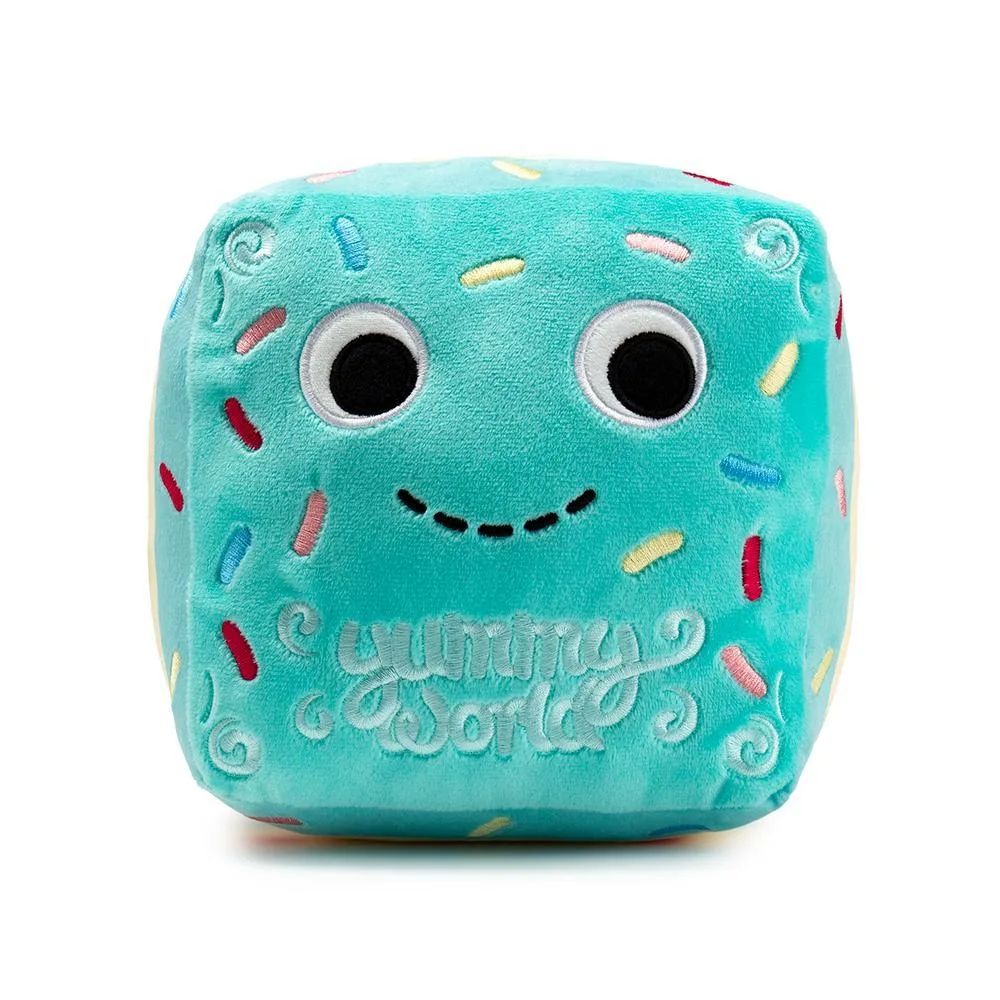
- Yummy World Yummy Bears 10" Interactive Plush by Kidrobot: The Yummy World Yummy Bears 10-inch Interactive Plush has a top that unzips to reveal removable bear pals inside. Because the plush opens, loose fiber can collect inside the zippered compartment. Shake and brush the exterior first, then open the zip over a bin and brush the interior separately so trapped fuzz does not keep reappearing on the outside.
- Sesame Street Mr. Snuffleupagus Plush - SOLD OUT: The Sesame Street Mr. Snuffleupagus Plush is a 13-inch plush designed with soft and shaggy fur. Long, shaggy pile releases more visible fuzz than short fur and tangles easily. Use a wide-tooth comb in small sections instead of a brush, and expect a longer settling period after unboxing.
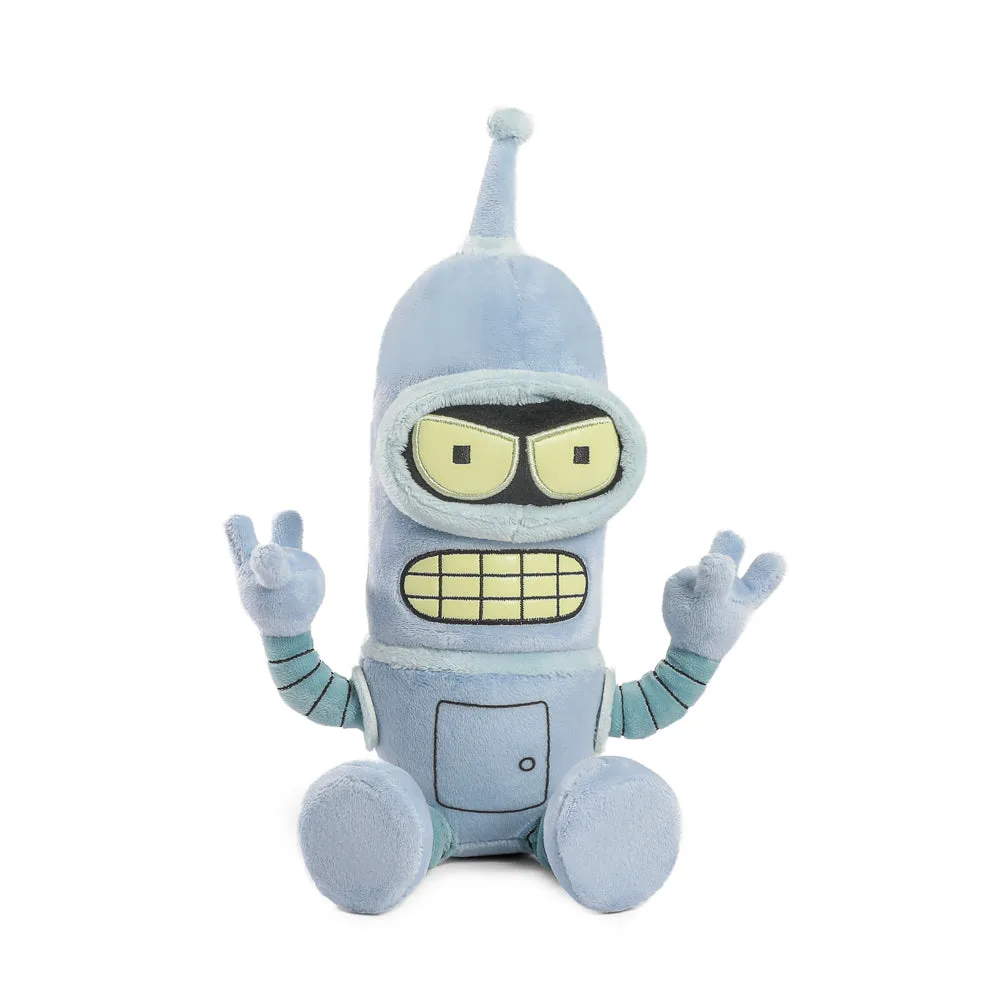
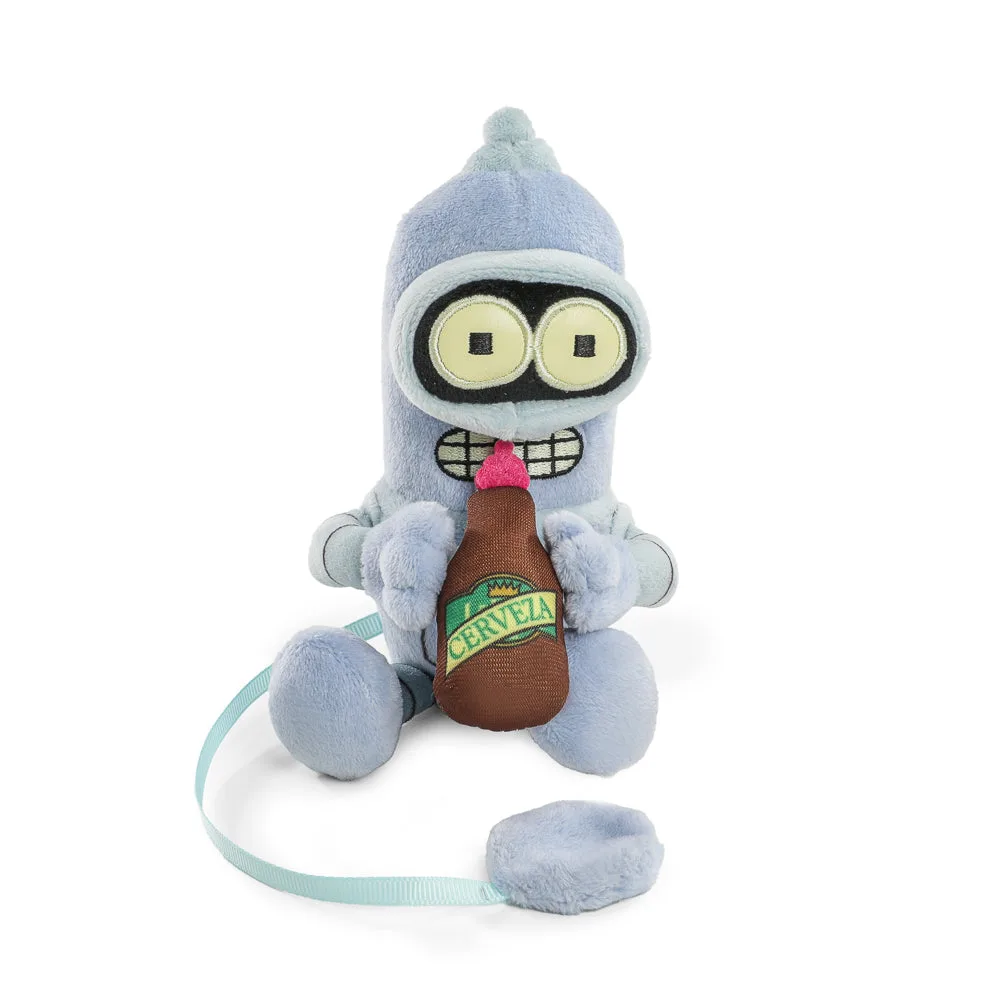
- Futurama - Baby Bender Plush Shoulder Phunny (PRE-ORDER): The Futurama Baby Bender Plush Shoulder Phunny attaches with an included magnet patch placed beneath your clothing. Because it is worn on the shoulder and handled often, it collects lint and friction. Spot-clean the surface rather than washing, and keep the magnet patch away from water so the attachment stays reliable.