Quick Answer
If your skin feels tight after cleansing, you're likely stripping away natural oils and weakening your moisture barrier. Switch to a gentle, hydrating cleanser like a creamy formula, and follow with a moisturizer suited to your skin type. For acne-prone skin, choose non-comedogenic options that cleanse without over-drying.
That uncomfortable, pulling sensation right after you wash your face is more than a minor annoyance. It's a clear signal that your skin's moisture barrier is compromised, leaving it vulnerable to irritation and breakouts. Many people mistake this tightness for 'squeaky clean,' but it's actually a sign of over-cleansing.
The good news: you don't need harsh products to fix it. By understanding what causes tightness and choosing the right cleanser and moisturizer, you can restore comfort and keep your skin clear. Here's how to break the cycle.
What Causes That Tight Feeling After Cleansing?
Your skin's outer layer contains natural lipids and proteins that lock in moisture and keep irritants out. When you use a cleanser with strong surfactants or wash too frequently, you strip away these essential oils. Water then evaporates from the skin faster, causing that dry, tight sensation.
For acne-prone individuals, the urge to use stronger cleansers is understandable, but it often backfires. Over-drying triggers your skin to produce more oil to compensate, which can lead to clogged pores and more breakouts. Tightness is also a common side effect of using hot water or washing for too long.
- Use lukewarm water instead of hot.
- Limit cleansing to twice a day and after heavy sweating.
- Pat skin dry with a soft towel—don't rub.
How to Fix Tightness Without Harsh Products
Start by swapping your cleanser for a gentle, hydrating formula. Look for creamy or lotion textures that cleanse while supporting your moisture barrier. Avoid products with high alcohol content or strong astringents like menthol or eucalyptus.
After cleansing, apply a moisturizer while your skin is still slightly damp to lock in hydration. For acne-prone skin, choose oil-free, non-comedogenic options. If tightness persists, consider adding a hydrating serum or treatment to your routine.
It's also worth reviewing your entire routine. Over-exfoliating or using multiple active ingredients can worsen barrier damage. If you're using a retinoid or acid, ensure you're not combining them with harsh cleansers.
- Check your cleanser for sulfates or high pH levels.
- Apply moisturizer within three minutes of washing.
- Avoid physical scrubs when your skin feels tight.
Choosing the Right Cleanser for Your Skin Type
Not all gentle cleansers are created equal. If you have dry or sensitive skin, a rich cream cleanser can provide comfort and hydration while cleansing. For oily or combination skin, a lighter gel or foam might feel more comfortable, but it should still be non-drying.
If you're prone to acne, you might worry that a creamy cleanser will clog pores. However, many are formulated to be acne-safe, meaning they won't block follicles. Look for products labeled 'non-comedogenic' and free of pore-clogging ingredients.
Consider your skin's needs throughout the year. In winter, even oily skin can feel tighter due to low humidity. Adjust your cleanser accordingly—you might use a cream cleanser at night and a gel in the morning.
- For dry skin: choose a cream cleanser.
- For oily skin: pick a gel cleanser that doesn't strip.
- For sensitive skin: avoid fragrance and dyes.
Diagnosis: What Your Tight Skin Is Telling You
- Symptom: Tightness within minutes after washing: Your skin's natural oils have been stripped, and the moisture barrier is struggling to retain water. Switch to a gentle cleanser and moisturize immediately after patting dry.
- Likely cause: Over-cleansing or harsh ingredients: Using a foaming cleanser with sulfates, washing more than twice daily, or using hot water can all contribute. Reduce cleansing frequency, use lukewarm water, and check ingredient lists for drying agents.
- Corrective action: Adopt a barrier-friendly routine: Incorporate a creamy cleanser and a moisturizer suited to your skin type. Consider adding a hydrating treatment if needed. Consistency is key—give your skin a few days to adjust and see if tightness subsides.
- When to stop or choose another option: If tightness persists after a week, or if you notice redness, flaking, or increased breakouts, your barrier may need more intensive repair. Consult a dermatologist or a Face Reality Certified Acne Expert for a personalized plan.
Products That Help Restore Comfort
- Barrier Balance Creamy Cleanser: Comfort skin with this indulgent creamy cleanser that leaves your skin feeling soft and clean. This gentle formula cleanses, calms, and hydrates skin while supporting a healthy moisture barrier and microbiome, all key elements to achieving and maintaining clear skin. This cleanser directly addresses tightness by supporting your moisture barrier, making it ideal for sensitive or dry skin that reacts to harsher cleansers.
- Cran-Peptide Cream: Dry skin deserves ultra-rich moisture. This restorative, soothing and acne-safe moisturizer contains a dynamic blend of peptides and antioxidants, leaving skin deeply nourished without feeling greasy. After cleansing, this rich yet non-greasy moisturizer helps replenish lost hydration and soothes tightness, without clogging acne-prone pores.
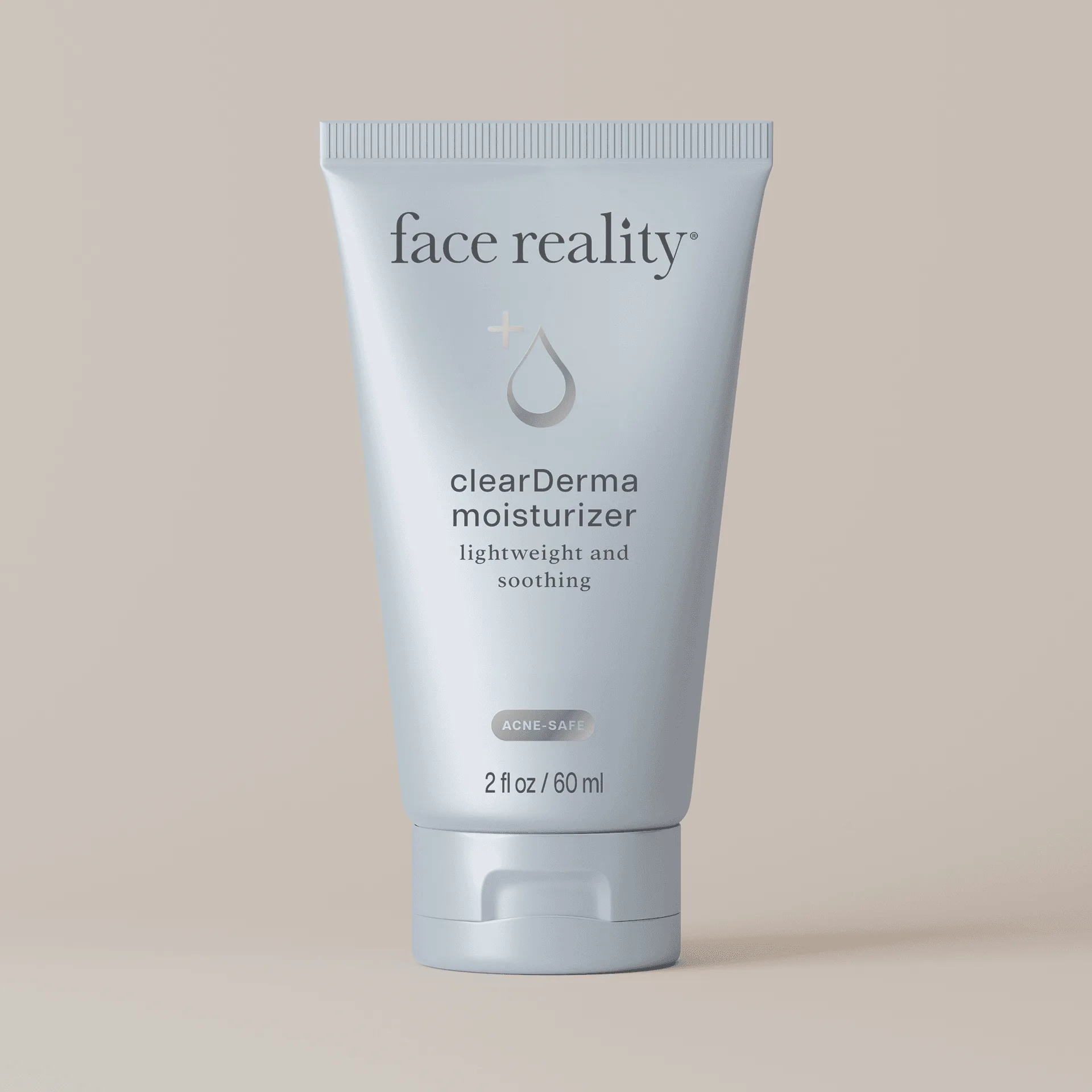
- clearDerma Moisturizer: Discover a lighter approach to hydration. This lightweight, acne‐safe, fast‐absorbing moisturizer soothes and quenches skin, while delivering antioxidant support for a healthy, radiant glow. If you prefer a lighter texture, this moisturizer hydrates effectively and absorbs quickly, making it a good option for normal or combination skin that still feels tight after cleansing.
Tight skin after cleansing is a common but fixable issue. By choosing gentle, hydrating products and adjusting your routine, you can restore your skin's comfort and maintain a clear, healthy complexion. Remember, a balanced barrier is the foundation of effective acne care.