Quick Answer
Your tea tastes bitter because of one of three mistakes: water that's too hot, leaves steeped too long, or using too much leaf. Fix it by checking your water temperature, timing your steep, and measuring your leaves—most bitter cups turn smooth with just one adjustment.
There’s nothing more disappointing than pouring a cup of tea you’ve looked forward to, only to be met with a sharp, puckering bitterness. The good news: in most cases, the tea leaves aren’t at fault. Bitterness is almost always a sign of a brewing misstep, and it’s completely fixable.
Whether you’re brewing a delicate green tea or a bold chai, the same principles apply. Once you understand how water temperature, steeping time, and leaf amount affect extraction, you’ll be able to brew a smooth, balanced cup every time.
Water Too Hot? The #1 Cause of Bitter Tea
Boiling water is perfect for hearty black teas and herbal infusions, but it’s too aggressive for delicate leaves like green tea. When water is too hot, it over-extracts tannins and catechins—the compounds responsible for bitterness and astringency. The result is a harsh, drying cup that masks the tea’s natural sweetness.
Each tea type has an ideal temperature range. Green teas generally prefer water around 160–180°F (70–80°C), while black teas and herbal infusions can handle a full boil. If you don’t have a temperature-controlled kettle, let boiling water sit for a minute or two before pouring—this brings it down to a safer range.
- If your tea tastes bitter and you used boiling water on a green tea, try cooling the water first.
Steeping Too Long: How Time Affects Flavor
Time is just as critical as temperature. The longer leaves sit in water, the more bitter compounds are released. A tea that’s perfect at three minutes can become undrinkable at five. Over-steeping is common when you get distracted or forget to set a timer.
A general guideline: green and white teas need only 2–3 minutes; black teas can handle 3–5 minutes; herbal infusions and tisanes often tolerate longer steeps. But always check the package instructions—the blend’s specific character matters. For example, a chai with robust black tea may be designed to steep longer for a strong, spicy cup, while a delicate green tea will turn bitter quickly.
- Use a timer or your phone’s stopwatch to avoid guesswork.
Too Many Leaves? The Right Leaf-to-Water Ratio
Using too much tea leaf is another common mistake. More leaves mean more extraction, which can easily push a brew into bitterness. A typical ratio is about one teaspoon of loose leaf per 8 ounces (240 ml) of water, but this varies by tea type and leaf size. Finely broken leaves, like those in some chai blends, release flavor faster and may need less.
If your tea is bitter and you’ve already checked temperature and time, try reducing the amount of tea next time. You can also experiment with slightly cooler water or a shorter steep to find your sweet spot.
- Start with a smaller amount than you think you need—you can always add more.
Diagnose Your Bitter Tea
- Symptom: Sharp, puckering bitterness with a dry aftertaste: This is usually caused by over-extraction of tannins and catechins. Check your water temperature and steeping time first.
- Likely cause: Water too hot for the tea type: Boiling water on green or white tea scorches the leaves. Cool your water to 160–180°F (70–80°C) for delicate teas.
- Likely cause: Steeped too long: Leaves left in water release more bitter compounds over time. Set a timer and remove the leaves promptly.
- Corrective action: Adjust one variable at a time: Change only the temperature, time, or leaf amount, then taste. If bitterness persists after all adjustments, the tea may not suit your palate—try a different blend.
Products That Help You Brew Better
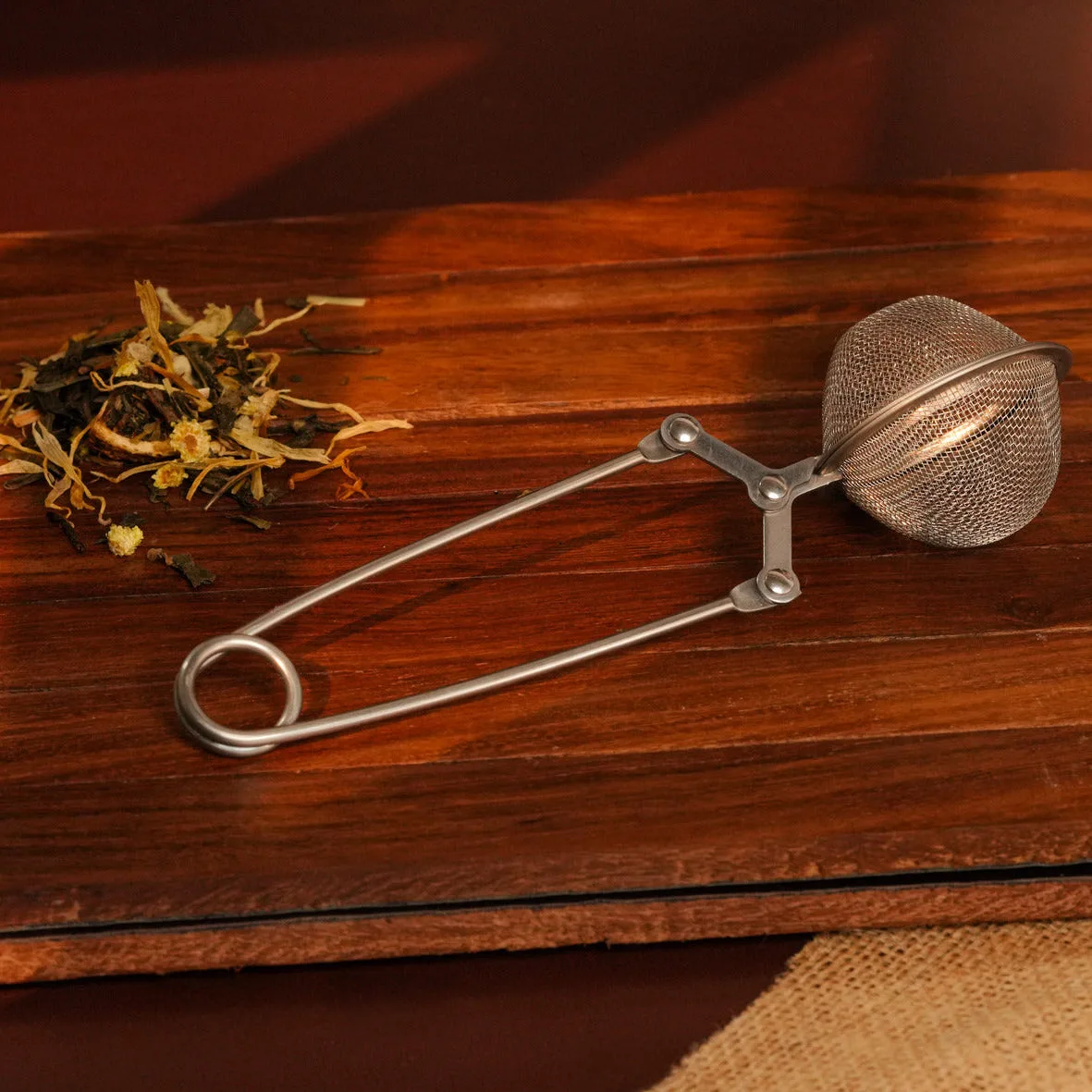
- Stainless Steel Pincer Tea Infuser: A convenient pincer-style infuser crafted from durable stainless steel. Its fine mesh allows loose leaves to steep evenly, delivering a clean, flavourful brew with a simple squeeze-and-release design. Even steeping prevents over-extraction in one spot, which can cause bitterness. The squeeze-release design also makes it easy to remove the leaves at the right time.
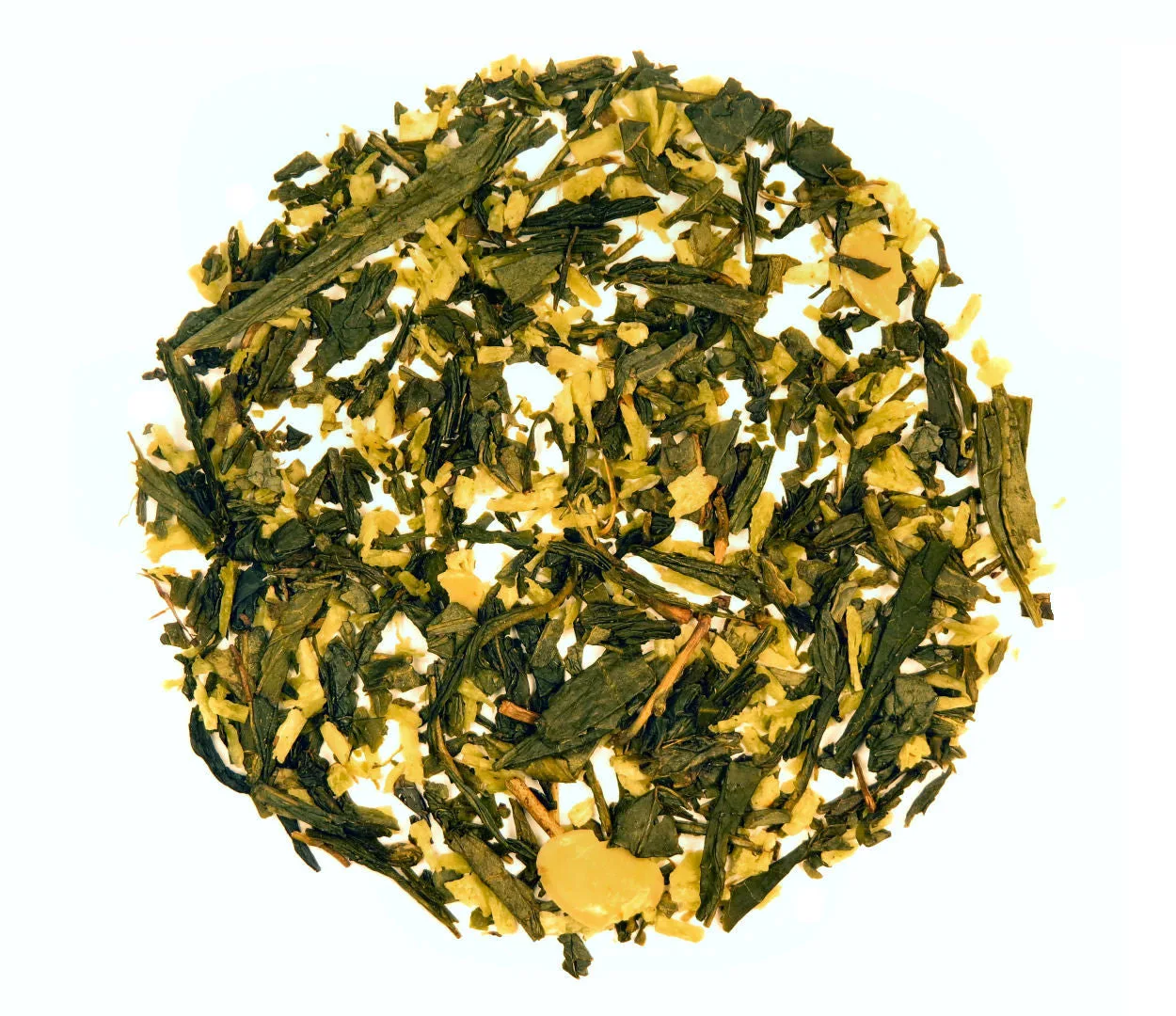
- Immune Warrior Herbal Tea Infusion: A powerful green tea blend with ashwagandha, nutmeg, star anise and thyme. Warming and soothing, it brews a wellness-boosting cup perfect to sip on all day. Green tea is especially sensitive to water temperature and steeping time. This blend’s warming spices can become harsh if over-steeped, so follow the recommended parameters to keep it smooth.
A bitter cup of tea is rarely a lost cause. By adjusting your water temperature, steeping time, and leaf amount, you can transform a harsh brew into a smooth, enjoyable one. Pay attention to the specific needs of your tea—delicate greens deserve cooler water, while robust chai and herbal infusions can handle more heat. With a little practice, you’ll be brewing perfect cups every time.