Quick answer
If your tea tastes weak or watery, the cause is almost always one of three things: too little tea for the amount of water, water that is not hot enough to extract flavor, or a steep that is too short. Fix the dose first, then the water temperature, then the time. Change one variable at a time so you can taste what actually made the difference.
Start with the dose, not the steep time
Most weak tea is simply under-dosed. A common starting point for loose leaf is roughly one teaspoon of leaf per 200 ml (about one mug) of water, but this varies enormously by leaf size. Fine, broken leaves pack more tightly into a spoon, so a teaspoon of them delivers more flavor than a teaspoon of large whole leaves. If your tea tastes thin, weigh it if you can: 2 to 3 grams per 200 ml is a useful benchmark for most black and herbal blends.
If you are using tea temples or bags, check whether you are using one per mug or stretching one across a large pot. A single temple designed for a 200 ml cup will taste weak in a 500 ml pot. Add another temple rather than steeping the same one for longer, because over-steeping a small amount of leaf tends to pull out bitterness before it builds real body.
Check your water temperature and your kettle
Water that has cooled too far will not extract flavor properly. Black tea and most herbal blends need water close to boiling, while green and white teas do better at lower temperatures. If you boil the kettle and then let it sit for several minutes before pouring, you may have dropped below the range your tea needs. Pour sooner for black and herbal teas, and use a thermometer if you are unsure.
Water quality matters too. Very hard water can make tea taste flat and dull, and heavily chlorinated water can mask flavor. If your tap water is strongly mineral or smells of chlorine, try filtered water for one cup and compare. You do not need special water, but you do need water that does not fight the leaf.
Give the leaf enough time, but not too much
A steep that is too short leaves flavor behind in the leaf. For most black teas, three to five minutes is a reasonable starting window; for herbal and fruit infusions, five to seven minutes is often better because the ingredients are coarser and slower to give up their flavor. If you have been pulling the bag out after 60 seconds, that alone explains a watery cup.
The tradeoff is real: past a certain point, longer steeping adds astringency and bitterness rather than more body. If your tea is both weak and bitter, the problem is usually too little leaf steeped too long, not too little time. Increase the dose and shorten the steep instead of just leaving it in longer.
When the leaf itself is the limit
Some teas are naturally lighter in body. A delicate white tea or a subtle herbal blend will never taste as robust as an Assam or a spiced chai, and trying to force intensity out of it usually just makes it bitter. If you have corrected dose, temperature, and time and the cup still tastes thin, you may simply be drinking a tea that is designed to be gentle.
At that point, the honest fix is to change the tea rather than the technique. If you want a stronger cup, choose a blend built for milk and spice, or a fruit infusion with a dense, sweet base. If you want a caffeine-free cup with more presence, look for blends that list their ingredients clearly so you know what is doing the flavor work.
Weak tea diagnosis
- Symptom: pale color and thin flavor from the first sip: Likely cause: too little tea for the volume of water. Corrective action: add another teaspoon of leaf or a second tea temple and keep everything else the same. If the next cup has more color and body, dose was your problem. Stop adjusting and keep this ratio.
- Symptom: tea tastes flat and slightly dull, not bitter: Likely cause: water temperature dropped too low, or your water is very hard or heavily chlorinated. Corrective action: pour closer to boiling for black and herbal teas, and try filtered water for one comparison cup. If flavor improves with hotter or filtered water, fix your water routine before changing the tea.
- Symptom: weak at first, then bitter if you leave it longer: Likely cause: too little leaf steeped too long. Corrective action: increase the dose and shorten the steep rather than extending it further. If it is still weak and bitter after correcting both, the leaf may be too old or too finely broken. Replace it.
- Symptom: still thin after dose, water, and time are all corrected: Likely cause: the tea itself is a delicate style that is meant to be light. Corrective action: choose a blend with a stronger base, such as a spiced chai or a dense fruit infusion. Stop trying to force body out of a delicate tea. Change the tea, not the technique.
Products that suit a stronger or caffeine-free cup
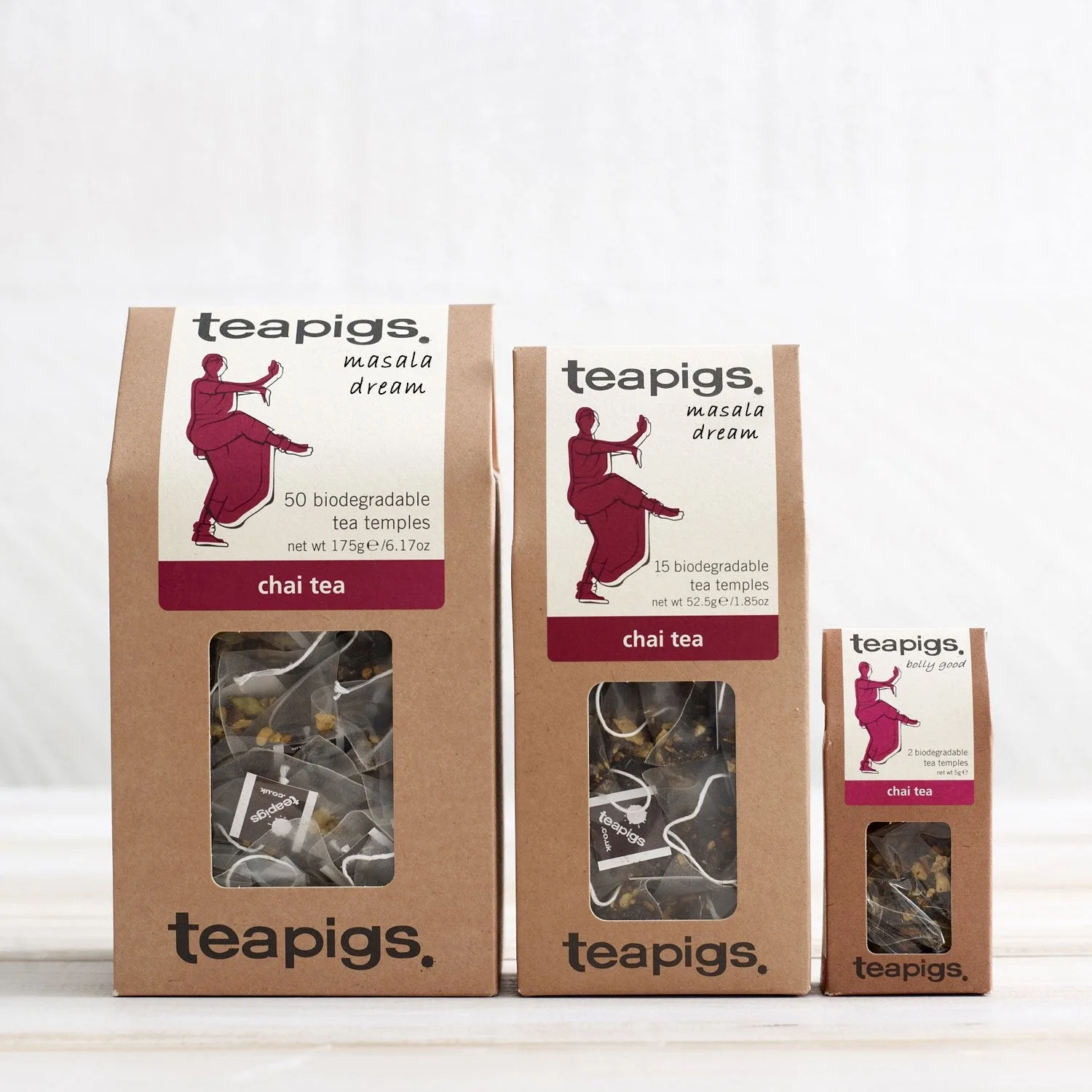
- chai tea: Strong and spicy, an all-natural chai, great with lots of milk - latte style. Available in tea temples or loose leaf pouches. A spiced black tea like this is forgiving if you like a bolder cup, and it is designed to stand up to milk rather than tasting watery when diluted.
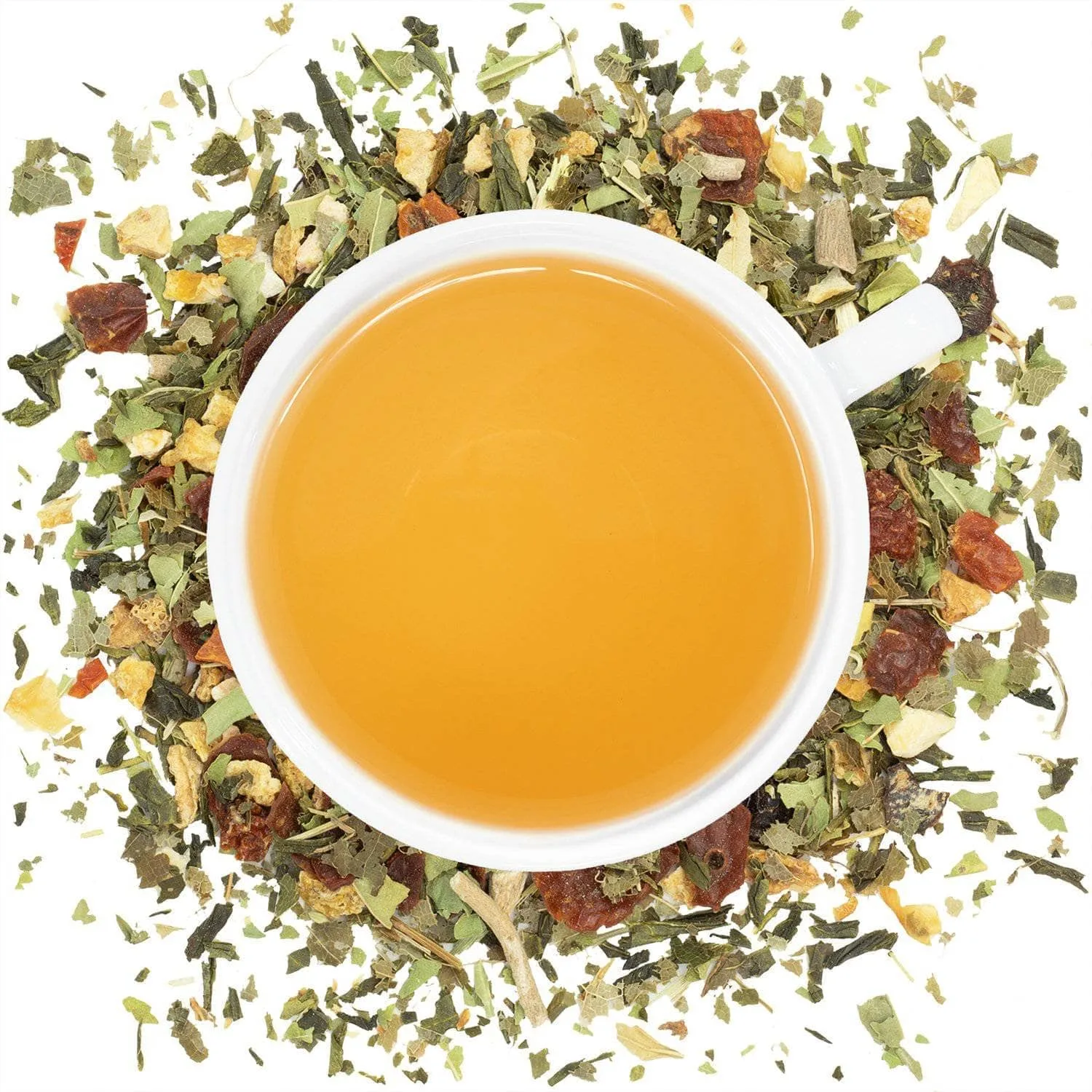
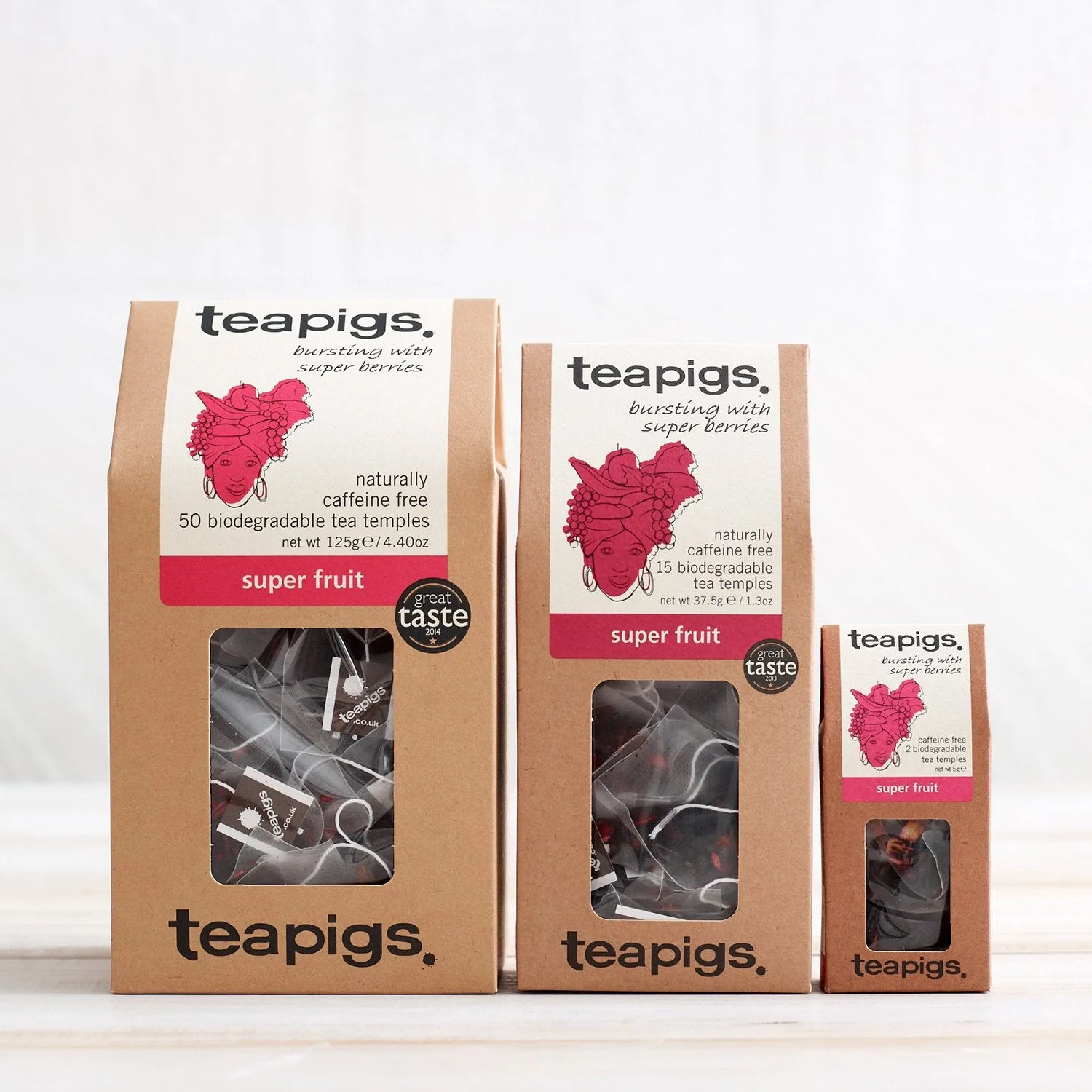
- super fruit tea: A super fruity blend which actually tastes as great as it smells. Available in tea temples or loose leaf pouches. If you want a caffeine-free cup with clear fruit flavor, this is a useful option to compare against a bland herbal blend that tastes thin no matter how you brew it.
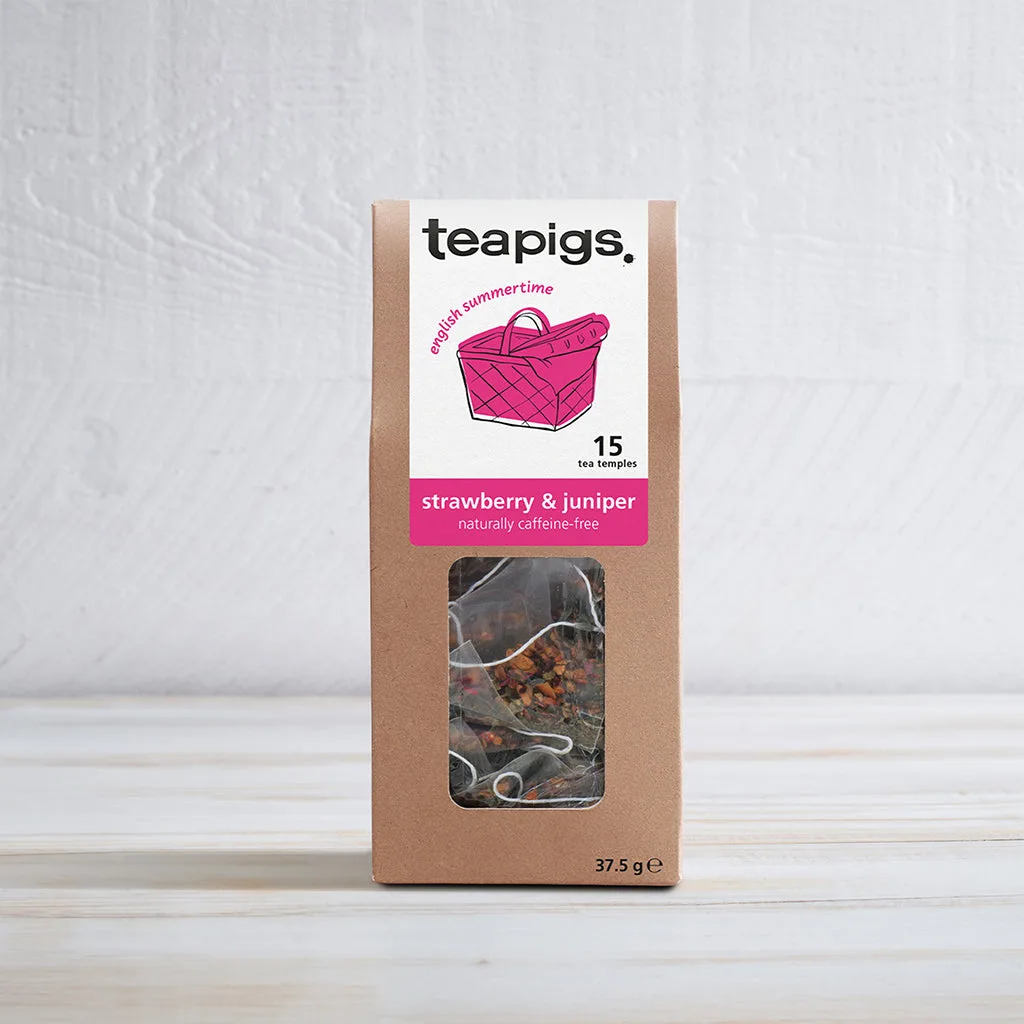
- strawberry and juniper tea: Caffeine-free herbal infusion with strawberry and juniper, described as a soothing, indulgent blend for any time of day. A good choice when you want a caffeine-free cup with a distinct flavor profile rather than a neutral herbal tea that can seem weak by nature.