Quick Answer
Toddlers prefer one toy over another because their play style is tied to their current developmental focus—whether that's practicing fine motor skills, exploring cause and effect, or engaging in pretend play. There's no single 'best' toy; offering variety across categories supports different skills as your child grows.
Have you ever watched your toddler ignore a toy they loved last week, only to fixate on a different one for days? It's easy to wonder if you're doing something wrong or if the toy was a waste of money. But this behavior is completely normal and actually a sign of healthy development.
Toddlers are driven by what they're currently learning to master. Their play choices reflect their emerging skills and interests, not a rejection of your choices. Understanding why these shifts happen can help you choose toys that match their ever-changing play style.
Play Styles Change as Skills Develop
A toddler's play style evolves rapidly. One month they might be fascinated by cause-and-effect toys that respond to their actions, and the next they might prefer toys that let them practice new physical skills like stacking or sorting. This is why a toy that was once a favorite can suddenly be pushed aside.
Rather than viewing this as a problem, see it as a signal. When your child consistently chooses a certain type of toy, they're telling you which skill they're working on. Offering a variety of toy categories—from puzzles to art supplies to pretend play—ensures they have options that match their current focus.
- Rotate toys to keep old favorites feeling new again.
- Observe which types of play your child gravitates toward and lean into that.
The Role of Repetition and Mastery
Toddlers often repeat an activity until they feel a sense of mastery. This repetition isn't boring to them—it's how they build confidence and competence. Once they feel they've mastered a skill, they may move on to something new, which can look like a sudden loss of interest.
Understanding this cycle can help you avoid buying too many similar toys. Instead, look for toys that offer multiple ways to play or that can grow with your child's skills. For example, a toy that starts as a simple cause-and-effect activity can later be used for more complex pretend play.
- Don't rush to replace a toy your child has 'mastered'—they may return to it later.
- Choose toys with open-ended play potential to extend their lifespan.
How to Support Your Toddler's Evolving Preferences
The best way to support your toddler's toy preferences is to provide a balanced mix of toys that encourage different types of play. This includes toys for fine motor skills, problem-solving, creativity, and physical activity. Having a variety also helps prevent boredom and encourages well-rounded development.
When you notice your child gravitating toward a certain type of toy, lean into it. If they love interactive books, add more. If they're into sticker activities, offer different themes. The key is to follow their lead while gently introducing new options to expand their horizons.
- Create a toy rotation that includes different categories.
- Introduce one new toy at a time to avoid overwhelming your child.
Myth vs. Reality: Toddler Toy Preferences
- Myth: A toddler rejecting a toy means they don't like it.: Rejection often means the toy doesn't match their current play style or skill level. They may return to it later. Observe their current play focus before assuming disinterest.
- Myth: More toys equal more learning.: Too many toys can overwhelm a toddler. A curated variety that matches their developmental stage is more effective. Rotate toys to keep choices manageable and meaningful.
- Myth: A favorite toy is the only one they'll ever play with.: Preferences shift as skills develop. A toy that was once a favorite may be set aside for a new challenge, but it can become a favorite again. Hold onto old favorites—they often make a comeback.
Product Facts: Supporting Different Play Styles
- Daily Routine & Responsibility Bundle: This three-piece visual learning bundle helps kids understand time, build habits, and take responsibility—independently. Kids can track the date, weather, seasons, and their mood with the Daily Magnetic Calendar, celebrate accomplishments with the Magnetic Responsibility Chart, and check off morning and nighttime tasks with a double-sided flip-tab routines chart. If your toddler is in a phase of wanting to 'do it myself,' this bundle supports independence and routine-building, which is a key part of their play style at this age.
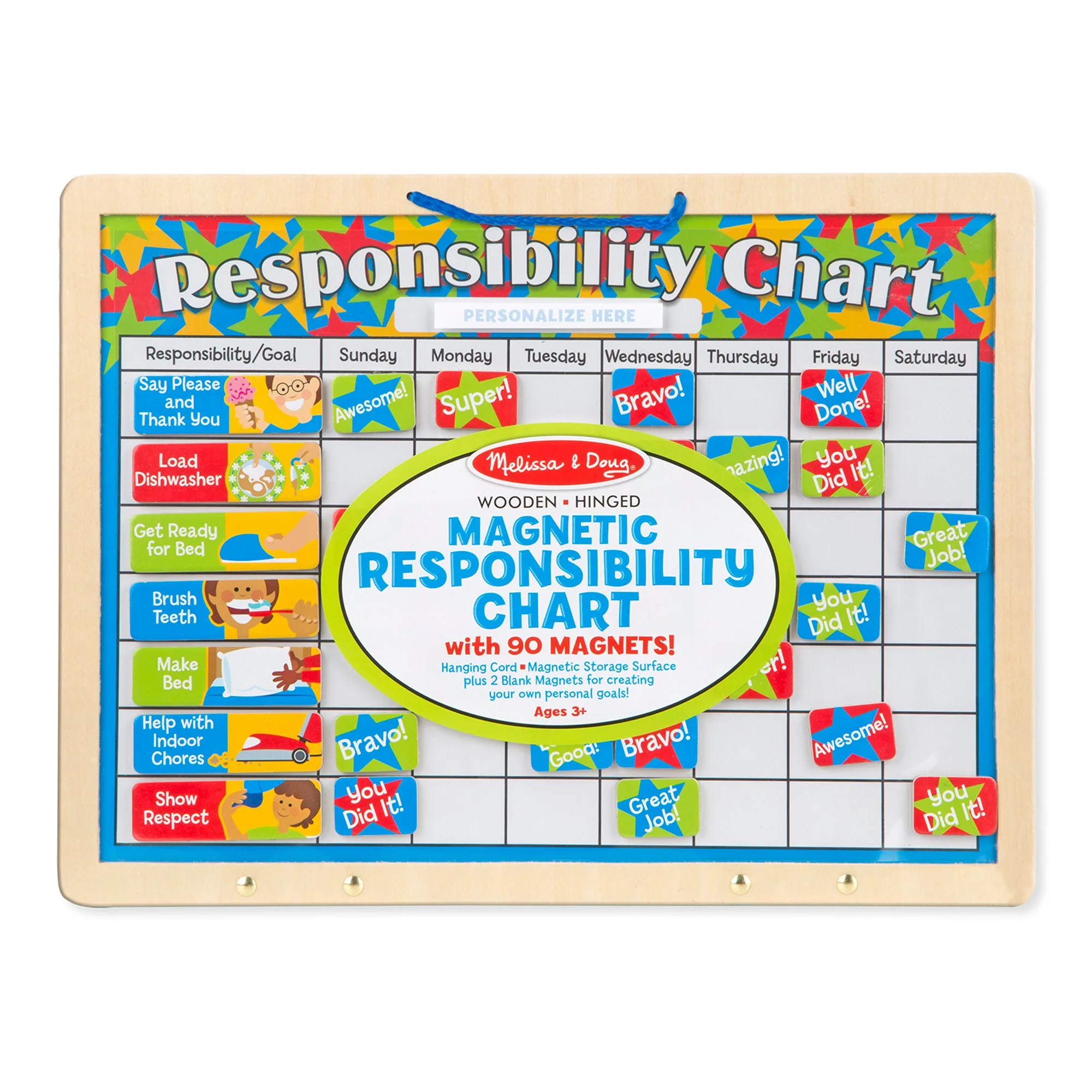
Magnetic Responsibility Chart
- Sticker WOW! Deluxe Set Mickey & Minnie: This set includes two collectible sticker stampers and two 24-page activity pads. Kids can use 900 included surprise stickers to complete matching, counting, and search-and-find activities, or use them to decorate their own art projects. The easy-to-remove stickers and on-the-go format make it a versatile choice. For toddlers who love creative, fine-motor play, this set offers a mess-free way to practice matching and counting while also encouraging artistic expression.
Toddler toy preferences are a natural reflection of their developing skills and interests. By understanding the 'why' behind their choices, you can select toys that truly support their growth. And remember, a varied toy collection—like the range from Melissa & Doug—ensures your child always has something that fits their current play style.