Quick answer
Dogs fidget during nail trims because they're anxious, uncomfortable, or have had a bad past experience. Fix it by pairing calm handling with positive reinforcement, using sharp, properly sized clippers like Pupwell's Mini Nail Clippers, and going slowly with frequent breaks.
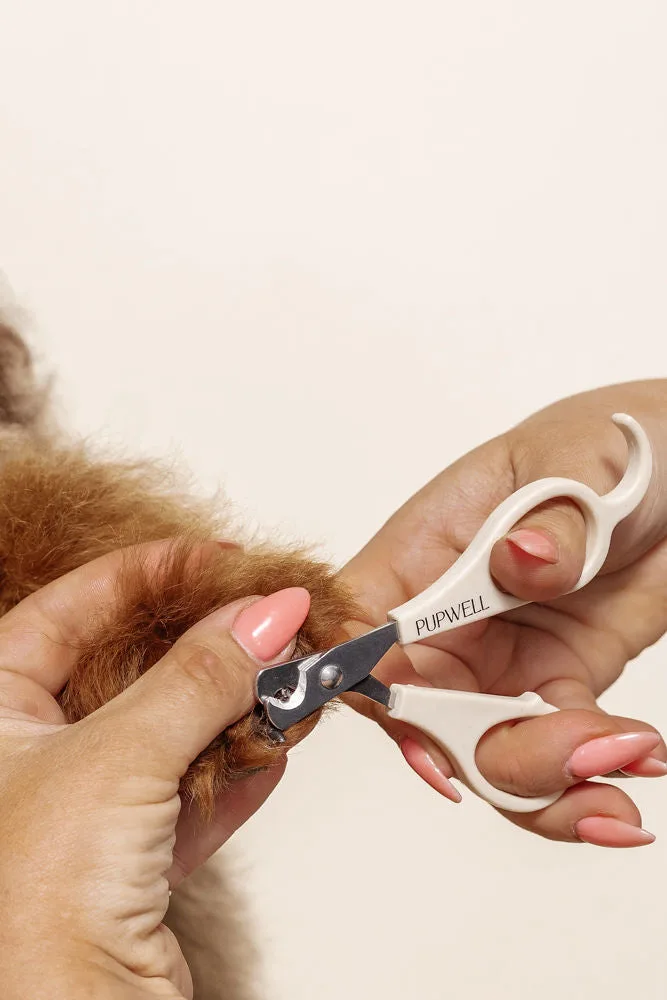
Mini Nail Clippers
If your dog turns into a wiggly mess the moment you bring out the nail clippers, you're not alone. Many pet parents struggle with this common grooming challenge, and it's easy to feel frustrated. But the good news is that with a few adjustments, you can turn nail trims into a calmer, more positive experience for both of you.
The key is understanding why your dog fidgets and then addressing those specific triggers. Whether it's fear, discomfort, or just plain impatience, there are proven techniques and the right tools—like mini nail clippers designed for small paws—that can make all the difference.
Why Dogs Fidget During Nail Trims
Nail trimming is an unnatural sensation for most dogs. They're not used to having their paws handled, and the sound and feel of clippers can be unsettling. If your dog has ever had a nail cut too short, they may associate the clippers with pain, making them even more anxious the next time.
Another common reason is simply discomfort from the clippers themselves. Dull blades can crush the nail instead of cutting cleanly, causing pressure and pain. This is why using sharp, high-quality clippers designed for your dog's nail size is so important.
- Watch for signs of stress like panting, lip licking, or pulling paws away—these indicate your dog is anxious, not being stubborn.
How to Calm Your Dog During Nail Trims
Start by desensitizing your dog to having their paws touched. Spend a few minutes each day gently handling their feet, rewarding them with treats and praise. Once they're comfortable with that, introduce the clippers without cutting—let them sniff it and reward calm behavior.
When you're ready to trim, work in a quiet, familiar space and have treats ready. Trim one nail at a time, giving plenty of praise and breaks between each. If your dog becomes too stressed, stop and try again later. Patience is key, and forcing the process will only make things worse.
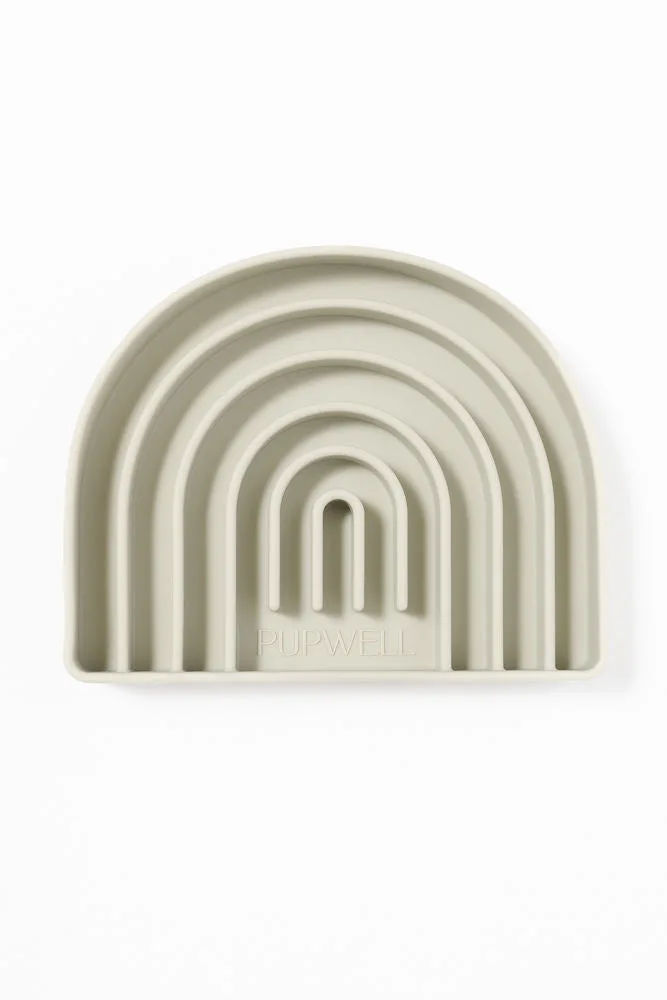
- Use a lick mat with peanut butter or yogurt to keep your dog distracted and calm during the trim—this can work wonders for fidgety pups.
Choosing the Right Clippers for a Stress-Free Trim
The right tool can make a huge difference in how your dog responds. Mini nail clippers are ideal for puppies and small breeds because they're easier to handle and less intimidating. Look for clippers with sharp stainless steel blades that cut cleanly, reducing the chance of splitting or crushing the nail.
Pupwell's Mini Nail Clippers are designed with stainless steel blades that glide gently through the nail without breakage. They're recommended for weekly use on puppies and every two weeks on adult dogs, helping you stay on top of nail maintenance and avoid overgrowth that can make trimming more difficult.
- If your dog has dark nails where the quick is hard to see, trim tiny slivers at a time to avoid cutting too short.
When to Stop and Seek Help
Sometimes, despite your best efforts, your dog may remain too anxious or fidgety for a safe home trim. If you notice excessive fear, aggression, or if your dog has a medical condition that makes handling risky, it's okay to stop and seek professional help from a groomer or veterinarian.
Professional groomers have experience with anxious dogs and may use tools like nail grinders or sedation in extreme cases. Your vet can also rule out any underlying pain or health issues that might be making nail trims uncomfortable.
- If you accidentally cut the quick, apply styptic powder and stay calm—your dog will recover quickly, but your reaction can affect future trims.
Diagnosis: Why Your Dog Fidgets and What to Do
- Symptom: Your dog pulls paws away, squirms, or tries to escape during nail trims. This is a common stress response, not misbehavior.
- Likely cause: Fear of the clippers, discomfort from dull blades, or a past painful experience. Address the root cause to reduce fidgeting.
- Corrective action: Desensitize your dog to paw handling, use sharp mini clippers, go slow, and use positive reinforcement. Consistency and patience are key.
- Stop or choose another option: If your dog shows extreme fear or aggression, or you're unsure about the quick, stop and consult a professional groomer or vet. Your dog's safety and trust come first.
Tools That Help
- Mini Nail Clippers: Stainless steel blades glide gently through your dog's nail easily without breakage. Recommended for weekly use with puppies and every two weeks with adult dogs. The sharp, precise blades reduce pressure and discomfort, which directly addresses the fidgeting caused by dull or poorly sized clippers.
- Happy Feelings Lick Mat: Made from high quality silicone, it's free of BPA, BPS, and phthalates. Smear spreadable treats along its surface to keep your pup happy, occupied, and busy licking. A lick mat provides a calming distraction during nail trims, helping your dog stay still and associate the experience with something positive.
Nail trims don't have to be a battle. By understanding why your dog fidgets and taking a calm, patient approach with the right tools, you can turn this grooming task into a positive bonding experience. Start slow, stay consistent, and don't hesitate to seek professional help if needed—your dog will thank you.