Quick answer
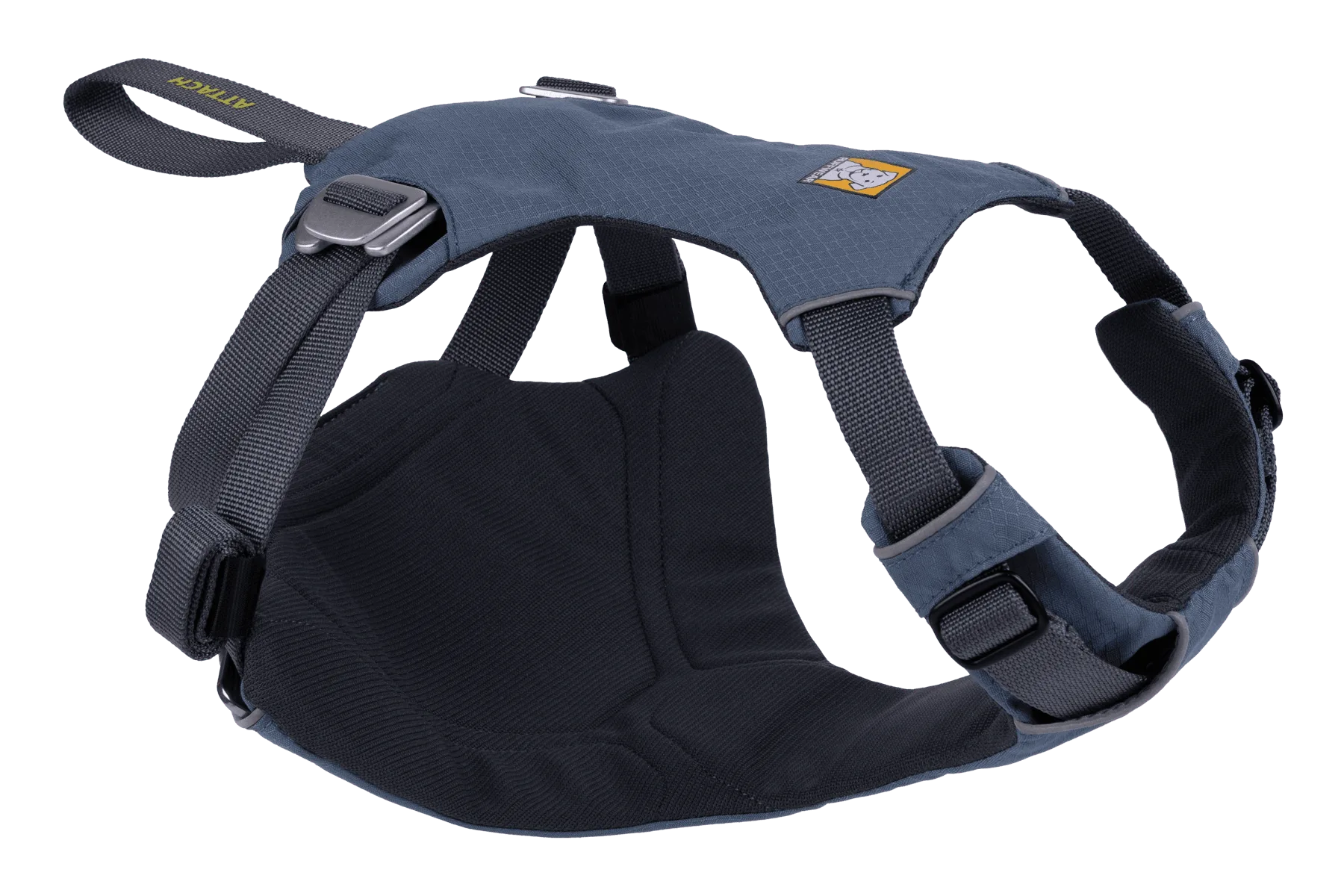
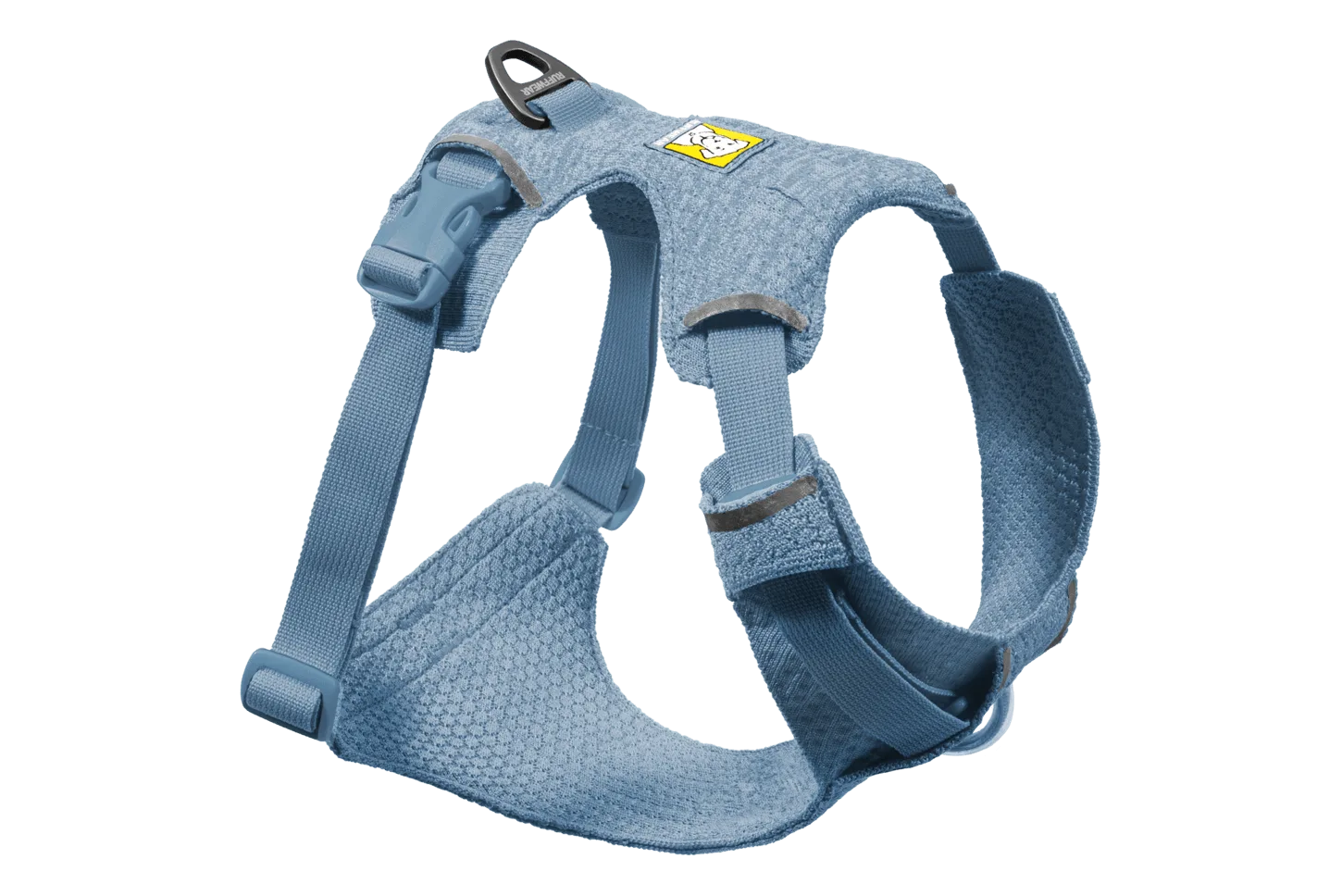
Most harness rubbing comes from movement against the skin, not just tightness. First, check the fit: you should be able to slide two fingers under every strap, and the harness should not shift more than an inch when your dog walks. If the fit is correct and rubbing continues, the harness design or material may be wrong for your dog's body shape. Switch to a harness with fewer seams and a more conforming fit, such as the Front Range Flex Harness, or a lightweight option like the Hi & Light Harness for small dogs.
Symptom: Where and When Rubbing Shows Up
Harness chafing typically appears in three places: the armpits, the chest, and behind the front legs. You might notice hair loss, redness, or a reluctant gait. The timing matters: if rubbing happens only on long hikes, the issue is likely movement and moisture. If it happens on every walk, the fit is probably wrong. Check your dog after each outing for the first week of using any harness.
Cause: Why Harnesses Rub
Rubbing is caused by friction from the harness moving against your dog's skin. This can happen if the harness is too loose and slides, too tight and presses, or if the material is stiff and doesn't conform to the body. Dogs with short coats, sensitive skin, or a narrow chest are more prone to irritation. A harness that fits well but still rubs may have seams or edges in the wrong place for your dog's unique shape.
Corrective Action: Adjusting Straps and Fit
Start by adjusting the harness while it's on your dog. The chest strap should sit high on the breastbone, not across the throat. The belly strap should be behind the front legs, not in the armpit. Tighten or loosen each adjustment point one at a time, then walk your dog and watch for shifting. For a harness with four points of adjustment, like the Hi & Light Harness, you can dial in a precise fit. If the harness has a padded or knit construction, like the Front Range Flex Harness, it may conform better and reduce the need for constant readjustment.
When to Stop Adjusting and Choose Another Option
If you've adjusted the harness correctly and your dog still shows signs of chafing after a few short walks, stop using it. Continuing to adjust a harness that fundamentally doesn't fit your dog's body can cause sores. Look for a different design: a lighter, lower-profile harness for small dogs, or a harness with a more contoured cut for deep-chested dogs. If your dog has a history of skin issues, consult your veterinarian before trying a new harness.
Diagnosis: Is It the Fit or the Harness?
- Check strap tension: You should be able to slide two fingers under every strap. If you can't, it's too tight. If you can fit more than two, it's too loose and may slide. Adjust and retest after a short walk.
- Watch for movement: Have someone watch your dog walk. The harness should not shift more than an inch side to side or front to back. If it shifts more, tighten the adjustment points or try a different size.
- Inspect after use: Remove the harness and check for redness, hair loss, or moisture buildup. Rub your hand along the inside of the straps for rough seams or edges. If irritation persists after correct adjustment, switch to a different harness design.
Harness Options That Reduce Rubbing
- Hi & Light™ Lightweight Dog Harness: The Hi & Light Harness is a lightweight, low-profile dog harness with four points of adjustment and sizes down to XXXS. A minimalist design with multiple adjustment points can reduce bulk and rubbing for small dogs, and the wide size range helps you get a precise fit.
- Front Range® Flex Harness: The Front Range Flex Harness uses an engineered knit material that conforms to and moves with a dog's body, with minimal bulk and seams. A conforming, seam-reduced design can lower friction and rubbing, especially for dogs with sensitive skin or irregular body shapes.