Quick answer
Cakey foundation usually comes from applying too much product, rushing your skincare, or using the wrong brush. To fix it, start with a well-prepped face, use a light hand, and choose a brush that blends without disturbing your base—like a fluffy powder brush for setting or a dense, soft brush for liquid formulas.
Foundation that looks thick, dry, or patchy is one of the most frustrating makeup problems. You apply it carefully, but by midday it settles into fine lines and looks heavy. The good news: cakey makeup is rarely a sign that your foundation is bad. It's usually a combination of how much product you use, how your skin is prepped, and which brush you pick up.
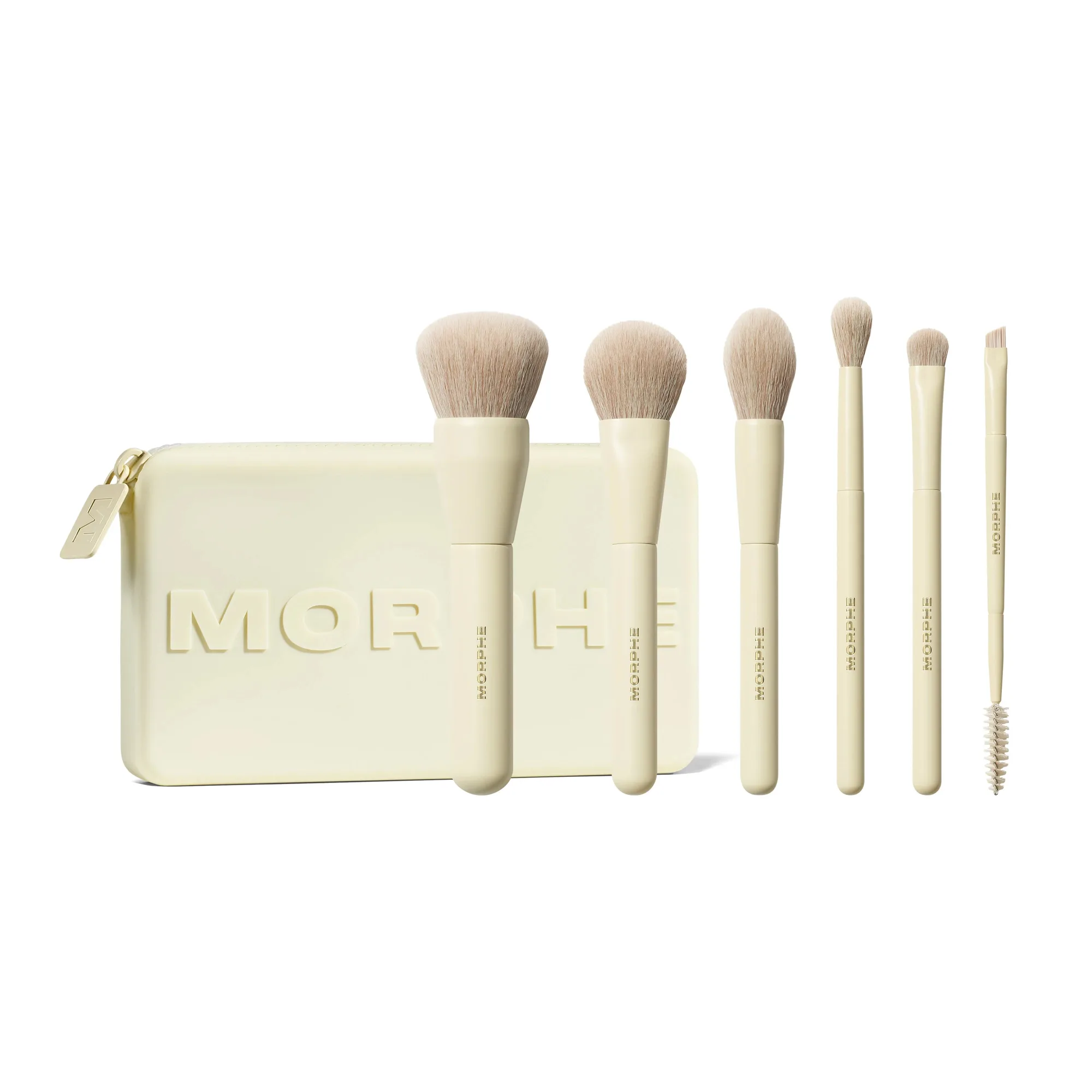
The right brush can make a huge difference. A dense, soft brush helps liquid and cream formulas melt into the skin, while a fluffy brush is perfect for pressing in powder without adding extra texture. Here's how to diagnose your cakey foundation and fix it with better technique and the right tools.
Common Causes of Cakey Foundation
Cakey foundation rarely has a single cause. The most common culprit is applying too much product at once. When you layer a thick coat of foundation, it has nowhere to go, so it sits on top of the skin and looks heavy. Another frequent cause is dry or dehydrated skin. Without enough moisture, foundation clings to rough patches and looks flaky. Skipping primer or using the wrong primer for your skin type can also make the problem worse.
Your brush technique matters just as much as the product itself. Pressing too hard, buffing too aggressively, or using a brush that's too dense for the formula can push product into pores and create streaks. The fix isn't always a new foundation—it's often a change in how you apply it.
- Use a light hand and build coverage in thin layers.
- Moisturize and prime before applying foundation.
- Match your brush density to your foundation formula.
How the Right Brush Fixes a Cakey Finish
Choosing a brush that suits your foundation formula is one of the fastest ways to avoid a cakey finish. For liquid and cream foundations, a dense but soft brush helps press the product into the skin without dragging. For powder setting, a fluffy brush is key—it picks up just enough powder and distributes it evenly without disturbing your base.
The M161 Large Rounded Powder Brush is a great example of a brush designed to prevent that powdery, cakey look. It's very fluffy, so it dusts on setting powder without buildup. That means you get a natural, soft finish instead of a heavy layer. For those who prefer a sponge, the One & Done Multifunctional Makeup Sponge offers a versatile shape that blends creams and liquids seamlessly, including a flat surface for building coverage and a fine point for hard-to-reach areas.
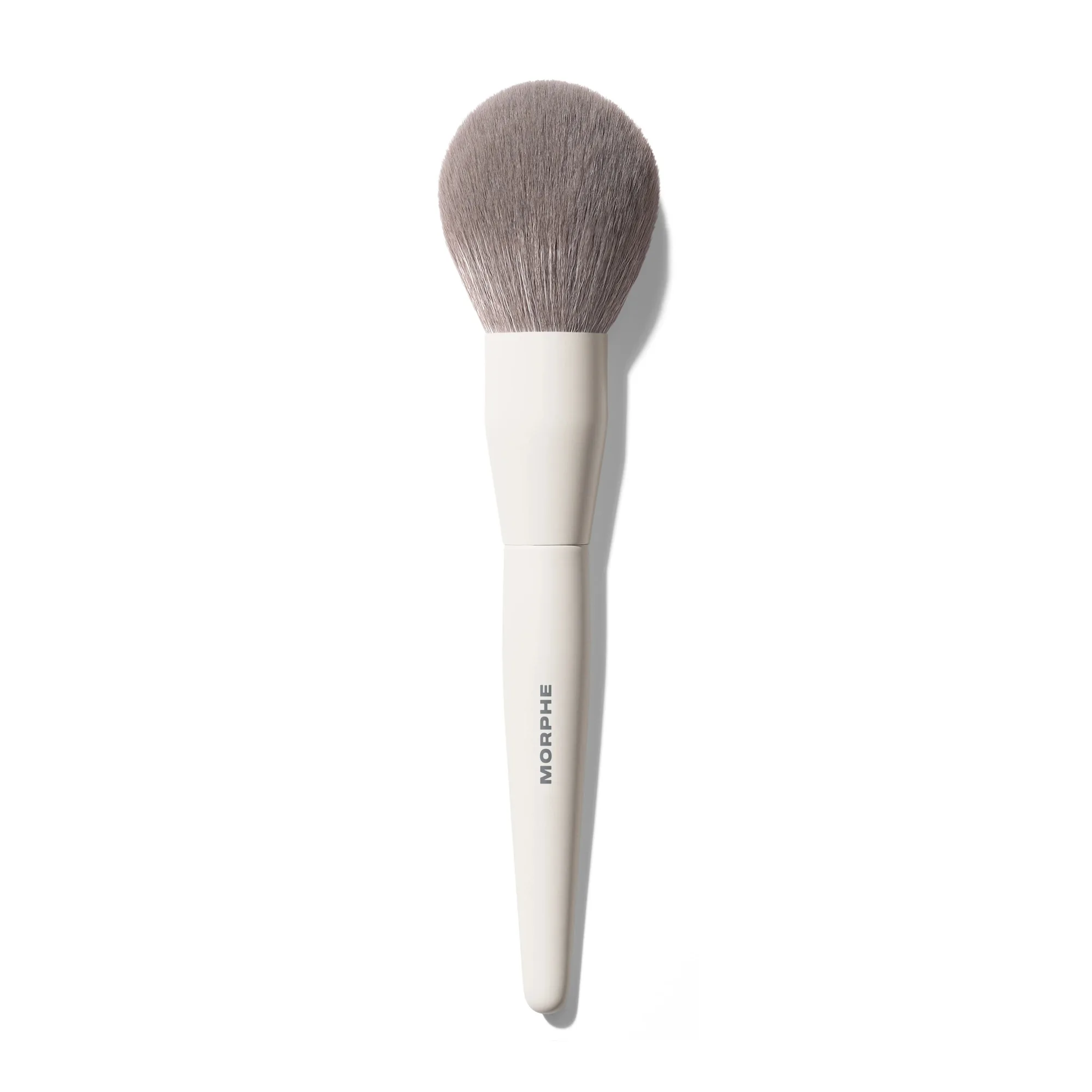
M161 Large Rounded Powder Brush
- Use a fluffy brush for setting powder to avoid buildup.
- Use a sponge or dense brush for liquid and cream foundations.
- Always blend in small sections, not all at once.
Step-by-Step: Fixing Cakey Foundation With Brush Technique
Start by prepping your skin. Cleanse, moisturize, and apply primer—this gives your foundation a smooth base to grip. Then, apply a thin layer of foundation using a damp sponge or a dense brush. Use pressing and stippling motions rather than swiping, which can push product into pores and create streaks.
If you need more coverage, wait for the first layer to dry slightly, then add another thin layer. This builds coverage without the heaviness. When it comes to setting powder, use a fluffy brush like the M161 Large Rounded Powder Brush. Dip it lightly into powder, tap off the excess, and press it into the skin in a rolling motion. This sets your makeup without adding texture.
- Prep skin with moisturizer and primer.
- Apply foundation in thin, even layers.
- Set with a fluffy brush and a light hand.
Diagnosing Your Cakey Foundation
- Symptom: Foundation looks thick, dry, or settles into fine lines and pores. Recognize that cakey makeup is usually a technique or prep issue, not a product failure.
- Likely cause: Too much product, dry skin, or using a brush that's too dense or fluffy for your formula. If you're applying more than a pea-sized amount, that's often the root cause.
- Corrective action: Prep with moisturizer and primer, apply foundation in thin layers with a damp sponge or dense brush, and set with a fluffy brush using a light hand. If the finish still looks cakey after trying this, consider switching to a lighter-coverage foundation or adjusting your skincare routine.
Tools That Help You Avoid a Cakey Finish
- M161 Large Rounded Powder Brush: Very fluffy brush that dusts on setting powder without buildup, leaving a natural-looking, soft complexion finish. Using a fluffy brush like this prevents that heavy, powdery look that often leads to cakey makeup.
- One & Done Multifunctional Makeup Sponge: Multifaceted shape with rounded edges for quick coverage, a flat surface for building coverage, a fine point for hard-to-reach areas, and a chiseled edge for precise definition. This sponge lets you blend liquid and cream foundations seamlessly, so you can build coverage without over-applying product.
Cakey foundation isn't something you have to live with. By prepping your skin, using less product, and choosing the right brush for each step, you can get a smooth, natural finish that lasts. Start with a fluffy powder brush for setting and a versatile sponge for blending—your makeup will thank you.