Quick answer
Cakey foundation is almost always a layering problem, not a bad bottle. Apply less product than you think you need, press it into skin instead of buffing, and stop adding layers once the coverage looks even. If the texture still breaks apart, switch to a lighter serum-foundation formula rather than adding more powder.
What cakey actually looks like on skin
Cakey foundation shows up as texture you can see from arm's length: fine lines look filled in, pores look chalky, and the finish reads flat instead of skin-like. It often appears worse around the nose, between the brows, and on the chin, where oil and movement break down product first.
Patchiness is different. Patchy foundation lifts in dry areas and clings to flakes, leaving uneven color rather than a thick layer. If your issue is flakes and separation, treat it as a dry-skin problem before you change your foundation.
The three causes worth checking first
Most cakey finishes trace back to one of three things. First, too much product applied at once, which sits on top of skin instead of settling into it. Second, skin that is dehydrated or not exfoliated, so foundation catches on rough texture. Third, a formula mismatch, such as a full-coverage cream used where a lightweight serum foundation would sit better.
Work through them in that order. Product amount is free to fix, skin prep takes a few days, and changing formula is the last step, not the first.
How to apply less without losing coverage
Shake the bottle well, then place three to four drops on the back of your hand. Pick up product from there rather than from the bottle, so you control the amount. Start in the center of the face and press the foundation in with a damp sponge or fingertips, then build only where you still see redness or uneven tone.
If you use a brush, tap off excess before it touches your face. Buffing motions push product into fine lines and can make a smooth foundation finish harder to reach. Pressing and rolling keeps the layer thin.
When to stop adding product
Stop when the coverage looks even in natural light, not bathroom light. Adding one more layer to cover a spot usually makes the surrounding area look heavier, and that contrast is what reads as cakey. Spot-conceal instead, using the same thin-layer approach.
If you have added three thin layers and the texture still looks thick, more product will not fix it. That is the signal to change formula or adjust skin prep.
Diagnose your cakey foundation
- Symptom: thick, flat finish with visible fine lines: Likely cause is too much product applied in one pass. Correct it by using three to four drops for the whole face, pressing in thin layers, and building only where needed. If the finish is even after two thin layers, stop there.
- Symptom: patchy color and flakes on cheeks or forehead: Likely cause is dehydrated or unexfoliated skin. Correct it with gentle exfoliation and a richer moisturizer at night, then apply foundation to skin that is moisturized but not wet. If flakes persist after a week of prep, your formula may be too matte for your skin.
- Symptom: cakiness returns by midday even with light application: Likely cause is a formula mismatch or too much powder on top. Correct it by switching to a lightweight serum-foundation and setting only the T-zone. If a lighter formula still breaks down by afternoon, choose a different finish rather than adding more setting products.
Formulas that help with a cakey finish
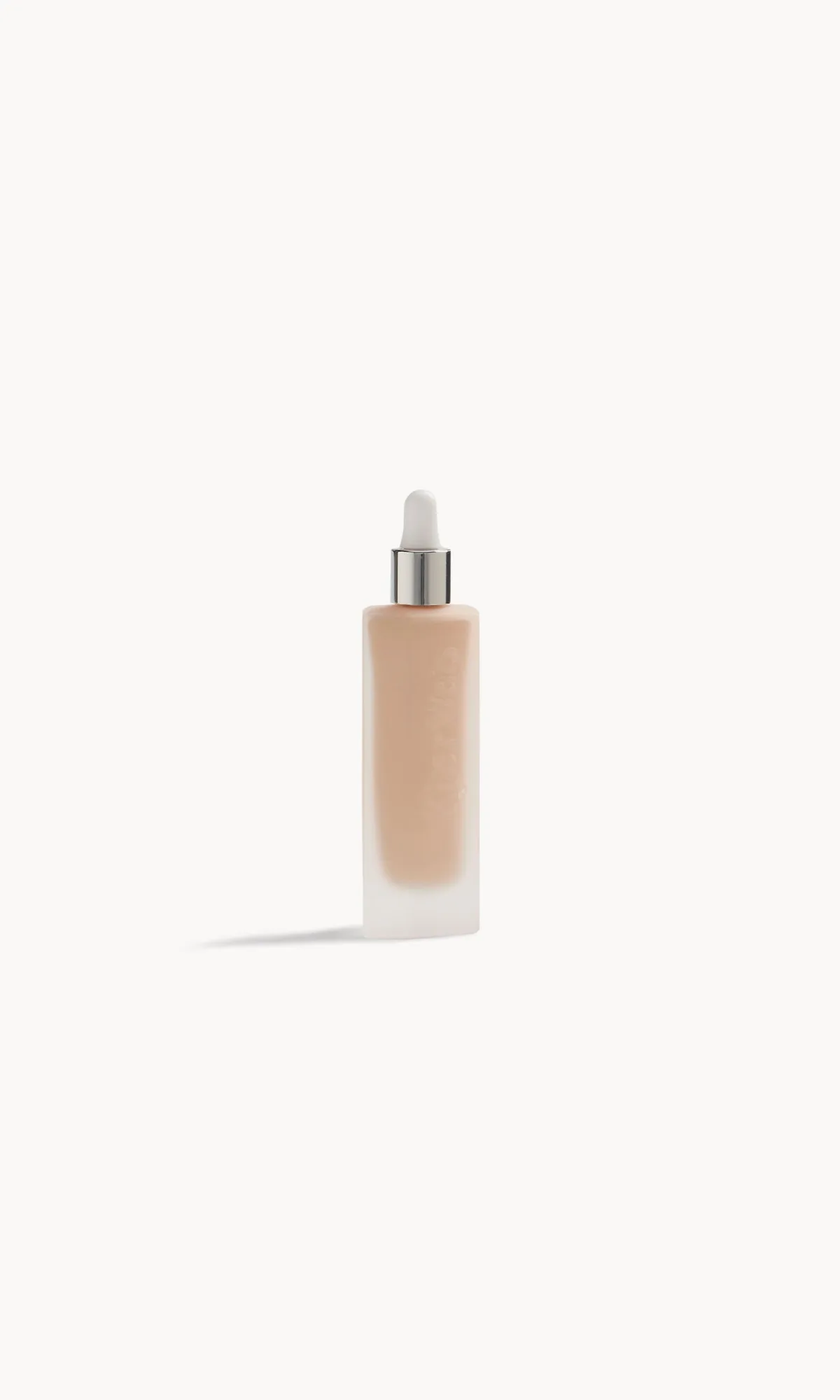
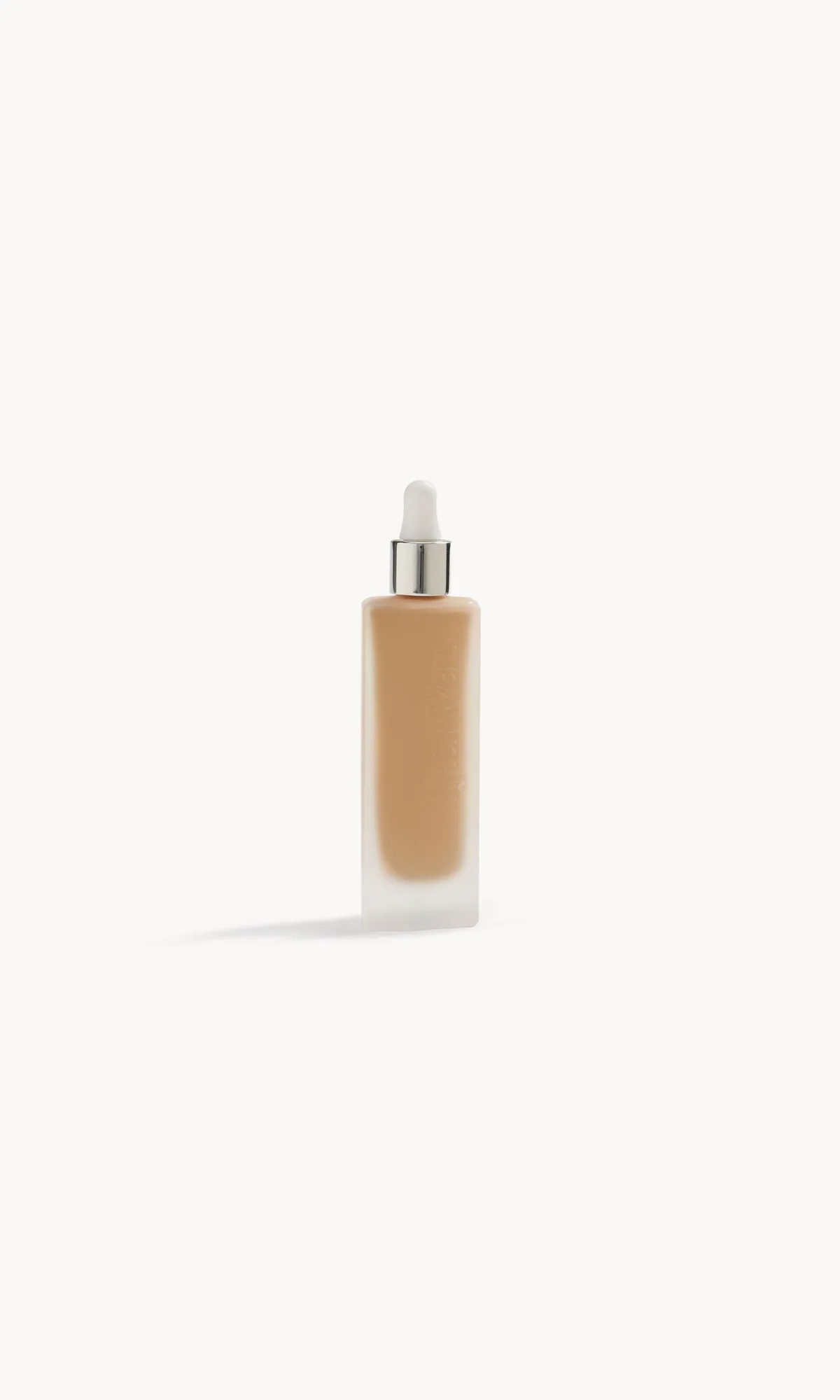
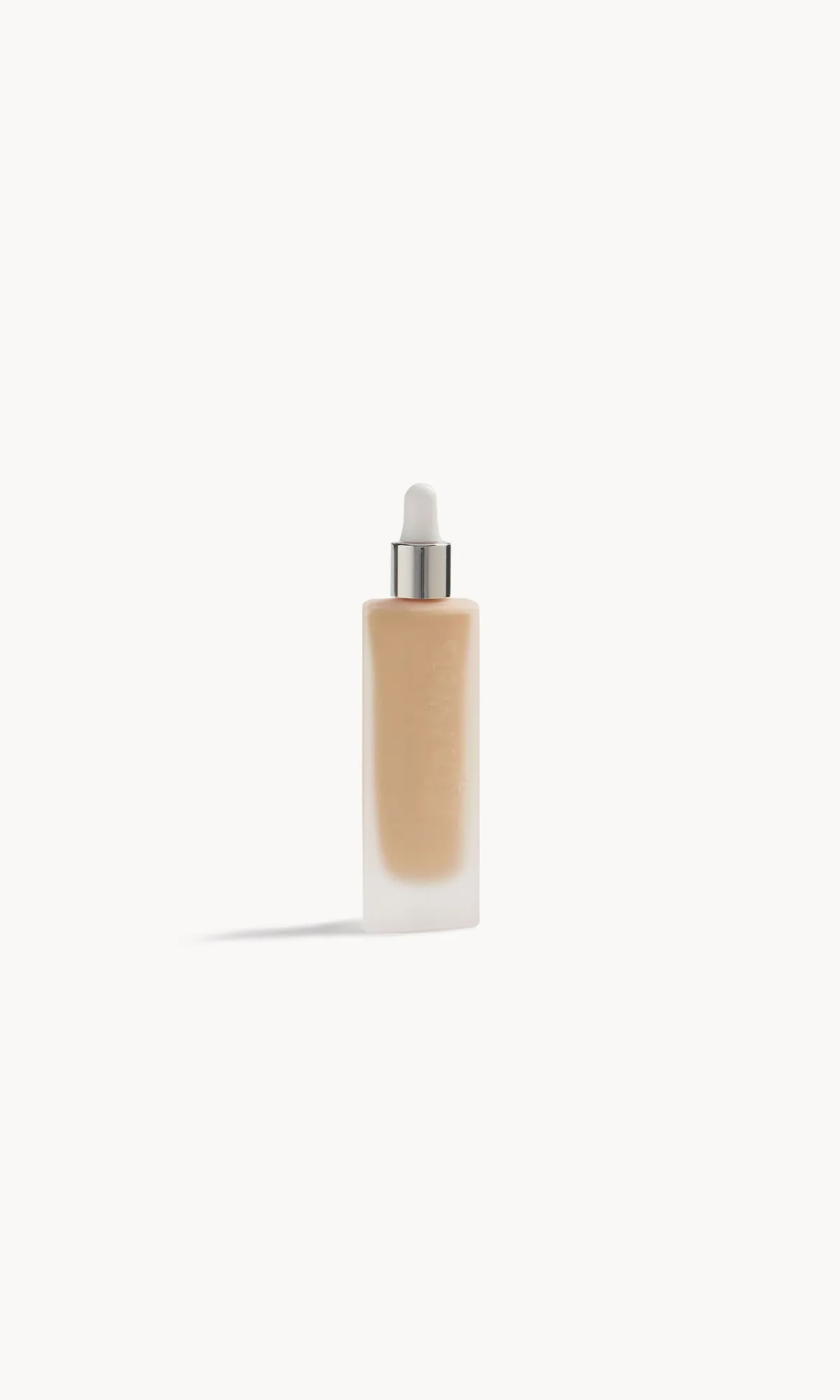
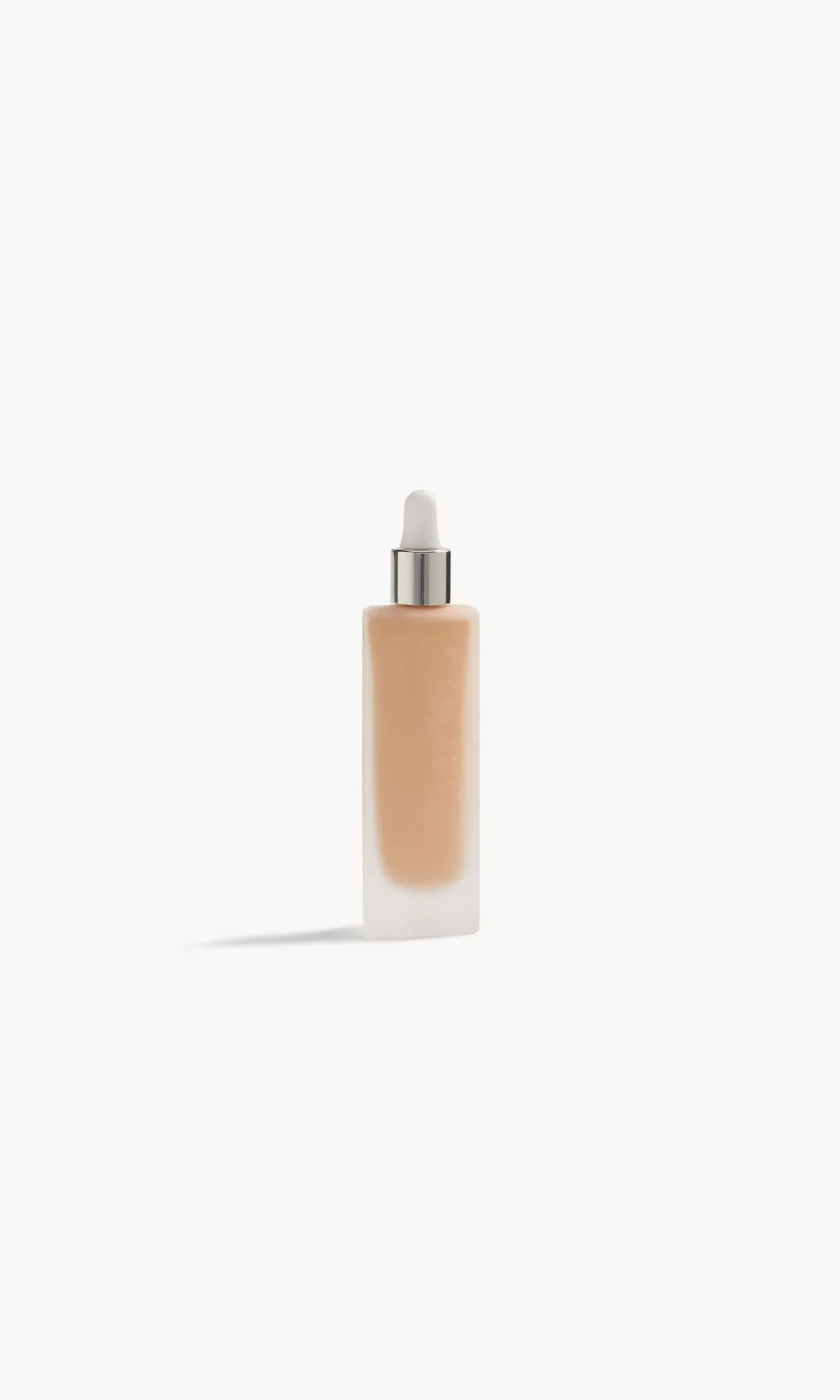
- Invisible Touch Liquid Foundation / F130 – Silken: Lightweight, serum-foundation hybrid for a luminous glow and buildable coverage. Silken has a yellow base and is best for light skin with yellow undertones. A serum hybrid builds in thin layers, so you can reach even coverage without the heavy look that causes cakiness.
- Invisible Touch Liquid Foundation / F136 – Ethereal: Lightweight, serum-foundation hybrid for a luminous glow and buildable coverage. Ethereal is best for light skin with neutral undertones. If your undertone leans neutral, matching it prevents the gray or overly warm cast that makes people add extra layers.
- Cream Foundation / F120 – Weightless: A certified-organic, skin-caring, multi-tasking complexion hero that enhances, covers, and conceals. Weightless is best for fair and light skintones with neutral undertones. A cream formula can be used sparingly as foundation or as targeted concealing, which limits how much product sits on dry areas.