Quick Answer
Yes, handmade soap is generally worth the higher price because it offers superior moisturizing properties, longer-lasting bars, and unique scents that commercial soaps often lack. The investment pays off in skin health and sensory experience.
When you see a $6 bar of soap next to a $1 commercial bar, it's natural to wonder: is handmade soap really worth the extra cost? Many shoppers assume all soap is the same, but the differences are significant. In this guide, we'll bust common myths about handmade soap and show you what you're actually paying for.
We'll focus on the facts about superfatting, long-lasting bars, and natural fragrance blends—so you can decide with confidence whether artisanal soap deserves a spot in your daily routine.
Myth #1: Handmade Soap Is Overpriced
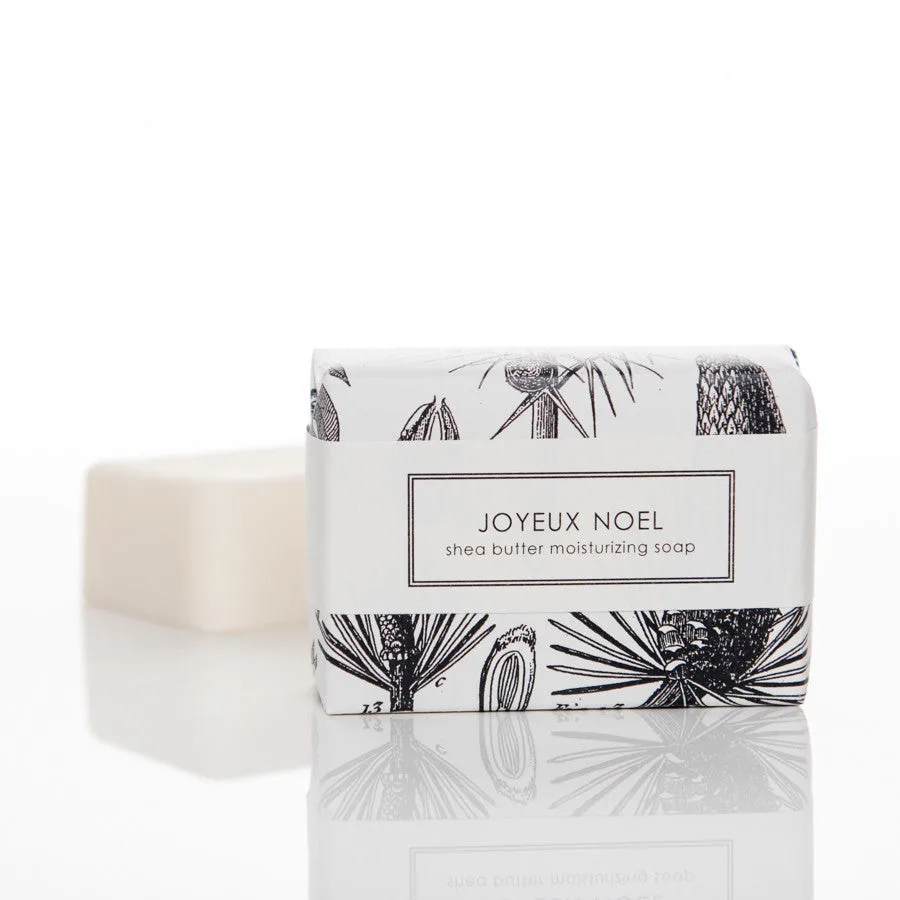
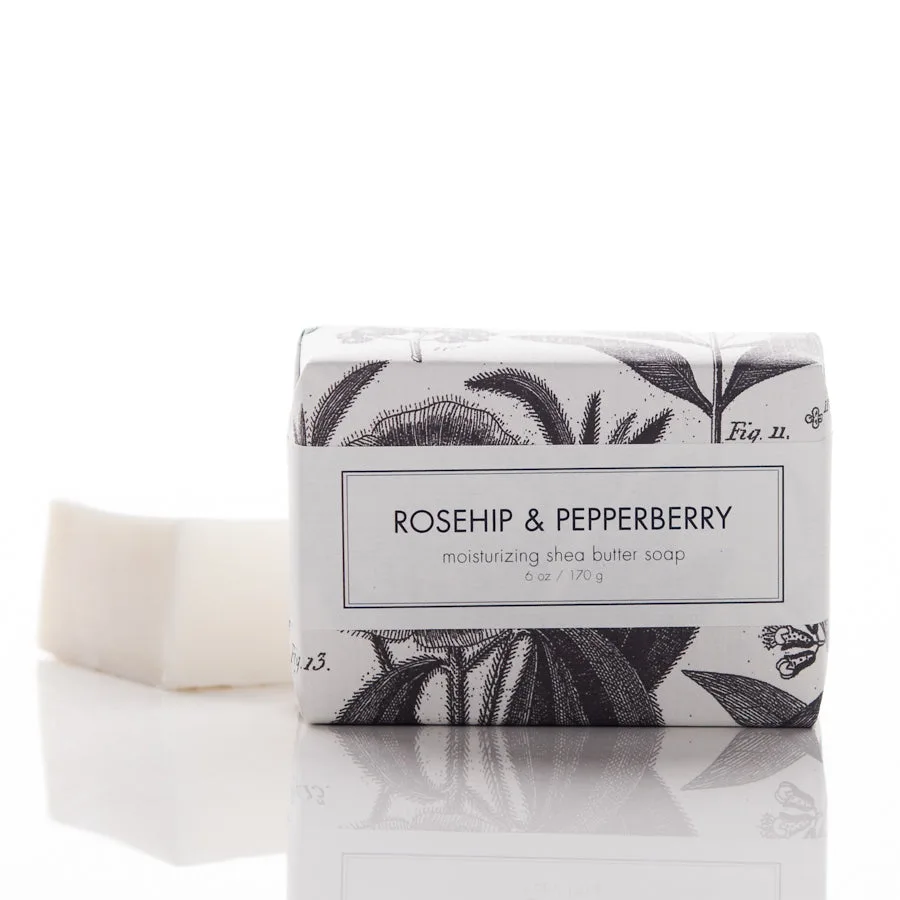
It's easy to compare price tags, but handmade soap is not just a bar of cleanser. Artisanal soaps are often superfatted, meaning they contain extra oils that don't saponify, leaving a moisturizing barrier on your skin. This is a key reason why bars like the Gardenia Blossoms Shea Butter Soap feel luxurious and softening.
Additionally, handmade soaps are typically longer-lasting than commercial bars because they cure longer and contain fewer fillers. A 6-ounce bar can outlast several commercial bars, making the cost per use competitive. So while the upfront price is higher, the value over time can be equal or better.
- Check the weight and ingredients: a 6 oz bar with superfatting lasts longer than a 3 oz commercial bar.
- Consider cost per wash, not just cost per bar.
Myth #2: All Soaps Are the Same
Commercial soaps often use harsh detergents and strip away natural oils, leaving skin tight and dry. Handmade soaps, on the other hand, retain glycerin—a natural humectant—and often include skin-loving butters like shea. The difference is noticeable in how your skin feels after washing.
For example, the Clementine & Lime Shea Butter Soap uses 100% essential oil blended fragrance, making it ideal for those who prefer a natural, fresh scent without synthetic overload. This is not just about luxury; it's about what you put on your skin daily.
- Read the ingredient list: look for shea butter, essential oils, and superfatting.
- If you have sensitive skin, opt for fragrance-free or essential-oil-only soaps.
Myth #3: Handmade Soap Is Not as Effective
Some assume that because handmade soap is gentler, it doesn't clean as well. In reality, superfatted soaps still cleanse effectively while maintaining the skin's moisture barrier. The key is the balance of oils and lye, which skilled artisans perfect.
The Fig Leaf - Petite Shea Butter Soap is superfatted to be extra moisturizing and skin softening, proving that you don't have to sacrifice cleanliness for care. It's a small 2 oz bar, but it's long-lasting and perfect for travel or trying a new scent.
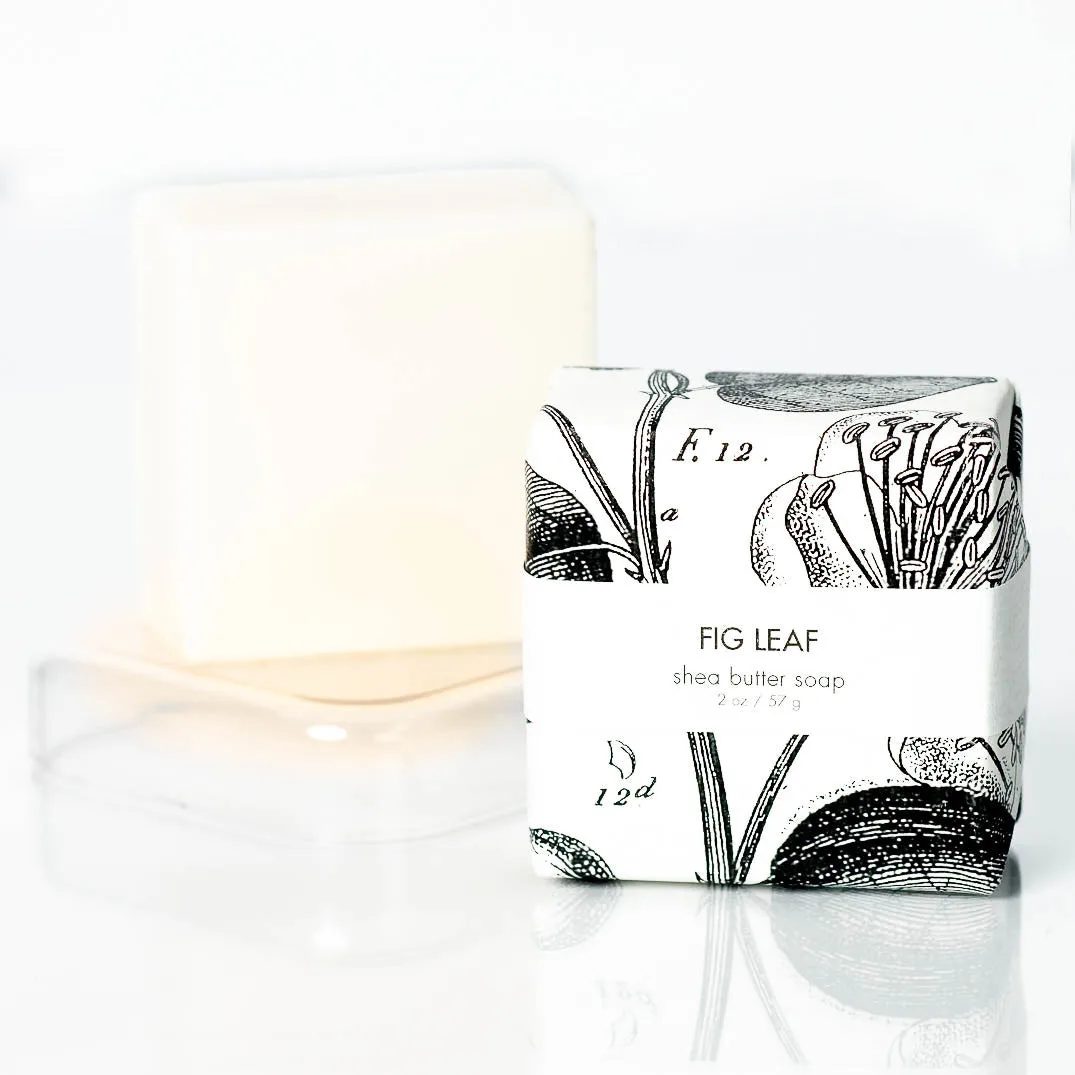
Fig Leaf - Petite Shea Butter Soap
- Use a soap dish that drains to extend the life of your bar.
- Alternate between two bars to allow them to dry completely between uses.
Myth #4: Natural Soap Has a Short Shelf Life
Because handmade soaps don't contain preservatives, some worry they spoil quickly. However, properly cured soap can last for months if stored correctly. The key is to keep it in a cool, dry place away from direct water flow.
Formulary 55's soaps are crafted to be long-lasting, both in the shower and on the shelf. The superfatting and curing process contribute to a harder bar that resists melting away quickly.
- Store soap in a well-draining dish to prevent it from sitting in water.
- Keep bars in a cool, dry area between uses; they can last up to a year.
Myth-Busting Verdicts
- Myth: Handmade soap is overpriced: Handmade soap often contains superfatting and higher-quality ingredients that moisturize and last longer, reducing cost per use. Verdict: Worth it for most users.
- Myth: All soaps are the same: Superfatting, glycerin retention, and natural fragrance blends set handmade soaps apart from commercial bars. Verdict: Choose handmade for skin health.
- Myth: Handmade soap doesn't clean well: Properly formulated handmade soap cleanses effectively while maintaining moisture balance. Verdict: It cleans without stripping.
- Myth: Natural soap goes bad quickly: With proper storage, handmade soap can last for months or even a year. Verdict: Shelf life is a non-issue if stored well.
Real Products, Real Benefits
- Fig Leaf - Petite Shea Butter Soap: Superfatted to be extra moisturizing and skin softening. These petite bars are long lasting... Even a small 2 oz bar can provide lasting moisture, making it a great trial size to test if handmade soap suits your skin.
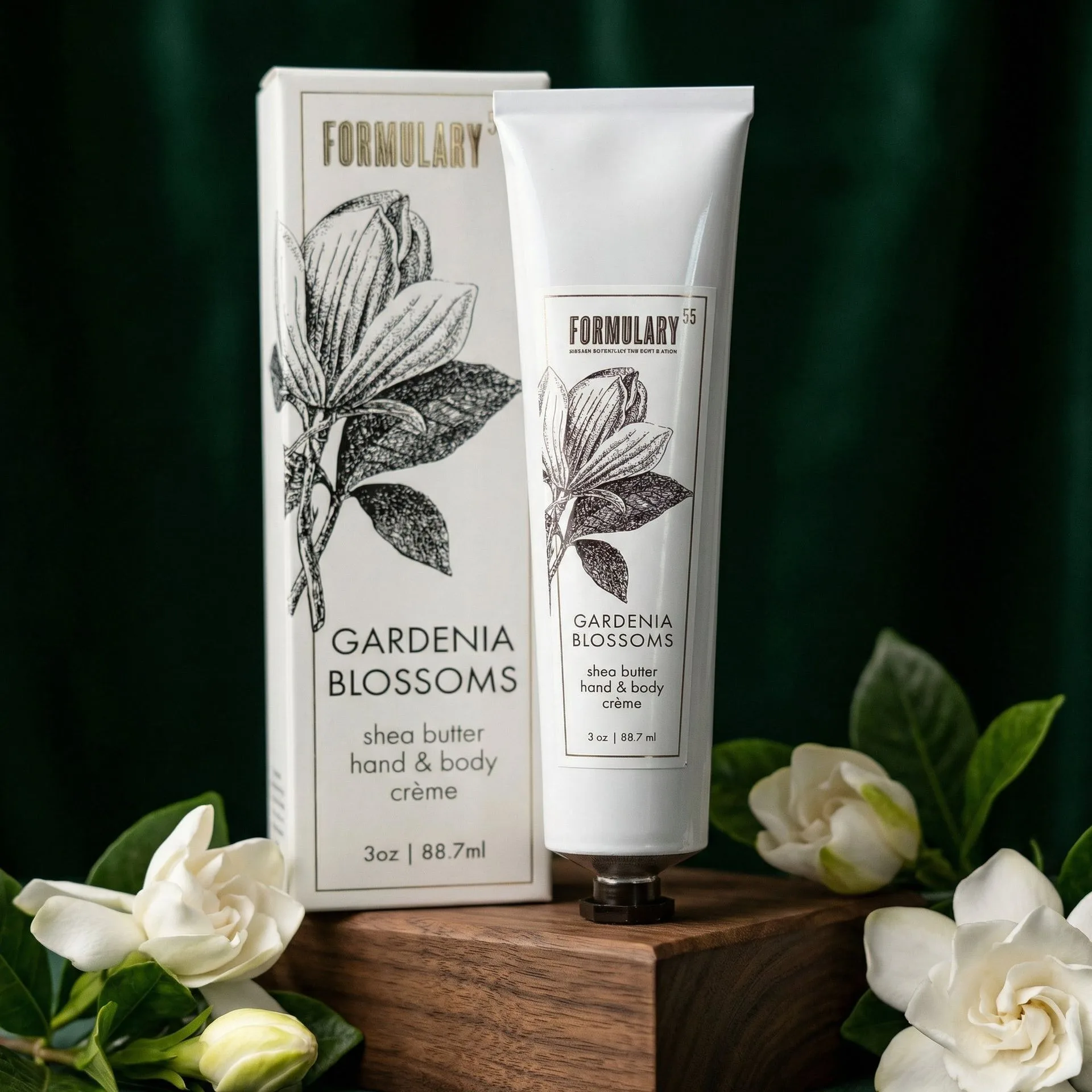
- Gardenia Blossoms - Shea Butter Soap: Superfatted to be extra moisturizing and skin softening, these shea butter bath bars are long lasting and luxurious. A 6+ oz bar offers more value per ounce and a bold, classic floral scent that turns a daily shower into a ritual.
- Clementine & Lime - Shea Butter Soap: 100% essential oil blended fragrance that mixes fresh clementine citrus with zesty clean lime. Suggested for people who don't like a lot of fragrance. If you prefer subtle, natural scents, this bar proves that handmade soap can be both gentle on the nose and effective on the skin.
Handmade soap is more than a luxury—it's a smart choice for those who value skin health, unique scents, and sustainable, long-lasting products. By debunking these myths, we hope you feel confident to invest in artisanal soap and enjoy the benefits it brings to your daily routine.