Quick answer
If your herbal tea tastes bitter, the cause is almost always water that is too hot or a steep that ran too long. Start by lowering your water temperature to just below a boil and cutting your steep time by one to two minutes. If the bitterness persists after both changes, the leaf itself may simply be too intense for your taste, and a milder botanical is the better fix.
Symptom check: is it bitterness or something else?
Bitterness is a sharp, drying sensation that lingers at the back of your tongue and throat. It is different from astringency, which feels like a dry, puckered coating on your gums, and different from staleness, which tastes flat or papery. Before you change anything, sip the tea after it has cooled for two minutes. Bitterness usually intensifies as the cup cools, while a weak or stale cup stays flat. If the sharp edge grows stronger as the tea sits, you are dealing with extraction bitterness, not a bad batch.
Cause 1: water temperature is too high
Boiling water pulls bitter compounds out of leaves much faster than hot but not boiling water. For most leafy herbal infusions, the practical range is roughly 200 to 212 degrees Fahrenheit, but delicate leaves and finely cut botanicals do better closer to 200. If you do not own a variable-temperature kettle, boil the water and then let it sit for two to three minutes before pouring. That short rest drops the temperature enough to soften the extraction without making the cup lukewarm.
Cause 2: oversteeping
Oversteeping tea is the most common home mistake because the clock is easy to forget. A five-minute steep can taste pleasant, while a ten-minute steep of the same leaf can turn harsh. Set a timer rather than guessing, and remove the tea bag or strain the loose leaf the moment the timer ends. If you like a stronger cup, add more leaf rather than more minutes; that raises flavor without pulling out the bitter tail.
Cause 3: too much leaf for the water volume
A standard starting point is one teaspoon of dried leaf per eight ounces of water, but that is a starting point, not a rule. Finely cut botanicals release flavor faster than whole leaves, so they often need less. If your cup is bitter even with correct temperature and timing, reduce the leaf by about a third and taste again. You can always add more next time; you cannot remove bitterness once it is in the cup.
Cause 4: the leaf itself is naturally intense
Some botanicals are simply more assertive than others. If you have adjusted temperature, time, and quantity and the cup still bites, the leaf may not suit your palate in a plain infusion. Blending it with a softer herb is a practical fix, but keep the ratio simple so you can tell which ingredient is doing what. If the bitterness is sharp and chemical rather than herbal, stop drinking it and check the packaging for storage problems or contamination.
When to stop adjusting and switch leaves
Stop troubleshooting after three attempts with the same leaf. If you have tried cooler water, a shorter steep, and less leaf, and the cup is still bitter, the problem is the match between the botanical and your taste, not your technique. At that point, choose a milder single-ingredient tea and start fresh with the corrected method. This is faster and less frustrating than trying to rescue a leaf you simply do not enjoy.
Diagnosis chart: match the symptom to the fix
- Sharp bitterness that grows as the cup cools: This points to water that was too hot. Let boiled water rest two to three minutes before pouring, or use a kettle set to about 200 degrees Fahrenheit for delicate leaves. If the next cup is smoother but still sharp, shorten the steep by one minute.
- Harsh, dry finish after a long steep: Oversteeping is the likely cause. Set a timer for five minutes, remove the leaf at the bell, and do not squeeze the tea bag, which releases extra bitter compounds. If the flavor is now too weak, add more leaf next time instead of more minutes.
- Bitter even with correct temperature and time: You are probably using too much leaf for the water volume. Cut back by one third and taste. Finely cut botanicals need less than whole leaves. If it is still bitter after three adjustments, switch to a milder single-ingredient tea.
Milder leaves to try after you fix your method
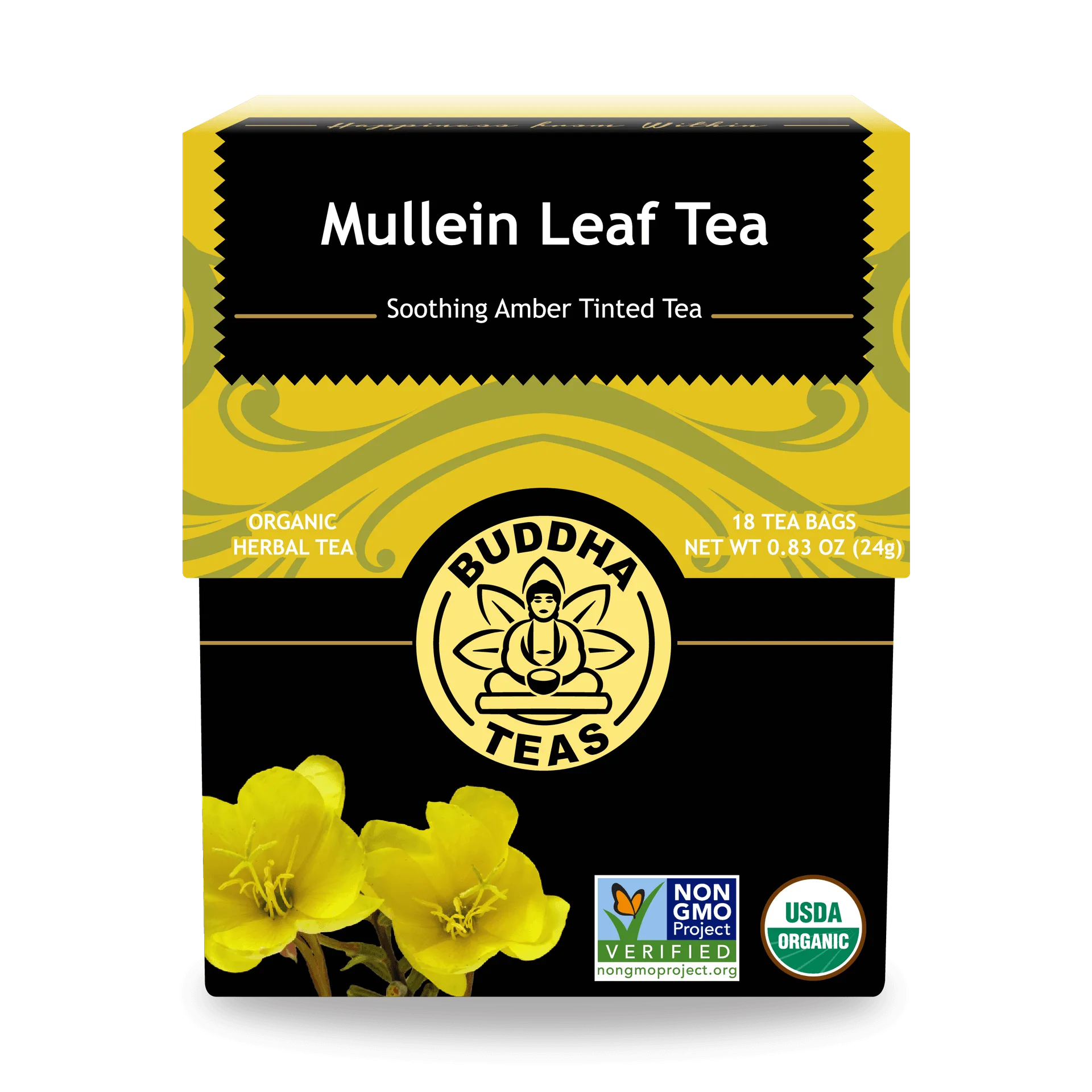
- Mullein Leaf Tea: Mullein Leaf Tea is described as a gentle and mild infusion with a soft, velvety character, delivered in bleach-free and plastic-free tea bags. Its mild profile makes it a forgiving choice if your previous cups turned bitter from oversteeping, because it has less of a sharp edge to begin with.
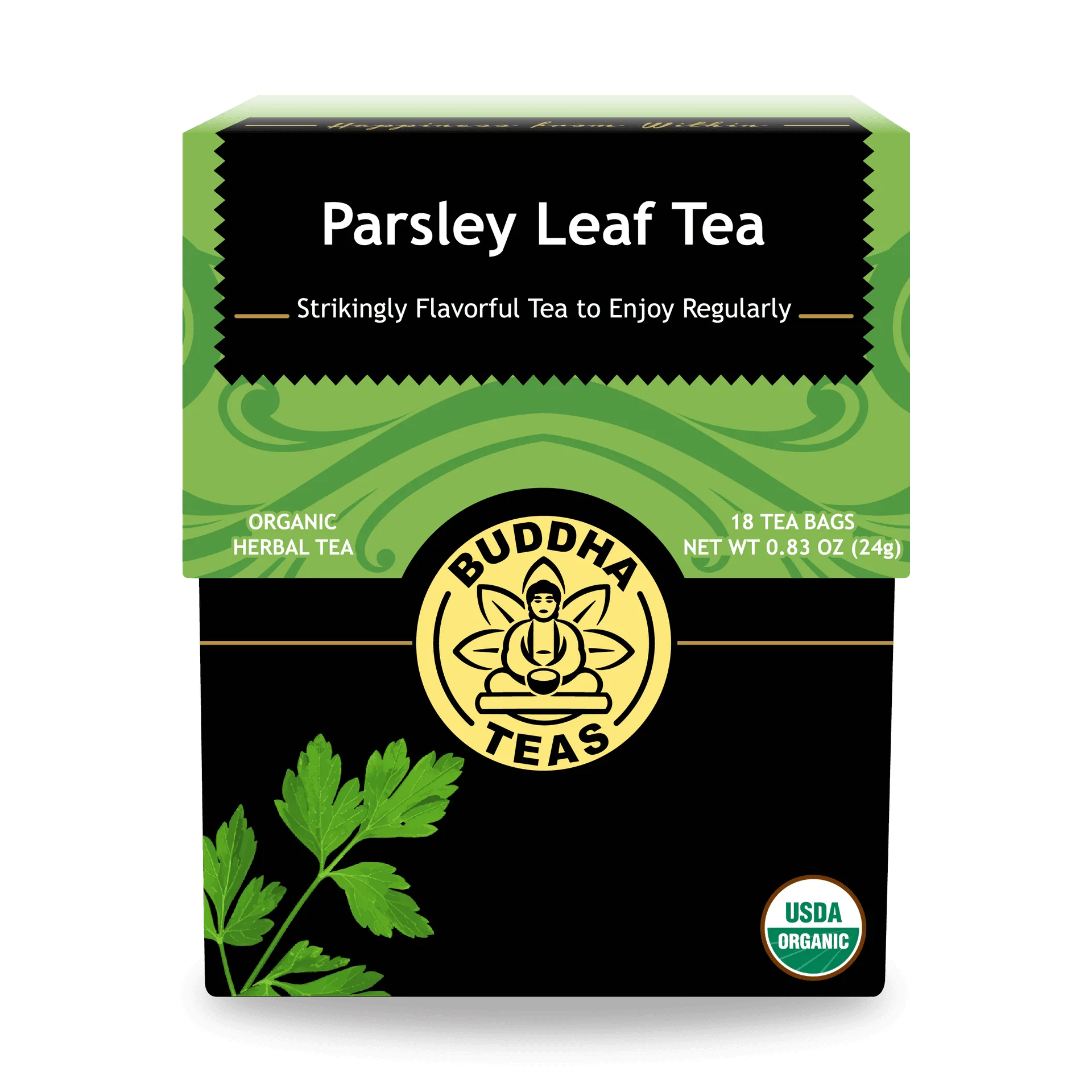
- Parsley Leaf Tea: Parsley Leaf Tea is a single-ingredient infusion made with pure culinary-grade botanicals and no hidden additives, in plastic-free packaging. With only one ingredient, any bitterness you taste is coming from your brewing method or the leaf itself, which makes it easier to diagnose and correct.
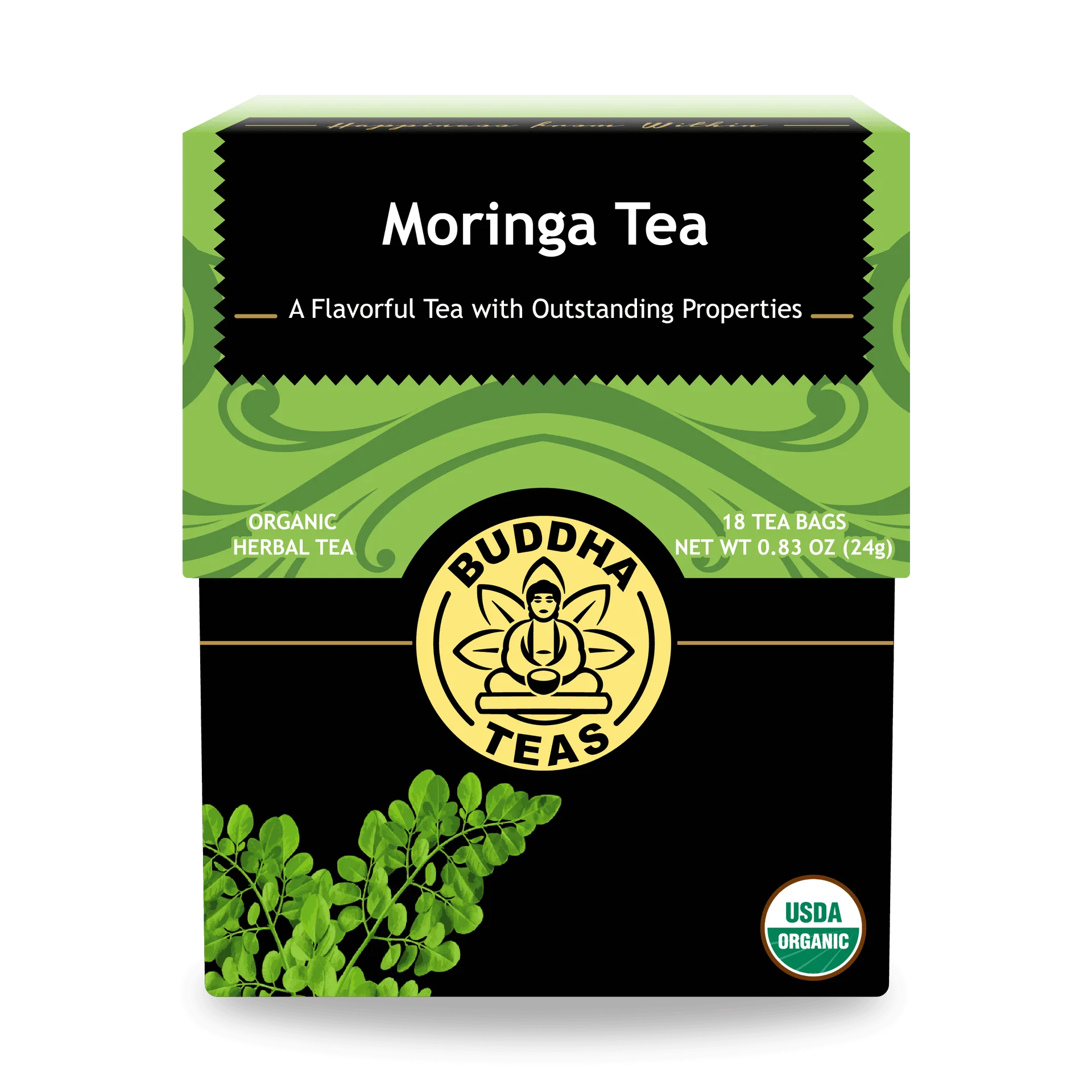
- Moringa Tea: Moringa Tea is described as naturally sweet and herbaceous with no artificial flavorings. A naturally sweet base can taste better if you tend to oversteep, since it has less bitterness to amplify when the steep runs long.