Quick answer
Most hydration vest bounce comes from a shell that is too loose around your ribcage, straps that are tightened unevenly, or weight sitting too high or too low. Start by checking the fit at your sternum and ribcage, then adjust the sternum straps and side compression before you blame the vest itself. If the vest still lifts or sways after those fixes, the size or model is likely wrong for your torso.
Separate the symptom from the cause
Bounce is not one problem. Notice when it happens: does the vest lift off your shoulders on descents, sway side to side on technical terrain, or thump against your lower back at speed? A vest that lifts at the shoulders usually has too much slack in the shoulder straps or a load that sits too high. A vest that sways side to side often has loose side compression or an unevenly loaded front. A vest that slaps your lower back may be too long for your torso or cinched too low. Write down the pattern on your next run before changing anything, because each pattern points to a different fix.
Check sizing before you touch a strap
Hydration vest sizing is based on torso circumference, not shirt size, and a vest that is one size too large will bounce no matter how tight you pull the straps. Measure around the fullest part of your chest with a soft tape and compare it to the brand's size chart. Then load the vest with the bottles and gear you actually carry and jog in place. The vest should sit close without restricting your ribcage expansion. If the shoulder straps dig in while the body still feels loose, the size is wrong, not the adjustment.
Adjust running vest straps in the right order
Work from the bottom up. First, loosen the shoulder straps so the vest sits at your preferred height, then tighten the side compression until the vest hugs your ribcage without compressing your breathing. Next, set the lower sternum strap just below your collarbone and tighten it until you can still slide a flat hand underneath. Finally, adjust the upper sternum strap if your vest has one, keeping it slightly looser than the lower strap so your chest can expand. Recheck the fit with a full load, because a vest that feels snug empty can ride up once bottles are added.
Reposition the load to kill the thump
Weight placement changes bounce more than most runners expect. Keep soft flasks in the front pockets and press them down fully so they sit low against your ribs. If your vest has rear pockets, put heavier items closest to your spine and lighter layers farther out. A half-empty bottle sloshing in a loose pocket will swing with every stride, so top up bottles or use the compression cords many vests include. On long runs, tighten side compression as you drink to take up the extra space.
swing
When to stop adjusting and change the vest
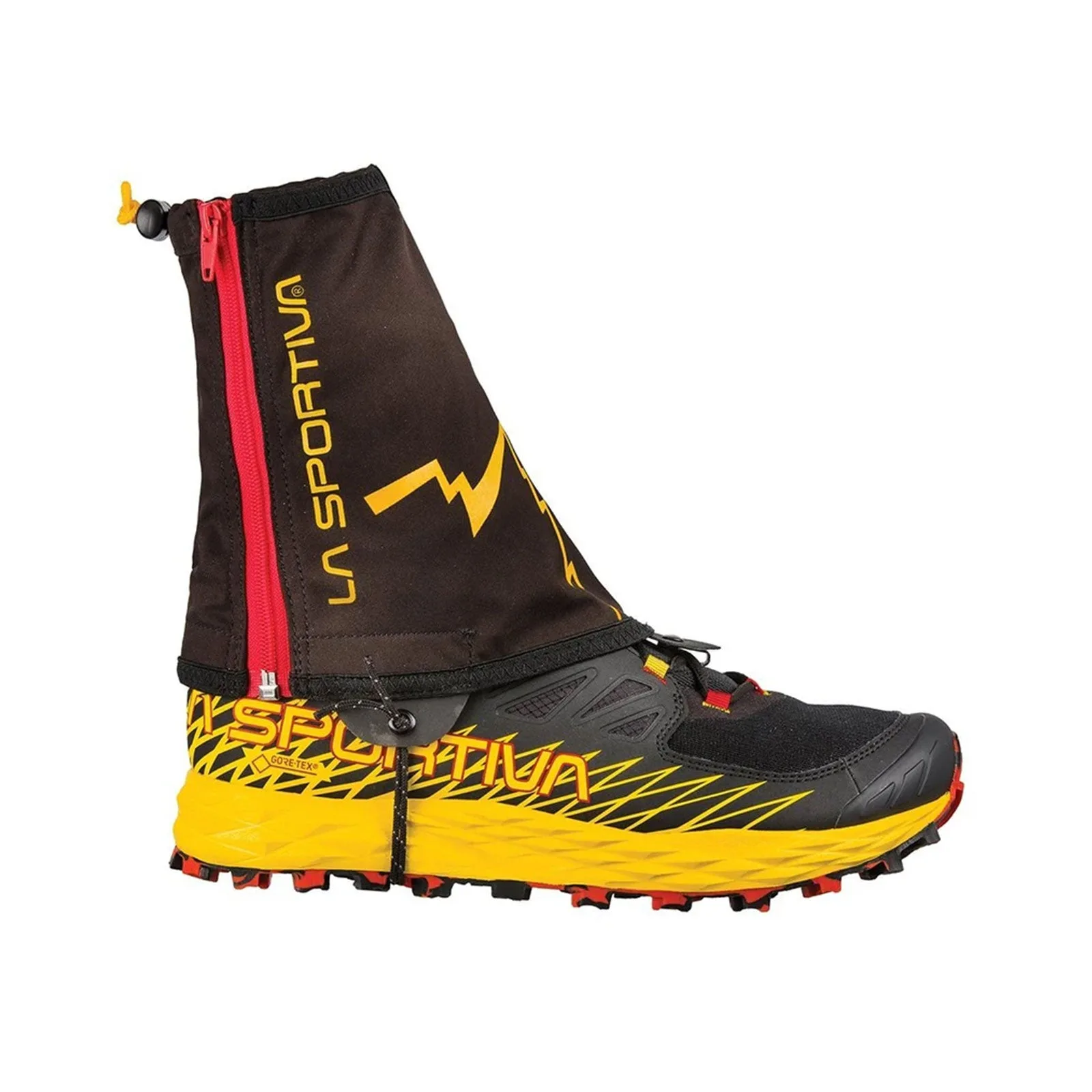
Stop adjusting if you have checked sizing, set the straps in order, and repositioned the load, and the vest still lifts or sways on a short test run. That usually means the cut does not match your torso shape, or the vest lacks the compression you need for your load. A women's-specific cut or a shorter torso length can solve shoulder lift that no strap adjustment fixes. If you only need to keep snow and debris out of your shoes on winter runs, a gaiter is a simpler solution than a full vest adjustment.
solution
Bounce diagnosis: match the symptom to the fix
- Vest lifts off your shoulders: Shoulder straps are too loose, or the load sits too high in the vest. Tighten shoulder straps and move weight lower before sizing up.
- Vest sways side to side: Side compression is loose or front pockets are loaded unevenly. Even out the load and tighten side compression cords.
- Vest slaps your lower back: The vest is too long for your torso or cinched too low on the hips. Raise the vest and tighten the lower sternum strap; if it persists, try a shorter torso model.
- Vest still bounces after all adjustments: The size or cut does not match your torso shape. Stop adjusting and switch to a different size or a women's-specific fit.
Gear that supports a stable fit
- Winter Running Gaiter: The Winter Running Gaiter is made with Polartec® Power Stretch material and fits around your shoe to keep your feet clean and comfortable while running in winter conditions. If winter debris or snow is your real irritation rather than vest movement, a gaiter solves that problem without adding strap complexity.
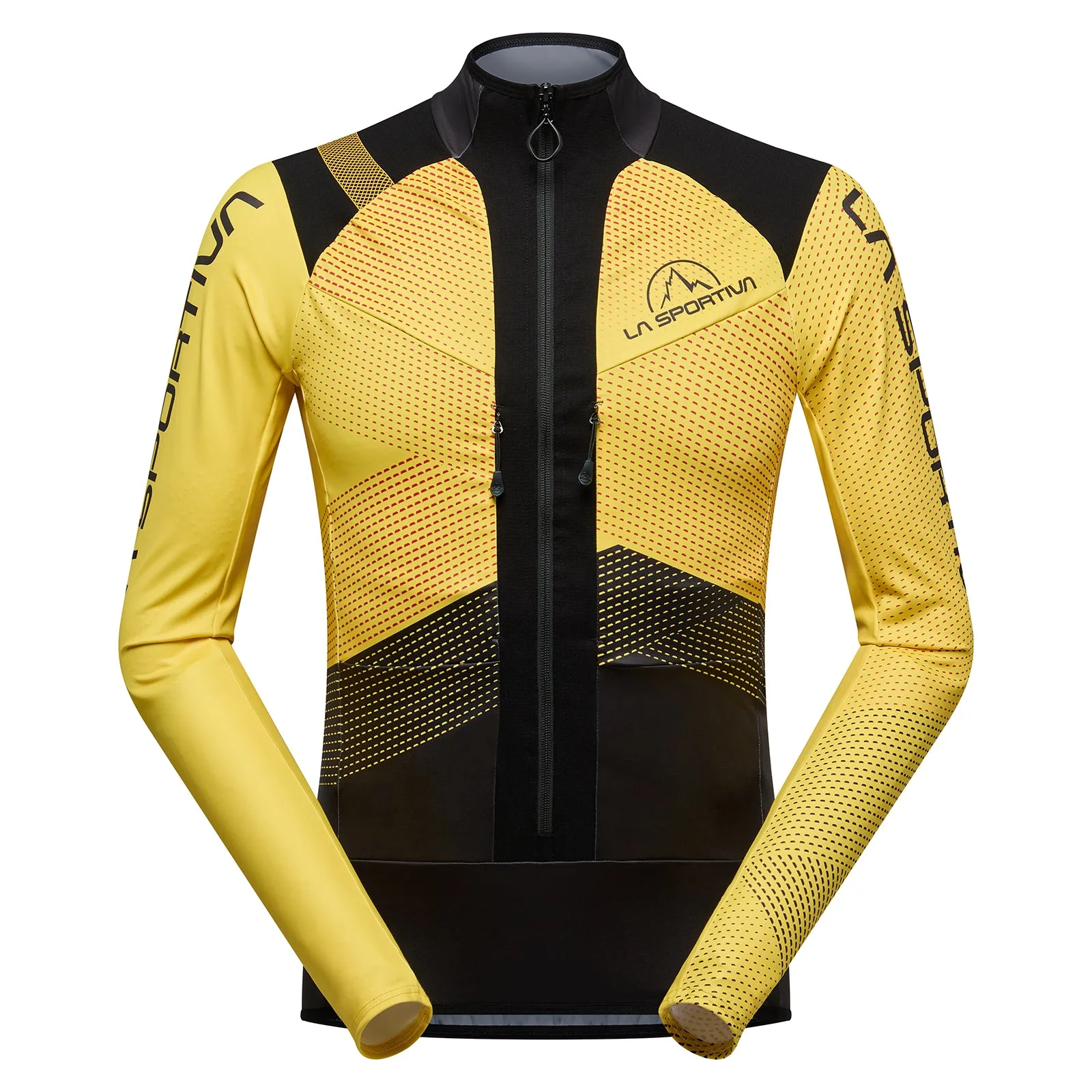
- Stratos VI Racing Jacket Men's: The Stratos VI Racing Jacket for men is a lightweight ski jacket with stretch fabric that supports movement for fast training and dynamic mountain days. A stretch shell layers cleanly under a hydration vest without adding bulk that can push straps out of position.