Quick answer
A bib stays wet because it is either absorbing drool and holding it against the skin, or it is not blocking liquid at all. Switch to a bib with a waterproof backing or a snug, absorbent front layer, change it as soon as it feels damp, and keep a rotation of two or three bibs on hand. If the wetness is constant and paired with feeding trouble, breathing changes, or unusual crankiness, talk to your pediatrician.
Symptom: the bib is soaked within minutes
A bib that is wet through in minutes usually means the fabric is wicking moisture instead of stopping it. Cotton and muslin bibs absorb well, but once saturated they pass wetness straight to the onesie underneath. If the bib feels heavy and cool, the absorbent layer is full and the backing, if any, is not doing its job.
Likely cause: the bib has no waterproof layer
Many everyday bibs are a single layer of absorbent fabric. That design is fine for wiping a mouth, but it is not built to handle the steady drool that comes with teething. A waterproof bib fix is not about adding more absorbency; it is about adding a barrier. Look for a bib that clearly states it has a waterproof or moisture-blocking backing. If the product description does not mention a backing, treat it as an absorbent-only bib and plan to change it often.
Corrective action: rotate bibs before they soak through
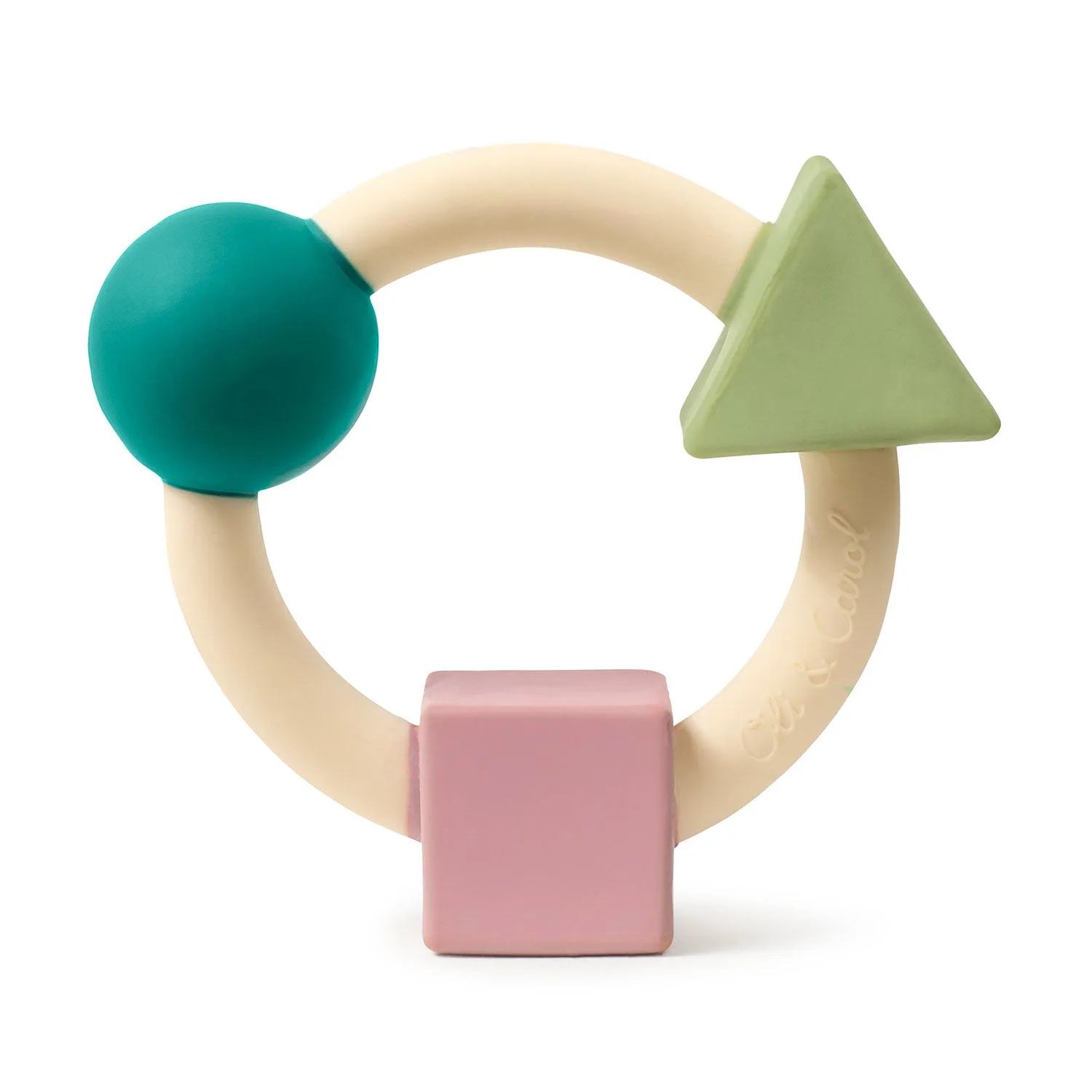
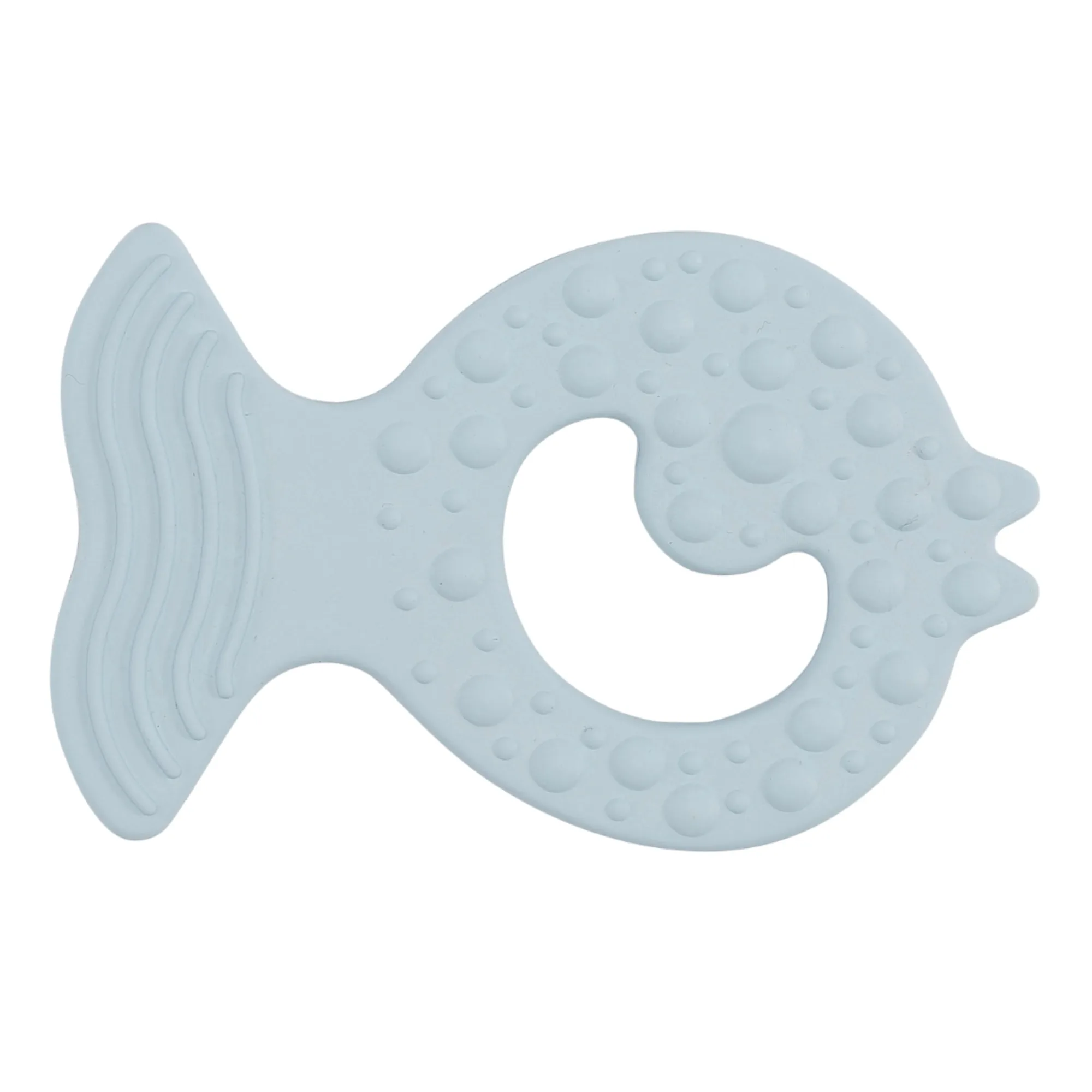
Bib rotation tips work best when you change the bib before the front feels wet to the touch. Keep two or three clean bibs within reach during the drooliest parts of the day, especially after meals and during active play. A bib that is damp but not dripping can often be swapped for a dry one and aired out for later use. If your baby is also chewing constantly, pair the bib rotation with a teether to give the mouth a safe outlet and reduce the urge to soak the bib with drool.
When to stop and choose another option
If you have tried waterproof bibs, frequent changes, and a teether, and the bib is still wet through within minutes, the bib itself is the limiting factor. In that case, stop buying more absorbent-only bibs and choose a bib with a confirmed waterproof layer or a style that sits away from the chest. If the wetness is accompanied by a rash that does not improve with dry bibs, or if your baby seems uncomfortable during feeding, that is a signal to check with a pediatrician rather than keep adjusting the bib.
Wet bib diagnosis: match the symptom to the next step
- Bib is damp but the onesie underneath is dry: The absorbent layer is working and has not reached capacity. Swap in a dry bib, let the damp one air out, and keep the rotation going. No change needed beyond a fresh bib.
- Bib is wet through and the onesie is damp: The bib has no effective moisture barrier. Choose a bib with a stated waterproof backing, or accept that an absorbent-only bib needs changing every time it feels heavy. Switch bib type before buying more of the same.
- Bib is wet through within minutes even with frequent changes: The drool volume is beyond what a standard bib can manage. Pair bib changes with a teether for chewing relief and consider a bib style that sits away from the chest. If wetness continues with feeding trouble or skin irritation that does not improve, ask your pediatrician.
Product facts that matter for wet-bib days
- Teething Ring Soft Colors Baby Teether: Made with 100% natural rubber from Hevea trees, soft, easy to grasp and safe to chew, with squeezy figures for learning first shapes and basic colors. A soft natural-rubber teether gives a baby a safe chewing outlet, which can reduce the drool that ends up on the bib in the first place.
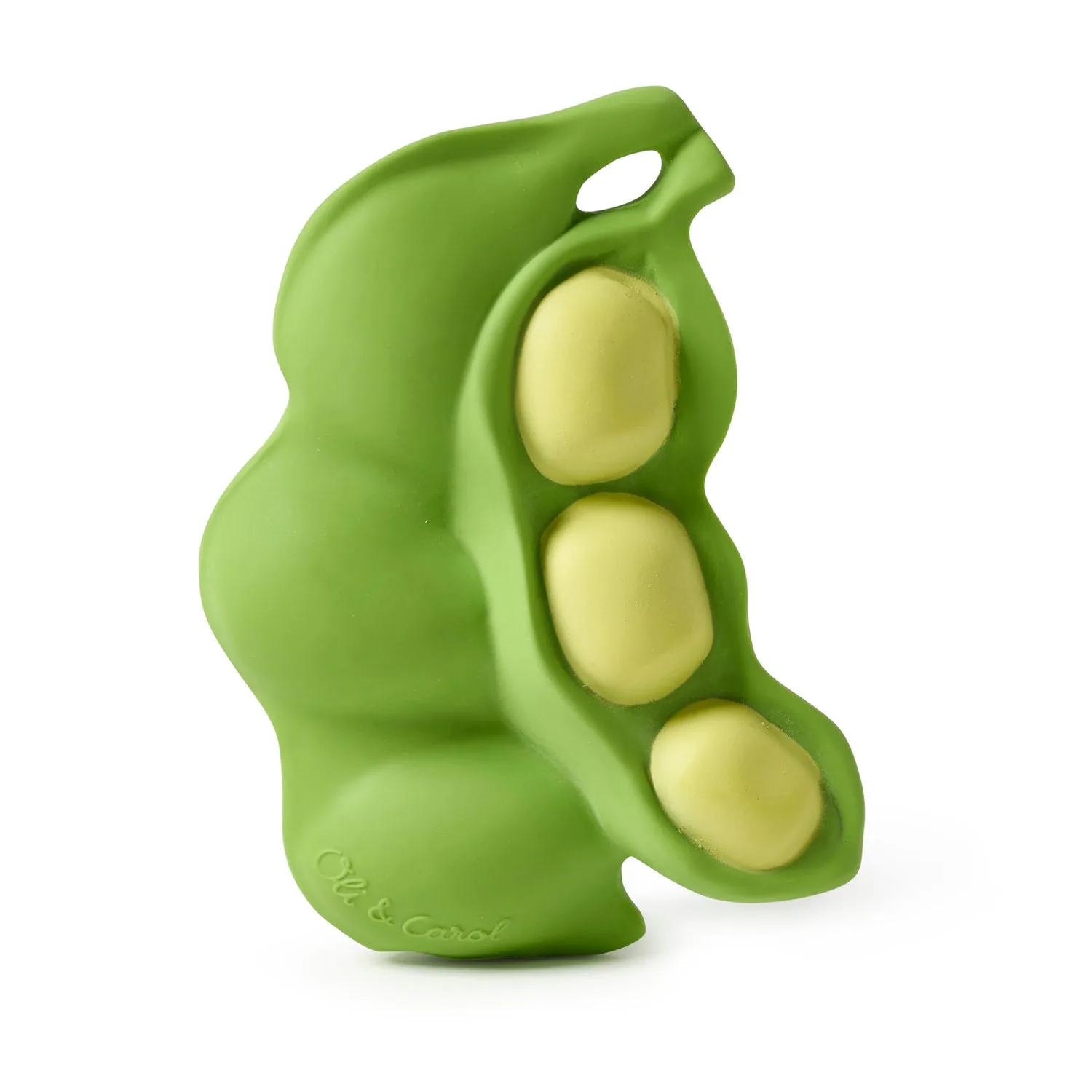
- Keiko the Edamame Baby Teether: A chewable baby toy for teething, bath time and sensory play with realistic textures that help stimulate babies' senses and relieve teething gums; easy to hang from a strap and chew on the go. The realistic texture and hangable design make it practical to keep a teether within reach during the same moments when a bib would otherwise get soaked.