Quick Answer
Dogs chew for many reasons: teething, boredom, anxiety, or simply because chewing is a natural behavior. The key to stopping destructive chewing is identifying the root cause and redirecting that energy to appropriate outlets. Below we break down the most common causes and what you can do about each.

destructive chewing
Common Causes of Destructive Chewing
Puppies explore the world with their mouths, and teething can make them want to gnaw on anything to relieve gum pain. Adult dogs may chew out of boredom, especially if left alone for long periods without mental stimulation. Some dogs chew to relieve stress or anxiety, such as separation anxiety. And for many dogs, chewing is simply a fun, self-reinforcing activity—it feels good and passes the time.

separation anxiety
Understanding the specific trigger in your dog's life is the first step. If your dog only chews when you're gone, anxiety is a likely culprit. If the chewing is directed at objects that smell like you (shoes, remote controls), it may be a comfort-seeking behavior. If the chewing happens at any time and targets a variety of items, boredom or a lack of appropriate chew toys might be the issue.
Solutions That Address the Root Cause
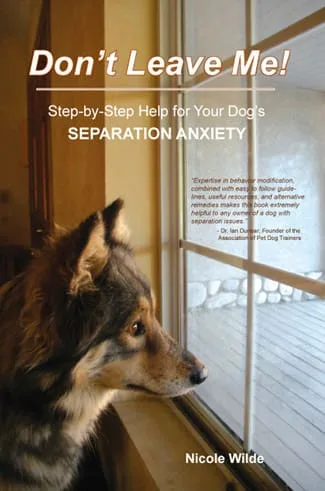
For teething puppies, provide a variety of safe, puppy-appropriate chew toys and consider freezing a wet washcloth or a rubber toy for soothing relief. For bored adult dogs, increase physical exercise and mental enrichment through puzzle toys, training sessions, and interactive games. If you suspect separation anxiety, a structured desensitization plan is often needed—this is where a dedicated resource like the e-book "Don't Leave Me!" can be invaluable.
For dogs that simply love to chew, management is key. Keep valuable or dangerous items out of reach, and consistently redirect your dog to approved chews. Rotate toys to keep them novel. And remember: punishment after the fact rarely works because the dog doesn't connect the punishment to the chewing that happened earlier. Instead, focus on prevention and positive reinforcement for chewing the right things.
When to Consider Professional Help or a Training Resource
If your dog's chewing is accompanied by other signs of distress like pacing, drooling, or destructive behavior only when left alone, separation anxiety may be the primary issue. This is a complex behavior problem that often requires a systematic approach. The comprehensive guide "Don't Leave Me!" offers step-by-step instructions and an interactive format to create a customized rehabilitation plan for your dog.
Another common scenario: a dog that chews because they simply don't know what else to do. This can be a training gap. The book "Culture Clash" challenges the idea that dogs are being stubborn or defiant, and instead explains that many so-called problem behaviors are just normal dog behaviors that haven't been channeled properly. Understanding your dog's perspective can change how you approach training and make solutions more effective.
Diagnosis: Why Your Dog Chews and What to Do
- Symptom: Dog chews furniture, shoes, baseboards, or other household items, often when left alone or during specific times of day. Observe when and what your dog chews to narrow down the cause.
- Likely Cause: Could be teething (puppies under 6 months), boredom (lack of exercise or mental stimulation), anxiety (especially separation anxiety), or simply a strong natural chewing drive. Match the pattern to the cause: teething = puppies, boredom = any age, anxiety = often only when alone.
- Corrective Action: Provide appropriate chew toys, increase exercise and enrichment, manage the environment by removing temptations, and redirect chewing to approved items. For anxiety-related chewing, use a structured desensitization plan. Consistency and positive redirection are more effective than punishment.
- When to Stop or Choose Another Option: If the chewing is severe, destructive, or clearly linked to panic when left alone, basic management may not be enough. Consider a dedicated resource like "Don't Leave Me!" for separation anxiety, or "Culture Clash" to better understand your dog's motivations. Complex cases benefit from a focused training guide or professional behaviorist.
Helpful Resources for Chewing Issues
- Don’t Leave Me!: Separation anxiety can be an extremely challenging behavior issue for dogs and owners alike. This comprehensive guide includes all the information you need to help your dog, and to lower your own stress levels as well. You’ll get plenty of tips, ideas, and step-by-step instructions; the interactive format will allow you to customize an effective rehabilitation plan for your individual dog. If your dog's chewing is linked to anxiety when left alone, this guide provides a structured plan to address the root cause rather than just the symptom.
- Culture Clash: Generations of dogs have been labeled training-lemons for requiring actual motivation when all along they were perfectly normal. Numerous other completely and utterly normal dogs have been branded as canine misfits simply because they grew up to act like dogs. This book reframes many common behavior issues—including chewing—as normal dog behavior that can be redirected with the right approach, not punished out of a 'bad' dog.