Quick Answer
Lip liner dries out when it lacks moisture, when you apply it to dry lips, or when the formula's waxes and oils aren't balanced. To fix it, prep your lips with a hydrating balm, choose a creamier formula, and avoid dragging the pencil—use short, feathery strokes instead.
If your lip liner feels like it's pulling, skipping, or leaving patchy gaps, you're not alone. A drying lip liner can turn a quick makeup routine into a frustrating battle. But the good news? Most of the time, the problem isn't the product alone—it's how you're using it and what's happening on your lips before you even start.
In this guide, we'll walk through the common culprits behind a drying lip liner, from dehydrated lips to formula issues, and give you actionable fixes to get that smooth, even line you're after. You'll also learn when it's time to switch products entirely.
Why Lip Liner Feels Dry and Patchy
Lip liner can feel dry for a few reasons. The most common culprit is that your lips themselves are dry or flaky. When the skin on your lips has dead cells or lacks moisture, any pencil—even a creamy one—will drag and deposit unevenly. Another reason is the formula: many lip liners are designed to be long-wearing, which means they contain more wax and less oil. That's great for staying power, but it can also make the pencil feel stiff and less glide-y.
Application technique also plays a role. Pressing too hard or using a dull tip can cause the liner to skip and leave patchy spots. And if you're layering a matte liquid lipstick over it without a balm, the combination can make the whole look feel tight and dry.
- Check your lip balm: apply a hydrating balm 5 minutes before liner.
- Exfoliate gently once a week to remove flaky skin.
- Use a light hand and sharpen your pencil for a precise tip.
How to Fix a Drying Lip Liner
The quickest fix is to prep your lips properly. Start with a lip scrub or a soft toothbrush to buff away flakes, then apply a thin layer of lip balm or oil. Wait a minute for it to absorb, then blot with a tissue. This creates a smooth canvas that lets the liner glide on without tugging.
If your liner is still dragging, try warming the tip with your finger or a hairdryer for a few seconds. This softens the wax just enough to make application easier. Alternatively, apply a tiny bit of lip balm directly onto the liner tip before each stroke—this adds slip without compromising the color's longevity.
When you're applying, use short, feathery strokes rather than one continuous line. This puts less pressure on the pencil and helps you build an even line. If you do get a patchy spot, don't rub it—gently blend with your fingertip or a brush, then fill in with the liner.
- Warm the pencil tip for 3-5 seconds before use.
- Use a lip brush to blend the liner into a softer line.
- Set with a translucent powder only if you need extra longevity.
When to Switch to a Different Formula
If you've tried all the tricks and your liner still feels dry, it might be time to look for a formula with more emollients. Creamy or gel-based liners tend to have a smoother glide and are more forgiving on dry lips. Look for terms like 'smooth glide' or 'moisturizing' on the packaging.
You don't have to sacrifice staying power for comfort. Many modern formulas balance oils and waxes to give you both. If you're open to trying a new product, consider a lip treatment oil with a tint—it can double as a soft liner when applied with a brush, and it adds hydration while you wear it.
- Test a liner on your hand first: if it drags there, it'll drag on your lips.
- Check the ingredient list for oils like jojoba or shea butter.
- Consider a lip liner that comes in a twist-up format—they're often creamier.
Diagnosing Your Lip Liner Issue
- Symptom: Your lip liner drags, skips, or leaves patchy areas when you apply it. This is the most common sign of a formula that's too dry or lips that need prep.
- Likely Cause: Dry or flaky lips, a wax-heavy liner, or applying too much pressure. Check your lip condition first—it's the easiest thing to fix.
- Corrective Action: Exfoliate, moisturize with a balm or oil, and switch to short, light strokes. Warm the pencil tip if needed. If this doesn't help, move to the next step.
- When to Stop or Switch: If the liner still feels dry after proper prep and technique, it's time to try a creamier formula or a lip treatment oil as a base. Don't force a product that doesn't work for your lips—your comfort matters.
Products That Help with Dry Lip Liner
- Speak Love Glossy Lip Treatment Oil: An irresistible, high-shine lip treatment oil that replenishes lips with vital moisture for all day hydration. *May contain traces of nuts Use this as a base before applying lip liner. Its moisture helps create a smooth surface, preventing the liner from dragging and looking patchy. It also adds a glossy finish that can make the overall look feel more comfortable.
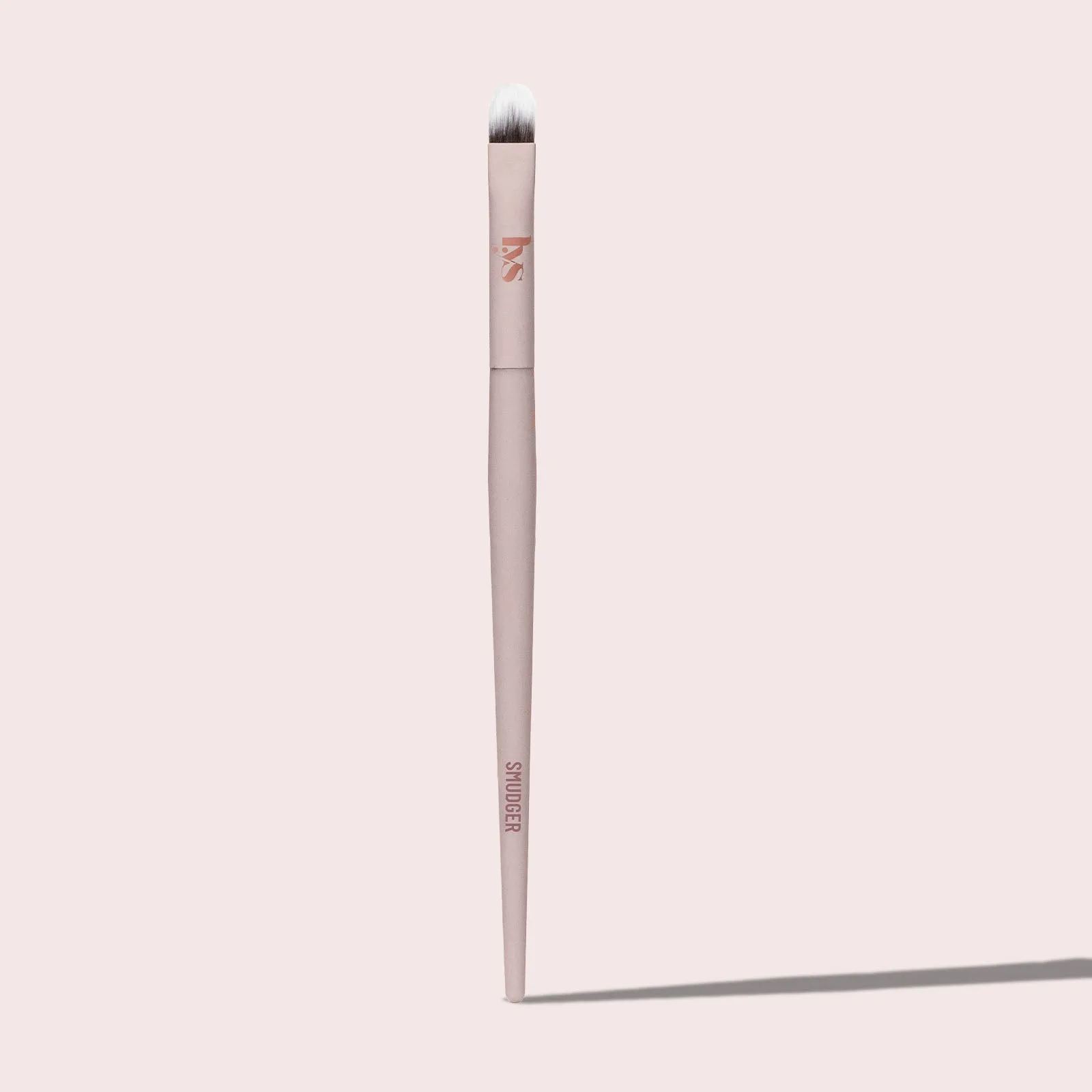
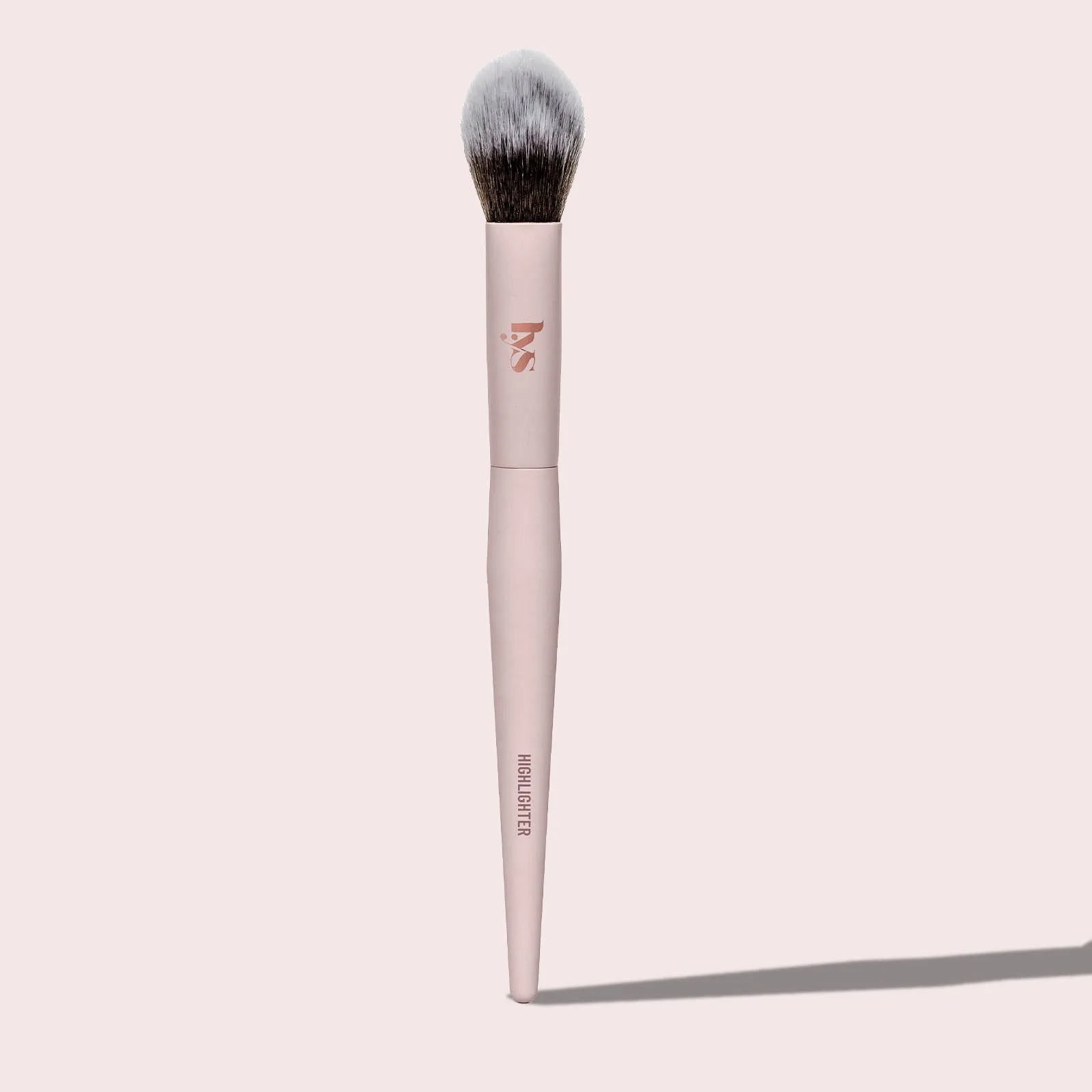
- Highlighter Brush: An ultra-soft cruelty-free domed brush designed to easily diffuse liquid, cream, and powder highlighter onto the face with a buildable finish. While not a lip tool, this brush's soft, domed shape is perfect for gently blending the edges of your lip liner. It helps soften harsh lines and correct any patchiness without pulling at the skin, giving a more seamless finish.
A drying lip liner is a common annoyance, but it's usually fixable with a little prep and the right technique. Start by hydrating your lips, adjust your application, and if all else fails, look for a creamier formula that glides on smoothly. With these tips, you'll be able to achieve a flawless lip line that lasts—without the dryness.