Quick Answer
Nail polish chips most often because of inadequate nail prep, missing base or top coat, or applying too-thick layers. Fix it by cleaning and buffing nails, using a base coat, and sealing the free edge with a top coat.
Few things are more frustrating than a fresh manicure that starts chipping within days. The good news: most chipping is preventable once you know what's causing it. Whether you're using a classic creme or a shimmer finish, the same core rules apply.
In this guide, we'll walk through the most common culprits behind nail polish chipping and give you step-by-step solutions. You'll also learn when to stop troubleshooting and consider a different product or technique.
Common Causes of Nail Polish Chipping
Chipping usually comes down to one of four things: oily or un-prepped nail plates, missing base coat, applying polish too thick, or skipping a top coat. Natural oils from your skin can create a barrier that prevents polish from adhering. Even a quick swipe of polish remover before application can make a big difference.
Another frequent culprit is applying thick, gloppy layers. Thick polish takes longer to dry and is more likely to lift or peel. Instead, aim for thin, even coats and let each one dry completely before adding the next. This is especially important with sheer or shimmer formulas that may tempt you to pile on more polish.
- Always swipe nails with polish remover right before painting to remove oils.
- Use a base coat to create a sticky foundation for polish.
- Apply two thin coats instead of one thick coat.
How to Stop Nail Polish Chipping
Start with clean, dry nails. Push back cuticles gently and buff the surface lightly to give polish something to grip. Then apply a base coat—this is non-negotiable for longevity. A base coat also prevents staining from darker pigments.
After your color, finish with a top coat. Don't forget to 'wrap the tip' by brushing a thin layer of polish along the free edge of your nail. This seals the edge where chipping usually starts. Reapply top coat every few days to refresh the seal and add shine.
- Wrap the tips: run the brush along the edge of each nail.
- Wait at least 2 minutes between coats to let polish dry.
- Avoid using nails as tools—open cans with a tool, not your fingers.
When to Consider a Different Product
Sometimes chipping isn't about technique. Certain formulas simply last longer on your nails than others. Crelly finishes, for example, offer buildable coverage and a flexible feel that can resist chipping better than some thick cremes. Shimmer polishes, while gorgeous, may be sheer and require extra coats, which increases the chance of chipping if not dried properly.
If you've tried everything and still see chips within a few days, experiment with a different finish or brand. Also, check your cuticle oil routine—hydrated cuticles and nails are more flexible and less prone to breakage, which helps polish stay put.
- Try a crelly polish like 'When September Ends' for a flexible, chip-resistant option.
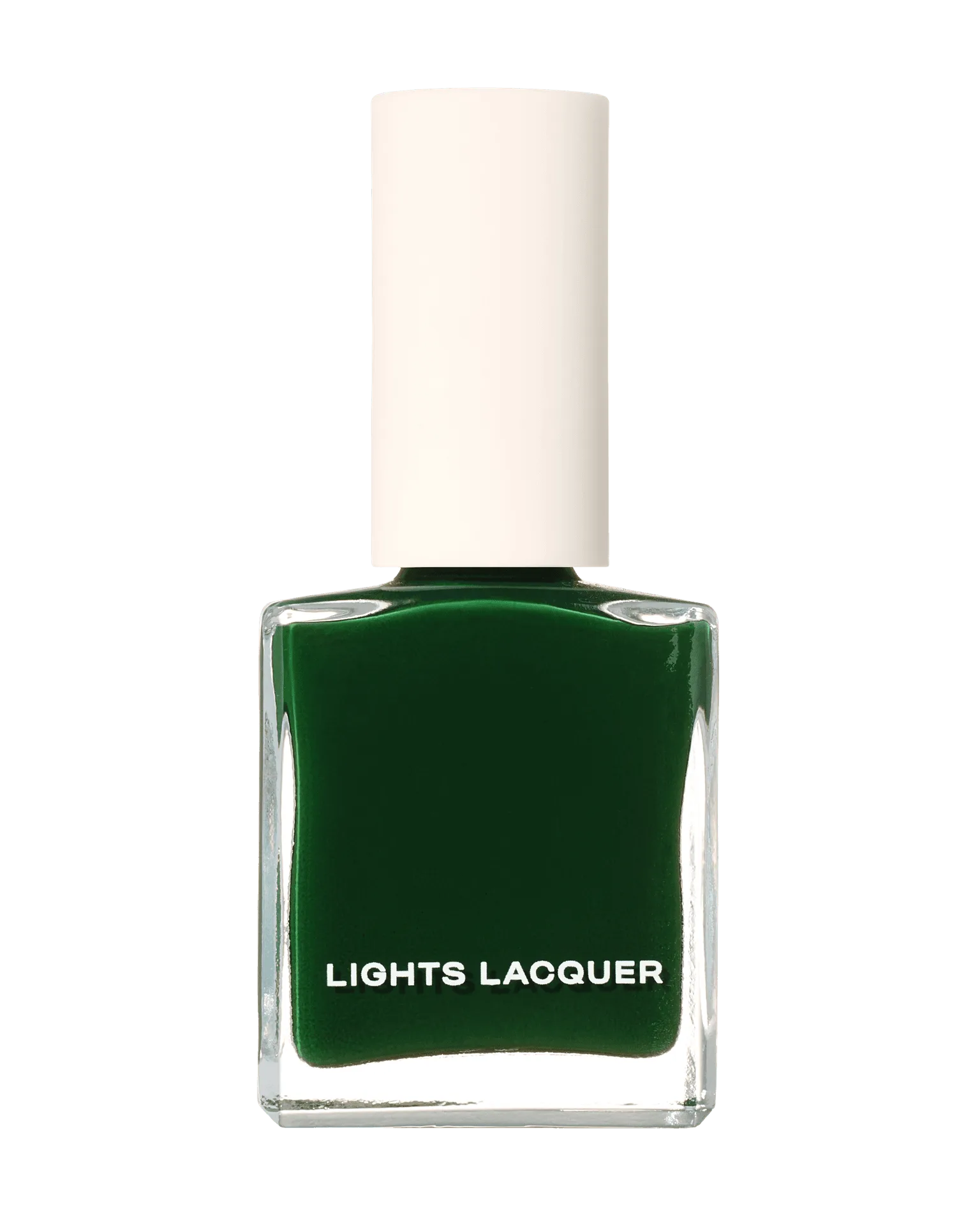
When September Ends
- If you love shimmer, layer it as a topper over a creme base for better wear.
- Hydrate cuticles daily with a nourishing cuticle oil.
Diagnosis: Why Your Polish Chips
- Symptom: Chipping within 24 hours: Usually caused by oily nail plates or skipping base coat. Wipe nails with remover and always use a base coat.
- Symptom: Chipping at tips only: Likely missing the 'wrap the tip' step or using nails as tools. Seal the free edge with polish and top coat; avoid using nails to open things.
- Symptom: Polish peels off in large flakes: Could be applying coats too thick or not letting layers dry fully. Apply thin coats and wait longer between layers. If it persists, try a different finish like crelly.
- Symptom: Chipping everywhere despite good prep: Your formula may not be suited to your nail chemistry or daily activities. Experiment with other finishes or brands. If nothing works, consider a professional manicure or consult a dermatologist.
Products That Help With Chipping
- When September Ends: A hunter green polish with a crelly finish. Buildable medium coverage. Apply 1–2 coats for a soft jelly-to-crelly look, or 2–3 coats for a crelly-to-creme finish. Crelly finishes are naturally flexible and buildable, which can reduce chipping compared to thicker cremes. This is a great option if you're prone to chips.
- Pineapple Hydrating Cuticle Oil: Our fan-favorite formula — in a juicy pineapple scent. This tropical treat blends nutrient-rich oils to lock in moisture, soothe dry skin, and promote stronger, shinier nails—naturally. Well-hydrated nails are less brittle and less likely to chip. Daily cuticle oil keeps the nail plate flexible and healthy.
Chipping is annoying, but it's usually fixable. Start with proper prep, thin coats, and a good top coat. If you still struggle, try a flexible crelly formula and keep your cuticles hydrated. Your nails—and your sanity—will thank you.